
Choosing the Right Burning Stove: A South African Buyer’s Guide
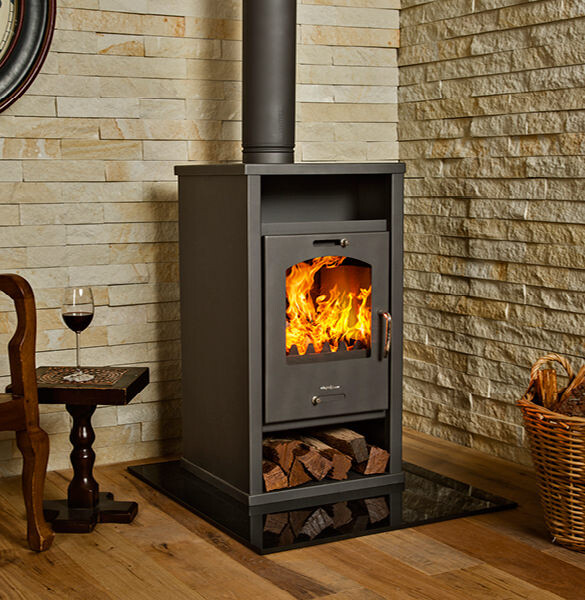
Shopping for a burning stove in South Africa? This guide covers stove types, how to size by kW, what separates a quality unit from a cheap one, realistic Rand price ranges, and what installation involves — everything you need to buy with confidence.
A burning stove is one of the best investments you can make for a South African winter. It delivers steady, radiant warmth completely independent of the grid — no load shedding, no rising electricity tariffs, no cold house when the lights go out. Whether you are heating a farmhouse outside Stellenbosch, a family home in Johannesburg’s northern suburbs, or a coastal cottage in Hermanus, there is a burning stove sized and styled for the job. This guide covers everything a South African buyer needs to know: the different types available, how to calculate the right heat output, what separates a quality stove from a cheap one, realistic Rand price ranges, and what installation involves.
You can browse our current stock in the freestanding fireplace range while you read — it will give you a visual feel for the styles and brands we cover below.
What Is a Burning Stove?
A burning stove — also called a wood-burning stove or closed combustion fireplace — is a sealed, freestanding appliance that burns wood inside an insulated firebox. Unlike a traditional open fireplace, the combustion chamber is enclosed by a glass door, which has two major consequences: efficiency climbs dramatically (70–80% of the wood’s energy becomes room heat, compared to roughly 15–25% from an open hearth), and the unit is far safer because sparks and rolling logs are fully contained.
The term is used loosely in South Africa to describe any freestanding wood-burning unit. If you have been weighing up freestanding vs built-in fireplaces, the key practical difference is flexibility: a freestanding stove can be placed almost anywhere a flue can reach the roof, while a built-in fireplace requires a masonry or pre-framed opening. For most South African homes, the freestanding burning stove is the quicker, more affordable path to winter warmth.
Types of Burning Stoves Available in South Africa
South African retailers stock stoves from European manufacturers as well as locally built units. The broad categories are:
- Cast iron stoves — the classic option. Cast iron holds heat for a long time and radiates it gently after the fire dies down. Brands like Dovre and Morsø are cast iron originals. Expect a heavier unit (60–120 kg) and a slightly higher price point, but excellent longevity — a quality cast iron burning stove should last 20–30 years with basic maintenance.
- Steel-plate stoves — lighter, faster to heat up, and often less expensive. Most South African-made and entry-level European stoves fall here. Steel heats faster than cast iron but also cools faster, making these ideal if you want quick warmth for a few hours rather than sustained overnight heat.
- Soapstone or ceramic-clad stoves — a premium category. The stone or ceramic cladding absorbs heat while the fire burns and releases it slowly over six to eight hours. These units are less common in SA but available on order from specialist importers. Prices start around R18,000 for the unit alone.
- Combination stove-ovens — units like the Lacunza Altea combine a wood-burning firebox with a built-in oven and hotplates. Popular in rural South Africa and among load-shedding-conscious buyers who want both heating and cooking capability in a single appliance.
Not sure which category fits your home? Our guide to choosing the right fireplace for your home covers the broader decision framework, including how gas compares to wood-burning if you are still deciding on fuel type. You can also browse our full fireplace collection to see what is currently in stock across all categories.
Sizing Your Burning Stove: Getting the kW Right
The single biggest buying mistake South Africans make is choosing a stove that is either too small (it runs flat-out all evening and still cannot heat the room) or too large (it overheats a small space and you end up burning with the door cracked open, which damages the glass, seals, and flue). Heat output is measured in kilowatts (kW). Use this as a starting point:
- Small rooms up to 25 m²: 5–7 kW
- Medium rooms 25–45 m²: 8–11 kW
- Large open-plan areas 45–80 m²: 12–16 kW
- Very large or poorly insulated spaces: 16 kW and above
Two South Africa-specific factors adjust these numbers. First, insulation matters more here than European sizing charts assume. Many SA homes have limited ceiling insulation and single-pane windows, which means you typically need 15–20% more kW than the standard European room-size calculators suggest. Second, altitude matters: Johannesburg and Pretoria sit above 1,500 m, and thinner air affects how wood combusts — not a dramatic adjustment, but worth flagging to your installer. Cape Town homes near the coast deal with wind chill and high humidity rather than altitude, which increases the effective heat demand on a cold front.
Features That Separate a Quality Stove From a Cheap One
With entry-level burning stoves available from R4,500 and premium European models reaching R35,000 or more, the price range is vast. Here is what you are actually paying for:
- Steel thickness and firebox lining: Budget stoves use thin-gauge steel (2–3 mm) that warps after a few seasons. A quality stove uses 4–6 mm steel with firebrick or vermiculite lining to protect the firebox and improve combustion. This is the single biggest durability differentiator.
- Glass quality: Look for borosilicate ceramic glass, not regular glass. It handles thermal shock and stays clear longer. Quality burning stoves also include an air-wash system — a directed curtain of air that keeps the glass clean during normal operation, so you do not lose the visual of the fire.
- 304-grade stainless steel flue collar: If your home is near the coast — Cape Town, Hermanus, Plettenberg Bay, the Garden Route — insist on 304-grade stainless steel for the flue collar and any exposed metal components. Marine-grade stainless resists the salt-air corrosion that will eat through mild steel within three to five years in coastal conditions.
- Tertiary air / clean combustion design: Modern stoves inject a third stream of pre-heated air that re-burns gases before they leave the firebox. The result is more heat from the same log, less creosote build-up in the flue, and significantly less smoke — a meaningful benefit if you live in a suburban area where a smoking chimney makes you unpopular with the neighbours.
- Door seals and rope gasket: Check the ceramic rope gasket around the door. It should compress firmly and hold a tight seal. A loose seal lets uncontrolled air in, bypasses the combustion design, and reduces efficiency. Gaskets are replaceable but should last three to five years on a quality stove.
Burning Stove Prices in South Africa (2025/2026)
Here is a realistic breakdown of what South Africans are currently paying:
- Entry-level (locally made or imported, 5–8 kW): R4,500 – R9,000. Suitable for a secondary room or a tight budget, but expect a shorter service life and less efficient combustion.
- Mid-range (quality South African brands, 8–12 kW): R9,000 – R18,000. The best value bracket for most buyers. Units from Northern Flame, Hydrofire, and Earthfire sit here — solid build quality, good warranties, and parts are available locally.
- Premium European (Dovre, Morsø, Kratki, Godin, 8–16 kW): R18,000 – R35,000. Excellent longevity, better aesthetics, certified combustion efficiency, and brand residual value.
- Combination stove-ovens: R15,000 – R40,000 depending on the brand and output. The load-shedding premium is real and worth it if cooking matters.
Installation adds significantly to the total. Flue, hearth, and labour typically range from R8,000 to R20,000 depending on flue length, roof pitch, and hearth requirements. For a detailed site-specific breakdown, read our full guide on what fireplace installation costs in South Africa. Budget between R18,000 and R50,000 all-in for a quality burning stove, fully installed — a once-in-a-generation purchase if you choose well.
Installation: What the Process Involves
A burning stove cannot simply be placed anywhere. It requires a code-compliant flue that exhausts combustion gases safely through the roof, a non-combustible hearth pad beneath the stove (minimum 300 mm clearance on all exposed sides), and adequate clearance to walls and furniture. The flue run is usually the biggest cost variable: a straight single-storey run might need 3–4 metres of twin-wall insulated flue, while a two-storey installation or an awkward roof pitch can double that length and cost.
Insulated flues are worth the extra expense over single-wall alternatives. They maintain flue gas temperature, substantially reduce creosote condensation, and draw better in Cape Town’s cold, damp winters when a single-wall flue can struggle to establish a draught. Our team handles the full scope — stove supply, flue sizing, hearth installation, and compliance sign-off. Find out more about our professional fireplace installation services, or request a free installation quote for a site-specific price.
Frequently Asked Questions
How long does a burning stove last?
A quality cast iron or thick-gauge steel stove, properly used and maintained, will last 20–30 years. The consumable parts are the door seals (replace every 3–5 years), the fire bricks (replace when cracked, roughly every 5–10 years), and the flue (sweep annually). Read our full guide on how to clean and maintain your chimney and flue system. A cheap entry-level unit may only last 5–8 seasons before the firebox warps or the welds crack under repeated thermal cycling.
Can I use any wood in a burning stove?
Dry, seasoned hardwood is ideal — the lower the moisture content (below 20%), the more heat per kilogram and the less creosote in the flue. Good South African options include rooikrans (an invasive species that burns hot and is widely available in the Western Cape), bluegum, and Port Jackson. Avoid pine, treated timber, or wet green wood. Pine is highly resinous and clogs the flue, treated wood releases toxic fumes, and green wood produces far more smoke than heat. A basic moisture meter (R150–R300 at most hardware stores) removes the guesswork from buying firewood.
Does a burning stove work during load shedding?
Yes — and this is one of the primary reasons South Africans have been buying them in large numbers since 2022. A wood-burning stove needs no electricity to operate. It heats the room, and if you choose a combination stove-oven model, you can cook on it too. The only minor caveat is a negatively pressurised house (sealed, mechanically ventilated): you may need to crack a window slightly during operation to supply combustion air, which your installer will advise on at the site visit.
What is the difference between a burning stove and a closed combustion fireplace?
In South Africa, the two terms are used interchangeably — both describe a freestanding, enclosed wood-burning appliance with a glass door and a sealed firebox. Some suppliers use “closed combustion fireplace” for higher-output units (typically 10 kW+) intended as a primary heating source, while “burning stove” tends to be used for smaller units. For practical purchasing purposes, treat them as the same category and focus on kW output, firebox construction quality, and flue compatibility.
Related reading
- Can You Install a Fireplace in an Existing Home? Yes — Here's How
- Combustion Fireplace Installation: How It Works, Costs & Compliance
- Need it done professionally? See our fireplace installation in Cape Town service.
Planning this kind of work?
Call or WhatsApp with your suburb and photographs. Fire Flames can discuss your fireplace, braai or home project and quote.
Get A Quote →