
Is a Wood Heater Worth the Cost? 5 Things to Know Before Buying
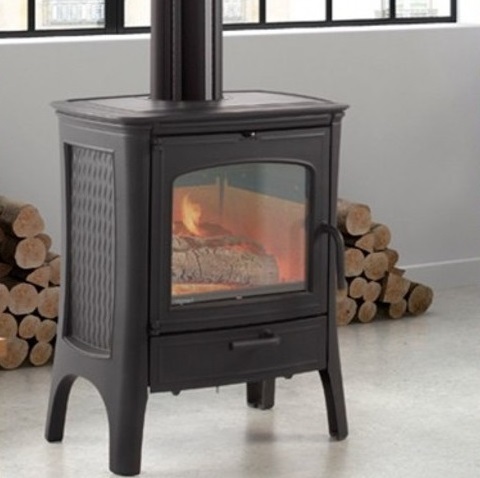
A wood heater can cut your winter heating bills significantly — but only if you choose the right output, style and flue setup. Here are the five decisions that separate a great purchase from an expensive mistake, plus a 2026 price guide from R5k to R70k.
A wood heater is one of the most practical investments a South African homeowner can make going into winter — but only if you buy the right one. With prices ranging from R5,000 for a basic steel unit to R70,000-plus for a full built-in installation, the gap between a smart purchase and an expensive mistake often comes down to five key decisions. Before you browse our freestanding wood-burning fireplaces, read this.
What Is a Wood Heater?
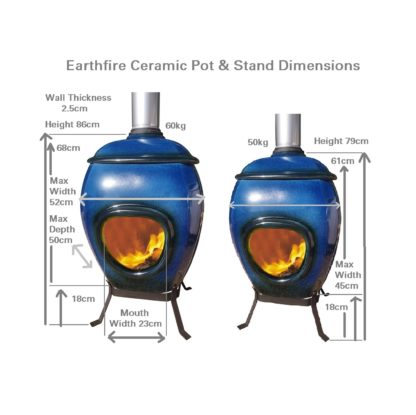
A wood heater is a closed or semi-closed combustion appliance that burns firewood to produce radiant and convective heat. Unlike a traditional open fireplace — which can lose up to 85% of its heat straight up the chimney — a modern wood heater captures combustion energy far more effectively, typically achieving 60–75% thermal efficiency. That means more warmth per log, lower fuel bills and less creosote accumulating in your flue.
The main types available in South Africa:
- Freestanding wood heaters — standalone units that connect to a flue pipe and can be positioned in virtually any room where a flue can exit through a wall or ceiling. The most popular and affordable option.
- Built-in insert wood heaters — recessed into a wall or existing fireplace cavity for a flush, architectural finish. Higher install cost but a cleaner aesthetic and better heat distribution.
- Multi-fuel heaters — designed to burn wood as the primary fuel, but also accept coal or peat where those fuels are more accessible or affordable.
5 Things to Know Before You Buy a Wood Heater
1. Output (kW) Determines What You Can Heat
The most important number on any wood heater’s spec sheet is its kilowatt (kW) output. Here’s a practical guide for South African homes with standard insulation:
- 5–7 kW — suitable for rooms up to approximately 35 m²
- 8–12 kW — medium to large open-plan living areas, 35–70 m²
- 13–20 kW — very large spaces, double-volume rooms, or open-plan homes where you want heat to push into adjacent areas
Coastal properties in Cape Town and along the Garden Route typically need slightly less output than Highveld homes, where July nights are genuinely cold and dry. A 7 kW unit that comfortably heats a Bloubergstrand lounge can feel underpowered in Johannesburg come mid-winter. When in doubt, size up — a heater running at 60–70% of its rated capacity lasts longer, burns cleaner, and produces fewer emissions than one being pushed to its limits every session.
2. Freestanding vs Built-In — Which Suits Your Home?
Before committing to a style, read our detailed guide on choosing between freestanding and built-in fireplaces. The short version:
Freestanding wood heaters are easier and less expensive to install — no wall-cutting, no structural work — and they can be moved if you relocate. They suit rental properties, sectional title units with roof access, and any home where budget and speed matter. Built-in insert models — see our built-in fireplace range — deliver a sleeker, more architectural finish and can be set into a custom surround for a genuine feature-wall effect. They cost more upfront but tend to add more perceived value to the home.
3. The Flue Is Not an Afterthought
Your wood heater is only as effective as the flue that evacuates its combustion gases. A poor flue causes three problems: weak draft (meaning a smoky room), excessive creosote build-up (a genuine fire hazard), and a Certificate of Compliance that won’t pass inspection. Browse our flues and flue systems for what’s available and why specification matters.
South African installation standards require that a flue terminal:
- Terminate at least 600 mm above the point where it penetrates the roof
- Clear any ridge or obstruction within 2.4 m by at least 300 mm
- Use correctly rated materials — twin-wall insulated pipe for external runs where heat loss is greatest, single-wall for internal runs where the heat helps drive draft
Professional installers calculate flue height and diameter based on your heater’s kW output and the home’s specific geometry. Cutting corners here is one of the most common installation mistakes — and one that can void your insurance. For a full cost picture, see what fireplace installation costs in South Africa.
4. Closed Combustion vs Open Fireplace
An open wood fireplace looks dramatic but delivers only about 15–20% of its heat into the room — the rest exits up the chimney. A closed-combustion wood heater, with its sealed glass door and adjustable primary and secondary air controls, pushes that efficiency to 60–75%. The secondary air-wash system keeps the glass clear so you still see the flames, but you’re heating with radiant metal and convected air rather than losing energy to an open chimney draw. For anyone buying a wood heater as a primary heat source, closed combustion is the only sensible choice.
Browse our full fireplace collection to compare the closed-combustion range. For a side-by-side numbers comparison, our article on comparing gas and wood-burning running costs puts the monthly spend in perspective.
5. Firewood Quality Makes or Breaks Your Experience
Dried hardwood — rooikrans, bluegum and black wattle are the most widely available in the Western Cape — runs R350–R600 per 40 kg bag retail in 2026. A 7 kW heater burning for four hours an evening consumes roughly 5–8 kg of wood per session, which translates to R50–R120 per night depending on your supplier and the season. That’s substantially cheaper per heating hour than LPG gas at current retail prices.
The critical variable is moisture content. Green (unseasoned) wood produces roughly half the heat of properly dried wood, twice the smoke, and dramatically more creosote in your flue — which means more sweeping, more risk and more cost. Buy seasoned hardwood from a reputable supplier, or season your own logs for at least 12 months after cutting. The South African Bureau of Standards (SABS) publishes guidance on fuel quality requirements for solid-fuel appliances.
Wood Heater Prices in South Africa (2026)
Here’s a realistic breakdown of what different budgets buy in the current market. These are supply-only prices for the heater unit; add R5,000–R15,000 for professional fireplace installation depending on flue length, complexity and site access.
| Budget | What You Get |
|---|---|
| R5,000–R9,000 | Basic steel freestanding heater (6–8 kW). Single air control, standard glass door. Reliable warmth for a bedroom or small lounge — a solid entry point for first-time buyers. |
| R10,000–R20,000 | Mid-range cast iron or steel unit (7–12 kW) with secondary combustion, 70%+ efficiency and a proper air-wash system. Brands like Northern Flame and comparable SA-assembled units sit in this bracket. |
| R21,000–R40,000 | Premium European models — Kratki, Rais, Hydrofire and similar — with 10–18 kW output, pedestal or plinth options, high-gloss enamel or soapstone cladding and 5-year warranties. Worth the investment if you’re heating daily for five to six months a year. |
| R40,000–R70,000+ | Full built-in installation with custom fireplace surround, 304-stainless flue liner, bespoke hearth, professional installation and a CoC issued. The architectural-feature option for a long-term home. |
Browse our freestanding fireplace range for current supply pricing across the models we stock and install. For help narrowing down the right fit, read our guide to choosing the right fireplace for your home.
Frequently Asked Questions
How much does a wood heater installation cost in South Africa?
Expect to pay R5,000–R15,000 for installation on top of your unit cost. Simple installs — a short internal flue run, single-storey home, no structural work — land at the lower end. Multi-storey homes, external flue runs, or installations requiring additional brickwork push toward R12,000–R15,000. Always get a written quote that itemises the flue separately from the labour so you can compare accurately.
How do I work out how many kW I need?
A quick starting formula: multiply your room’s floor area (m²) by 0.15–0.20 to get an approximate kW requirement. A 45 m² open-plan living room needs roughly 7–9 kW. Add 15–20% if your ceilings are above 2.7 m or the space is poorly insulated. Your installer should always do a proper heat-loss calculation before specifying a unit — it takes ten minutes and prevents an expensive sizing mistake.
Can I use a wood heater during load-shedding?
Yes — completely. This is one of the biggest selling points for South African buyers right now. A wood heater requires zero electricity to operate. No ignition system, no mandatory fan, no control board. Even at Stage 6, your wood heater works exactly as normal. Some premium models with convection fans offer battery-backup options, but the combustion itself is entirely grid-independent. It’s heat that doesn’t care what Eskom is doing.
Do I need a Certificate of Compliance (CoC) for a wood heater installation?
Yes, and it matters. Any solid-fuel appliance installation that involves a flue penetrating a wall or roof requires a CoC from a registered installer. Your home insurer may decline a fire-related claim if the installation is uncertified. Reputable installers issue a CoC automatically on completion — if a quote doesn’t mention it, ask before signing anything.
A well-chosen wood heater can pay for itself within two or three winters compared to gas or electric heating — and unlike those options, it keeps working when the power goes out. Request a free installation quote and get an accurate supply-and-install price for your home.
Related reading
- Can You Install a Fireplace in an Existing Home? Yes — Here's How
- Combustion Fireplace Installation: How It Works, Costs & Compliance
- Need it done professionally? See our fireplace installation in Cape Town service.
Planning this kind of work?
Call or WhatsApp with your suburb and photographs. Fire Flames can discuss your fireplace, braai or home project and quote.
Get A Quote →