Annual Chimney Sweep
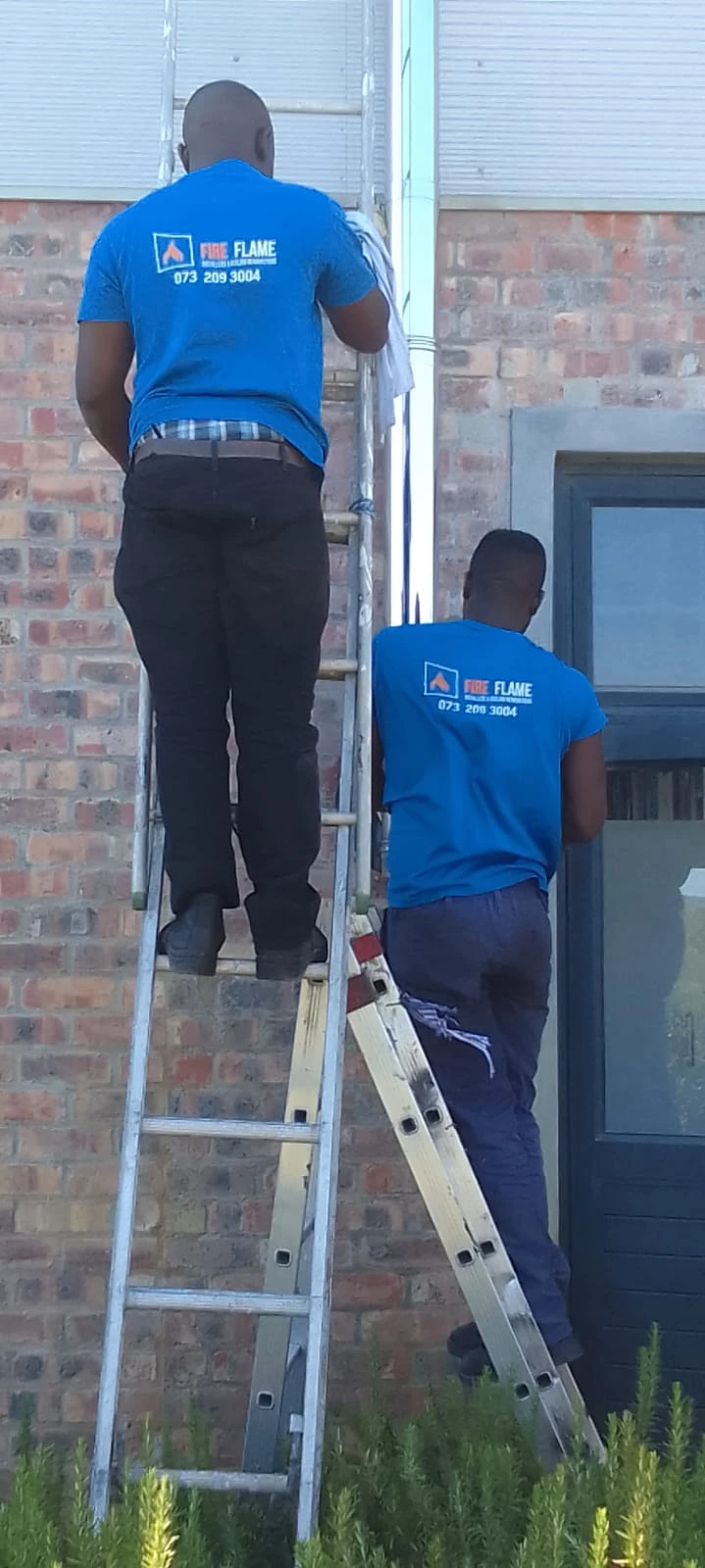
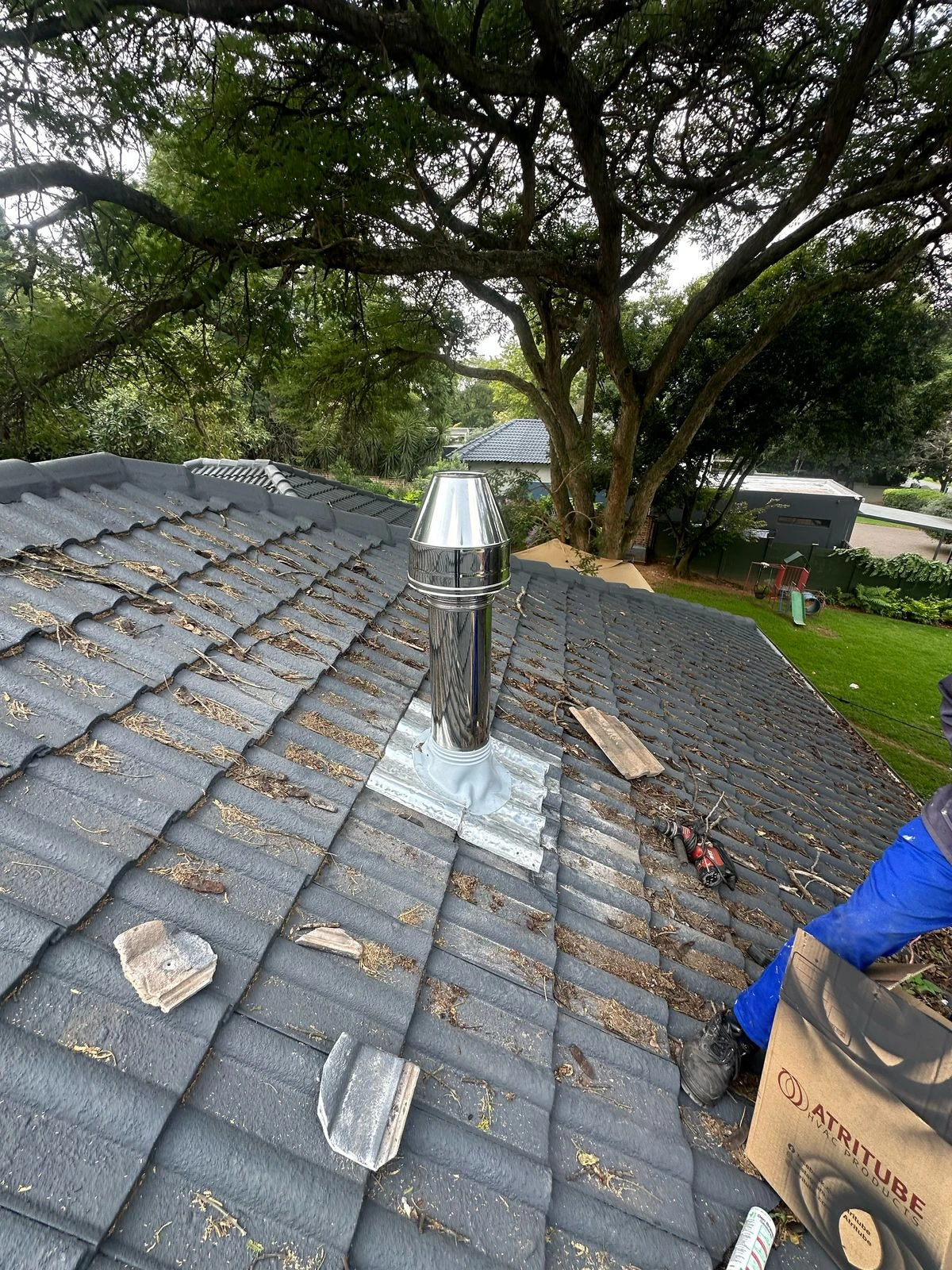
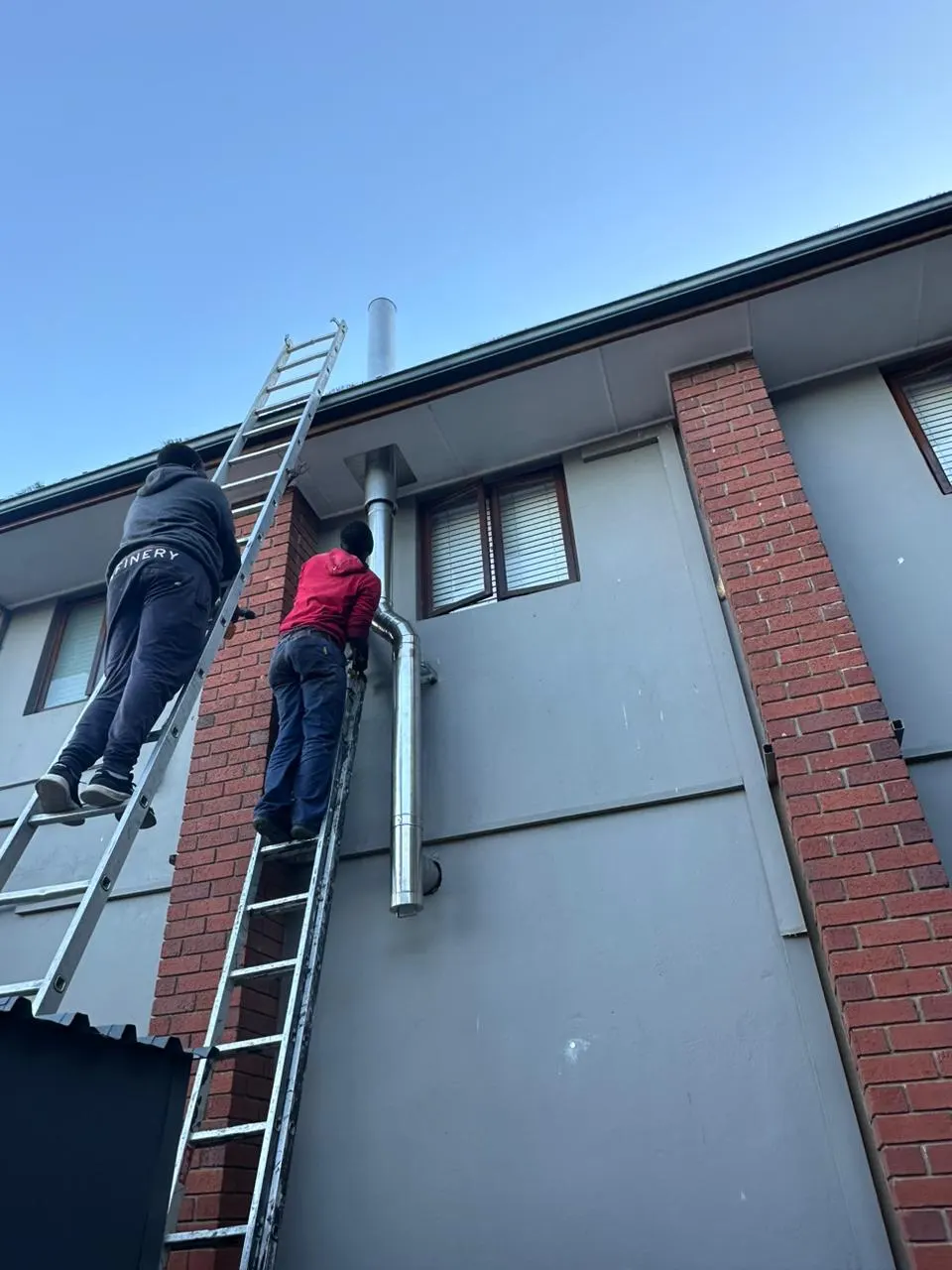
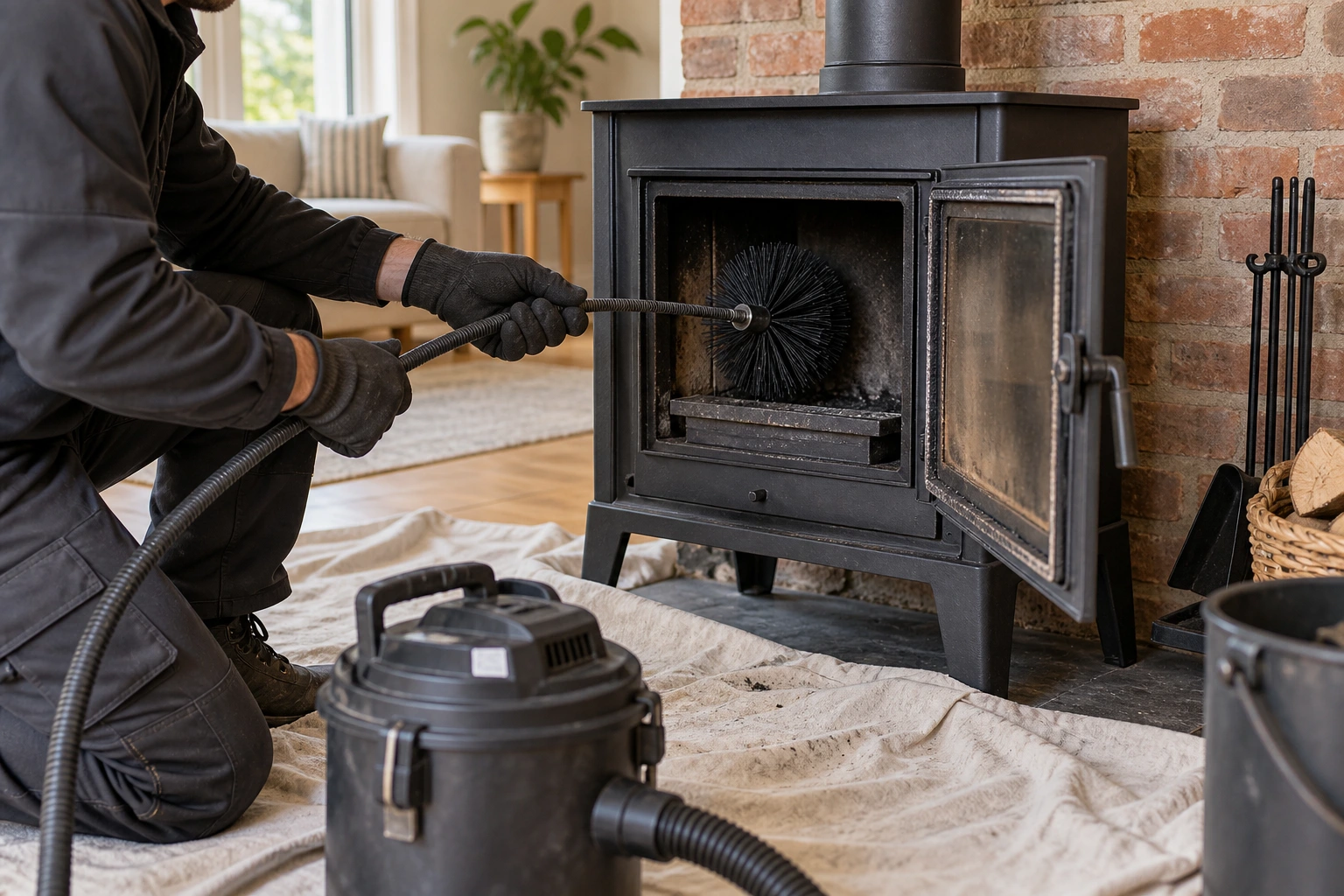
- Full-length rotary sweeping
- Vacuum extraction, no mess
- Soot and creosote removal
- Firebox and grate cleared
- Written condition report
- Booked before winter
Annual chimney sweeping and inspection across Cape Town. Soot and creosote removal, bird nest clearing, spark arrestor checks and a written condition report.
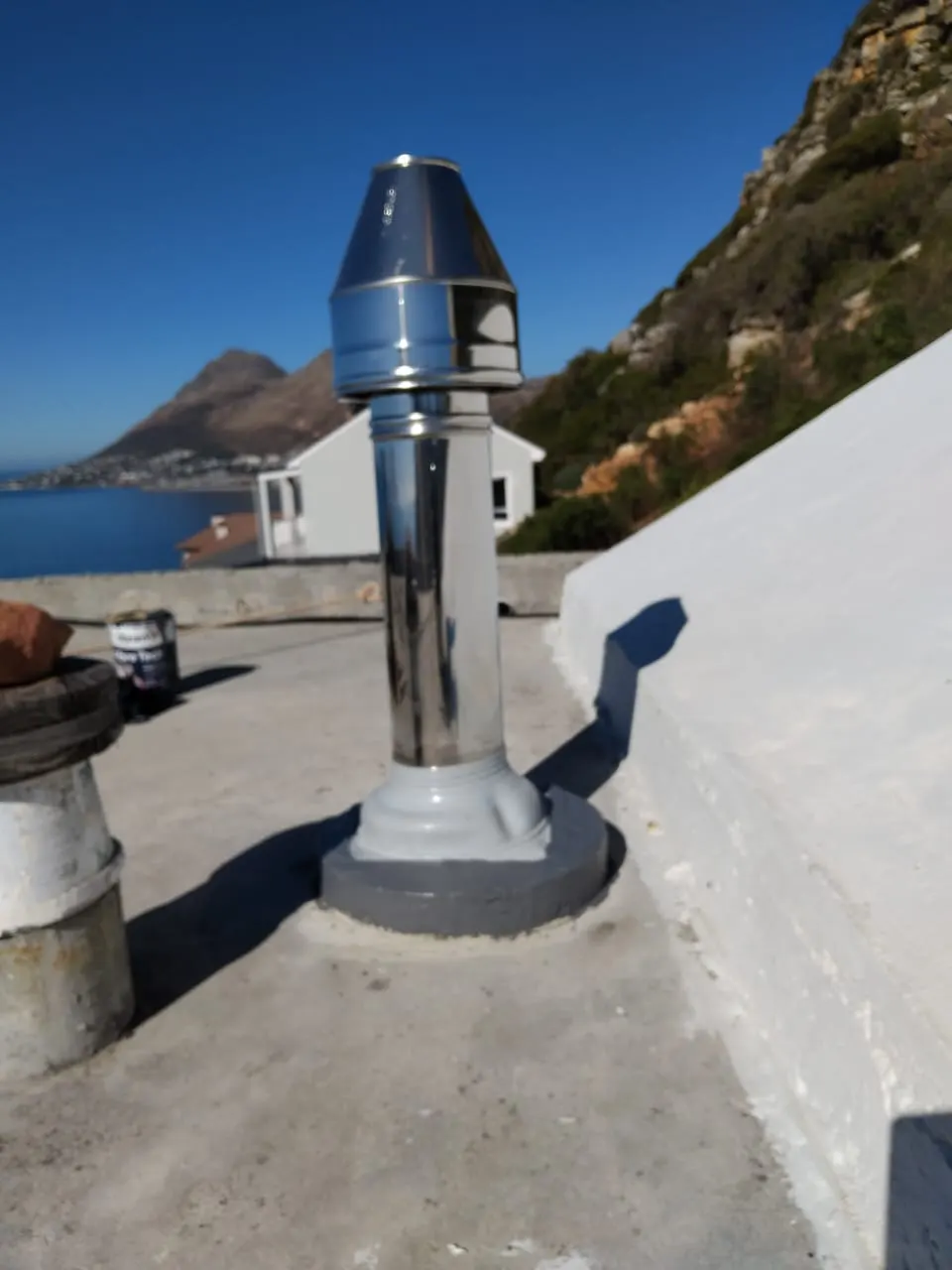
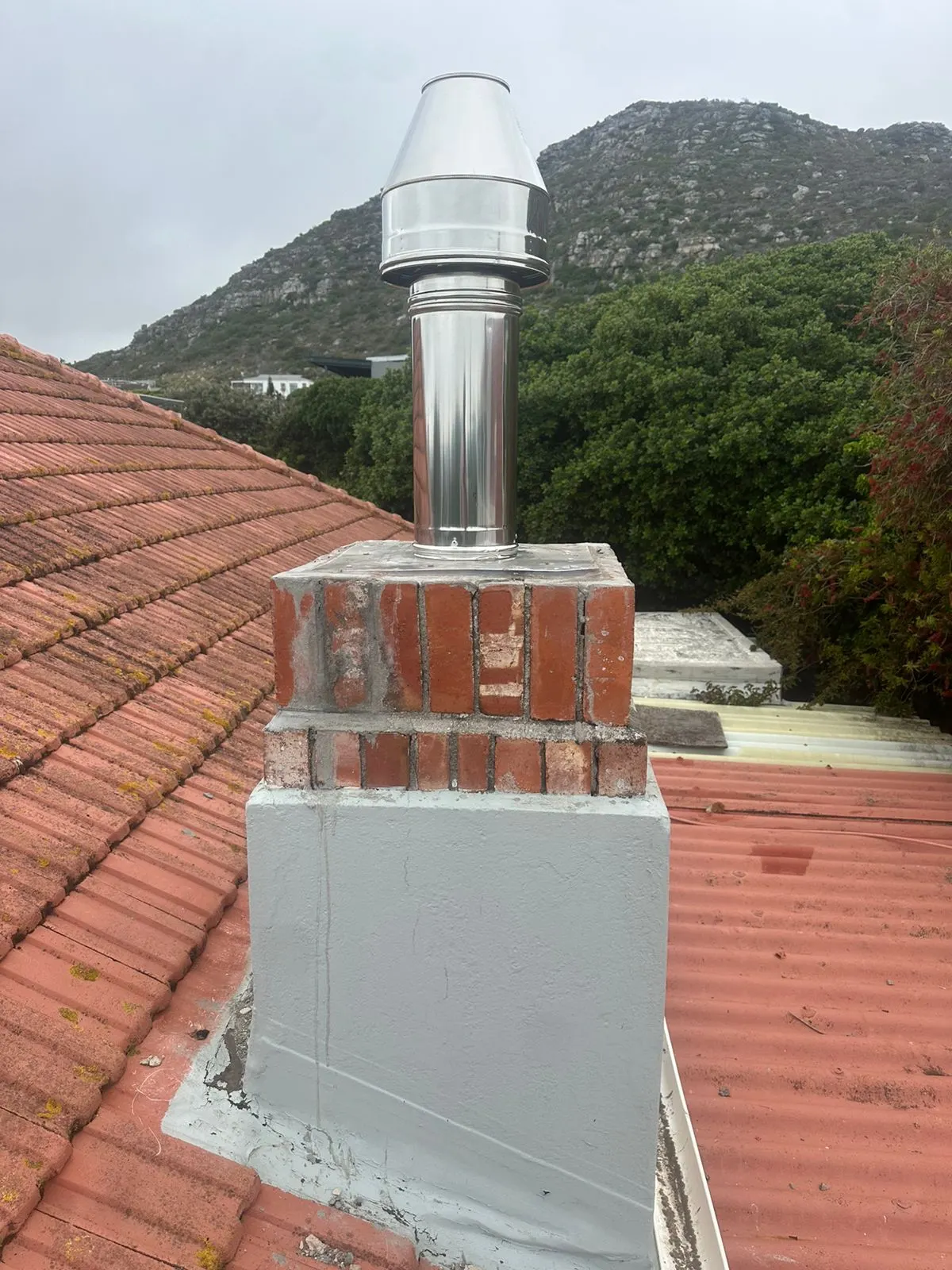
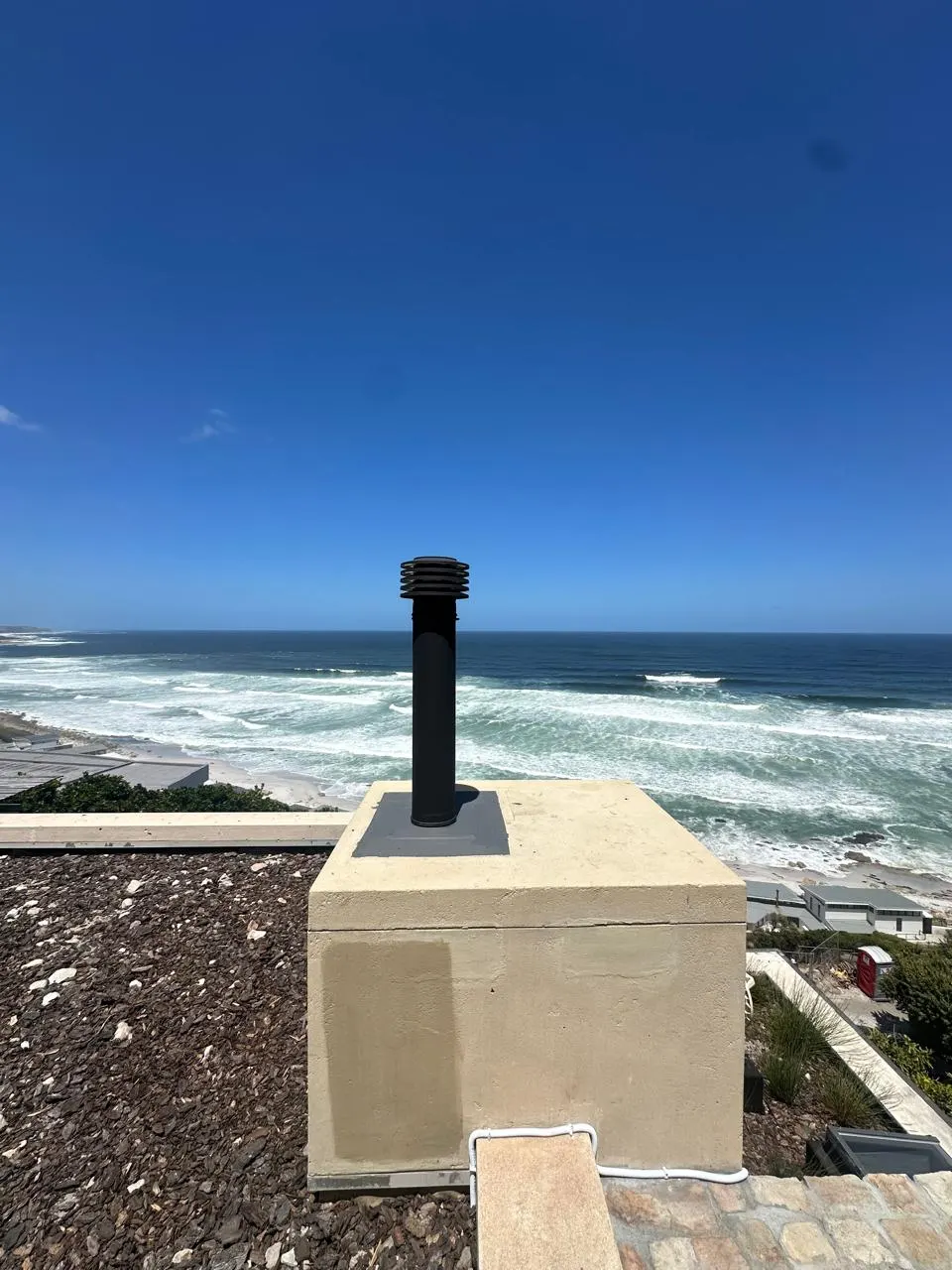
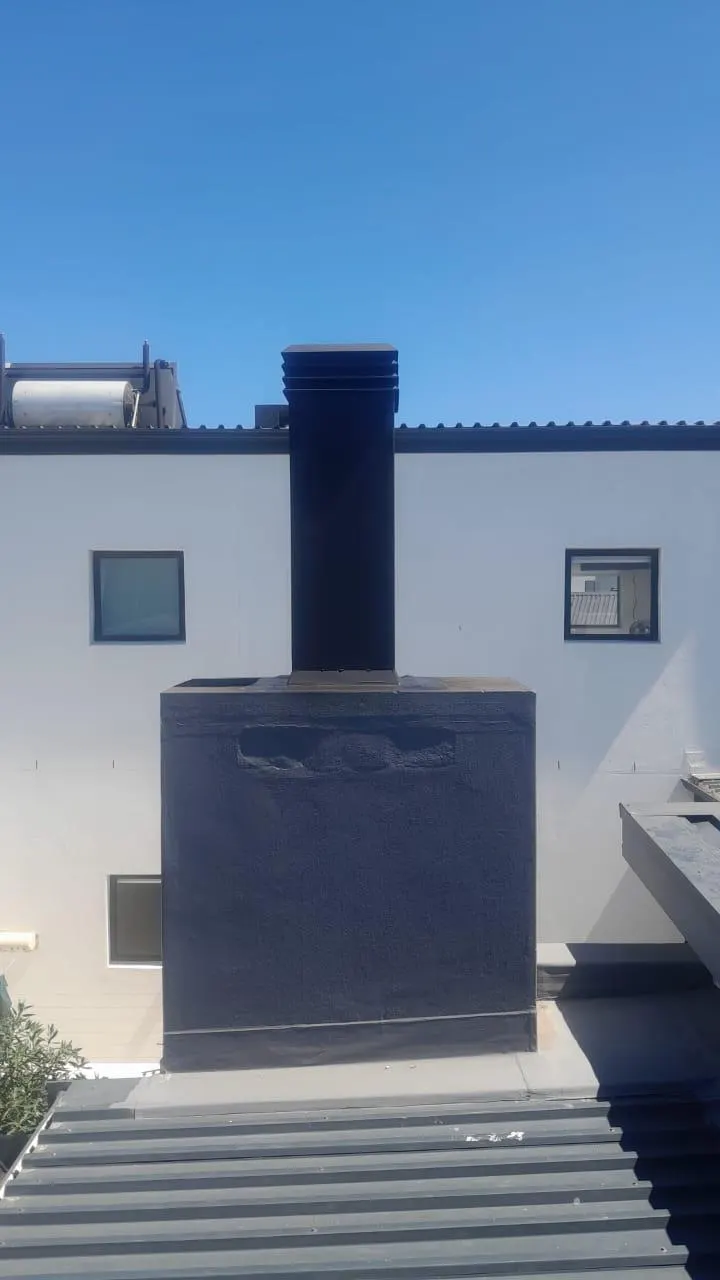
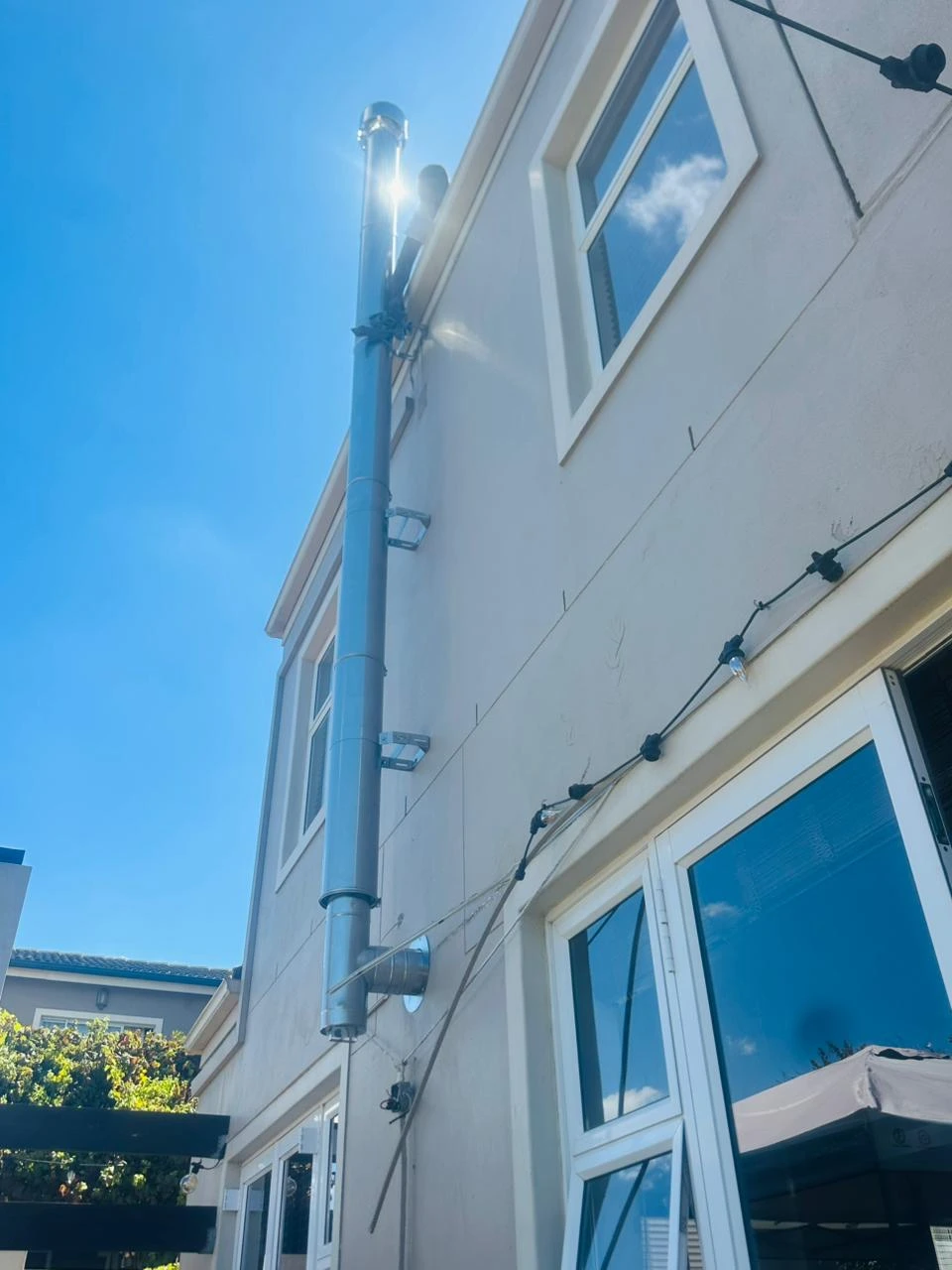
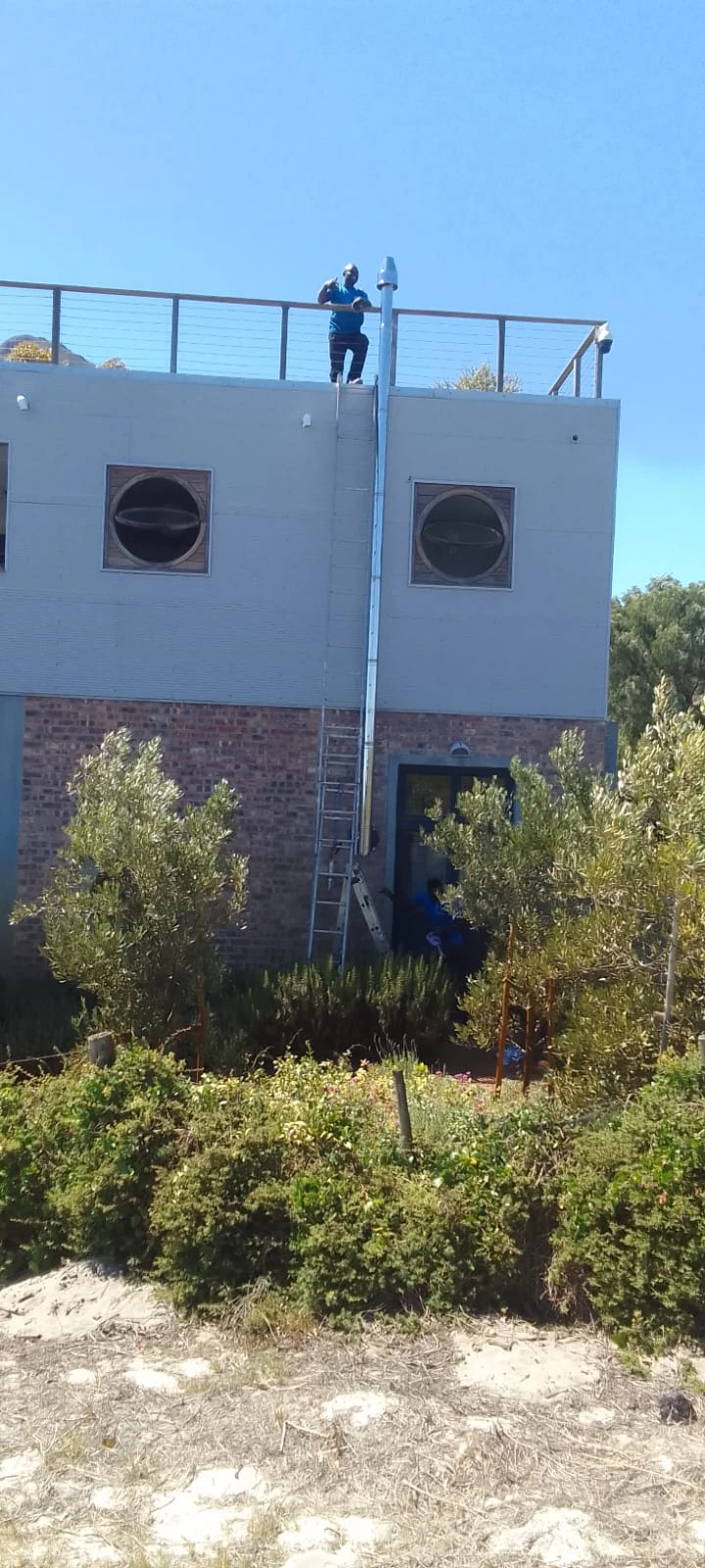
Creosote is the tar that condenses inside a flue when wood burns cooler than it should, and it is flammable. A season's build-up is the single most common cause of chimney fires, and a chimney fire is exactly the sort of claim an insurer will scrutinise.
A sweep is not only about safety. A clean flue draws properly, which means the fire lights easily, burns hotter, uses less wood and stops blackening the glass. Most Cape Town homes need one sweep a year, before winter. Homes that burn a lot of wood, or wood that is not fully seasoned, are better served twice.
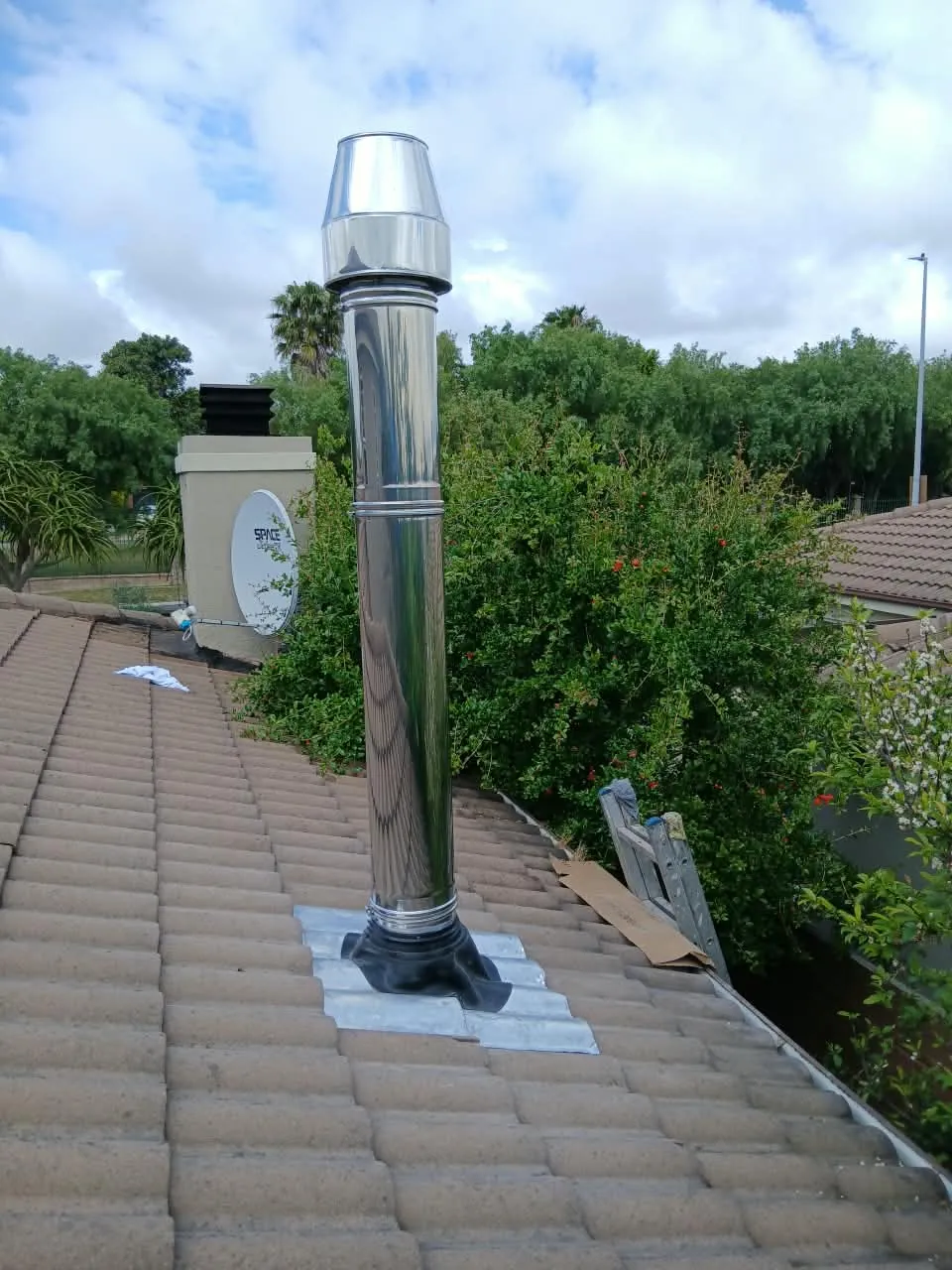
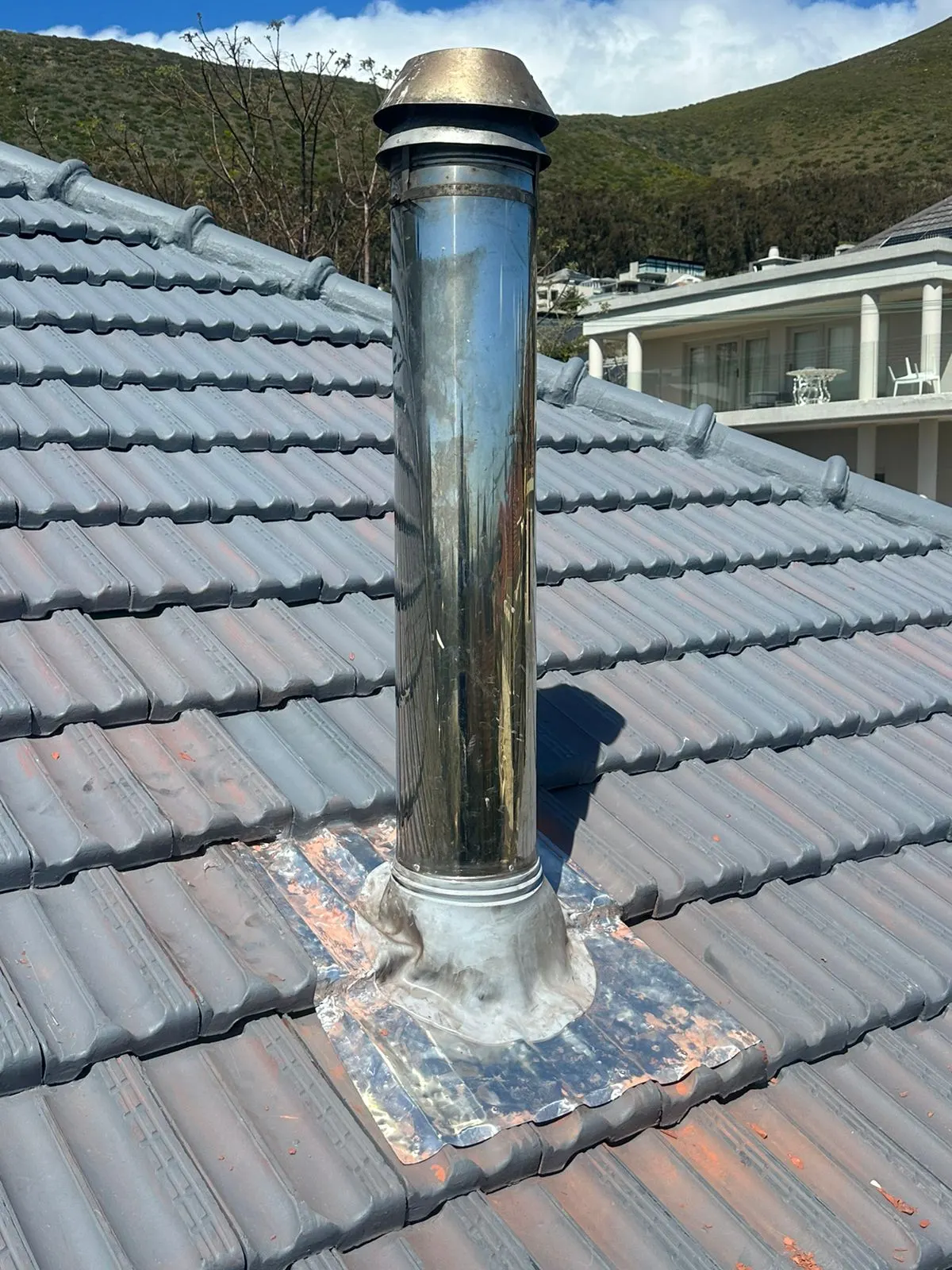
Honest working ranges from recent jobs. Every project is different, so we quote the exact figure before anything starts.
| Item | Typical price |
|---|---|
| Standard chimney sweep and inspection | R950 – R1,800 |
| Sweep with written condition report | Included |
| Bird nest or blockage removal | R1,200 – R3,200 |
| Spark arrestor or cowl fitment | R1,800 – R4,500 |
| Chimney relining (older masonry chimneys) | from R8,500 |
Price depends on flue length, access and how much build-up there is. Guesthouses and estates booking several units in one visit are quoted per property.
Get my free quote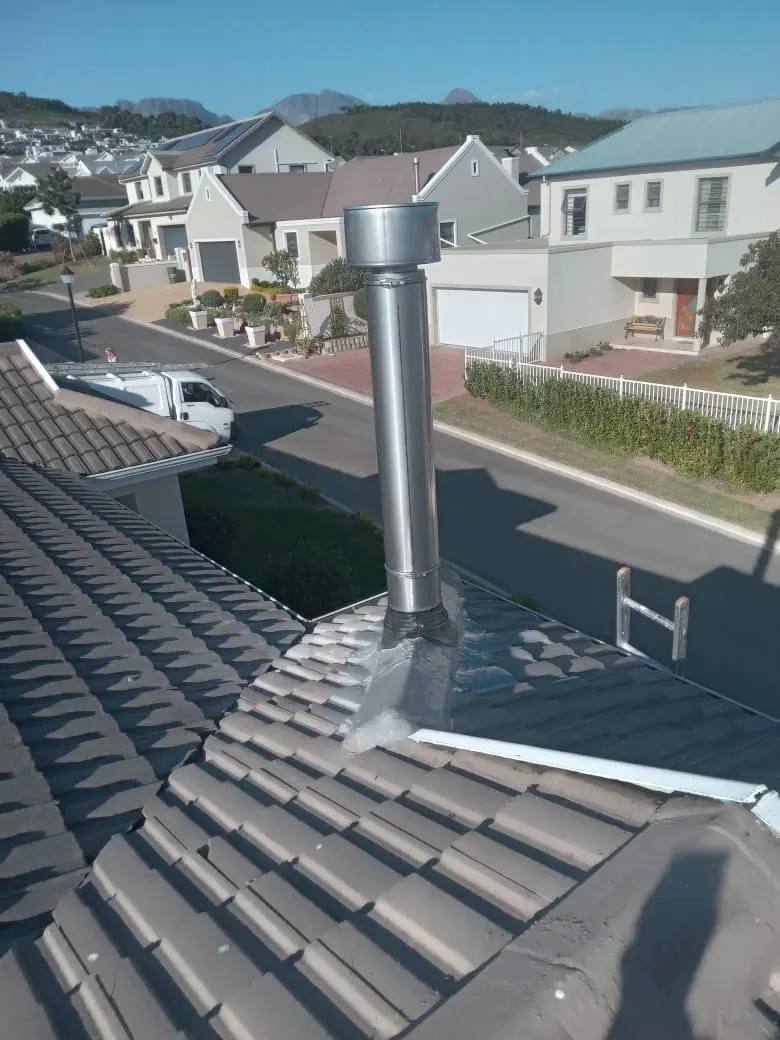
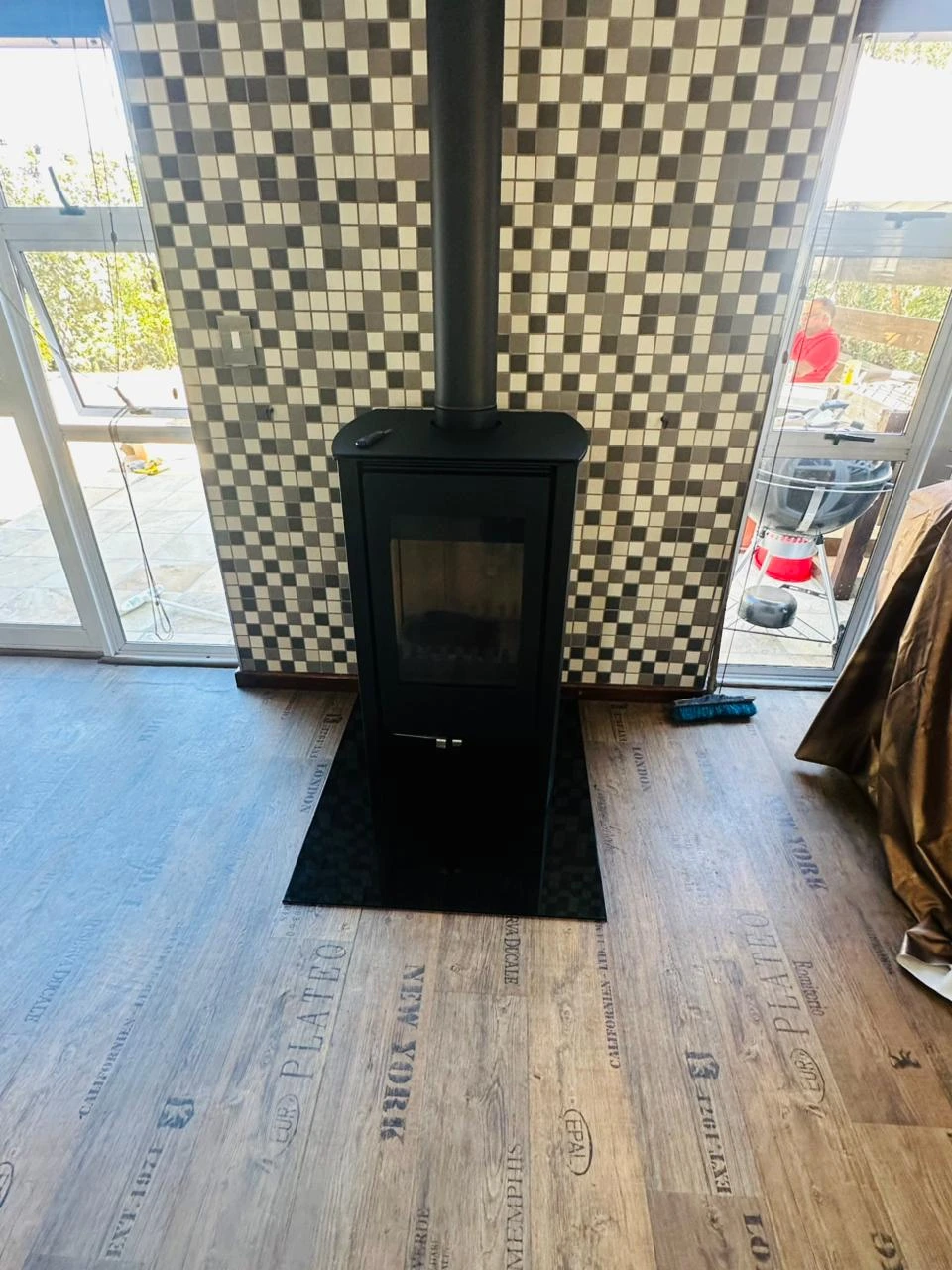
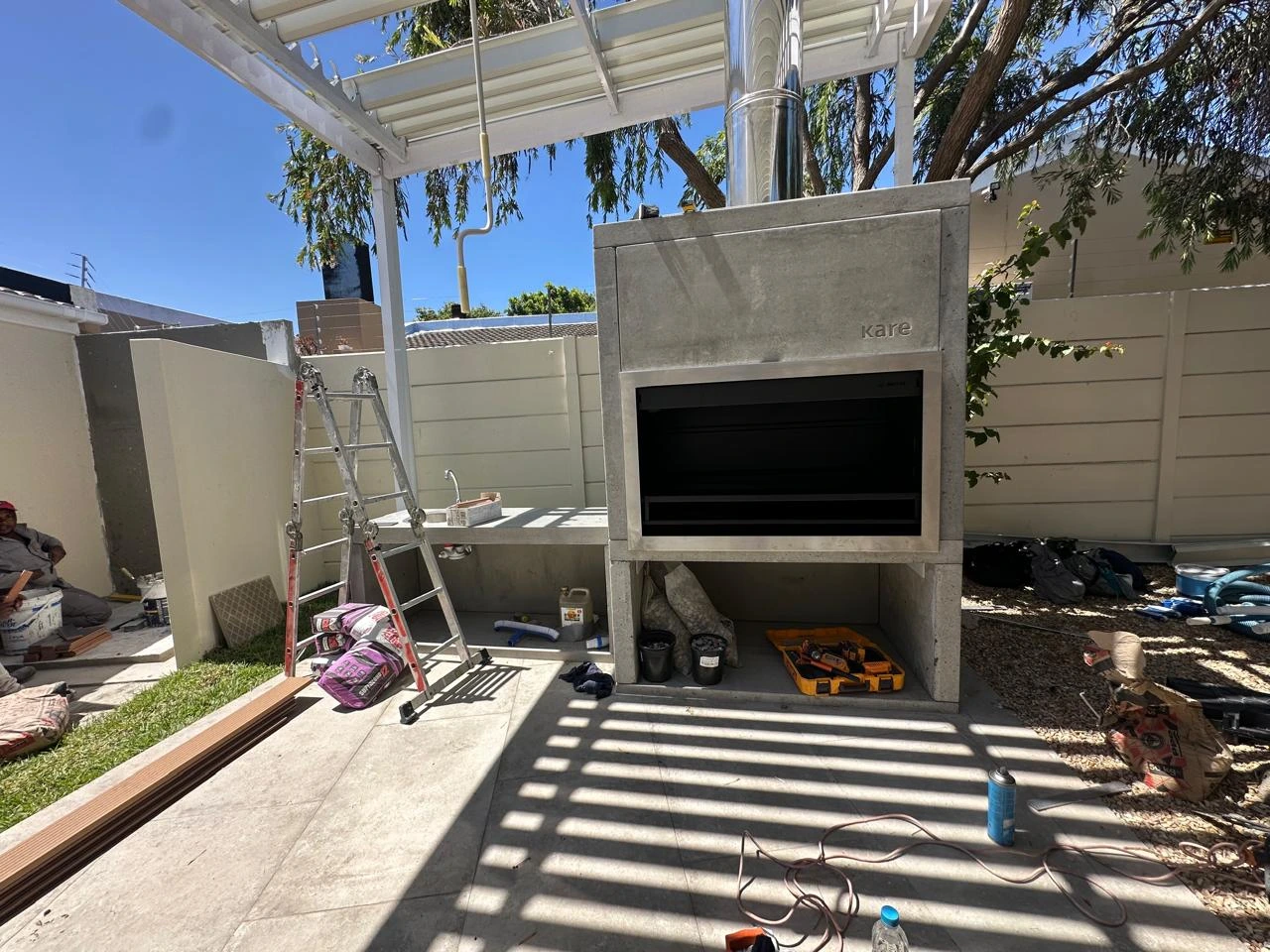
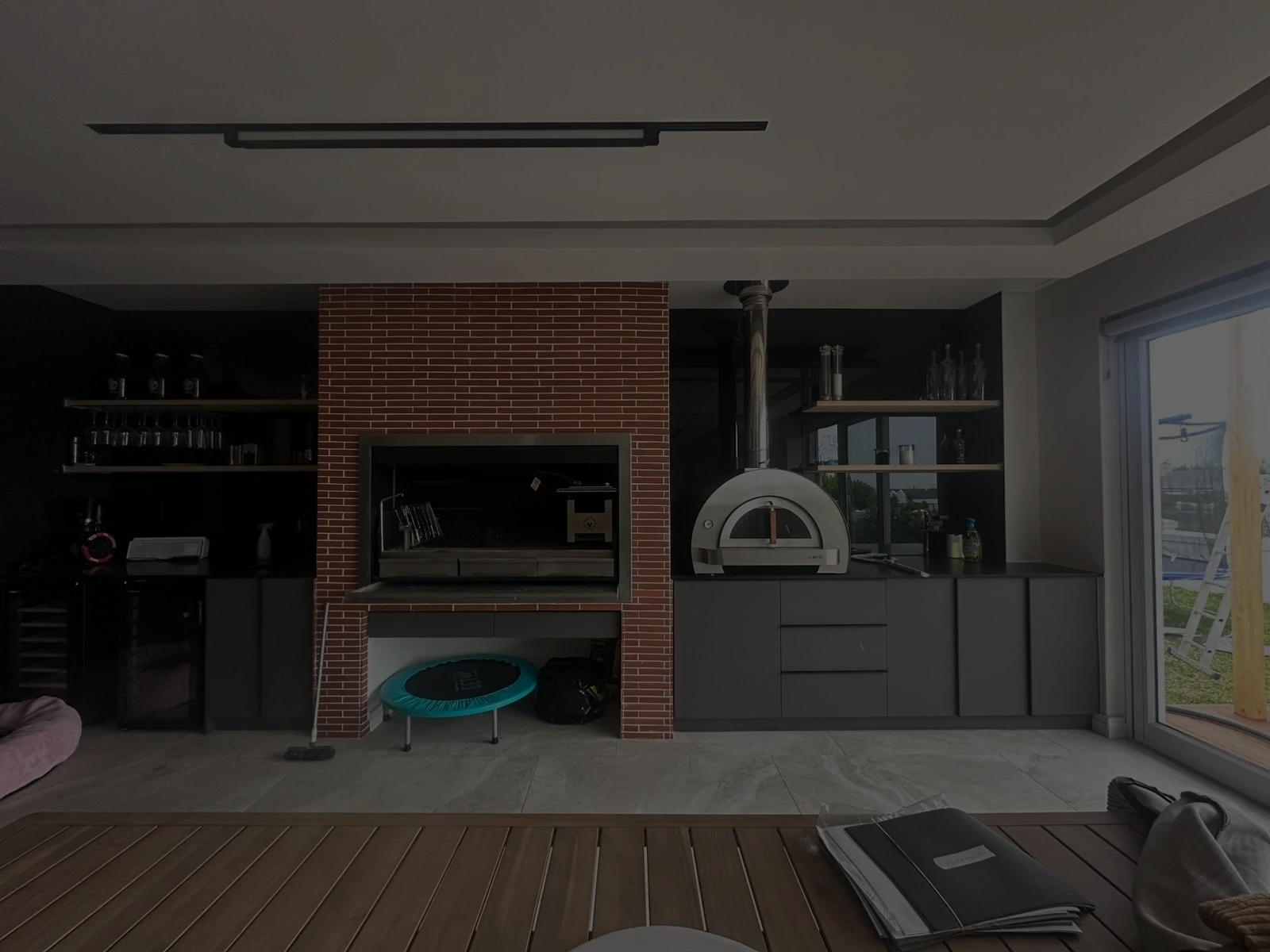
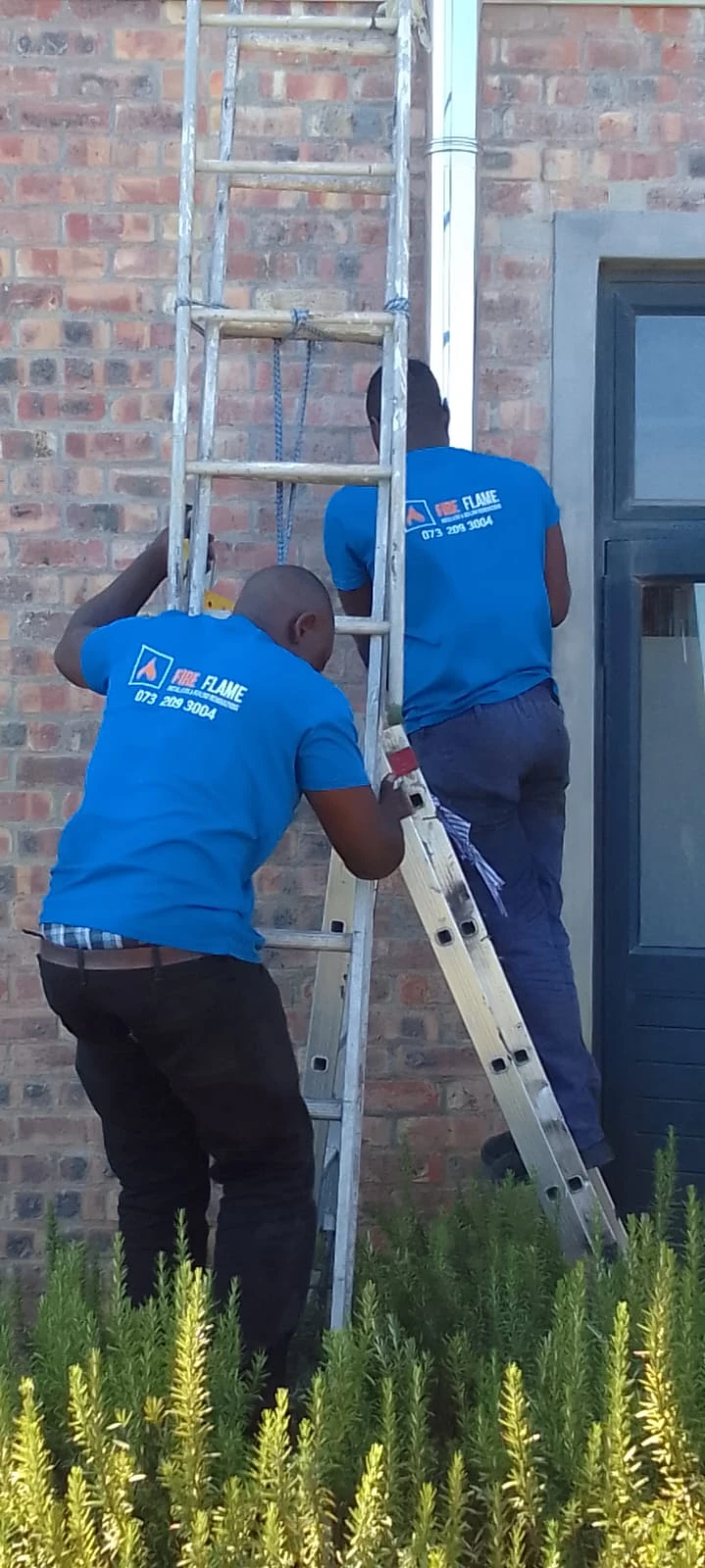
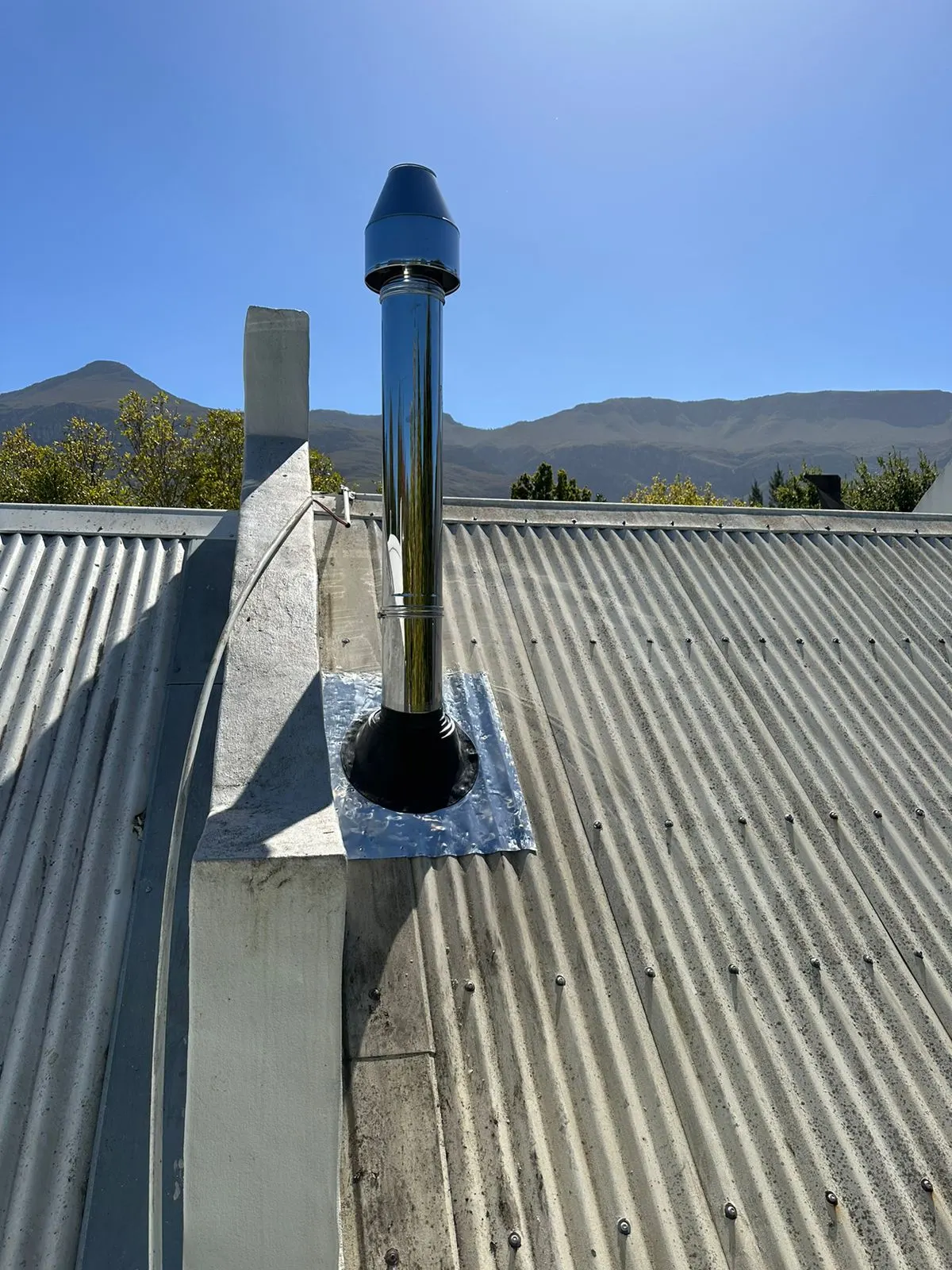
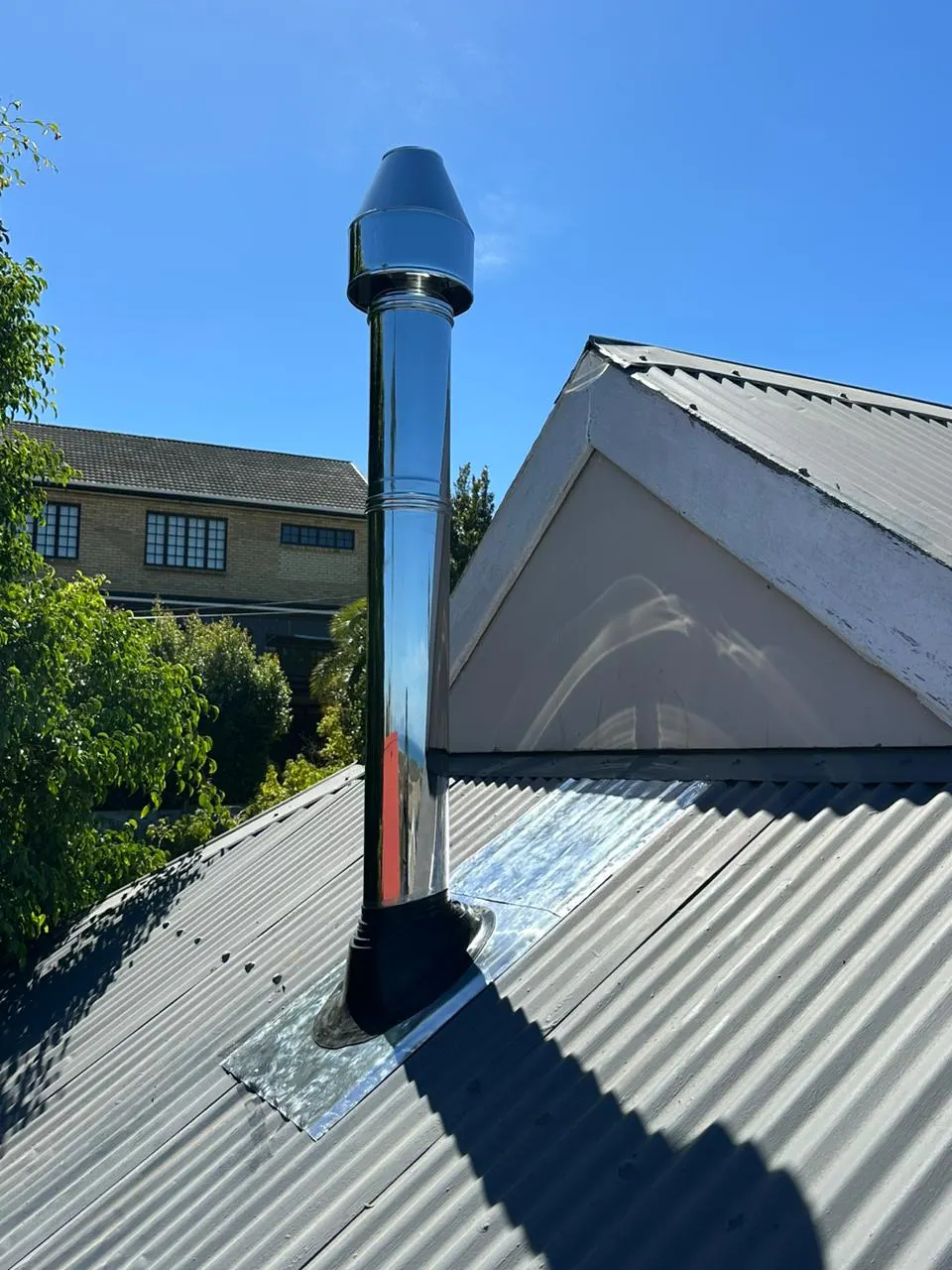
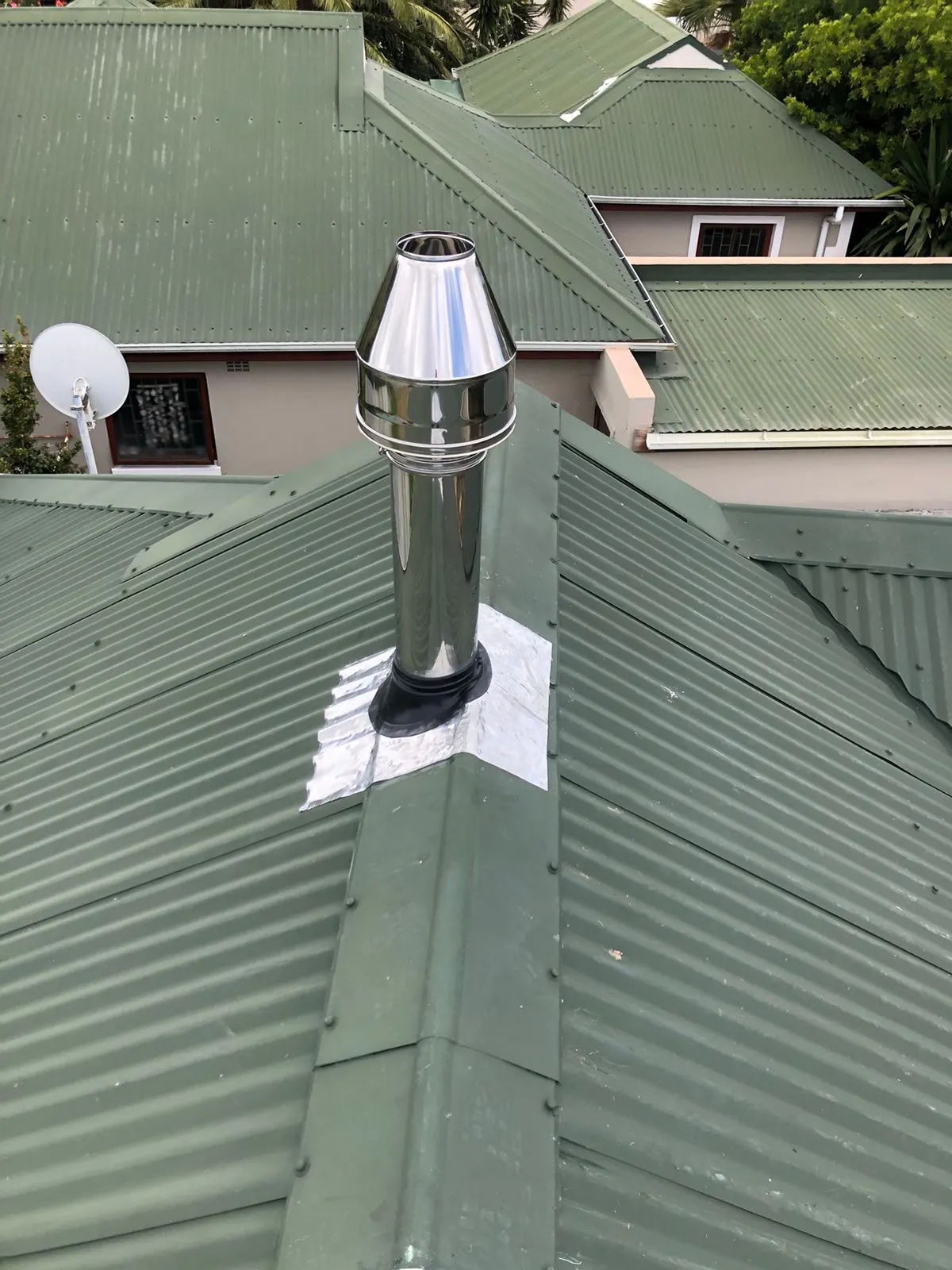
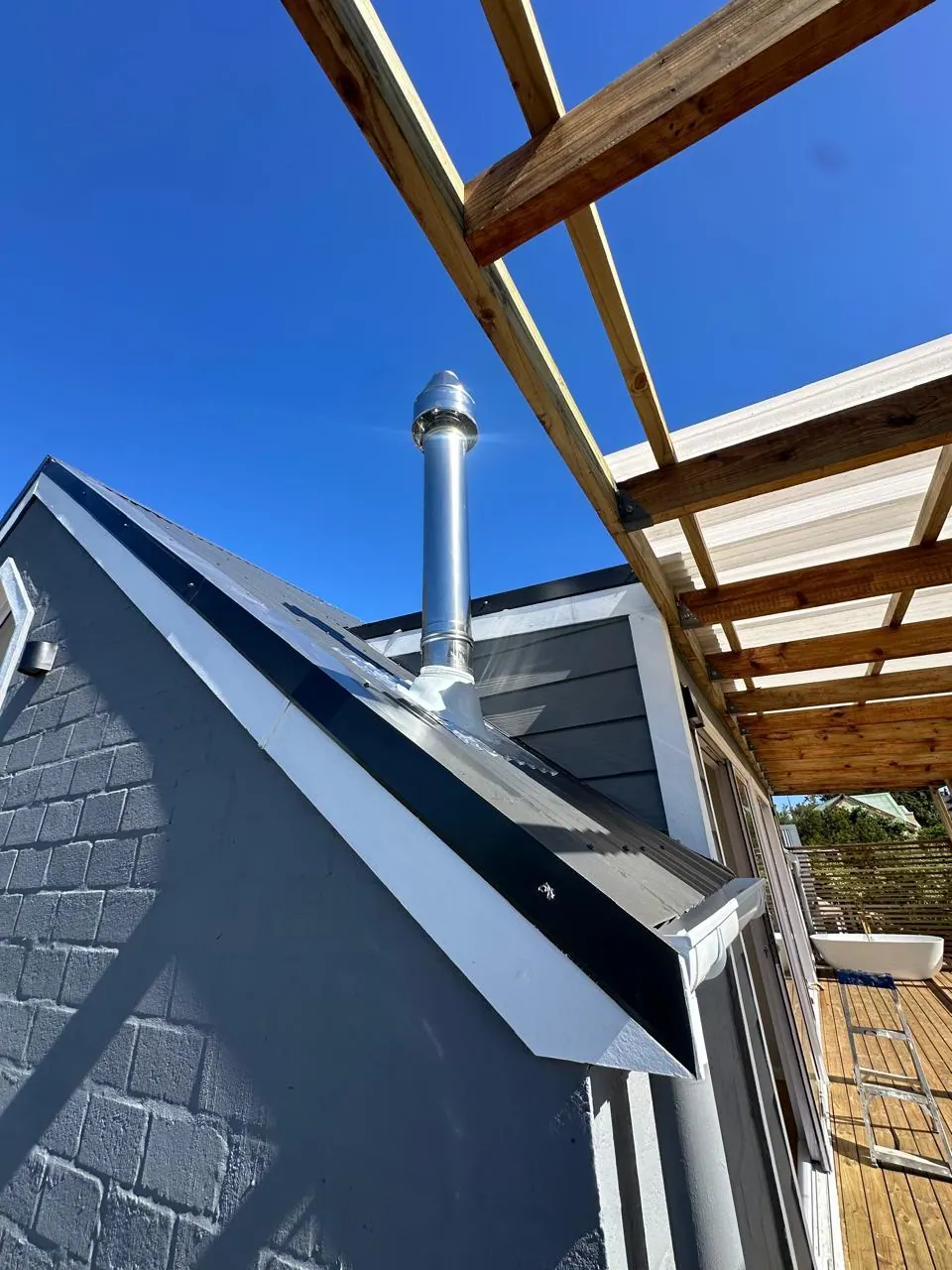
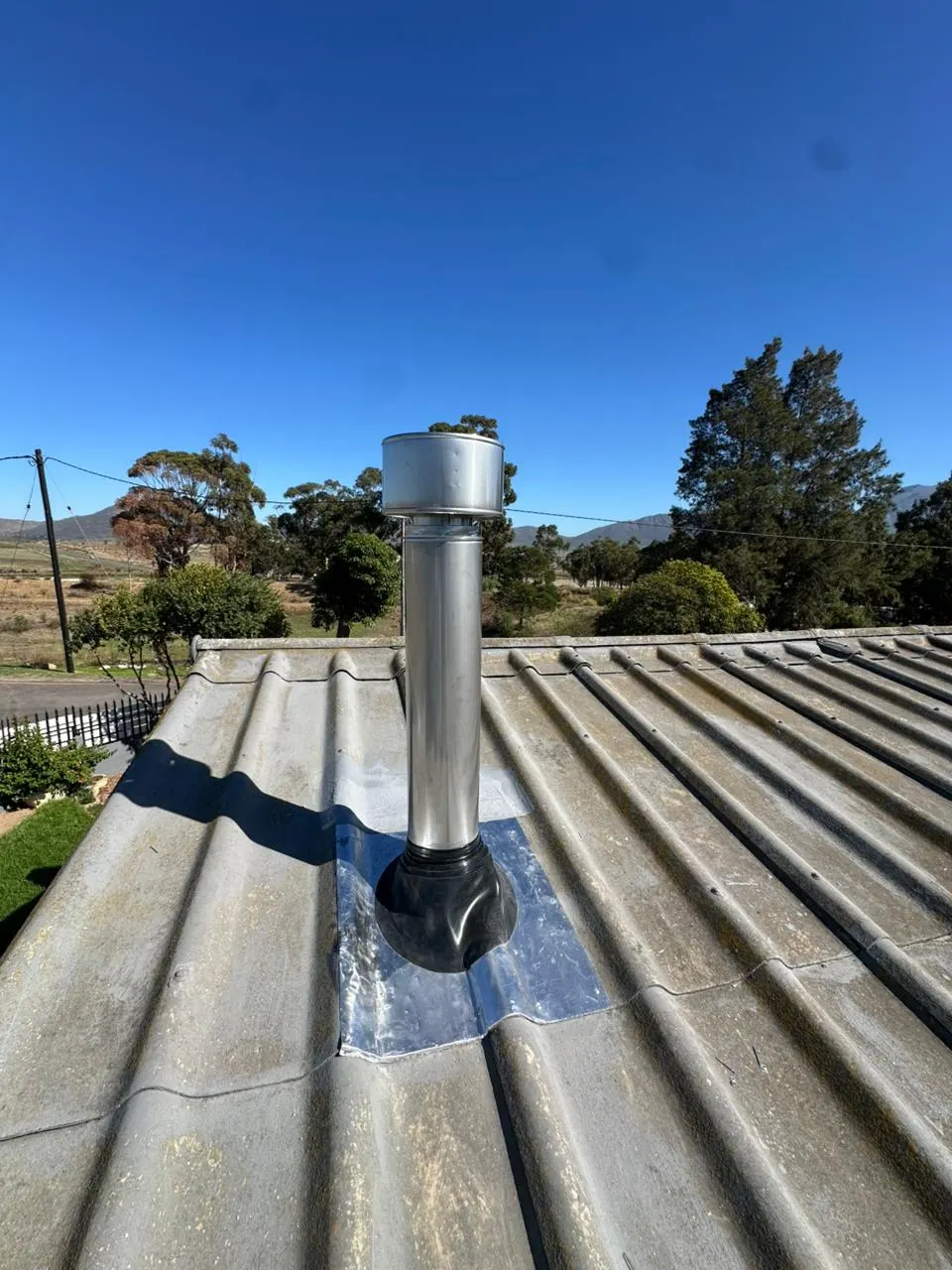
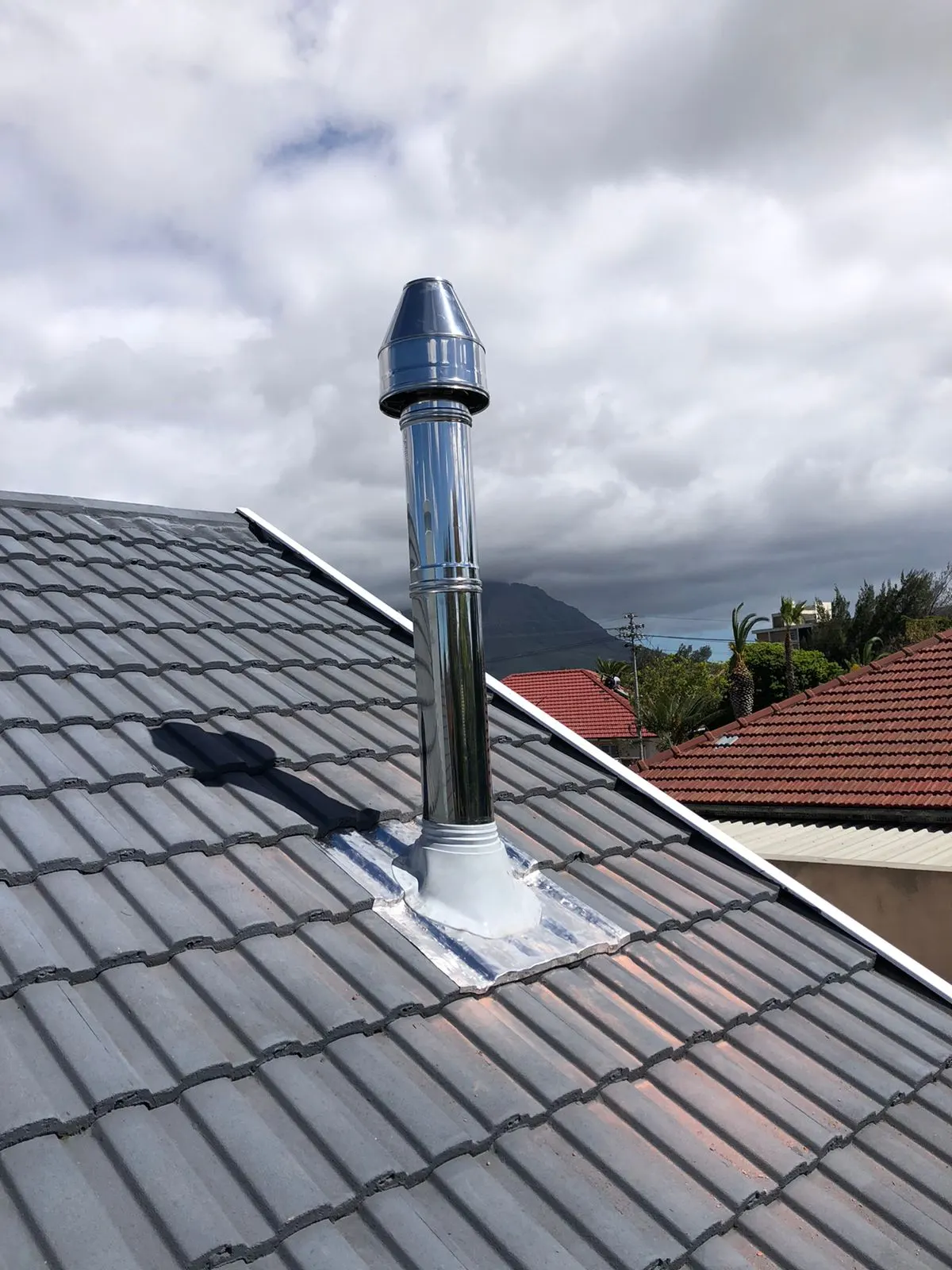
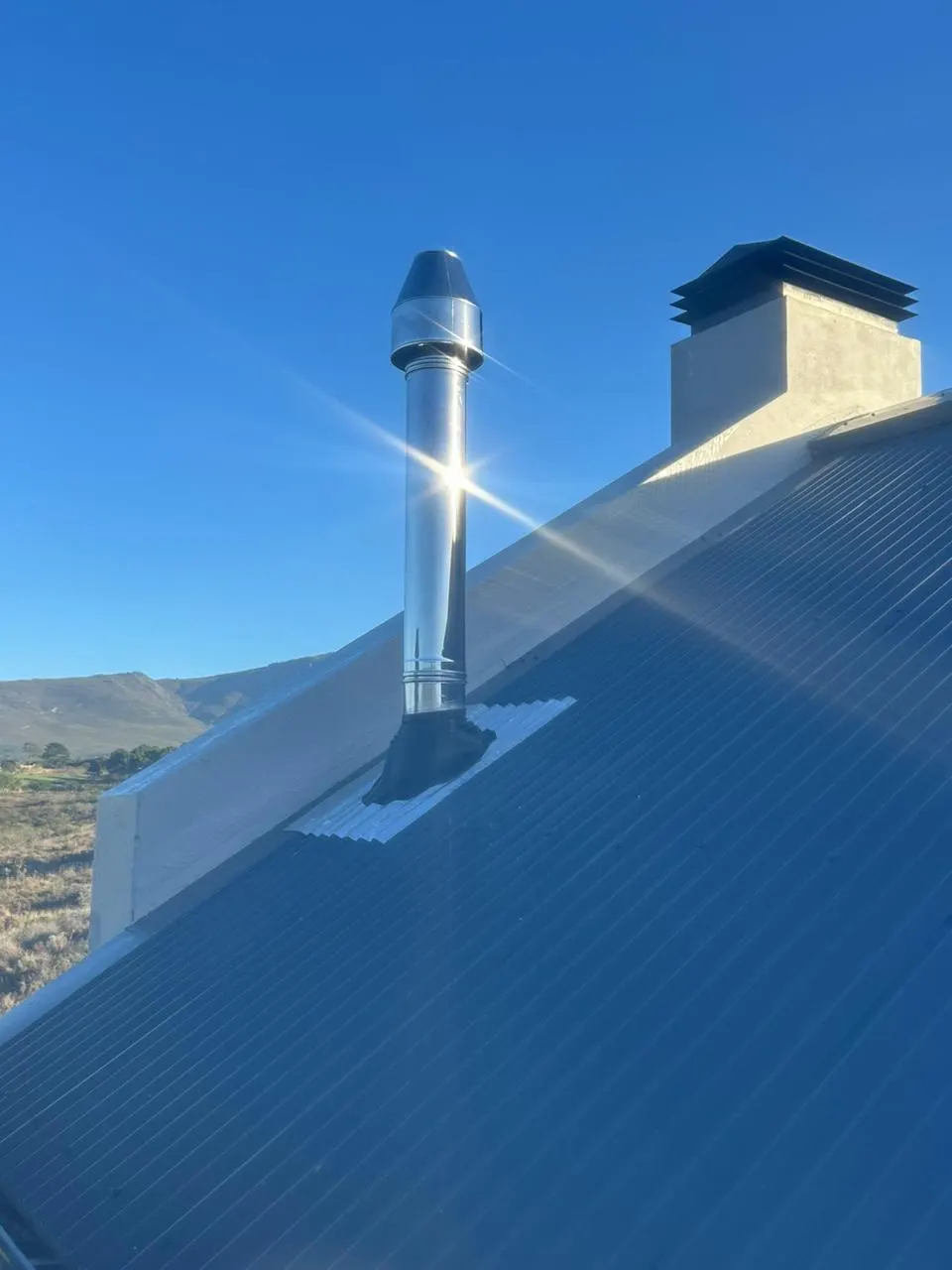
Real chimney and flue jobs from recent Cape Town homes, photographed on site.
Tell us the room size and we will shortlist the right unit with an installed price.
Smoke entering the room when you light the fire. Glass blackening within an hour. A fire that will not get going without the door ajar. A tarry smell in the room on damp days. Visible debris or nesting material falling into the firebox.
Birds nest in unused flues every spring, and an unswept chimney after a summer of disuse is the most common reason a fireplace will not draw on the first cold evening of the year.
Once a year for most homes, before winter. If you burn a lot of wood, or wood that is not fully seasoned, twice a year is safer because creosote builds up faster at lower burn temperatures.
No. We sheet the hearth and surrounding floor and sweep with vacuum extraction, so the soot goes into the machine rather than into the room.
Yes. Every sweep includes a written condition report covering the flue, the unit, the seals and the cowl. Insurers routinely ask for it after a chimney fire.
Usually a summer of disuse plus spring nesting. Birds nest in unused flues every year, and an unswept chimney holds a season of creosote. Both restrict the draw.
Gas units do not build creosote, but the flue and terminal still need inspection for blockage and corrosion, and the appliance itself should be serviced. We check both as part of a gas service.