
7 Reasons to Choose a Wood Burning Stove Fireplace Over a Standard Hearth
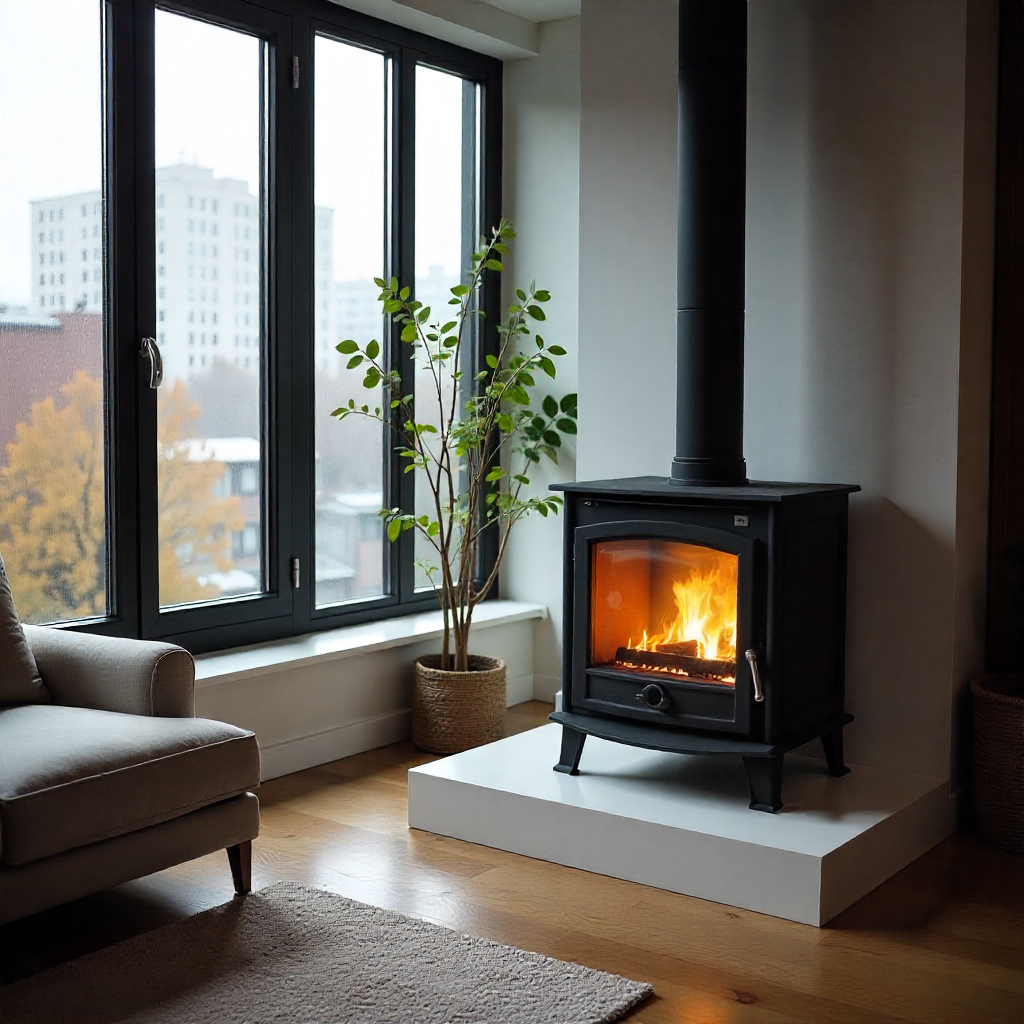
A wood burning stove fireplace delivers 70–80% heating efficiency — far more than an open hearth. Discover the 7 real advantages, SA price ranges from R8k, key specs, and what to ask before you buy.
A wood burning stove fireplace is one of the most efficient ways to heat a South African home — but many buyers don’t realise how different a closed-combustion stove is from the open hearth their parents had. Before you spend a cent, here’s exactly what separates a high-performing wood burning stove fireplace from a decorative fire that barely warms the room it sits in.
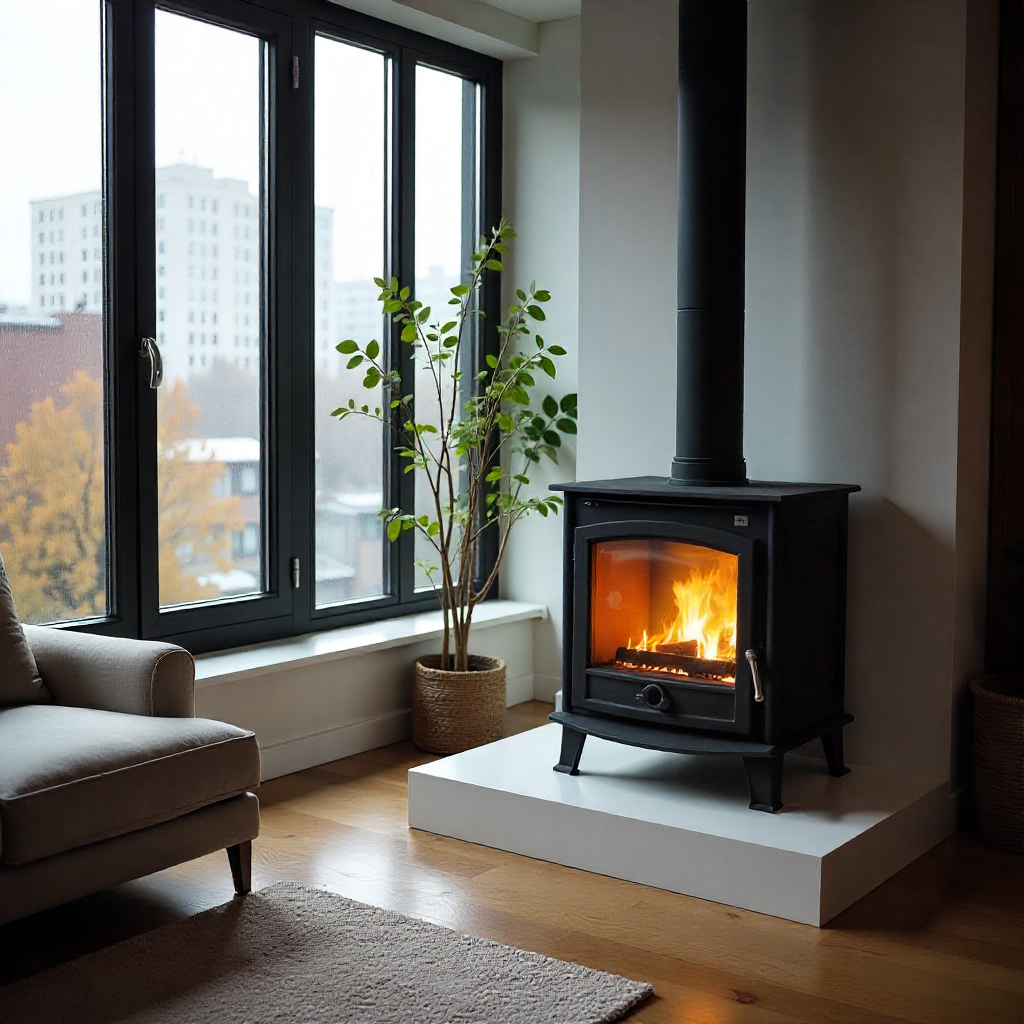
What Is a Wood Burning Stove Fireplace?
A wood burning stove fireplace is a sealed or semi-sealed combustion appliance that burns wood inside a firebox with a glass viewing door, a controlled air supply, and a dedicated flue. Unlike a traditional open fireplace — which sends up to 85% of its heat straight up the chimney — a modern closed-combustion stove captures and radiates 70–80% of that energy into your living space.
South African winters are milder on the coast but punishing in high-altitude interiors: Johannesburg regularly drops below 0°C overnight, and even Cape Town homes feel bitterly cold from June to August. A well-sized wood burning stove fireplace can keep a 40–80 m² open-plan area comfortably warm on a single load of wood, with no electricity required. During load-shedding, that independence matters more than ever.
You can browse our full freestanding wood-burning fireplaces range to see the models we carry — but first, here’s how to evaluate whether a wood burning stove is genuinely right for your space.
7 Reasons to Choose a Wood Burning Stove Fireplace
1. Heat That Works Off-Grid
During load-shedding, an electric heater becomes useless. A wood burning stove fireplace runs entirely on firewood — no grid connection, no inverter, no gas line. Once lit, it heats consistently for 4–8 hours on a single load. For families who rely on one main living area through winter evenings, this is the most practical heating decision you can make in 2026.
2. Far Higher Efficiency Than an Open Fireplace
The US EPA’s BurnWise programme notes that certified wood-burning appliances achieve combustion efficiencies of 70–90%, compared to under 20% for a traditional open hearth. In South Africa, where wood quality varies, a stove’s controlled air intake also means less smoke, fewer creosote deposits, and a longer flue lifespan.
3. Real Warmth, Not Just Ambience
Open fireplaces look beautiful but perform poorly as heaters. A wood burning stove fireplace with an output of 8–12 kW can genuinely heat a large living room, while a 5–7 kW unit works well for medium-sized spaces. Most freestanding models in the R12,000–R30,000 range sit in the 6–10 kW band — enough for the average SA lounge-and-dining open-plan area.
4. Lower Running Cost Than Gas
Comparing a gas vs wood-burning fireplace over a full winter in Cape Town or Johannesburg, wood almost always wins on running cost. A 50 kg bag of hardwood (marula, bluegum, acacia) costs R200–R350 from most firewood suppliers and can last 3–5 evenings of steady burning. Equivalent LPG heating costs significantly more per hour of comparable warmth.
5. Style That Suits Any Interior
Today’s wood burning stove fireplace range spans slim, modern cylinders for contemporary interiors, traditional cast-iron stoves for farmhouse aesthetics, and sleek matt-black steel models that complement minimalist design. If you’d prefer a built-in fireplace insert rather than a freestanding stove, there are wood-burning inserts that retrofit into an existing fireplace surround — a popular choice in period homes.
6. Decades of Reliable Service
A quality wood burning stove fireplace — well maintained and fed properly seasoned wood — can last 20–30 years. The main cost drivers for longevity are keeping the baffle plate clear, having the flue swept annually, and never burning wet or treated timber. Compare that lifespan to a portable gas heater or electric bar heater, which typically needs replacing every 3–5 years.
7. Adds Lasting Appeal to Your Property
Estate agents consistently note that a working fireplace adds perceived value to a listing — particularly in higher-end Cape Town and Johannesburg suburbs. A well-installed wood burning stove fireplace becomes a focal point that buyers remember. It signals permanence, comfort, and care that a plug-in heater simply can’t convey.
Types of Wood Burning Stove Fireplace to Consider
There are three main configurations for a wood burning stove fireplace in a South African home:
- Freestanding stoves — The most popular option. They stand on legs or a hearth pad, connect to a twin-wall or single-wall flue, and can be positioned in any room with an external wall or roof penetration for the flue. Easy to retrofit and no structural work required.
- Built-in closed-combustion fireplaces — Set into a wall cavity with a surround and mantelpiece. More architectural, more expensive to install, but creates a seamless finish. Read more in our guide on choosing between freestanding and built-in fireplaces.
- Insert stoves — A closed-combustion insert that slides into an existing open fireplace opening. Ideal for homes where you want to upgrade without demolishing the existing surround.
For most South African homeowners retrofitting heating into an existing room, a freestanding stove is the fastest and most cost-effective path.
What Does a Wood Burning Stove Fireplace Cost in South Africa?
Prices vary significantly by brand, output rating, and material quality:
- Entry-level (R8,000–R14,000): Smaller 5–7 kW units in mild steel with a glass door. Suitable for medium rooms. Good value for first-time buyers.
- Mid-range (R15,000–R28,000): 8–12 kW output, heavier cast-iron or high-grade steel construction, better glass seals, longer burn time per load. This is the sweet spot for most SA homes. Our Sentinel freestanding range sits largely in this band.
- Premium (R30,000–R55,000+): 10–20 kW double-sided or designer stoves, European-manufactured brands, extended warranties. Suited to large open-plan homes or those wanting a statement centrepiece.
Add R3,000–R12,000 for professional installation depending on flue length, wall or roof penetration complexity, and any hearth work required. See our full fireplace installation cost guide for a detailed breakdown.
Key Features to Check Before You Buy
When comparing a wood burning stove fireplace, prioritise these specifications:
- kW output — Rule of thumb: 1 kW per 10 m² in a well-insulated room. For an open-plan 60 m² lounge-dining area, target at least 6–8 kW.
- Firebox volume — Larger firebox means longer burn time between loads. Look for 50–80 litres for practical evening-to-overnight use.
- Glass door and air-wash system — Better units circulate air across the glass to keep it clear. Cheap models cloud within a season.
- Flue collar diameter — SA homes typically use 150 mm or 200 mm flue pipe. Confirm compatibility before purchasing the stove.
- Warranty — European brands typically offer 5-year structural warranties; local brands vary.
Not sure which model suits your layout? Our guide to choosing the right fireplace for your home walks through the decision process in detail, or you can request a free installation quote and one of our installers will assess your space in person.
Frequently Asked Questions
Do I need a flue for a wood burning stove fireplace?
Yes, always. A wood burning stove fireplace produces combustion gases that must be safely vented — unlike bioethanol or electric fires. This means a dedicated flue, either through an existing chimney with a liner or a new twin-wall insulated system through the wall or roof. This is also why professional fireplace installation matters: an incorrectly fitted flue is both a safety hazard and non-compliant with local building regulations.
Can I install a wood burning stove fireplace in a Cape Town coastal home?
Yes. Cape Town’s mild winters are ideal for a 6–8 kW stove. One coastal-specific consideration: salt air degrades mild steel faster, so stainless-steel twin-wall flue systems are strongly recommended for properties within a few kilometres of the ocean. Inland Cape Winelands suburbs like Stellenbosch, Paarl, and Franschhoek experience colder winters and benefit from higher-output units.
What wood burns best in a wood burning stove fireplace?
Hardwood with a moisture content below 20% is the gold standard. In South Africa, the most readily available options are bluegum (eucalyptus), black wattle, and marula. Bluegum burns hot and long; wattle is easier to source in the Western Cape. Avoid pine — its high resin content accelerates creosote build-up — and never burn treated, painted, or laminated timber in any enclosed combustion appliance.
How often does a wood burning stove fireplace need servicing?
At minimum, once a year: a professional flue sweep before winter, plus a check of the door rope seal and baffle plate. If you burn daily through a full SA winter, consider a mid-season sweep as well. Browse our fireplace collection and ask about maintenance packages when you get a quote.
Related reading
- Can You Install a Fireplace in an Existing Home? Yes — Here's How
- Combustion Fireplace Installation: How It Works, Costs & Compliance
- Need it done professionally? See our fireplace installation in Cape Town service.
Planning this kind of work?
Call or WhatsApp with your suburb and photographs. Fire Flames can discuss your fireplace, braai or home project and quote.
Get A Quote →