Why Invest in Insulated Flues for Your Fireplace?
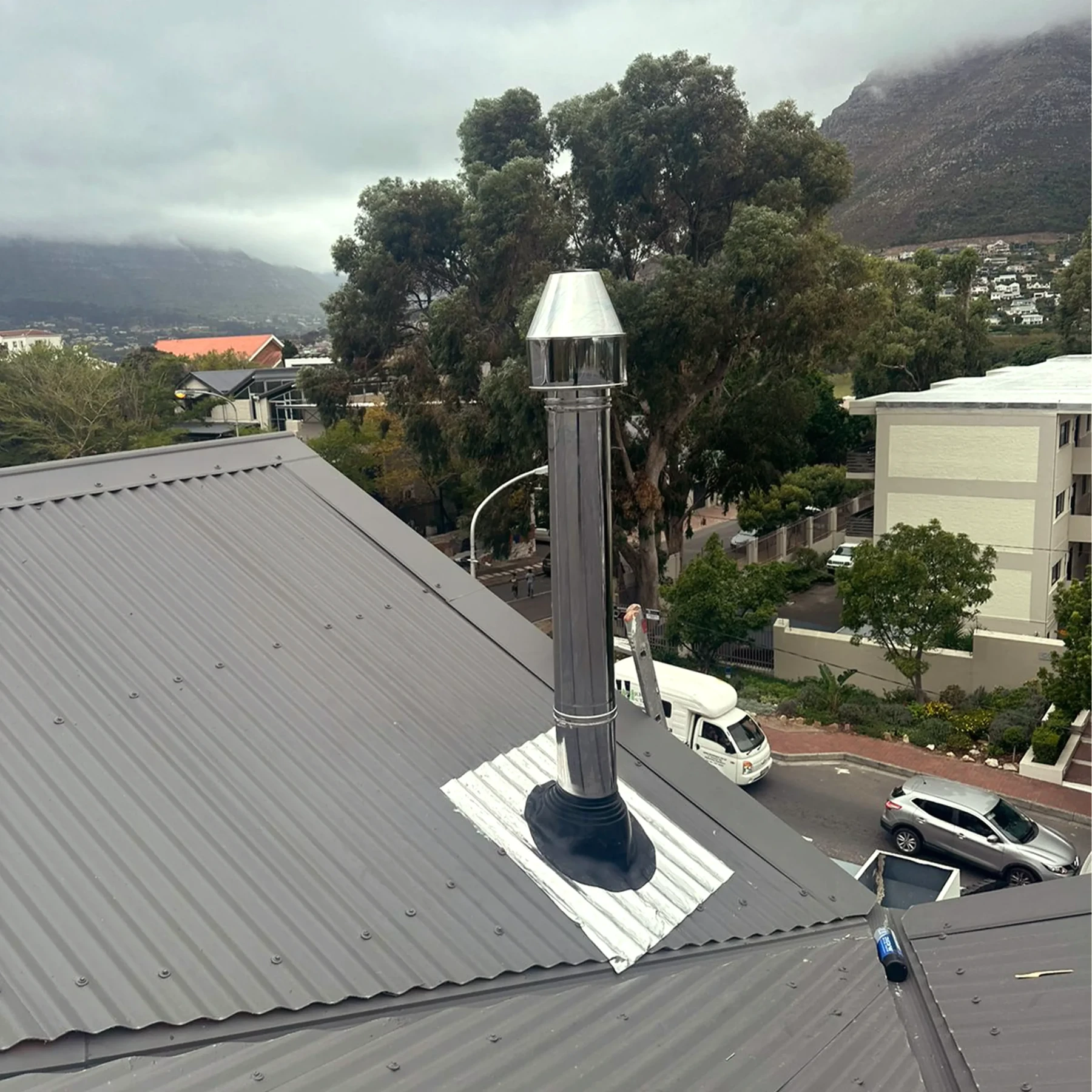
Investing in insulated flues for your fireplace is key for better efficiency, safety, and performance. These flues keep the chimney system warm, which helps with draft and cuts down on harmful gases like carbon...
Investing in insulated flues for your fireplace is key for better efficiency, safety, and performance. These flues keep the chimney system warm, which helps with draft and cuts down on harmful gases like carbon monoxide. They also make sure exhaust gases leave safely, reducing fire and moisture risks.
Plus, they save energy, which means lower heating costs. It’s important for South African homeowners to know about insulated flues and their benefits.

Key Takeaways
- Insulated flues improve the efficiency of your fireplace system.
- They enhance safety by reducing carbon monoxide risk.
- Higher temperatures within the flue prevent condensation.
- Insulated flues lower the likelihood of chimney fires.
- Energy-efficient features can result in decreased heating bills.
- Essential for homeowners seeking optimal fireplace performance in South Africa.
Recommended Flues by Budget
Browse our most popular flues at every budget — live in-stock pricing, each linked to its product page for full specs.
Mid-range — R1,000–R2,000
- 250mm Elbow 90 Degree Bend — R1,121
- 300mm Elbow 45 Degree Bend — R1,204
- 300mm 1m Duct Single Skin — R1,297
- 450mm 0.5m Duct Single Skin — R1,496
Premium — R2,000 and up
- 450mm Elbow 45 Degree Bend — R2,196
- 350mm 1m Duct Single Skin — R2,222
- 400mm 1m Duct Single Skin — R2,376
- 300mm Bell Cowl End Piece (Double Skin) — R2,391
Tell us what you need and we’ll send a free, no-obligation quote — fast.
Request a Free Fireplace Quote
Understanding Insulated Flues
Insulated flues are key to your heating system’s efficiency and safety. They keep temperatures stable, unlike uninsulated flues that lose heat and have poor airflow. Knowing about flue construction and the insulated vs. uninsulated options helps you choose wisely.
What are Insulated Flues?
Insulated flues have two parts: an inner pipe for exhaust gases and an outer pipe with insulation in between. This setup keeps exhaust gases hot, preventing condensation and creosote buildup. It makes your heating system more efficient and safe.
Construction of Insulated Flues
Insulated flues are built to last and be safe. They use stainless steel for the inner and outer pipes, resisting corrosion and wear. The insulation, like ceramic or rock wool, adds strength. This design boosts efficiency and safety.
Difference Between Insulated and Uninsulated Flues
Insulated flues keep temperatures high, improving draft and reducing condensate risk. Uninsulated flues lose heat, hurting combustion efficiency. Think about how these differences impact your heating system when deciding.
Benefits of Insulated Flues for Your Fireplace
Insulated flues are key to a better fireplace setup. They boost performance and safety. They help your heating system work better.
They make your fireplace safer, more efficient, and prevent moisture buildup.
Enhanced Safety Features
Insulated flues add safety to your fireplace. They stop flames or heat from harming nearby things. This makes your home safer for everyone.
Using these flues right can cut down fire risks a lot.
Improved Draft and Efficiency
Insulated flues also improve draft efficiency. Good airflow is key for burning fuel well. This means your fireplace uses fuel better.
It keeps flue gases hot, ensuring a steady draft. This results in more heat, making your fireplace warmer in winter.
Condensation Prevention
Another great thing about insulated flues is they prevent condensation. They keep flue gases hot, stopping moisture buildup. This stops rust and damage to your flue system.
With insulated flues, you don’t have to worry about moisture problems.

Chimney Liners and Their Importance
Chimney liners are key in modern fireplaces. They protect the chimney from harmful byproducts of burning and keep it safe and efficient. Knowing their role is important for your fireplace’s best performance.
Protection of Chimney Structures
Quality chimney liners are essential for your chimney’s safety. They shield the walls from heat and harmful substances. This helps your chimney last longer and saves you from expensive fixes.
Control of Gases and Carbon Monoxide
Chimney liners also manage gases like carbon monoxide from burning. They ensure these gases go outside, not into your home. This is vital for clean air inside and keeps you safe from poisoning.
Minimizing Creosote Buildup
Creosote buildup is a big problem with chimneys, leading to fires. Good liners keep the flue hot, stopping creosote from forming. This makes your fireplace safer for everyone.
Insulation Materials Used in Flues
Choosing the right insulation materials is key to better flue efficiency. There are many options, each with special properties for different needs. The right choice means better heat resistance and a longer-lasting installation.
Types of Insulation Materials
Insulated flues use several insulation types, including:
- Ceramic Fibers
- Mineral Wool
- Vermiculite
These materials block heat loss well, boosting flue system performance. Ceramic fibers handle high temperatures well. Mineral wool is good for soundproofing and insulation. Each material helps keep the flue hot.
The Role of Vermiculite in Insulation
Vermiculite is special because it’s light and insulates well. It’s a natural mineral that expands with heat, trapping warmth. This keeps the flue at the right temperature and prevents overheating issues.
Using vermiculite makes the flue system work better without being too heavy. It ensures a balanced system.

When to Use Insulated Flues
Knowing when to use insulated flues is key to getting the most out of them. They are vital for safety, efficiency, and lasting performance in your fireplace system.
Permanent Installations vs. Temporary Setups
Insulated flues are best for permanent homes. They keep heat in and prevent moisture buildup, which can harm your home. On the other hand, temporary setups like camping stoves don’t need them. These are used briefly and are often far from flammable materials, reducing the need for insulated flues.
Specific Use Cases for Insulated Flues
There are certain situations where insulated flues are a must. For instance:
- In small spaces with flammable materials, insulated flues are a must for safety.
- Complex chimneys need them for better draft and safety.
- High humidity homes benefit from insulated flues to control moisture and improve air quality.
Installation Considerations for Insulated Flues
Installing insulated flues involves several key factors. Deciding on flue size, clearance needs, and whether to do it yourself or hire a pro affects the process. It also impacts how well your fireplace works.
Choosing the Right Flue Size
The right flue size is essential for good airflow and efficiency. A flue that’s too big or too small can cause problems. Make sure to check your fireplace’s specs and follow the manufacturer’s advice for the best size.
Clearance Requirements from Combustibles
Clearance needs differ based on the flue type. Insulated flues need less space from flammable materials than others. This is great for tight spots, making installations safer and more efficient.
Professional vs. DIY Installation
While some might think they can handle it, hiring a pro has its perks. Experts make sure everything is installed right and meets safety standards. This reduces the risk of mistakes and dangers. Think about your skills and the job’s complexity before deciding.
| Factor | DIY Installation | Professional Installation |
|---|---|---|
| Flue Size Selection | May face challenges ensuring proper size | Expert guidance available for optimal sizing |
| Clearance Requirements | Possibility of misjudging required space | Exact measurements and safe compliance assured |
| Compliance with Codes | Risk of overlooking local regulations | Knowledgeable about building codes and safety standards |
Heat Retention and Efficiency of Insulated Flues
Insulated flues are key to better performance of your fireplace or stove. They keep the inside warm and reduce heat loss. This makes your heating system more efficient and cuts down on fuel use.
Choosing the right flue is important. It helps your heating system work better. This means you get more value from your investment.
Impact on Fuel Consumption
Insulated flues use less fuel because they stay warmer. This means you spend less on heating. Your fireplace works better and saves you money.
Maintaining High Internal Temperatures
Insulated flues keep the inside warm. This is because they don’t let heat escape. This makes your fireplace more efficient and burns cleaner.
You’ll feel warmer and breathe cleaner air. Plus, it’s better for the environment.
| Feature | Insulated Flues | Uninsulated Flues |
|---|---|---|
| Heat Retention | High | Low |
| Fuel Consumption | Reduced | Increased |
| Efficiency | High | Low |
| Combustion Cleanliness | Improved | Worse |
Cost Implications of Installing Insulated Flues
Choosing to install insulated flues comes with several financial considerations. The upfront costs might seem higher than for non-insulated options. Yet, understanding the long-term savings is key to a smart choice.
Initial Cost vs. Long-term Savings
The cost of installing insulated flues includes the materials and the complexity of the job. Insulated flues use advanced materials, which can raise the initial price. But, these costs can be balanced by lower heating bills and less maintenance over time. This leads to big savings in the long run.
Choosing efficiency means using less energy. This can also save you money.
Factors Impacting Installation Costs
Several things can change the cost of installing insulated flues. The size of the flue is a big factor, as bigger ones need special materials and designs. The insulation material you pick also affects the price, from fiberglass to more advanced composites.
Professional installation costs can vary by region. Knowing these factors helps you plan your budget better.
| Factor | Impact on Costs |
|---|---|
| Flue Diameter | Cost increases with larger diameters due to material needs |
| Materials Used | Advanced insulation materials may increase initial costs |
| Labor Rates | Variations based on region can affect total installation costs |

Regulations Surrounding Flue Installation
It’s key to know the rules for installing flues to keep your fireplace or stove safe and efficient. Following local building codes and safety rules can be tricky. But, it’s critical to avoid risks and problems later on.
Not following these rules can cause legal troubles, safety risks, or issues with your insurance.
Building Code Compliance
Building codes set the minimum standards for flue construction and installation. They cover important points like:
- Minimum clearances from combustible materials
- Proper installation techniques
- Ventilation requirements
Before you start, check the local building codes. This helps avoid risks and ensures your flue works right. Misunderstanding these codes can lead to unsafe setups, putting your home and family at risk.
Safety Regulations to Consider
There are also specific safety rules for flue installations. These include:
- Regular inspections and maintenance schedules
- Guidelines for smoke and carbon monoxide emission levels
- Recommended materials for flue construction
Knowing these rules gives you peace of mind. It means your installation meets the highest safety standards. Staying up to date with these regulations keeps your fireplace or stove working well for years. It also protects your home.
| Aspect | Building Code Compliance | Safety Regulations |
|---|---|---|
| Clearances from Combustibles | Minimum distances specified | Regular inspections advised |
| Installation Techniques | Correct methods outlined | Follow manufacturers’ guidelines |
| Ventilation | Requirements to allow air flow | Guarantee proper exhaust |
Maintenance Tips for Insulated Flues
Keeping your insulated flues in good shape is key. Regular checks and cleanings help them work well and safely. Here are some tips to keep your chimney clean and your fireplace running smoothly.
Regular Inspections and Cleanings
Get a certified pro to inspect your flues every year. They’ll look for blockages, cracks, and creosote buildup. These can be fire hazards. Cleanings also keep air flowing well and make your fireplace more efficient.
Signs of Damage or Wear
Watch for signs your flues might need fixing. Rust, odd smells, or gaps in the liner are red flags. Fixing these problems early prevents bigger issues later. Keeping your chimney clean means your fireplace stays safe and efficient.
Common Misconceptions about Insulated Flues
Many homeowners think insulated flues are only for fancy heating systems. But, they are key for safety and better performance in many setups. Knowing the truth can help you choose the right heating options.
Are They Really Necessary?
Insulated flues are a must for safety, improving draft control and lowering gas leak risks. Skipping them can harm your home’s safety and efficiency. They’re not just for complex systems; they’re needed for any combustion process.
They also protect your home from heat and moisture damage. Many homeowners don’t realize how big a risk this is.
Understanding the Energy Efficiency Claims
Looking into the energy efficiency of insulated flues, we see more than just claims. They do save energy and improve performance, but they’re a long-term investment. Well-designed insulated flues cut down fuel use and lower heating bills.
While the upfront cost is high, the long-term savings are worth it. This shows their real value in saving energy.
Conclusion
Choosing insulated flues for your fireplace is more than a decision. It’s a smart move for your home’s safety and heating system. Insulated flues are built to prevent fires and safely remove harmful gases.
They also make your fireplace more energy-efficient. This means better draft and steady temperatures. You’ll use less fuel and save on heating costs.
When you decide on insulated flues, think about the long-term gains. They boost safety, efficiency, and meet local rules. This upgrade brings comfort and peace of mind to your home.
FAQ
Q: Why should I invest in insulated flues and chimney flues for my stove or fireplace?
A: Insulating your chimney flue improves combustion efficiency, reduces soot buildup, maintains proper heat within the flue, and lowers creosote formation when using a wood stove or wood-burning stove. Proper insulation for your chimney flue also helps stabilize draft, reduces heat transfer to the chimney walls, and can make a burning stove safer and more efficient.
Q: How do flue liners and a chimney flue liner help when I insulate my chimney flue?
A: A chimney flue liner protects the firebox and walls of your chimney from heat and corrosive byproducts. When combined with insulation for your chimney, the liner reduces the air gap between your chimney flue and the masonry, preserving flue gas temperatures, improving draft, and preventing excess soot and creosote from condensing on the liner.
Q: Can insulating your chimney flue reduce soot and creosote buildup in an open fireplace or wood-burning stove?
A: Yes. By keeping the heat within the flue and reducing cold spots, insulation helps combustion remain hotter and cleaner, which lowers soot and creosote accumulation. This reduces the need for frequent sweeping and lowers chimney fire risk, especially for a burning stove or wood stove.
Q: What is the difference between insulating the flue pipe and using a flue liner and the walls of your chimney?
A: A flue pipe is generally the metal pipe that carries exhaust; insulating the flue pipe or adding an insulation sleeve maintains exhaust temperature. A flue liner is installed within the chimney to protect masonry; insulating around the liner (the gap between your chimney flue and the walls of your chimney) prevents heat loss into the chimney structure and preserves draft. Both approaches aim to ensure proper insulation and safe venting.
Q: How do I fit a chimney liner and use an insulation sleeve—can I fit a chimney liner myself?
A: Fitting a chimney liner and installing insulation for your chimney typically requires professional assessment. A qualified installer will measure the vent, choose the correct liner and insulation materials, and ensure the liner and the chimney meet building codes. DIY work is possible for some metal flue pipe installations, but for a full chimney flue liner and insulating your chimney flue liner, professional fitting is recommended to avoid gaps and ensure proper draft.
Q: Will insulating my chimney flue affect the heat transfer and efficiency of my stove or fireplace?
A: Yes. Proper insulation reduces unwanted heat transfer to the chimney structure and directs more of the heat up the flue, improving draft and making the combustion process more efficient. This means a stove or fireplace will burn cleaner and transfer heat into your living space more effectively while reducing heat loss within the flue.
Q: Are there safety or maintenance considerations after I insulate my chimney flue or flue liners?
A: After insulating, continue regular inspections and sweeping to remove any soot or creosote. Check the cowl, vent, and liner for damage and ensure the air gap between your chimney flue and the masonry remains properly filled if required. Proper insulation reduces risks but does not eliminate the need for routine maintenance and safety checks.
Q: Which types of insulation for your chimney are recommended for a wood stove or burning stove, and what about the air gap?
A: Common options include ceramic fiber insulation, rock wool, or specially manufactured insulation sleeves for flue pipe and liners. The choice depends on the system: a flexible flue liner may be backfilled with vermiculite or a lightweight insulating mix to eliminate the air gap between your chimney flue and masonry, while metal flue pipes often use an insulation sleeve. Always use materials rated for high temperatures and follow manufacturer guidance for proper insulation and sealing.
Related reading
- Can You Install a Fireplace in an Existing Home? Yes — Here's How
- Combustion Fireplace Installation: How It Works, Costs & Compliance
- Need it done professionally? See our fireplace installation in Cape Town service.
Planning this kind of work?
Call or WhatsApp with your suburb and photographs. Fire Flames can discuss your fireplace, braai or home project and quote.
Get A Quote →