
How to Choose a Slow Combustion Fire That Heats Better and Costs Less
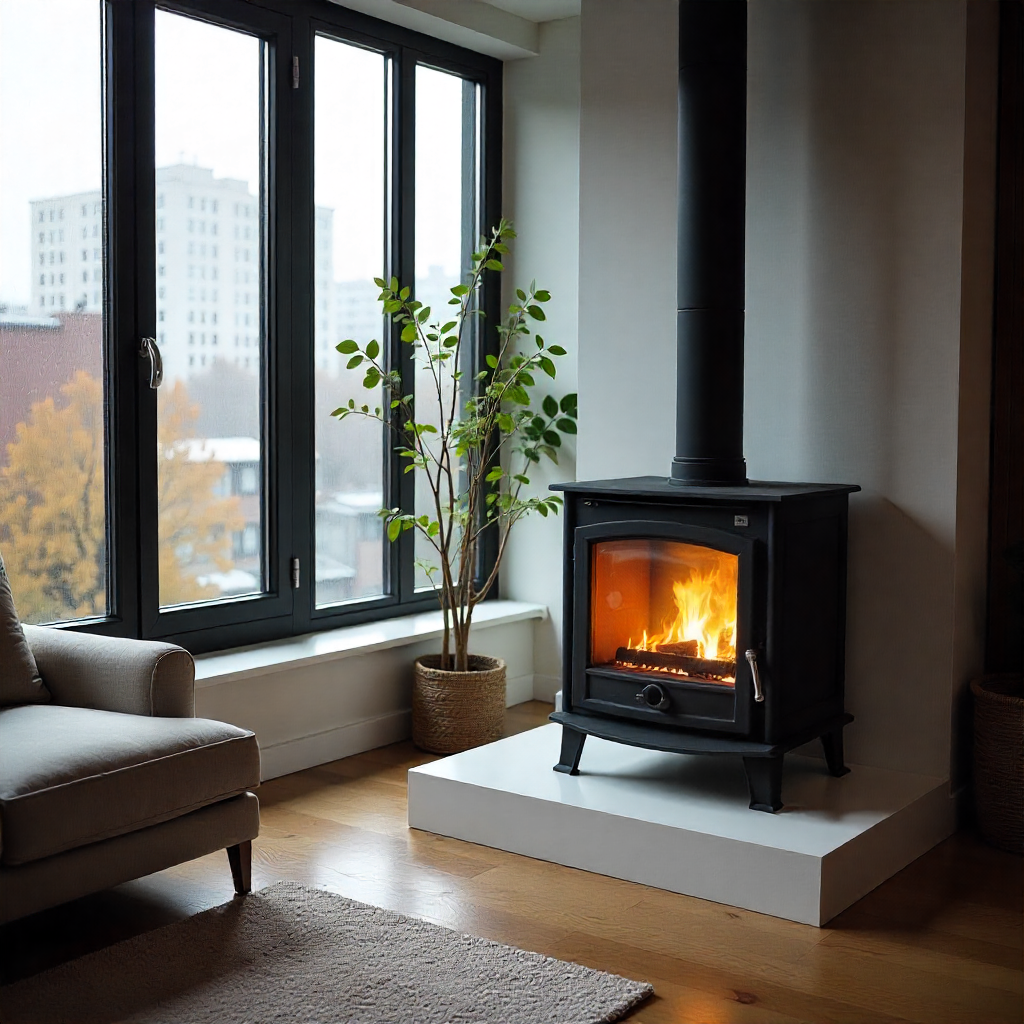
Not all slow combustion fires heat equally well. Here's how to match kW output, firebox material and budget to your home — without the showroom guesswork.
A slow combustion fire is one of the most efficient ways to heat a South African home — but walk into any showroom without a plan and you’ll end up either overbuying on kW output or paying for a unit that can’t warm a standard lounge on a cold Cape winter evening. The right choice comes down to five things, and most buyers only ask about one of them.
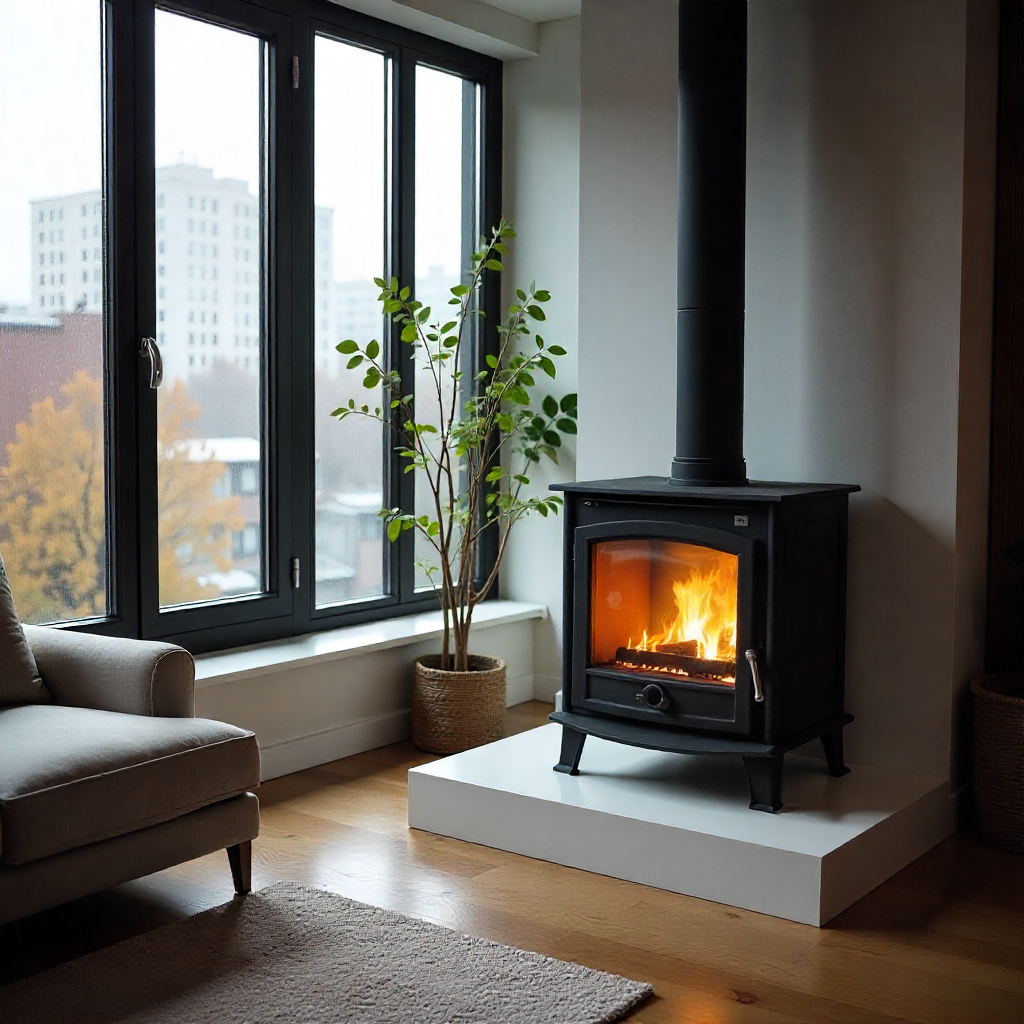
You can browse our freestanding fireplaces range to see current in-stock models, or read on for a practical guide to getting the specification right before you commit to anything.
What Is a Slow Combustion Fire?
The term “slow combustion fire” is almost uniquely South African. Elsewhere — the UK, the US, Europe — you’ll hear “wood burning stove” or “closed combustion fireplace.” All three describe the same thing: an enclosed firebox (usually steel or cast iron) with a glass viewing door, a controlled primary and secondary air intake, and a sealed flue connection.
Unlike an open fireplace where 70–90% of the heat rushes straight up the chimney, a slow combustion unit captures and radiates that heat into the room. Efficiency ratings from reputable brands typically sit between 65% and 82%, compared to 10–25% for a conventional open hearth. That difference is felt immediately in both comfort and firewood costs.
Our fireplace collection spans both open and closed combustion designs. If you’re still deciding which category is right for your home, keep reading — the distinction matters a lot once you factor in room size and load-shedding patterns.
The 5 Things That Determine How Well a Slow Combustion Fire Heats
1. Output (kW) — Match the Fire to the Room
kW output is the most important number to get right. A unit that’s too small leaves the room cold; one that’s too large overheats a smaller space and forces you to “slumber” the fire — starving it of air — which causes rapid creosote build-up in the flue and voids most manufacturer warranties.
A reliable rule of thumb for reasonably insulated South African homes: allow roughly 1 kW per 10–12 m² at a standard ceiling height of 2.4 m. Open-plan rooms, double-volume ceilings, and older coastal Cape Town homes with single-skin brick walls may need 15–20% more output. Reputable brands publish independently tested output figures; always ask for certified numbers, not marketing estimates. The Morso website is a good example of transparent kW and efficiency data from a premium manufacturer.
Practical sizing guide:
- 5–8 kW: Bedroom, home office, or compact lounge up to ~70 m²
- 8–12 kW: Standard open-plan living and dining area, 70–100 m²
- 12–18 kW: Large open-plan space or homes wanting radiant heat to reach adjacent rooms
2. Airwash Glass — See the Flame, Not Soot
A properly engineered airwash system directs a curtain of incoming air across the inside face of the glass door, keeping it clear during normal burning. On cheaper units the glass blacks out within 30–45 minutes and you lose the main reason most people choose a slow combustion fire over an electric panel heater: the visible, living flame.
If you’re visiting a showroom, check whether the display model’s glass is already sooty. A clear glass on a unit that’s been running for hours is a reliable indicator of quality airwash design.
3. Firebox Material — Steel vs Cast Iron
Steel fireboxes heat up significantly faster, making them better suited to homes where you light the fire and want heat within 20–30 minutes. Cast iron takes longer to reach operating temperature but holds and radiates heat for considerably longer once hot — a genuine advantage when load-shedding cuts power during a winter evening and you want the room to stay warm after the fire dies down.
For coastal Western Cape homes, also check paint and door-seal quality. Salt air accelerates surface corrosion on cheaper mild-steel units; better manufacturers use 304-grade stainless steel for critical internal components. Our guide on choosing between freestanding and built-in fireplaces goes deeper on the structural differences between construction types.
4. Load-Shedding Independence
This is the slow combustion fire’s largely unspoken superpower: it needs zero electricity. No gas line, no inverter, no pump. During Stage 6 load-shedding, when heat pumps, underfloor heating, and electric panels go dark, the fire keeps burning as normal. Some models include a hob plate on the top surface — handy for boiling water or warming food during extended outages.
For Johannesburg highveld winters where temperatures can drop below 2°C overnight, or for Cape Town homes where load-shedding overlaps with cold, wet evenings, this reliability is worth paying for regardless of what the kW calculator says.
5. Flue Requirements
Every slow combustion fire must connect to a dedicated flue — either an existing masonry chimney or a purpose-built flue system. This is a legal requirement under SANS 10400 regulations, not an optional extra. The flue must be correctly sized for the appliance output and must terminate at a minimum height above the roofline to ensure proper draw.
Browse our flues and flue systems to understand the options. For new installations without an existing chimney, insulated flues for your fireplace are almost always the most cost-effective and thermally efficient route — they draw better than single-skin pipe and avoid the condensation problems that plague cheap uninsulated systems in Cape Town’s mild, damp winters.
What Does a Slow Combustion Fire Cost in South Africa?
Budget for the unit and the installation separately — they’re two very different numbers that most ads conveniently lump together:
Unit cost:
- R8,000–R18,000: Entry-level freestanding slow combustion fires. Adequate for smaller rooms; shorter warranty periods and variable airwash quality.
- R18,000–R35,000: Mid-range European-spec or quality local units. Proper steel construction, reliable airwash, 5-year warranties. The sweet spot for most SA buyers.
- R35,000–R60,000+: Premium cast iron or designer steel units (Morso, Jøtul, Sentinel). Built to last 25+ years with excellent heat retention and resale value.
Installation cost:
Add R6,000–R18,000 for a professional flue installation, depending on the route length, number of bends, and whether you need a wall or ceiling penetration. Our full breakdown of what fireplace installation costs in South Africa walks through every line item — hearthwork, flue, and labour — so there are no surprises on installation day.
Freestanding vs Built-In for a Slow Combustion Fire
Most slow combustion fires sold in South Africa are freestanding — the unit stands on a non-combustible hearth plate with a flue pipe connecting to the ceiling or an external wall. This keeps installation simpler and less expensive, and the unit can be relocated if you move house.
Built-in fireplace inserts slot into an existing brick fireplace opening and are popular with homeowners who want a seamless, architect-integrated look. They tend to be marginally more efficient because the surrounding masonry contributes thermal mass, but they’re harder to remove and installation is usually more involved. If you have an existing open fireplace that wastes heat, a slow combustion insert is often the single highest-impact heating upgrade you can make.
What the Installation Process Actually Involves
A correctly installed slow combustion fire must meet SANS 10400 Part T fire-protection requirements. In practice this means:
- A non-combustible hearth plate extending at least 300 mm in front of the appliance door and 150 mm to either side
- Minimum clearances from combustible surfaces — typically 200 mm for unprotected walls
- A correctly sized, independent flue that terminates at the regulated height above the roofline
- A Certificate of Compliance (CoC) issued by a registered installer or SANS-qualified technician
Our professional fireplace installation service handles the complete job — hearthwork, flue routing and sealing, and the CoC — so you’re not coordinating multiple tradespeople across multiple days. Most residential slow combustion installs take one to two days once the unit is on site.
Still comparing your options across fuel types? Our guide on how to choose the perfect fireplace covers wood, gas, and bio-fuel installations side by side, including running-cost comparisons that account for South Africa’s current electricity and gas prices.
Frequently Asked Questions
What wood burns best in a slow combustion fire?
Hard, dense woods produce the most heat per log and the least creosote. In the Western Cape, rooikrans is the most popular firewood — it burns hot, is sustainably sourced from invasive clearing, and is widely available. Elsewhere, kiaat, syringa, and well-seasoned oak all perform well. Avoid wet or freshly cut green wood at all costs: moisture content above 25% reduces heat output by up to 40% and causes rapid creosote accumulation in the flue. Most manufacturers recommend wood below 20% moisture; a cheap moisture meter from any hardware store will pay for itself within a season.
Can a slow combustion fire heat an open-plan living area?
Yes, if you choose the right output for the volume. An 8–12 kW unit handles a 70–100 m² open-plan living and dining area well at standard ceiling height. For larger spaces or double-volume areas, look at units with a back boiler (wet-back) option, which can feed a central hot-water radiator system for whole-home heating from a single firebox.
Does a slow combustion fire need electricity to work?
No — and that’s one of its biggest selling points. Unlike gas fireplaces that rely on an electric igniter or thermostatic valve, and unlike fan-assisted heat units, a slow combustion fire operates entirely off-grid. Load-shedding at any stage has zero effect on its performance.
How often does a slow combustion fire need servicing?
Annual chimney sweeping and flue inspection is strongly recommended — ideally at the start of winter before you begin the heating season. Creosote accumulates in the flue during burning and poses a serious fire risk if left unchecked. Check door seals annually and replace them if they’ve flattened, cracked, or no longer create an airtight closure. Quality units need little beyond this annual maintenance to perform reliably for 20–30 years.
Ready to Choose Your Slow Combustion Fire?
The right slow combustion fire comes down to three numbers: the kW output your room needs, the budget you’re working with, and the flue route available in your home. Get those three right and any quality brand will serve you well for decades of load-shedding-proof winter warmth.
Explore our full freestanding fireplace range to compare models and outputs, or request a free installation quote and we’ll help you size and specify the right unit for your space.
Related reading
- Can You Install a Fireplace in an Existing Home? Yes — Here's How
- Combustion Fireplace Installation: How It Works, Costs & Compliance
- Need it done professionally? See our fireplace installation in Cape Town service.
Planning this kind of work?
Call or WhatsApp with your suburb and photographs. Fire Flames can discuss your fireplace, braai or home project and quote.
Get A Quote →