
5 Combustion Stove Mistakes That Cost You Heat (and Money)
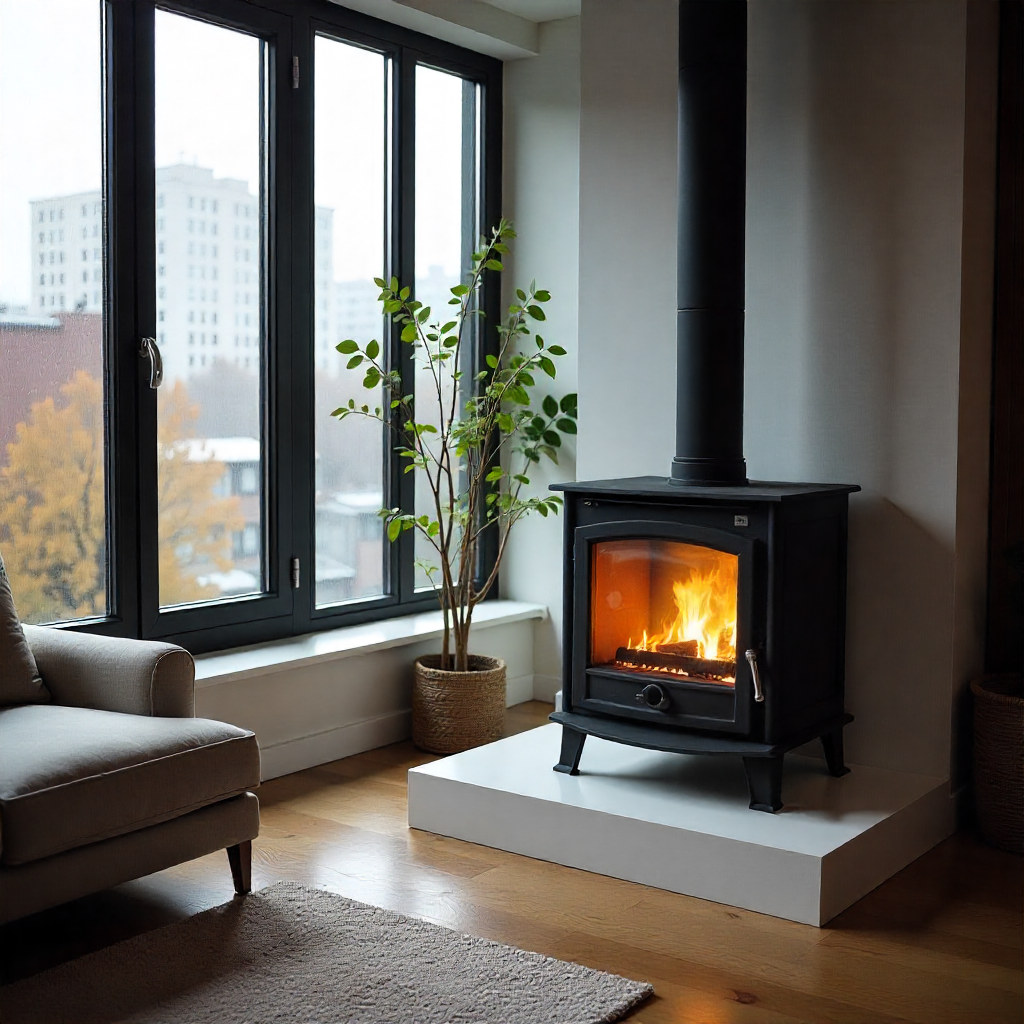
A combustion stove is one of the smartest winter investments you can make — but only if you avoid these five common buying and installation errors. Fire Flame Installers breaks down exactly where homeowners go wrong, and how to get it right from the start.
A combustion stove is one of the smartest heating decisions you can make for a South African winter — but only if you get the buying process right. Thousands of homeowners go through the trouble of installation, then spend the following season battling poor heat output, smoky rooms or spiralling wood bills, all because of avoidable mistakes made before the unit even arrived.
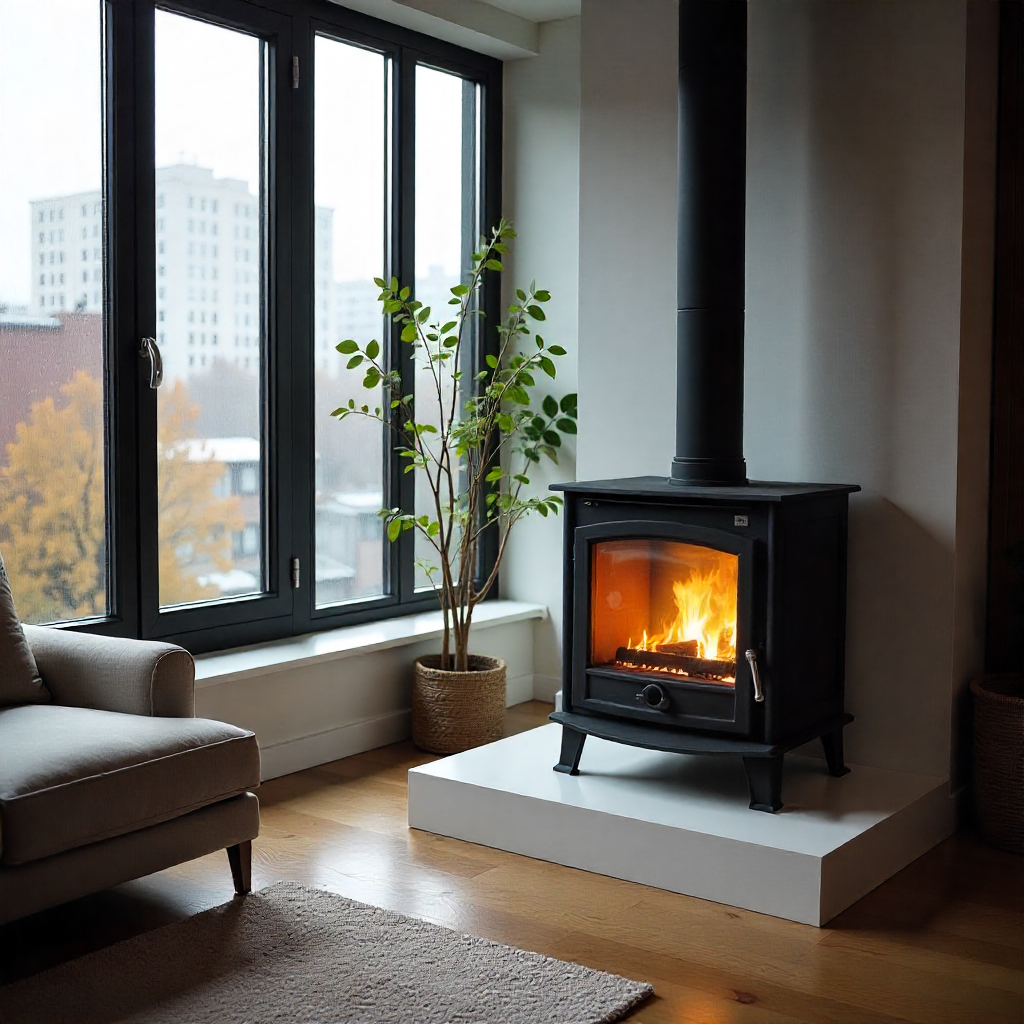
This guide covers the five most common errors we see at Fire Flame Installers — and exactly how to sidestep each one so your stove performs the way it should from day one.
What Is a Combustion Stove — and Why Does It Outperform an Open Fireplace?
A combustion stove (also called a slow combustion stove or closed combustion fireplace) is a sealed cast-iron or heavy-gauge steel unit that burns wood in a controlled, restricted-air environment. Unlike a traditional open fireplace — where up to 80% of heat escapes up the chimney — a quality slow combustion unit achieves efficiencies of 65–78%, radiating warmth from all sides of the body and through a glass-fronted firebox you can actually watch.
That efficiency is what makes it so compelling during load-shedding: no electricity, no gas supply line, no ongoing utility bill. Just dry wood and reliable heat. Our freestanding combustion stove range covers units suitable for a single room right through to whole-home heating setups. Before you buy, though, here are the mistakes most buyers make.
Mistake 1: Choosing kW Output Without Calculating Room Volume
Oversizing is just as damaging as undersizing. A stove that is too powerful for the space will run at a throttled, low-oxygen setting — which causes incomplete combustion, tar deposits in the flue, and wood wasted on smouldering rather than burning. A stove that is too small simply can’t do the job.
The correct method is straightforward: measure your room’s length × width × height to get the cubic volume. As a rule of thumb:
- 1 kW per 10 m³ for older Cape Town homes with single-glazed windows, bare ceilings, or no insulation
- 1 kW per 14 m³ for well-insulated modern homes with double-glazed or aluminium windows and ceiling insulation
A typical double-volume living and dining open-plan (roughly 75–90 m³) in an older home needs 8–9 kW. A smaller, well-insulated family room (50 m³) is fine with a 5–6 kW unit. Get this wrong and no amount of good wood will fix it.
Mistake 2: Skipping CoC Compliance
In South Africa, any solid-fuel heating appliance installation — including a freestanding combustion stove — must comply with SANS 10400-T, the national standard governing fire hazard and combustible materials in buildings. The installation must be certified by a qualified installer who issues a Certificate of Compliance (CoC).
Without a CoC, three things happen:
- Your home insurer can legitimately refuse a fire-related claim
- Conveyancers will flag the installation when you sell, and buyers can demand removal or a price reduction
- The municipality or body corporate can require the unit be taken out at your cost
This is not a box-ticking formality — it is legal protection for your biggest asset. Our professional fireplace installation service covers the full installation, flue fitting, and CoC sign-off. For more on what compliance means for your budget, see our guide to what fireplace installation costs in South Africa.
Mistake 3: Burning Wet or Green Wood
This is the single biggest performance killer, and it is entirely avoidable. Freshly cut wood contains 45–60% moisture by weight. Burning it wastes a significant portion of the available energy on evaporation, dramatically reduces your heat output, and accelerates creosote and tar deposits inside the flue — increasing your fire risk and your cleaning bills.
The target is wood with less than 20% moisture content, which you can verify cheaply with a wood moisture meter (R200–R400 at most hardware stores). In the Western Cape:
- Rooikrans (a cleared alien invasive) is the most widely available dense hardwood — excellent performer when seasoned
- Black wattle burns hot and long, widely available in the Southern Cape
- Kiln-dried imported oak costs more but is always ready to burn — useful if you have no storage space for seasoning
- Pine and other softwoods — avoid. They burn fast, produce a lot of sparks, and deposit resin in the flue
For a freshly installed combustion stove, plan to buy your first load of seasoned wood at least 4–6 weeks before you need it, to allow it to acclimatise to your storage conditions.
Mistake 4: Ignoring Flue Height and Roof Positioning
Even the most expensive combustion stove will smoke back into the room if the flue is too short or incorrectly positioned. The flue creates draw — the upward pull that takes combustion gases out and brings fresh air in. Too little draw and you get a smoky room and a stove that refuses to stay alight.
Key requirements for SA installations:
- Minimum total flue height: 4.5 m from the appliance collar to the outlet (many installers target 5 m+ for reliable draw)
- The outlet must extend at least 500 mm above the highest point of the roof it penetrates
- It must clear any ridge, parapet, dormer, or neighbouring roofline by 600 mm
- In coastal areas, prevailing wind direction matters — a flue outlet facing into the dominant wind direction creates back-pressure. A rotating cowl or H-pot often resolves the issue
If you are retrofitting into an existing chimney breast or connecting to a shared flue, have a qualified installer conduct a draw test before committing to a stove model. This is a 30-minute job that can save you thousands in returns or modifications later.
Mistake 5: Pricing the Stove, Not the Full System
A combustion stove listed at R12 000 is not a R12 000 project. The stove price is only the starting point. Budget-conscious buyers who ignore the full system cost routinely hit a nasty surprise on invoice day.
A realistic breakdown for a quality mid-range installation:
- Stove unit: R8 000 – R45 000 depending on brand, output, and finish
- Twin-wall insulated flue pipe and fittings: R3 500 – R14 000 depending on run length and bends
- Hearth pad (if not already in place): R1 500 – R5 000
- Labour, installation, and CoC: R3 500 – R9 000
- Ceiling, wall, or roof penetration sealing: R800 – R2 500
- Decorative surround or shroud (optional): R2 000 – R18 000
Total realistic budget for a quality mid-range install: R25 000 – R55 000. Premium units with larger outputs or bespoke surrounds push higher. Understanding this upfront lets you make a proper like-for-like comparison — whether you’re weighing freestanding vs built-in fireplaces or comparing brands.
What to Look for in a Good Combustion Stove
Once you’ve sidestepped those five mistakes, here’s what separates the strong performers from the budget disappointments:
- Cast iron or heavy-gauge steel body — both hold heat well; cast iron radiates longer after the fire dies down
- Secondary combustion chamber — burns the gases released from primary combustion for higher efficiency
- Airwash system — a controlled air curtain across the glass keeps the window clear so you can see the flame without constant cleaning
- External air feed (spigot) — draws combustion air from outside rather than from your heated room; critical in airtight modern homes and essential if you have an HVAC system running
- SABS-approved flue connectors — non-negotiable for a compliant CoC
Brands with strong reputations in the South African market include Dovre, Morsø, Jøtul (all Scandinavian, engineered for sustained high-output burning) and the locally manufactured Sentinel freestanding range, which is sized and tested for South African conditions. Browse the full selection in our fireplace range or read our guide to choosing the right fireplace for your home.
Quick Sizing Reference
- Study or small bedroom (up to 40 m³): 4–5 kW
- Standard lounge or dining room (50–80 m³): 6–8 kW
- Large open-plan living area (80–130 m³): 9–12 kW
- Whole-home heating through connected rooms (130 m³+): 12–20 kW — consider a unit with a rear convection outlet or look at double-sided fireplaces for two-room heat from one fire
Frequently Asked Questions
Can I install a combustion stove myself?
You can position the unit, but the flue fitting and appliance connection must be done by a qualified installer to obtain a valid CoC. A DIY install without a CoC voids your fire insurance and may prevent a future property sale. It is not worth the risk.
How often does a combustion stove flue need cleaning?
Once per season for normal use with dry hardwood. If you burn wet or softwood regularly, budget for two cleans per season. An annual inspection by a certified sweep should be standard practice regardless — it takes about an hour and costs R600–R1 200 in most Cape Town suburbs.
Is a combustion stove cheaper to run than gas?
Over a full winter season, yes — in most cases. Gas prices in South Africa have increased sharply over the past three years, and wood from sustainable sources (especially Western Cape rooikrans) costs significantly less per kWh of usable heat. The initial capital cost is broadly comparable. For a detailed breakdown, see our fireplace installation cost guide.
What wood species work best in Cape Town?
Rooikrans is the standout choice — dense, hot-burning, and widely available from cleared invasive alien programmes in the Western Cape. Black wattle and seasoned camphor are also solid options. Avoid pine, eucalyptus, and any green or recently cut wood.
Ready to Install a Combustion Stove the Right Way?
If you want it done properly — correctly sized, fully compliant, and fitted with a flue that draws reliably — speak to our installation team. We cover Cape Town and the surrounding areas, handle the full job from survey to CoC, and can advise on the right unit for your space and budget. Browse our freestanding combustion stoves online or contact us to arrange an on-site visit.
Related reading
- Can You Install a Fireplace in an Existing Home? Yes — Here's How
- Combustion Fireplace Installation: How It Works, Costs & Compliance
- Need it done professionally? See our fireplace installation in Cape Town service.
Planning this kind of work?
Call or WhatsApp with your suburb and photographs. Fire Flames can discuss your fireplace, braai or home project and quote.
Get A Quote →