
3 Types of Standalone Fireplace — and How to Pick the Right One
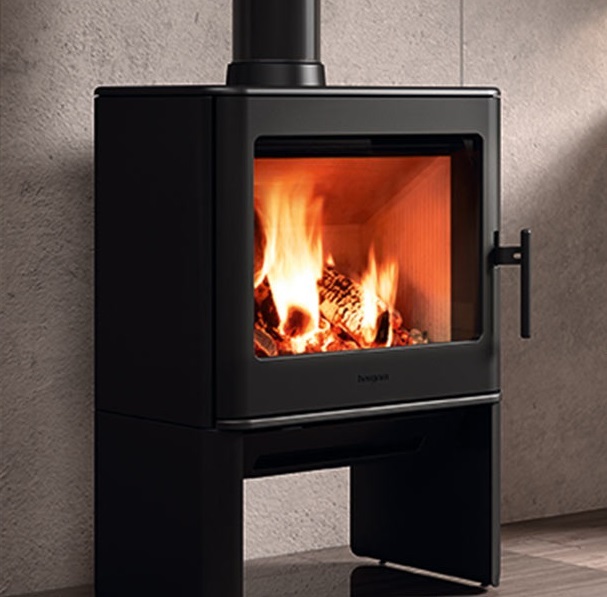
A standalone fireplace adds real heat without the cost and disruption of knocking through walls. Learn the 3 main types available in South Africa, what they cost, and how to choose the right one for your home.
A standalone fireplace is one of the most practical choices you can make when you want real warmth at home — no knocked-out walls, no builders ripping up plaster, no months of waiting. You decide where you want it, the flue goes up and out, and you have heat by the weekend. That’s the headline appeal. But “standalone” covers more ground than most buyers realise, and picking the wrong type — even a quality unit — can mean disappointing heat output, ongoing fuel costs you didn’t budget for, or an installation that still turns out to need more work than expected.
This guide breaks down the three main types you’ll find in our fireplace collection, explains what each type actually costs in South Africa, and gives you the key questions to settle before you commit.
What Exactly Is a Standalone Fireplace?
The term gets used loosely. In practice, a standalone fireplace — also called a freestanding fireplace — is a self-contained unit that stands on its own legs or base, is not built into a wall cavity, and can (in most cases) be positioned without significant structural change to the room.
That distinguishes it from built-in fireplaces, which require a chase or cavity built into or through the wall. It also differs from inserts, which slot into an existing open-hearth fireplace to improve efficiency. When comparing options in detail, the guide on choosing between freestanding and built-in fireplaces covers the structural and cost differences side by side.
Standalone units trade some heat-retention mass for flexibility. Because they’re not embedded in brick or concrete, they tend to heat the room quickly but cool down faster once the fire dies. For most households that want warmth on demand — rather than 24-hour radiant heat from a thermal-mass wall — that’s a perfectly reasonable trade-off.
The 3 Main Types of Standalone Fireplace
1. Wood-Burning Freestanding Units
The most popular choice in South Africa — and for good reason. A wood-burning freestanding fireplace runs on locally available fuel, keeps working through load-shedding (no electricity required), and delivers the kind of radiant heat that genuinely warms a room rather than just the air near the appliance.
Modern freestanding wood-burners are almost universally closed-combustion designs: glass-fronted, air-controlled, and far more efficient than an open fire. Brands like Hydrofire, Sentinel, and Kratki manufacture units that achieve combustion efficiencies above 75%, meaning more of your firewood becomes heat rather than smoke and creosote.
What to look for: kW output matched to your room size (roughly 1 kW per 10 m² of well-insulated space, more in Cape Town’s drafty older homes or any room with high ceilings), a flue collar diameter and height that suits your ceiling configuration, and a hearth that meets fire-safety clearance distances from combustible materials.
Load-shedding note: Wood-burning units run entirely off-grid. No gas supply, no electrical connection — just firewood. That makes them the default choice for households where reliability during outages is a priority.
2. Freestanding Gas Fireplaces
Freestanding gas fireplaces have grown in popularity, particularly in urban apartments and homes where sourcing or storing firewood is impractical. A gas unit connects to LPG (the most common option in SA residential settings) or natural gas where available, and produces instant, controllable heat — often with a flame effect that closely resembles a wood fire.
The appeal is real: turn a dial or remote, heat appears within seconds, no ash to deal with, and no fuel to haul inside. The trade-off is ongoing LPG cost, which tends to be higher per unit of heat than well-sourced local firewood. For a detailed breakdown of the numbers by room size and fuel price, the gas vs wood-burning fireplaces comparison runs the full calculation.
Coastal and apartment note: In areas where body corporate rules limit flue penetrations, a flueless gas unit with proper LPG ventilation may be an option. Always confirm with your installer whether a flue is required for the specific model — this affects both cost and installation timeline significantly.
3. Bioethanol and Electric Units
Bioethanol fires burn denatured alcohol and require no flue at all. Electric fires produce flame effects via LEDs and heat via resistance elements or heat pumps. Both are genuinely flue-free, which means they can go almost anywhere.
The reality check: bioethanol produces noticeably less heat than a wood or gas unit of similar visual size, and the fuel cost per kW/h of heat is significantly higher than either wood or gas in South Africa. Electric units are limited by load-shedding unless you have inverter backup, and their maximum output is modest for large rooms.
These types are worth considering for aesthetic purposes in spaces that cannot accommodate a flue — a bedroom or internal room, for instance — but they’re rarely the right choice as the primary heating source for a living room or open-plan space.
Standalone Fireplace Prices in South Africa
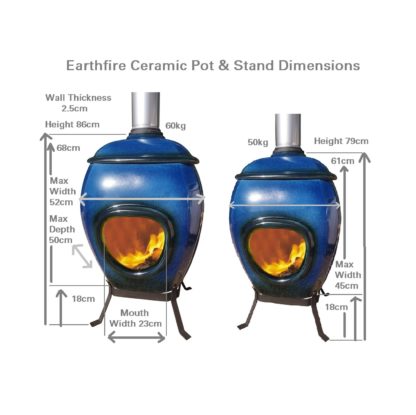
Price ranges shift with brand, kW rating, material, and installation complexity. Here’s a realistic guide as of mid-2026:
| Budget | What you get |
|---|---|
| R5,000 – R12,000 | Entry-level wood-burning units (smaller local brands, 8–12 kW output), basic powder-coat finish. Suitable for single rooms up to approximately 25 m². Installation costs are additional to unit price. |
| R12,000 – R25,000 | Mid-range freestanding wood-burners (Hydrofire, Sentinel, Kratki mid-range). Better combustion seals, improved efficiency ratings, longer warranty periods. The most popular price band for Cape Town family homes. |
| R25,000 – R50,000+ | Premium cast-iron or designer units (Dovre, Morso, Godin, Kratki Designer Series). Outstanding heat retention, very long service life, statement aesthetics. Freestanding gas units also appear in this range. |
Installation adds roughly R3,000 – R12,000 depending on flue length and routing. Twin-wall flue (for internal routing through a ceiling and roof) costs more than a single-wall pass-through an exterior wall. The fireplace installation cost guide covers all the variables in detail, including what affects the quote most.
How to Pick the Right One for Your Space
The primary question isn’t which type looks best — it’s which type can reliably heat your space at a running cost you’re comfortable with.
Start with the room: What’s the floor area? How many exterior walls and windows does it have? Is it open-plan or enclosed? A 20 kW unit in a 20 m² room will overheat it; a 6 kW unit in a 60 m² open-plan will barely register. Output matched to space is the single most important specification decision you’ll make.
Then consider fuel access: Do you have room to store half a cubic metre of dry firewood? Can you get LPG delivered to your address reliably? For many buyers, the honest answer to these questions determines the type — not aesthetics.
Flue route matters more than buyers expect: Even a “standalone” unit almost always needs a flue. Planning where it exits the building — through an exterior wall or up through a ceiling and roof — affects installation cost substantially. Hydrofire publishes detailed flue installation specifications on their website that give you a useful preview of what’s typically involved before you request a quote.
For a structured decision process room by room, how to choose the perfect fireplace for your home is a good starting point.
Frequently Asked Questions
Does a standalone fireplace need a flue?
Almost always, yes — unless it’s a bioethanol or electric unit. Wood-burning and gas freestanding fireplaces produce combustion gases that must be vented outside safely. The flue can exit through a wall or roof depending on the layout; your installer will advise on the most practical route for your property and the specific unit.
Can I move a standalone fireplace to a different room later?
The unit itself can move, but the flue penetration stays where it is. Relocating the fireplace means a new flue exit point and the old one sealed — not a trivial job. Gas units connected to a rigid supply pipe are even less flexible. If true portability is a requirement, a bioethanol unit or a mobile gas appliance with a cylinder connection is a more practical fit.
How much firewood does a standalone fireplace use per winter?
A typical 12 kW unit burning for 4–5 hours per evening will consume roughly 10–15 kg of hardwood per session. Over a full Western Cape winter (approximately 12 weeks of regular use), that’s around 500–700 kg of wood. Sourcing dry, dense hardwood — bluegum is widely available in the Western Cape — makes a meaningful difference to both burn time and the heat you get from each load.
Are standalone fireplaces safe around children?
Modern closed-combustion units have glass fronts that reach high temperatures during use. Safety guards and hearth barriers are available as accessories and are strongly recommended for families with young children. Required clearance distances from combustibles (furniture, curtains, flooring) apply to every unit; your installer will specify these during the professional fireplace installation assessment.
Ready to Install?
A standalone fireplace is, for most homeowners, the fastest path to reliable winter warmth — installation measured in days rather than weeks, and a result that adds genuine value to a home. The key is matching the type, output, and fuel source to what your space actually needs.
If you’re ready to narrow down the options, request a free installation quote and a Fire Flame consultant will assess your space, recommend the right unit, and give you a clear price before any work begins.
Related Reading
- Freestanding vs Built-In Fireplaces: Which Suits Your Home?
- What Fireplace Installation Really Costs in South Africa
- Gas vs Wood-Burning Fireplaces: A Practical Comparison
- How to Choose the Perfect Fireplace for Your Home
Related reading
- Can You Install a Fireplace in an Existing Home? Yes — Here's How
- Combustion Fireplace Installation: How It Works, Costs & Compliance
- Need it done professionally? See our fireplace installation in Cape Town service.
Planning this kind of work?
Call or WhatsApp with your suburb and photographs. Fire Flames can discuss your fireplace, braai or home project and quote.
Get A Quote →