
The Right Heating Stove Can Warm Your Whole Home — Here’s What to Look For
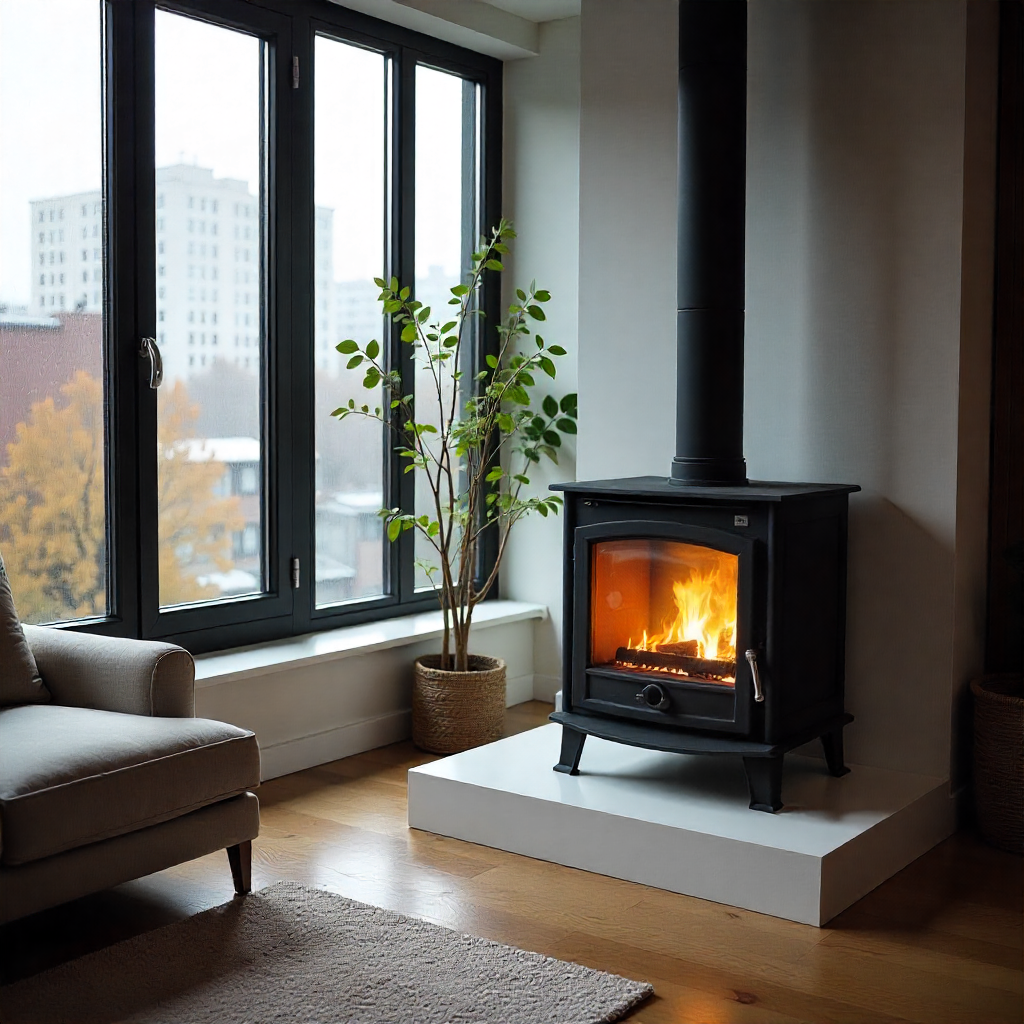
A heating stove can cut your electricity bill and keep you warm through load-shedding. Here's how to choose the right type, output, and brand for your home and budget.
A heating stove is one of the most practical investments a South African homeowner can make — it keeps you warm when load-shedding hits, cuts your electricity spend, and can genuinely heat more than one room when sized correctly. But the gap between a unit that heats a single bedroom and one that warms a 90 m² open-plan living space comes down to a handful of specs that most sellers skip past. Browse our freestanding fireplaces to get a sense of what’s on the market, then read on to know exactly what you’re looking at.
What Makes a Heating Stove Different From a Standard Fireplace
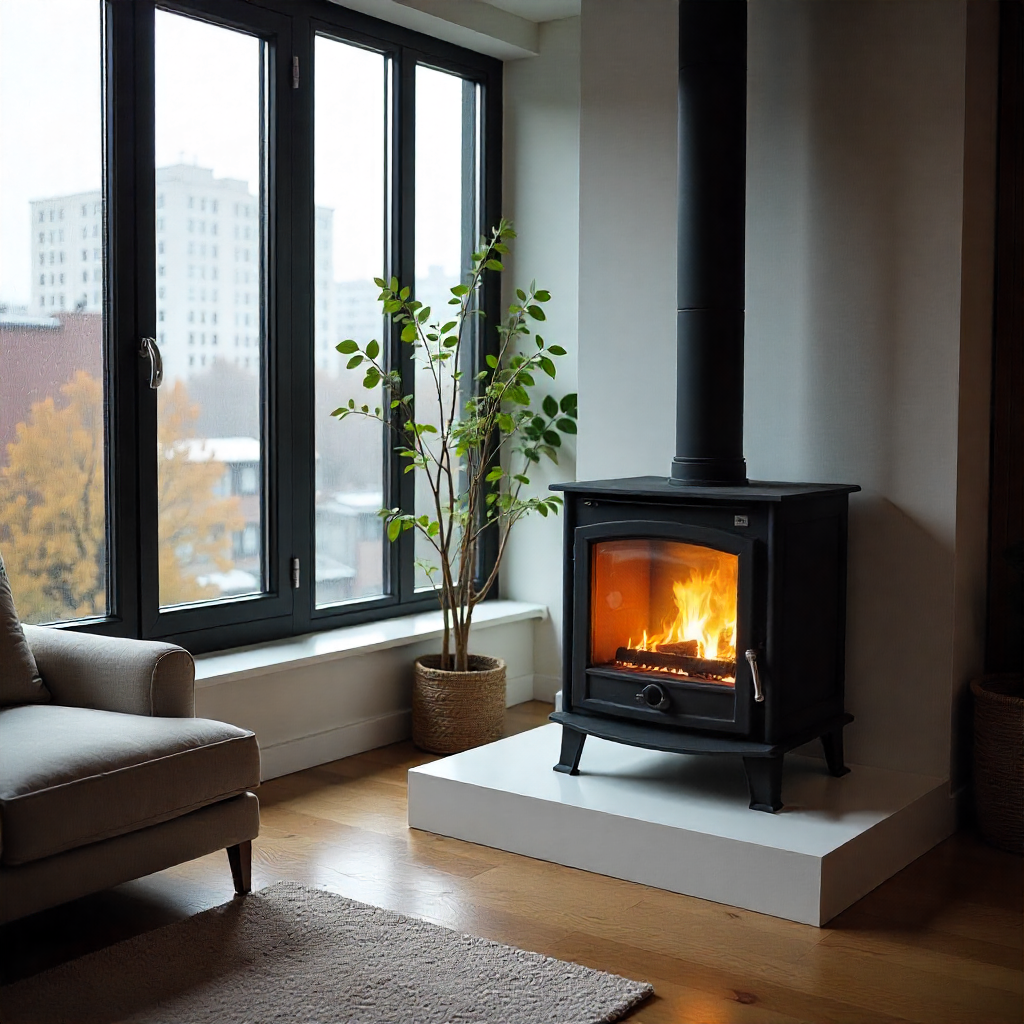
An open fireplace is essentially a campfire inside your house — romantic to look at, but most of its heat exits through the chimney. A closed-combustion heating stove seals the firebox and controls airflow precisely, forcing exhaust gases through the flue while retaining the bulk of the heat in the room. A quality 10 kW closed-combustion unit can warm a 70–100 m² open-plan area. An open fireplace the same size mostly warms the person sitting directly in front of it.
The secondary benefit: closed combustion burns wood far more cleanly. You’ll use less firewood per hour, produce less smoke, and build up less creosote in your flue. If you haven’t settled on format yet, our comparison of freestanding vs built-in fireplaces walks through the practical trade-offs.
Types of Heating Stove Available in South Africa
Freestanding wood-burning stoves
The most common choice. These stand independently on a hearth pad, connect to a flue that exits through the wall or ceiling, and can be disconnected and moved if you sell the house (though the flue infrastructure stays). Brands like Dovre, Morso, Sentinel, Invicta, and Hwam all have local representation.
Insert stoves (built-in format)
If you have an existing fireplace surround that isn’t heating your home effectively, an insert can transform it into a proper appliance without major construction. These slot into the opening and connect to the existing chimney. See our range of built-in fireplaces for what’s available.
Cast iron vs steel bodies
Cast iron takes longer to heat up but holds warmth after the fire dies — useful in sleeping areas where you want residual heat overnight. Steel heats a room faster, which suits spaces you fire up briefly before guests arrive. Most well-made mid-range stoves use a combination: steel body with cast-iron door panels.
Multi-fuel stoves
Some models burn wood and coal. Coal burns hotter and longer, but it’s harder to source reliably in many SA towns, and not every stove is rated for it. Always confirm fuel compatibility before buying. For a broader comparison of energy sources, our post on gas vs wood-burning fireplaces covers the running-cost trade-offs in detail.
Heating Stove Prices in South Africa
Costs vary by output, brand, and material quality. Here’s what each budget tier realistically gets you:
- R8,000–R15,000: Entry-level freestanding units, typically 5–8 kW, suited to a single room or small open-plan area. Mostly Eastern European or Chinese-manufactured brands. Adequate for budget buyers, but inspect build quality carefully — door seals and glass gaskets are where corners get cut.
- R15,000–R30,000: The sweet spot for most SA buyers. You’ll find solid performers from Dovre, Invicta, and Sentinel in this range, with 8–12 kW outputs and proper slow-combustion chambers. These units typically last 15–20 years with basic maintenance.
- R30,000–R55,000+: Premium Scandinavian brands (Morso, Hwam, Rais). Higher combustion efficiency (75–85%), designer aesthetics, and in some cases advanced secondary combustion systems that burn wood gases that cheaper stoves let escape. The price is justified if you run the stove heavily and want lower wood consumption.
These are unit-only prices. Installation — flue system, hearth pad, and professional fitting — adds R8,000–R20,000 depending on the route and access. For a complete picture, see our full breakdown of what fireplace installation costs in South Africa.
Key Specs That Actually Matter
kW output
The single most important number. A practical rule of thumb: 1 kW heats roughly 10 m² in a well-insulated home. For a 60 m² open-plan living area, you want at least a 6 kW unit — but in a poorly insulated older home or a Cape Town property exposed to south-easters, add 20–30% buffer. An undersized stove running flat out wears faster and costs more in wood than a properly sized one ticking along at 60% capacity.
Combustion efficiency
A closed-combustion efficiency of 70% means 70 cents of every rand’s worth of wood enters your room as heat. Decent units hit 73–78%; premium models reach 82–85%. The difference compounds over a winter season in wood costs.
Firebox size and burn time
A larger firebox takes bigger logs and achieves longer burn times without reloading. Mid-range stoves typically run 3–5 hours on a full load. Premium slow-combustion units can achieve 6–8 hours — useful if you want the fire to carry through the night.
Airwash system
Warm air directed across the inside of the glass door keeps it clear. Without a working airwash, you’ll have a sooty panel and lose the visual benefit of watching the fire. This is a standard feature on good stoves but is often omitted or undersized on budget units.
Installation: What’s Involved and What It Costs
A compliant heating stove installation in South Africa requires the following:
- A certified flue system. Either a twin-wall insulated metal flue (through the ceiling and roof) or a masonry chimney. An undersized or poorly fitted flue is the most common cause of smoking problems and a serious fire risk. Our post on insulated flues for your fireplace explains why the flue choice matters as much as the stove itself.
- A non-combustible hearth pad. Required to protect the floor. Minimum dimensions vary by stove model but typically extend at least 300 mm in front of the door and 150 mm to each side of the unit.
- SANS 10400-T compliance and a Certificate of Compliance (CoC). Under South African National Standards, the installation of any combustion appliance must meet the requirements of SANS 10400 Part T. A registered installer will issue a CoC — required for home-insurance coverage and when selling your property.
- Adequate air supply. Modern well-sealed homes may need a dedicated external-air duct to supply the stove’s combustion air without depressurising the room.
Our team provides professional fireplace installation across Cape Town and the surrounding areas, including full flue installation and CoC issuance. Request a free installation quote to get sizing recommendations and a fixed-price estimate for your home.
Load-Shedding and a Heating Stove: Why the Timing Is Right
Many modern gas fireplaces rely on electronic ignition — they go dark the moment the power drops. A wood-burning heating stove is completely off-grid: it lights with a match and heats regardless of what stage Eskom is on. That reliability is a genuine advantage that’s hard to overstate in the current SA context. If you’re still comparing formats, explore our full range of fireplaces — wood, gas, and combination options — to see what fits your load-shedding plan and lifestyle.
Frequently Asked Questions
How much wood does a heating stove use per day?
A mid-range 8–10 kW stove running 6–8 hours will burn roughly 15–25 kg of well-seasoned hardwood. Wet or green wood burns inefficiently and increases this figure significantly — always use wood with a moisture content below 20%. Kiln-dried or properly seasoned hardwoods like rooikrans or bluegum give the cleanest burn and lowest creosote build-up.
Can one heating stove heat multiple rooms?
Yes, in an open-plan layout where heat can circulate freely. Separate closed rooms need either additional heat sources or a stove with a ducted warm-air distribution system. Our guide to choosing the right fireplace for your home covers how to assess this for your specific layout.
Do I need planning permission to install a heating stove in South Africa?
No separate planning permission is typically needed, but the installation must comply with SANS 10400-T building regulations and must be performed by a registered installer who can issue a Certificate of Compliance. Some Cape Town and other metropolitan areas also have bylaws limiting smoke emissions — confirm with your municipality before buying.
What’s the difference between a heating stove and a slow-combustion fireplace?
Functionally, they describe the same thing. “Slow combustion” refers to the combustion method — controlled air supply, extended burn times, higher efficiency. “Heating stove” describes the intended use. All slow-combustion fireplaces are heating stoves by design; the term “slow combustion” is just more common in the South African retail and installation trade.
Ready to Choose the Right Heating Stove?
The right unit matched to your space and properly installed will pay back its cost in lower energy bills and real comfort over many winters. Start by browsing our freestanding fireplace range — or get in touch with our team for a no-obligation conversation about what output, format, and brand suits your home best.
Related reading
- Can You Install a Fireplace in an Existing Home? Yes — Here's How
- Combustion Fireplace Installation: How It Works, Costs & Compliance
- Need it done professionally? See our fireplace installation in Cape Town service.
Planning this kind of work?
Call or WhatsApp with your suburb and photographs. Fire Flames can discuss your fireplace, braai or home project and quote.
Get A Quote →