
Chimney Stoves: 5 Best Proven Options for Reliable Heat
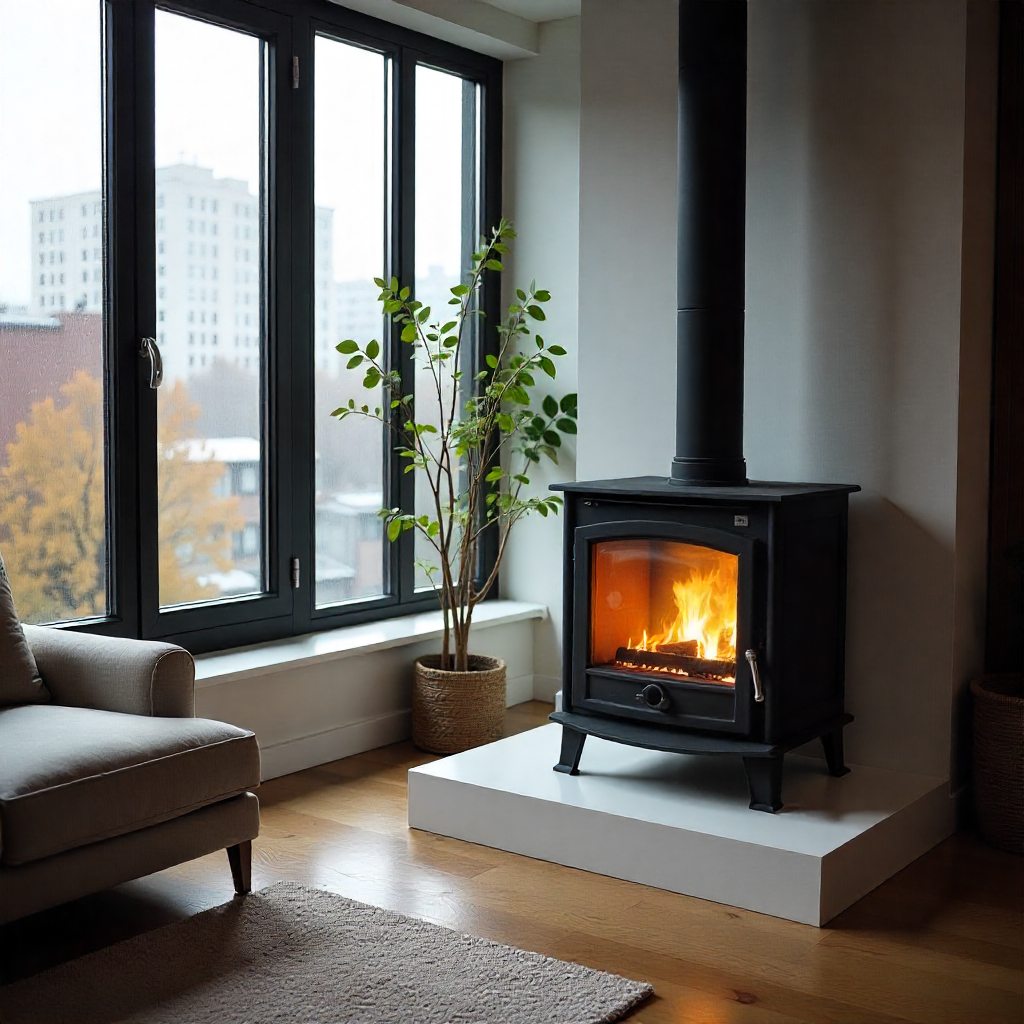
Chimney stoves offer powerful, efficient heat — but which type suits your home and budget? We compare 5 proven options with real SA price ranges and installation tips.
If you’re shopping for serious home heating, chimney stoves are hard to beat. Unlike electric panel heaters or flueless gas units, a chimney stove burns wood through a properly installed flue system — and that combination of radiant and convective heat can warm a large room (or even two) in a way plug-in heaters simply can’t match. If you want to browse freestanding fireplaces that work with a chimney or twin-wall flue, you’ll find the variety in this category larger than most people expect.
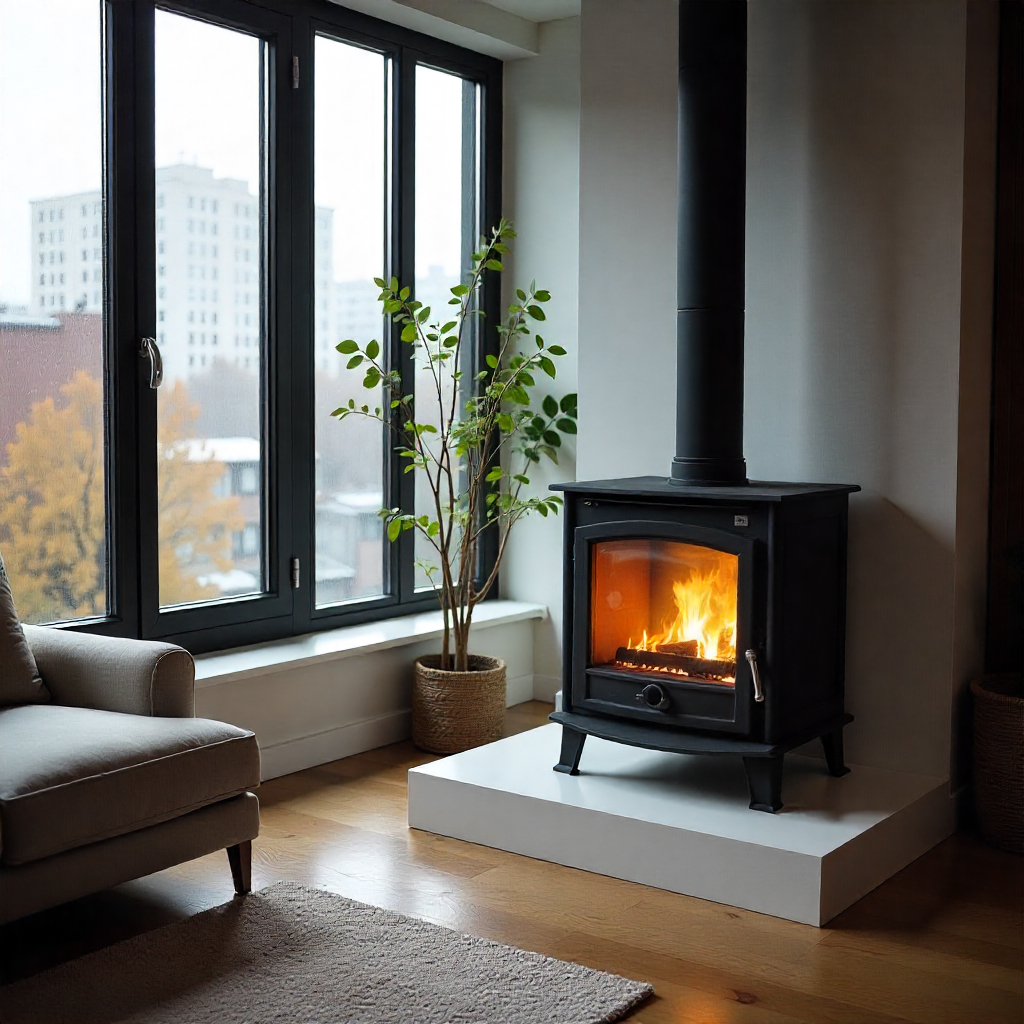
This guide breaks down five of the best chimney stove types available in South Africa, what each one costs, and the key things to check before you buy or install one.
What Makes a Chimney Stove Different?
A chimney stove is any solid-fuel appliance that exhausts combustion gases through a dedicated flue — either a traditional masonry chimney or a twin-wall insulated flue system built specifically for the stove. That closed exhaust path is what makes them both safe and efficient: combustion air is controlled, smoke goes up and out, and heat stays in the room instead of escaping up an open throat.
Compare this to an open fireplace, where most of the heat — and plenty of room air — gets drawn straight up the chimney. A good chimney stove typically operates at 65–80% efficiency, while a traditional open fireplace sits closer to 20–25%. Over a Cape Town winter, that difference is real money.
The other advantage is load-shedding resilience. Chimney stoves run entirely on wood — no electricity, no gas supply — which has made them one of the most popular heating choices in South Africa over the past five years.
5 Types of Chimney Stoves Worth Considering
The market for chimney stoves covers a wide range of styles, outputs, and price points. Here are the five categories you’ll encounter most often in South Africa.
1. Freestanding Closed-Combustion Wood Stove
This is the most common type and, for most homes, the practical sweet spot. A freestanding closed-combustion stove has a sealed firebox with primary and secondary air controls, a glass viewing panel, and a flue outlet at the top or rear. You place it in a room — typically on a non-combustible hearth pad — connect it to a flue, and you’re heating.
Outputs typically range from 6 kW to 18 kW. For a typical 30–45 m² open-plan living area in a Cape Town home, a 10–12 kW unit is usually sufficient. A well-insulated room in the Boland might get away with 8 kW; a draughty older home in the Southern Suburbs needs more.
Price range: R8,000–R30,000 for the unit itself, plus R6,000–R14,000 for a twin-wall flue system and professional installation. Understanding what fireplace installation costs in South Africa helps you budget accurately before you start.
2. Multi-Fuel Freestanding Stove
Multi-fuel stoves are designed to burn wood and coal — useful in areas where good hardwood is scarce or expensive, or where coal is cheaper to source. They have a grate-and-riddling system that lets ash fall through, whereas pure wood-burners typically have a solid base that suits slow, smouldering wood fires better.
In practice, most South African buyers use multi-fuel stoves primarily on wood, treating the coal option as a backup. If you’re in a coastal town where wood availability is reliable, a wood-only stove is simpler and cheaper. If you’re in an inland town near coal supply, the multi-fuel option earns its keep.
Price range: R10,000–R35,000 for quality units with decent output. The extra grate engineering adds some cost over a basic wood-only stove.
3. Cast Iron Wood-Burning Stove
Cast iron stoves are the classic chimney stove — heavy, slow to heat up, but they hold heat exceptionally well and keep radiating warmth long after the fire has died down. They suit homes where you want sustained background heat through the night rather than quick-response warmth for a few hours.
The weight is a genuine consideration: large cast iron stoves can exceed 150 kg, so your floor and hearth need to handle it. They’re also slower to cool, which can be a drawback in spring and autumn when you only need a couple of hours of heat.
Cast iron is naturally resistant to corrosion — relevant in Cape Town’s coastal environment, where steel stoves can suffer more from humid, salt-laden air. You’ll find quality cast iron options in our range of fireplaces that perform well near the coast without the rust concerns some steel stoves present.
Price range: R9,000–R28,000, depending on brand, size, and finish.
4. Contemporary Steel Chimney Stove
Steel stoves heat up faster than cast iron — within 20–30 minutes of lighting, a steel stove is pushing warm air into the room. They’re also lighter, easier to position, and available in a wider range of modern designs (clean lines, matte black, glass fronts).
Steel does need a bit more care in coastal climates — look for 304-stainless steel construction or powder-coated interiors that resist corrosion. Most quality contemporary steel stoves sold in South Africa now include this as standard.
These are popular with architects and interior designers because they integrate well with modern finishes. If choosing between freestanding and built-in fireplaces is part of your decision, steel freestanding stoves offer far more flexibility on placement — you’re not locked into a fixed wall opening.
Price range: R8,500–R32,000.
5. Wood-Burning Insert (Built-In Chimney Stove)
If your home has an existing open fireplace or a prepared masonry opening, a wood-burning insert is a chimney stove that slots in and dramatically improves efficiency. You keep the visual of a fireplace but gain the combustion control of a closed stove.
Inserts need a flue liner run down the existing chimney, which adds some installation complexity — but the result is a highly efficient heater in a space that previously lost most of its heat up the flue. They’re among the most cost-effective upgrades for period homes with original open fireplaces. The team at professional fireplace installation can assess whether your existing opening is suitable and what liner work is required.
Price range: R12,000–R45,000 installed, depending on insert size and liner length.
Flue and Chimney Requirements
Every chimney stove — regardless of type — must be connected to a dedicated flue. You have two options: an existing masonry chimney (with a liner if needed) or a new twin-wall insulated flue pipe run up through the ceiling and out the roof. Twin-wall systems are more commonly installed in modern SA homes and are fully compliant with South African building regulations. The South African Bureau of Standards sets the specifications chimney installers must follow to issue a valid Certificate of Compliance.
It’s worth reading up on why insulated flues are worth it before committing to a cheaper single-wall option. Insulated twin-wall systems draw better, reduce creosote build-up, and last significantly longer — especially in the coastal Western Cape where temperature swings accelerate wear on uninsulated pipes.
Once your stove and flue are installed, factor in annual chimney sweeping services — a swept chimney is safer, draws better, and extends the life of your flue liner. A well-maintained system also ensures you can clean and maintain your chimney without surprises when the cold months arrive.
What Should You Budget for a Chimney Stove Installation?
Budget varies widely depending on the stove type, flue configuration, and whether you need hearth work. As a rough guide for the Cape Town area:
- Entry-level chimney stove + basic twin-wall flue: R18,000–R28,000 all-in
- Mid-range quality stove + full insulated flue system: R30,000–R50,000
- Premium stove + custom surround + long flue run: R55,000–R90,000+
These ranges include the unit, flue components, installation labour, a non-combustible hearth pad, and a Certificate of Compliance. They don’t include major structural work like knocking through an external wall for a new flue penetration — that adds R5,000–R15,000 depending on wall type. If you’re comparing options, choosing the right fireplace for your home covers the key considerations beyond just chimney stoves.
Frequently Asked Questions
Do chimney stoves work during load-shedding?
Yes — chimney stoves run on wood only, with no electrical components. They’re one of the most load-shedding-proof heating options available. Some models include a blower fan for better heat distribution, but the stove itself will heat your room regardless of whether the power is on.
How much wood does a chimney stove use per night?
A 10 kW stove run at moderate output for 4–5 hours typically burns 8–12 kg of well-seasoned hardwood. Unseasoned or softwood burns faster, produces more creosote, and gives less heat — always use dry, properly seasoned wood with a moisture content below 20%.
Can I install a chimney stove in a Cape Town townhouse or sectional title?
Possibly, but you’ll need body corporate approval and a compliant flue run. Twin-wall flue systems can often be run externally up a side wall, which avoids the need for internal roof penetrations. Speak to a registered installer early — our installation team has handled many townhouse and sectional title installs and knows what the body corporate compliance process typically requires.
How often does a chimney stove need servicing?
Once a year, ideally before winter. Annual chimney sweeping removes creosote and soot build-up, and a good sweep includes a flue inspection to catch worn seals or cracked liners before they become safety issues. Booking early (March–April) avoids the pre-winter rush.
Ready to Find Your Chimney Stove?
Chimney stoves are a long-term investment in comfort, warmth, and — during load-shedding — peace of mind. The right unit for your home depends on room size, your existing flue situation, and how you heat: whether you want a quick evening fire or sustained overnight heat. If you’re still weighing your options, explore our freestanding fireplace range to see the full selection, or request a free installation quote and our team will help you size and spec the right stove for your home.
Planning this kind of work?
Call or WhatsApp with your suburb and photographs. Fire Flames can discuss your fireplace, braai or home project and quote.
Get A Quote →