
Buying a Chimney? 5 Essential Checks Before You Spend a Rand
Finding a chimney for sale is the easy part. Buying the right one is where most SA homeowners trip up. Here are five essential checks — plus real Rand price ranges — before you commit.
Finding a chimney for sale in South Africa is easy — finding the right one is where most buyers come unstuck. Whether you are adding a fireplace to an existing home, upgrading an old open hearth, or installing a wood-burning stove from scratch, the chimney system you choose determines how well your fireplace performs, how safe it is, and how long it lasts. This guide covers the five checks that matter most, plus realistic price ranges so you know what to budget before you spend a rand.
Before diving in, it helps to pair the right flue system with the right heat source — browse our full range of fireplaces to see what is available.
What a Chimney for Sale Actually Means in South Africa
The word chimney gets used loosely. In practice, SA buyers shopping for a chimney for sale are usually looking for one of these:
- Chimney cowls and caps — the protective top fitted to an existing flue to keep out rain, birds and downdrafts. The cheapest entry point (R400–R2,500).
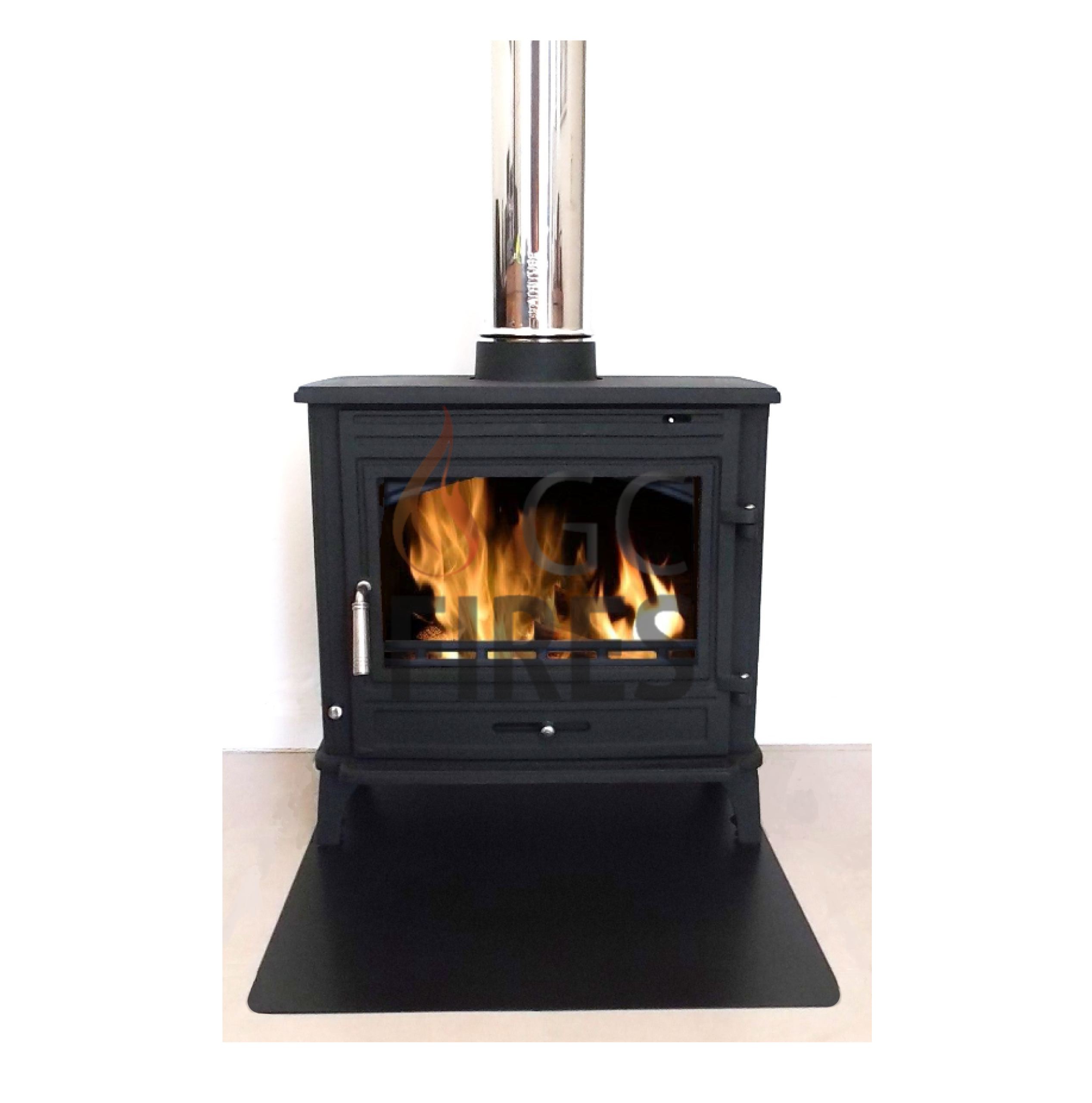
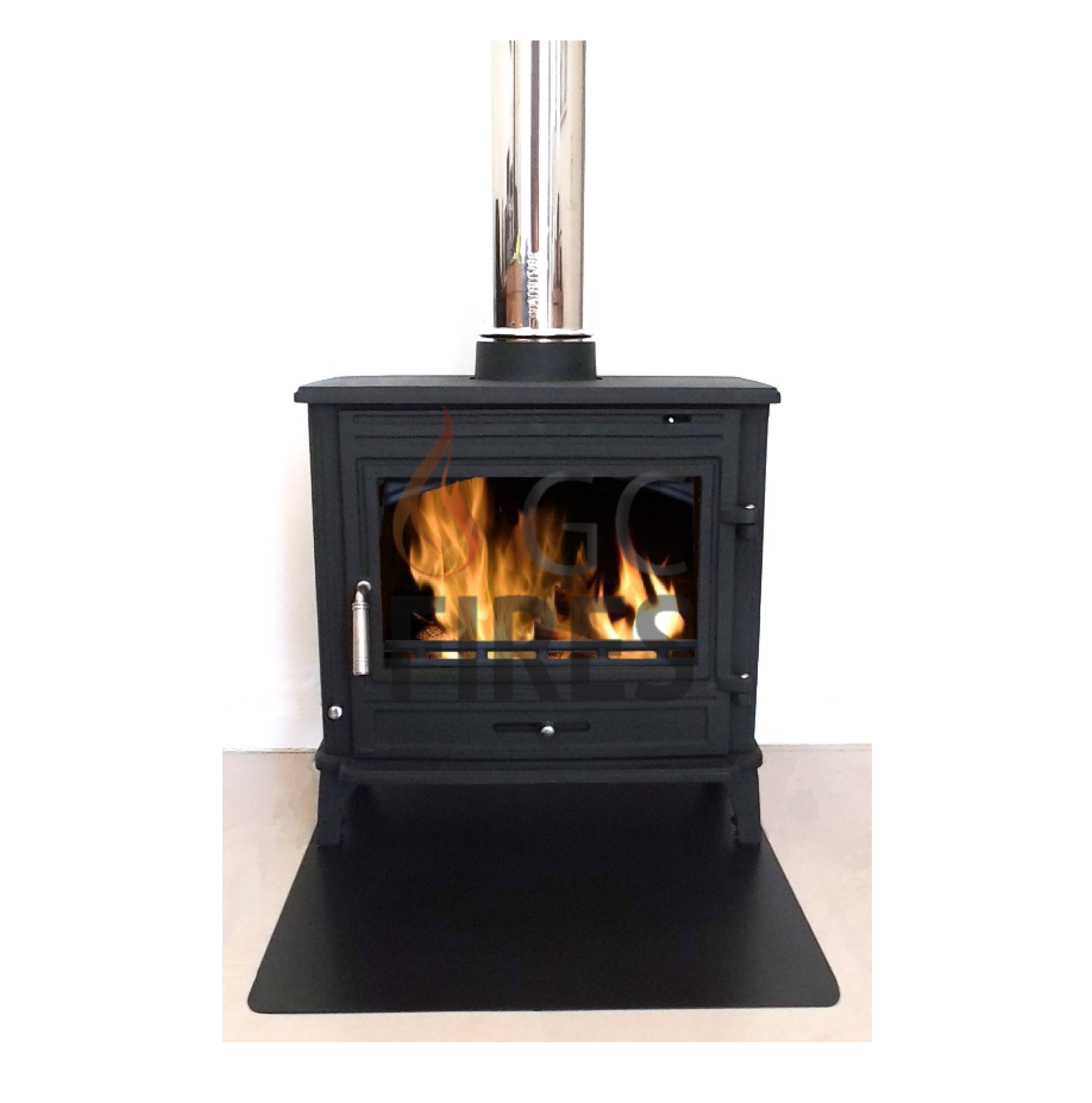
- Twin-wall insulated flue systems — the industry standard for modern closed-combustion fireplaces and wood-burning stoves. A sealed, double-skin stainless-steel pipe system that runs inside or outside the structure.
- Flexible flue liners — used to reline an existing masonry chimney that is deteriorating or the wrong diameter for a new appliance.
- Prefabricated chimney kits — complete systems from collar to rain cap, often sold by brands such as Schiedel and Poujoulat, designed to integrate with a specific fireplace model.
Most homeowners searching for a chimney for sale actually need a twin-wall flue system — and that is where the real purchasing decisions lie.
5 Essential Checks When Shopping for a Chimney for Sale
1. Does the Flue Diameter Match Your Fireplace?
This is the most common — and most expensive — mistake. The flue diameter must match the outlet collar of your fireplace or stove exactly. Common sizes are 150 mm, 175 mm, 200 mm and 250 mm. If you are shopping for a freestanding wood-burning fireplace, check the spec sheet for the outlet diameter before you order anything.
Mismatched diameters cause smoke spillage, poor draw, and in worst cases a carbon monoxide risk. If you are unsure, ask your installer to measure the fireplace collar before you buy any pipe.
2. How Much Height Do You Need?
A flue must terminate at least 500 mm above the highest point of the roof surface it penetrates — that is a South African building regulation requirement under SANS 10400-T. In practice, most residential installs use 4–6 m of flue pipe. Measure the full run from the fireplace collar to the roof exit, then add the above-roof section.
If you are buying a kit, confirm whether the price includes a wall bracket set, flashing plate and rain cap. These are frequently sold separately and can add R2,000–R5,000 to the total if you have not budgeted for them.
3. Stainless or Galvanised — Which Material Actually Lasts?
If you are anywhere near the coast — from Blouberg to Hermanus — you need 304 stainless steel as an absolute minimum. Galvanised flue systems corrode within a few years in salt-air environments, and replacing them costs more than the original saving. A twin-wall 304 stainless system costs more upfront, but it will outlast a galvanised pipe by a decade or more.
Inland buyers in Johannesburg, Pretoria or the Karoo can use aluminised or galvanised pipe at a lower price point, but 304 stainless is still the better long-term investment wherever you are. For full cost context, read our breakdown of what fireplace installation costs in South Africa — the chimney system is often 30–40% of the total bill.
4. What Does a Full Chimney System Cost?
Here are realistic price ranges for SA buyers:
| What you are buying | Price range |
|---|---|
| Chimney cowl / cap only | R400 – R2,500 |
| Single twin-wall flue section (1 m, 150 mm) | R800 – R2,000 |
| Twin-wall system, supply only (5 m, 150 mm) | R6,000 – R15,000 |
| Twin-wall system, fully installed (5 m) | R12,000 – R28,000 |
| Full fireplace + chimney system installed | R25,000 – R65,000+ |
The biggest variable is height. A double-storey home with a flue running from the ground floor to above a second-floor roofline costs significantly more than a single-storey bungalow. The fireplace type also matters — understanding the difference between freestanding and built-in fireplaces will help you nail down the right flue specification before you start pricing.
5. Who Is Installing It?
A chimney system is only as safe as its installation. SANS 10400-T and the National Building Regulations specify minimum clearance distances from combustibles, minimum flue heights and correct flashing requirements. An incorrectly installed flue can void your homeowner’s insurance in the event of a fire — and that is a risk not worth taking to save a few hundred rand on labour.
Always use a qualified installer who can issue a Certificate of Compliance (CoC) on completion. Our professional fireplace installation services cover everything from flue sizing through to the final CoC — if you are unsure about an existing setup, it is worth getting it inspected before winter sets in.
Chimney Types at a Glance
| Type | Best for | Typical cost |
|---|---|---|
| Chimney cowl / cap | Topping an existing flue | R400 – R2,500 |
| Twin-wall insulated flue | New closed-combustion fireplace install | R12,000 – R28,000 installed |
| Flexible liner | Relining an existing masonry chimney | R4,000 – R12,000 |
| Prefabricated chimney kit | Matched all-in-one systems | R8,000 – R25,000 |
For most SA homeowners adding a built-in closed-combustion fireplace or a freestanding wood-burning stove, the twin-wall insulated system is the default choice. It is safe, code-compliant and performs reliably in both coastal and inland climates when installed correctly.
Frequently Asked Questions
Can I replace just the chimney cowl without replacing the whole flue?
Yes — if your existing masonry chimney is structurally sound and the correct diameter, you can often simply replace or add a cowl at the top. A chimney sweep can inspect the flue interior to confirm the liner is intact before you spend on a new system. If you are still deciding on the heating solution itself, our guide to choosing the perfect fireplace for your home is a good starting point.
Do I need a Certificate of Compliance for a chimney installation?
Yes. Any new solid-fuel appliance installation in South Africa requires a Certificate of Compliance under the National Building Regulations. It is a legal requirement — and it protects your insurance claim if a fire ever occurs. Your installer must issue the CoC once the job is inspected and signed off.
What is the best chimney system for a coastal home?
304 stainless steel is the minimum for any coastal location. If you are right on the beachfront or in a high-humidity area, some installers recommend 316 stainless for maximum corrosion resistance. The price difference between 304 and 316 is typically 15–20%, which is money well spent when you are fifty metres from the Atlantic.
How long does a twin-wall flue system last?
A quality 304 stainless twin-wall flue system, professionally installed and swept annually, will typically last 20–30 years. Galvanised systems in coastal areas may need replacement within 5–10 years. Regular inspections and annual sweeping extend the life of any chimney significantly — it is the single cheapest thing you can do to protect the investment.
Ready to Find the Right Chimney Setup?
Whether you are starting from scratch or replacing an ageing flue, getting the chimney specification right before you buy saves money, avoids rework and keeps your home compliant. Browse our full fireplace collection to find the right heat source, then request a free installation quote — our team will size the flue, handle the compliance paperwork and manage the full install from start to finish.
Related Reading
Planning this kind of work?
Call or WhatsApp with your suburb and photographs. Fire Flames can discuss your fireplace, braai or home project and quote.
Get A Quote →