
Slow Burn Fireplaces: 5 Smart Advantages Every Homeowner Should Know
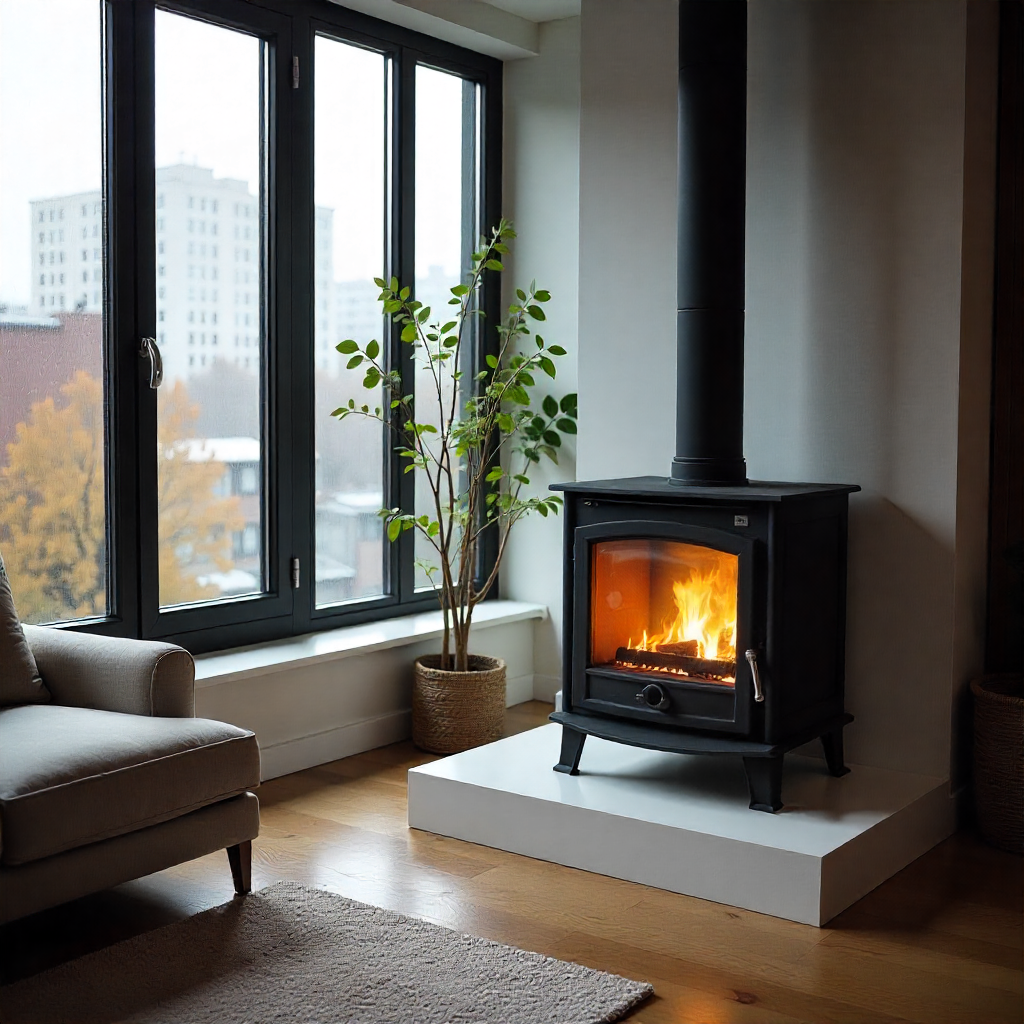
A slow burn fireplace can deliver up to five times more heat per log than a standard open fire — with less smoke, lower wood costs and better heat retention through winter.
A slow burn fireplace is one of the smartest heating investments a South African homeowner can make — delivering up to five times more usable heat per log compared to a traditional open wood fire, while burning cleaner and requiring far less wood to keep a room comfortable all evening. If you’re weighing up your winter heating options, here’s what makes slow burn technology worth serious consideration.
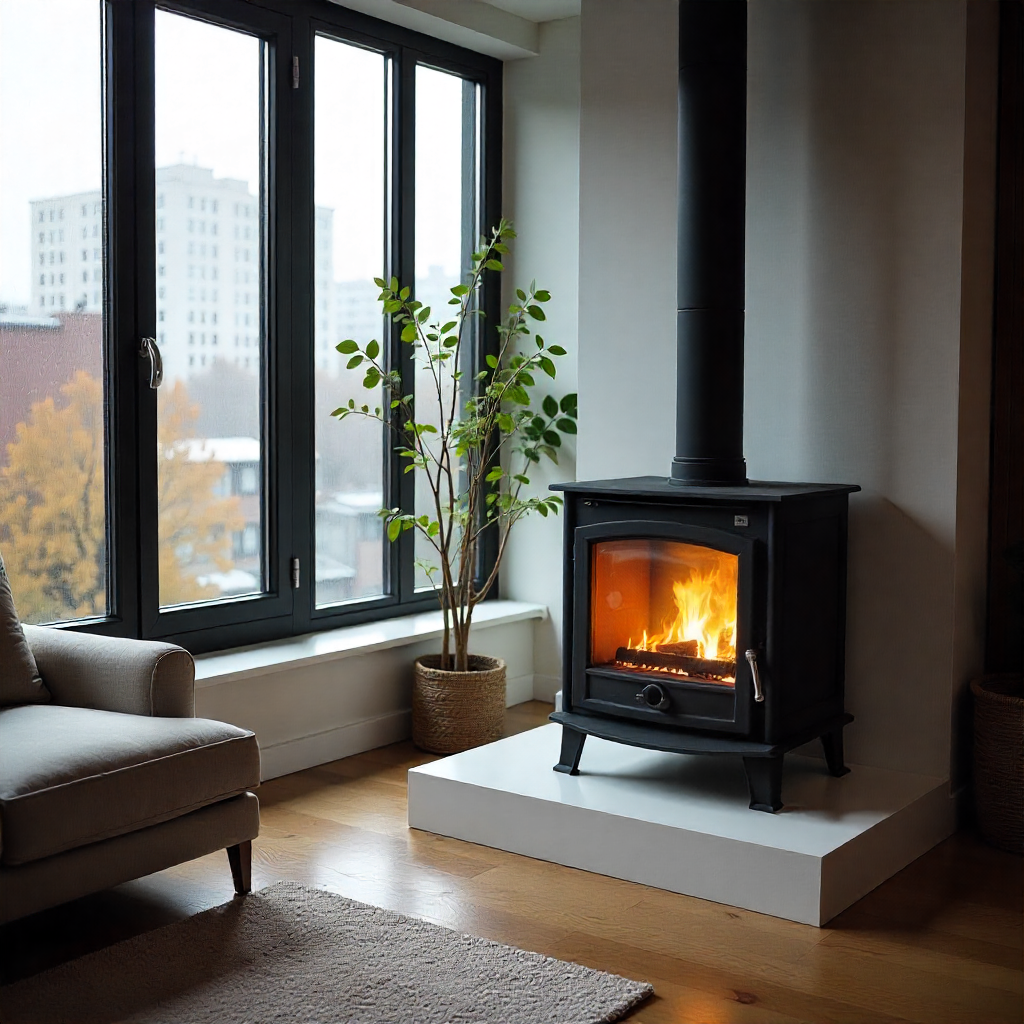
What Is a Slow Burn Fireplace?
A slow burn fireplace — often called a closed combustion or slow combustion fireplace — operates with a sealed firebox and controlled air vents that regulate exactly how much oxygen reaches the flame. Unlike an open fire, where heat largely escapes up the chimney and room air rushes in uncontrolled, a slow burn unit captures and recirculates heat through a glass-fronted chamber, radiating warmth steadily into the room for hours on a single load of wood.
The technology is well-established internationally. Organisations like HETAS — the UK’s authorised body for solid fuel heating — have been certifying slow combustion appliances for decades, and their efficiency ratings consistently outperform open hearths by a significant margin.
In South Africa, slow burn fireplaces are available as freestanding units, built-in fireboxes, and inserts that retrofit into an existing open fireplace — giving homeowners in Cape Town, Johannesburg, and beyond a range of options to suit different budgets and home layouts.
1. Dramatically Lower Wood Consumption
Perhaps the most compelling reason to choose a slow burn fireplace is how little wood it actually uses. Because air intake is controlled precisely, the fire burns at an optimal temperature for sustained periods rather than flaring and dying like an open fire.
In practice, a quality slow combustion unit can run comfortably on two to three logs per hour during peak heat periods — and throttle down to a gentle smoulder overnight on a single load. Compare that with an open fireplace, which can consume the same volume of wood in 30 to 40 minutes without ever warming a room as effectively.
Over a South African winter of four to five months, the wood cost difference is meaningful. Homeowners who heat primarily with firewood typically report saving 30–50% on their wood bill after switching to a slow burn system. For families already spending R2,000–R4,000 per season on wood, that’s real money back in the household budget.
2. Reliable Heat During Load-Shedding
South African winters and load-shedding make an uncomfortable combination. When the power goes out at 19:00 on a cold Cape Town evening, a gas heater, heat pump, or electric blanket is suddenly useless. A slow burn fireplace, on the other hand, becomes your most dependable asset.
Once a slow combustion fire is up to temperature, the sealed firebox retains heat efficiently and the unit continues radiating warmth regardless of what’s happening on the Eskom grid. Many homeowners also benefit from slow burn fireplaces with optional wetback systems that connect to a fireplace with geyser heating capability, providing domestic hot water during blackouts as well.
If load-shedding resilience is a priority, exploring your fireplace installation options with a specialist who understands wetback plumbing connections is well worth the conversation.
3. Cleaner Burn, Less Smoke and Maintenance
Open fires are notoriously smoky — a problem for the home environment and for neighbours. Slow burn fireplaces achieve much more complete combustion of the wood. The controlled air supply and higher sustained temperatures mean unburnt particles and smoke are significantly reduced.
This matters in two practical ways. First, your flue and chimney system accumulates far less creosote than it would from an open fire, reducing the frequency and cost of chimney cleaning. Second, the viewing glass self-cleans at temperature, so you keep a clear view of the flame without constant wiping. In densely populated suburbs where smoke drift can irritate neighbours or breach HOA rules, the low-emission profile of a slow burn unit also keeps you on the right side of community relations.
4. More Form Factors Than You’d Expect
One of the often-overlooked advantages of the slow burn category is how many installation styles it covers. Whether you’re building new, renovating, or retrofitting an existing fireplace, there’s almost certainly a suitable option:
- Freestanding slow burn fireplaces are the easiest to install and most budget-friendly, typically priced from R8,000 to R20,000 installed. They can be positioned against any compatible wall and moved if you relocate.
- Built-in slow burn fireboxes are fitted flush into the wall for a clean architectural finish. Expect to invest R25,000–R60,000 depending on the unit and installation complexity.
- Insert units slide into an existing open fireplace opening, converting a draughty, inefficient hearth into a high-efficiency slow combustion appliance — often the most cost-effective upgrade for older homes.
Our guide on freestanding vs built-in fireplaces goes into detail on which type suits different home layouts and budgets.
5. Long-Term Cost Efficiency
The purchase price of a quality slow burn fireplace is higher than an open grate or basic fire basket, but the long-term economics almost always favour the slow burn unit. Factors that contribute to the total-cost advantage include:
- Lower wood consumption (30–50% less fuel per season)
- Reduced chimney cleaning frequency due to lower creosote deposits
- Durability — quality cast iron and steel units last 15–25 years with minimal maintenance
- Potential property value uplift — a professionally installed built-in fireplace is increasingly a selling point in Cape Town and Johannesburg property listings
For a detailed breakdown of what installation involves, the complete fireplace installation cost guide covers ballpark ranges and what drives price variation across different unit types and scenarios.
Choosing the Right Slow Burn Fireplace for Your Home
When selecting a slow burn unit, the key variables are heating capacity (kW output) relative to room volume, flue requirements, and whether you need additional features like a wetback geyser connection.
As a practical sizing guide:
- Rooms up to 30 m² → 5–8 kW unit
- Open-plan spaces 30–60 m² → 10–14 kW unit
- Large open-plan or multi-room heating → 15 kW+ or a double-sided configuration
The flue system you pair with the unit also matters enormously for performance — an under-spec’d flue restricts draw and reduces efficiency regardless of how capable the firebox is. Always have your flue designed at the same time as the unit selection.
For coastal homes — particularly in Cape Town and surrounds — choosing 304-grade stainless steel flue components rather than painted steel is strongly recommended. Salt air accelerates corrosion on standard steel, and replacing a failed flue liner is a costly avoidable expense with the right specification from the start.
For a broader comparison of all fireplace types available in South Africa, read our guide to finding the perfect fireplace for your home — it covers heating performance, installation difficulty, and running costs side by side.
Frequently Asked Questions
Is a slow burn fireplace the same as a closed combustion fireplace?
Yes — the terms are used interchangeably in South Africa. Both refer to a fireplace with a sealed firebox, controlled air vents, and a glass-fronted viewing window that maximises combustion efficiency. Some suppliers also use “slow combustion” as a variant, but they all describe the same technology.
How does a slow burn fireplace compare to a gas fireplace?
Both offer significantly better heat control than an open fire. Gas fireplaces are instant-on and clean to operate, while slow burn wood fireplaces provide authentic crackle, atmosphere, and complete independence from gas supply infrastructure. Our gas vs wood fireplace comparison covers running costs and practical differences in detail.
What wood should I use in a slow burn fireplace?
Hardwoods with low moisture content — below 20% — perform best. Species like rooikrans, mopane, or well-seasoned blue gum are popular choices in South Africa. Wet or green wood causes excessive smoke, accelerates creosote build-up, and dramatically reduces combustion efficiency. A moisture meter is a worthwhile R200 investment if you’re unsure about your wood source.
How often does a slow burn fireplace need servicing?
Annual flue inspection and cleaning is recommended regardless of usage frequency. For heavy users burning daily through winter, a mid-season clean may also be warranted depending on wood quality and flue length. Regular servicing protects both the unit and your home from chimney fire risk — and helps catch small issues before they become expensive repairs.
Ready to Install a Slow Burn Fireplace?
A slow burn fireplace delivers load-shedding-proof warmth, lower wood bills, and years of reliable heat — making it one of the best home upgrades for South African winters. Whether you’re starting fresh or converting an existing open fire, the right unit and professional installation make the difference between a fireplace you love and one you tolerate.
Get a free installation quote from the Fire Flame Installers team — we’ll help you select the right slow burn unit for your room size, flue configuration, and budget.
Related reading
- Can You Install a Fireplace in an Existing Home? Yes — Here's How
- Combustion Fireplace Installation: How It Works, Costs & Compliance
- Need it done professionally? See our fireplace installation in Cape Town service.
Planning this kind of work?
Call or WhatsApp with your suburb and photographs. Fire Flames can discuss your fireplace, braai or home project and quote.
Get A Quote →