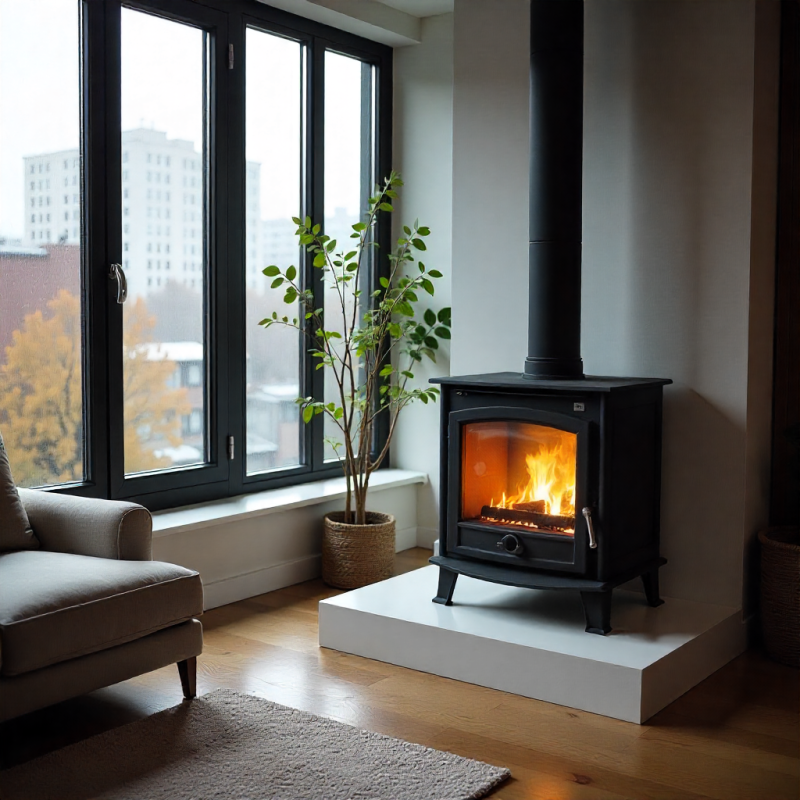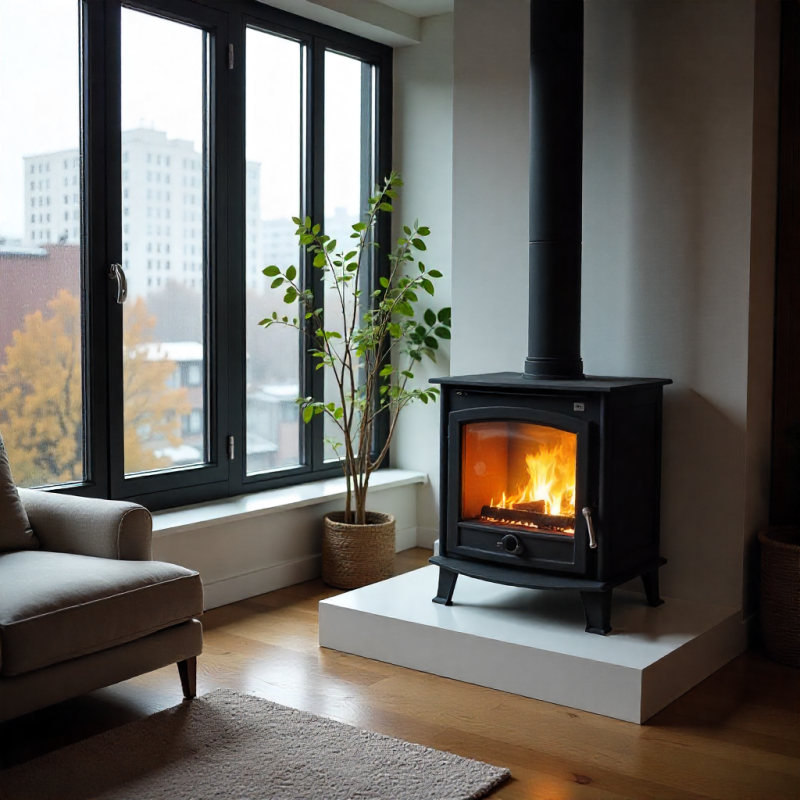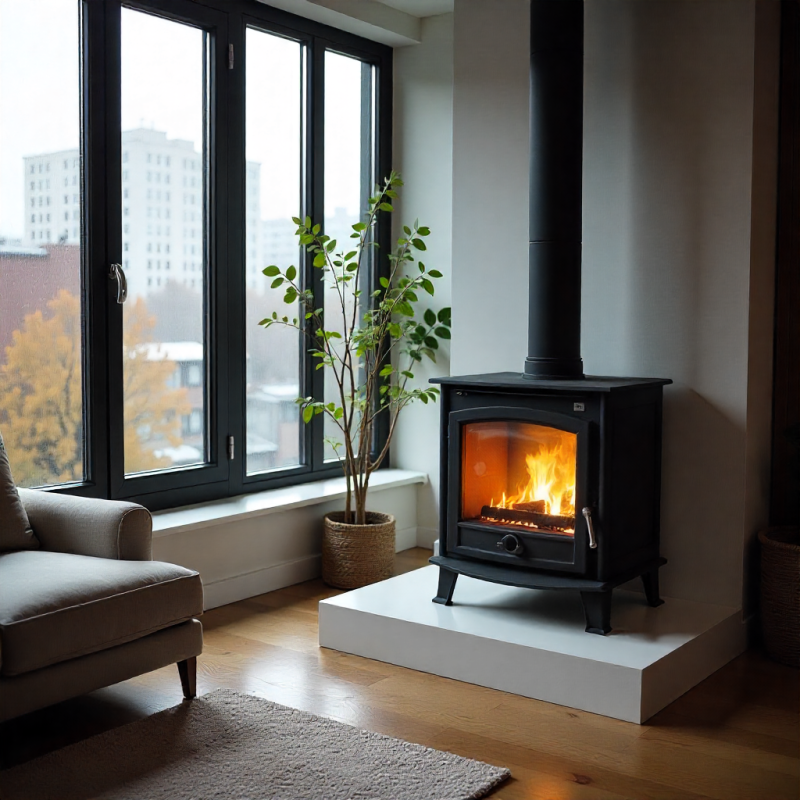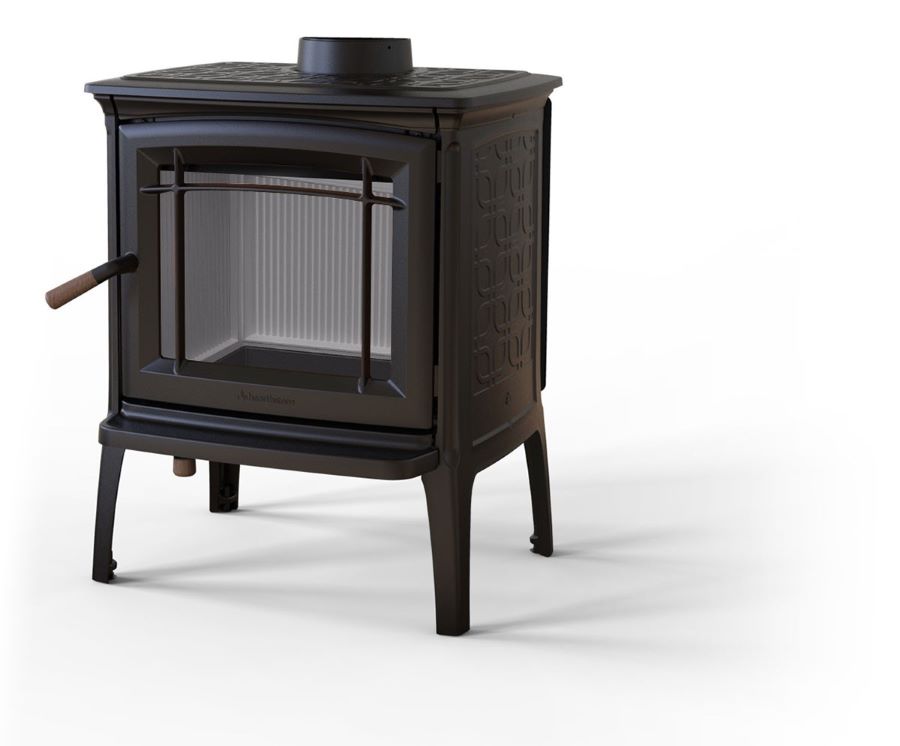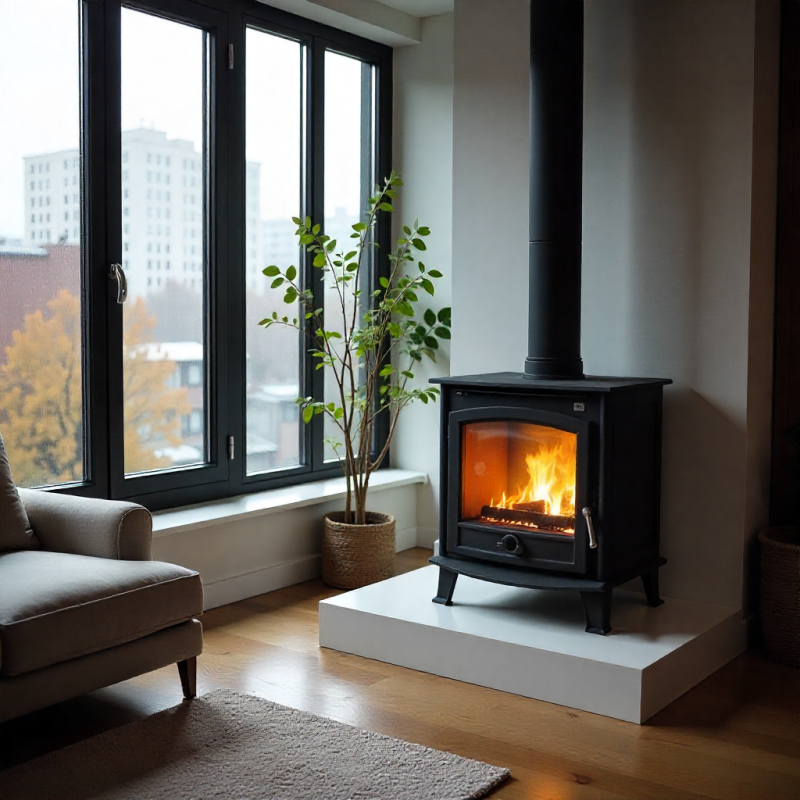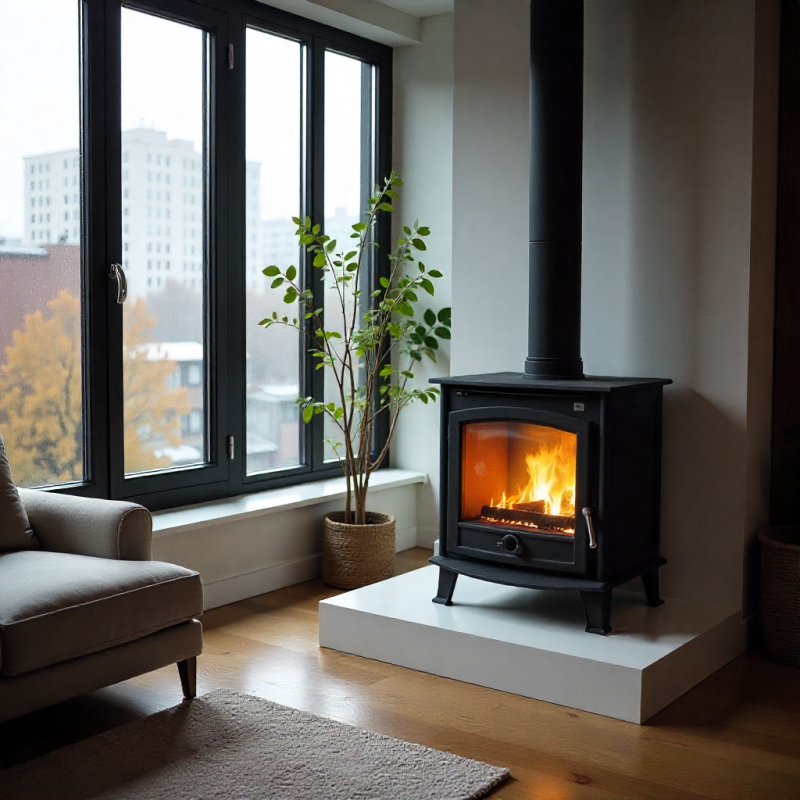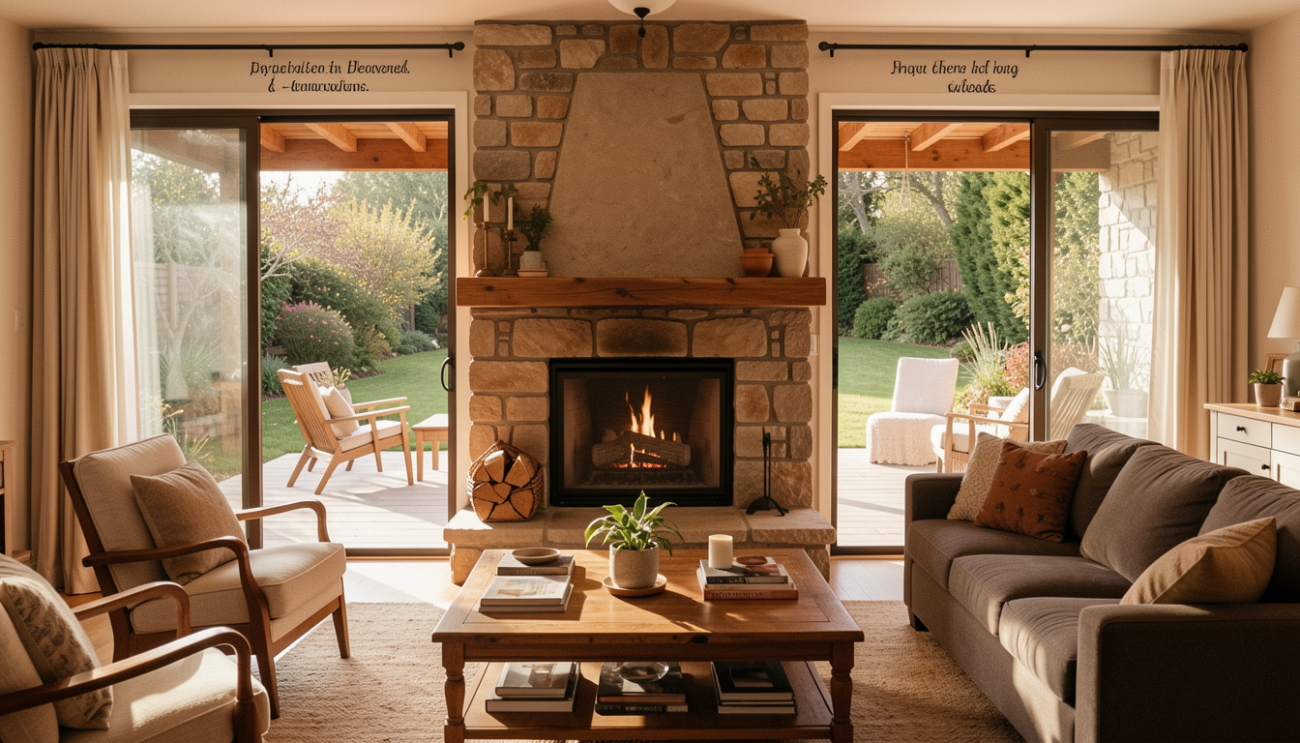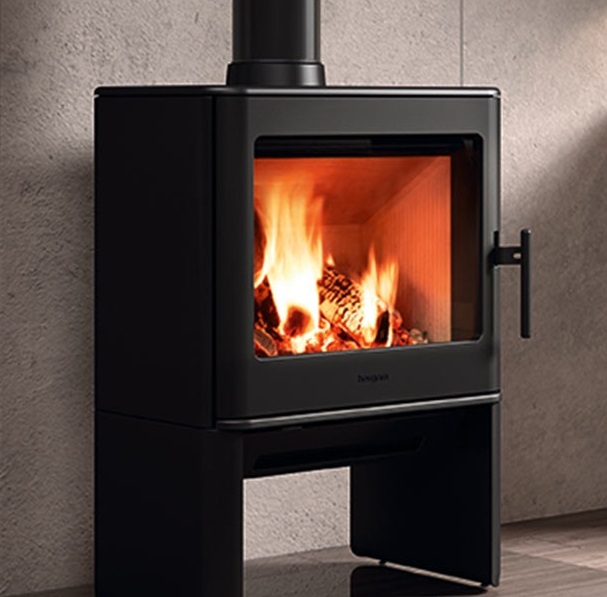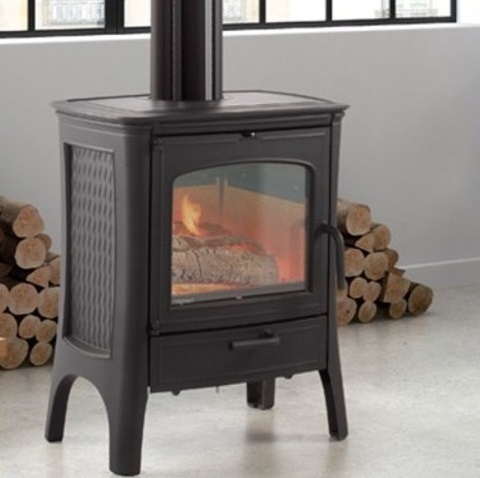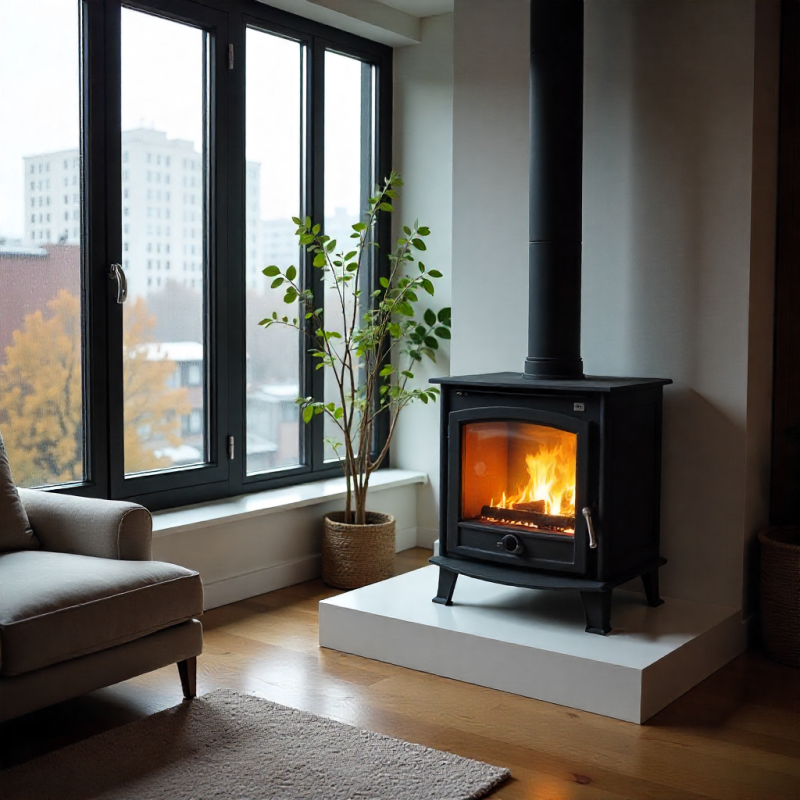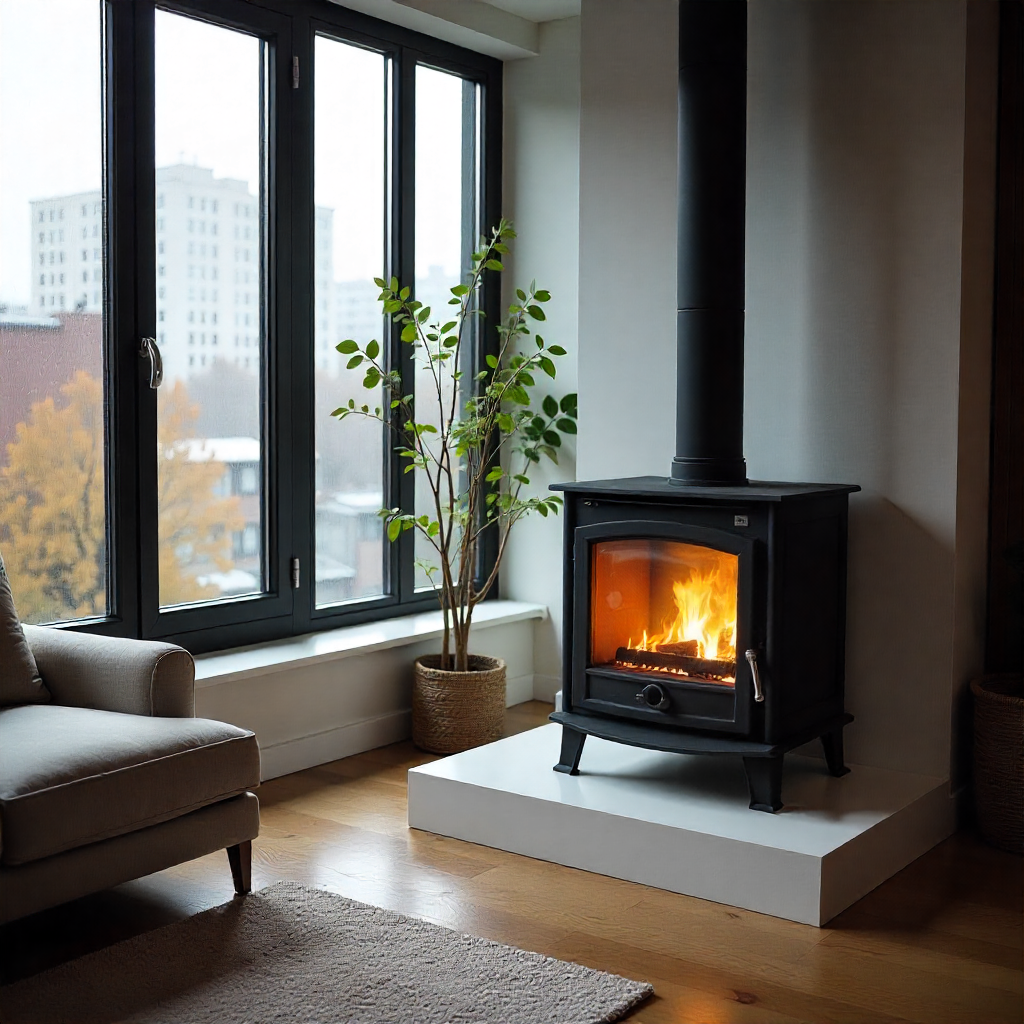

A wood heater stove — also called a wood-burning stove or closed combustion fireplace — has become one of the most popular ways to heat a South African home in winter. Efficient, reliable during load-shedding, and capable of running all evening on a single load of hardwood, they offer something a gas heater or electric panel simply can’t match: real warmth that doesn’t disappear the moment Eskom drops the grid.
But not all wood heater stoves are equal, and choosing the wrong one can leave you with an undersized unit, a poorly fitted flue, or a model that burns through firewood faster than your budget allows. Browse our freestanding fireplace range to see what’s available, then read on — because the buying decision matters more than most people realise.
What Is a Wood Heater Stove?
A wood heater stove (or closed combustion fireplace) is a self-contained metal or cast-iron unit with a sealed firebox, a glass viewing door, and a flue pipe that vents combustion gases out through your roof or wall. Unlike an open fireplace, the controlled air intake means almost all the heat goes into your room rather than up the chimney. Combustion efficiency on modern closed combustion units typically runs between 70% and 85%, compared to under 30% for a traditional open fireplace.
In South Africa the terms wood heater stove, closed combustion stove, and freestanding wood-burning fireplace are often used interchangeably. They all describe the same appliance — a freestanding, room-heating unit that burns wood logs.
The Pros of a Wood Heater Stove
1. Load-shedding proof
This is the single biggest draw for South African homeowners right now. A wood heater stove needs zero electricity to operate. No blower fan, no igniter, no thermostat circuit. If the power goes out at 7 PM on a winter evening, your stove keeps burning. Families who installed one before the worst of the rolling blackouts consistently say it transformed their winters. If you want to understand how the running costs compare to gas alternatives, our gas vs wood-burning fireplaces guide breaks down the numbers in detail.
2. Real, radiant heat
Closed combustion stoves heat a room through a combination of radiant heat from the glass and body of the unit, and convective warm air rising off the surfaces. The result is a deep, even warmth that feels different from forced-air systems — and it lingers well after the fire dies down, because the stove body retains heat.
3. Lower running costs than gas (over time)
Hardwood firewood in the Western Cape — rooikrans, bluegum, or kameeldoring — typically costs R600–R900 per half-cubic-metre delivery. A correctly sized 10–12 kW stove running three to four hours per evening will use roughly a quarter to a third of a cubic metre per month in a mild Cape Town winter. Compare that to the cost of running LPG gas, and wood usually comes out ahead once you factor in full-winter usage. Read our full fireplace installation cost guide for a complete budget breakdown including supply and fitting.
4. Ambience you can’t fake
The crackle of real wood, the glow of a live fire visible through the glass door — no electric flame effect replicates it. For many South African families, the braai and the wood fire are core parts of winter social life, and a wood heater stove brings that into the living room.
5. Wide kW range — suitable for almost any room size
Freestanding wood stoves are available from around 5 kW (a small bedroom or study) up to 22 kW or more for large open-plan living areas. Because output can be controlled by adjusting the air intake, a correctly sized unit can modulate heat rather than either roasting or barely warming your space.
The Cons of a Wood Heater Stove
1. Flue installation is non-negotiable — and adds cost
Every wood heater stove needs a correctly installed flue to vent combustion gases safely. In South Africa this typically means a twin-wall insulated flue system running through the ceiling and roof. The flue adds R4,000–R12,000 to your installation cost depending on the number of bends, the height of the run, and whether you need a roof penetration through tiles or IBR sheeting. You should not skip professional installation — an incorrect flue creates carbon-monoxide risk and fire hazard. Our professional fireplace installation team handles everything from the stove placement to the roof cap.
2. You need dry, seasoned hardwood
Burning wet or green wood is the number-one cause of excessive creosote build-up, poor heat output, and premature flue failure. Firewood should have a moisture content below 20% — that generally means wood that has been split and air-dried for at least 6–12 months. In the Western Cape, commercially sold rooikrans is usually dry enough if bought from a reputable supplier; ask before you buy.
3. Ash removal and chimney maintenance
Ash needs to be removed regularly — roughly once a week during heavy use — and your flue should be swept at least once a year, ideally before winter. Neglecting this leads to creosote accumulation, which is a fire hazard. Budget R800–R1,500 per year for a professional chimney sweep. Read our guide on chimney and flue maintenance to understand exactly what’s involved.
4. Not suitable for all homes without modification
Apartments, fully enclosed townhouses, or homes with no safe flue route can present challenges. If your home has no chimney and limited roof access, you’ll need to factor in a more complex installation. It’s worth getting a site visit from a professional before you purchase the unit.
What to Check Before You Buy
Heat output (kW) — match it to your room
The most common buyer mistake is choosing on looks rather than output. A rough South African rule of thumb: multiply your room’s floor area (m²) by 0.7 to get the minimum kW you need for a well-insulated room, or by 1.0 for older, draughty construction. An open-plan lounge/dining area of 50 m² in a Cape Town heritage home will need at least 10–12 kW. An oversized stove cranked down to low output burns inefficiently and produces more creosote; an undersized one runs flat-out and still leaves you cold.
Body material — cast iron vs steel
Cast iron retains heat longer and continues radiating warmth after the fire dies — ideal if you want overnight residual heat. Steel heats up faster and is lighter, making it better for rapid-response heating. In coastal areas like Cape Town, the humidity and salt air are hard on cheaper metals — if you’re near the ocean, look for units with 304-grade stainless steel components or cast iron bodies with quality paint finishes rated for marine environments.
Glass door size and air wash
A quality stove will have an air-wash system that keeps the glass clean so you can always see the fire. If you’re evaluating stoves, ask the supplier whether the air-wash works effectively — a stove whose glass blacks out after 30 minutes of burning is a frustrating daily experience.
Flue collar diameter and height requirements
Before you choose a unit, confirm the flue collar diameter (typically 125 mm, 150 mm, or 200 mm) and check the minimum total flue height required by the manufacturer. Taller flues generate more draught, which improves combustion — but they also cost more. Understanding why insulated flues are worth the investment can save you from cutting corners on the one component that affects safety most.
Secondary combustion
Better-quality stoves feature a secondary combustion chamber that re-burns exhaust gases before they exit the firebox. This dramatically improves efficiency and reduces smoke output. Look for this feature on any stove above R8,000 — it pays for itself in reduced firewood consumption.
Price Ranges in South Africa (2026)
Wood heater stove prices in South Africa vary significantly by output, brand, and build quality. Here’s a realistic breakdown for the current market:
- Entry-level (5–8 kW): R4,500–R9,000 for the unit. Suitable for small rooms; typically steel-body construction.
- Mid-range (8–12 kW): R9,000–R18,000. The sweet spot for most South African lounge-sized rooms. Brands like Hydrofire, Kratki, and Godin sit in this bracket with secondary combustion and good glass area.
- Premium (12–22+ kW): R18,000–R40,000+. Large cast-iron European units or high-capacity SA-made stoves for open-plan spaces. Often include convection channels and programmable air controls.
- Installation: Add R5,000–R15,000 depending on flue length and complexity.
- Total installed cost (typical): R15,000–R35,000 for a quality mid-range setup — comparable to what you’d spend on a good air-conditioning installation, but without the monthly electricity bill.
If you’re not sure where your project sits in that range, read our freestanding vs built-in fireplace guide — it covers how the two types differ in cost, installation complexity, and long-term value.
Frequently Asked Questions
Can a wood heater stove heat an entire house?
In an open-plan home, a large 14–18 kW stove can genuinely heat most of the living area and let warmth radiate into adjacent rooms. Separate, closed-off bedrooms will need their own source of heat. For whole-home heating through a single appliance, you’d typically need a high-output unit and good ceiling height to allow convection to circulate. Most South African buyers use a wood heater stove as the primary source in their main living area and supplement bedrooms separately.
Do wood heater stoves need building approval in South Africa?
Installation of a solid-fuel appliance does require compliance with local municipal building by-laws in most South African cities, and the flue penetration through a roof is generally a notifiable alteration. A professional installer will handle the relevant compliance documentation. Some municipalities have specific requirements around combustion appliances in high-density zones — check with your installer before purchasing if you’re in a sectional title complex.
How often does the flue need sweeping?
At minimum once a year — ideally at the end of winter before the long period of non-use that allows any moisture to cause rust. If you burn every day through a Cape Town winter (roughly April to September), twice-yearly sweeping is worth considering. Our chimney sweeping service covers the full Western Cape and includes a safety inspection of your flue joints and cowl.
Is a wood heater stove a good investment if I plan to sell my home?
In the Western Cape market, a quality installed fireplace consistently adds to a property’s appeal and perceived value. In the context of South Africa’s ongoing load-shedding reality, appliances that are electricity-independent have become a genuine selling point. Estate agents in the Cape Town area regularly report that a professionally installed fireplace or braai is highlighted in listings — it’s rarely a liability.
Ready to Choose?
A wood heater stove is a long-term investment in warmth, ambience, and energy independence. Getting the spec right from the start — correct kW output, quality materials, professionally installed flue — is far less expensive than retrofitting or replacing an undersized unit two winters later. Browse our full range of freestanding wood-burning fireplaces, or use our fireplace selection guide if you want to compare options side by side before making a final call. When you’re ready to move forward, request a free installation quote and one of our team will assess your space and recommend the right unit and flue setup for your home.