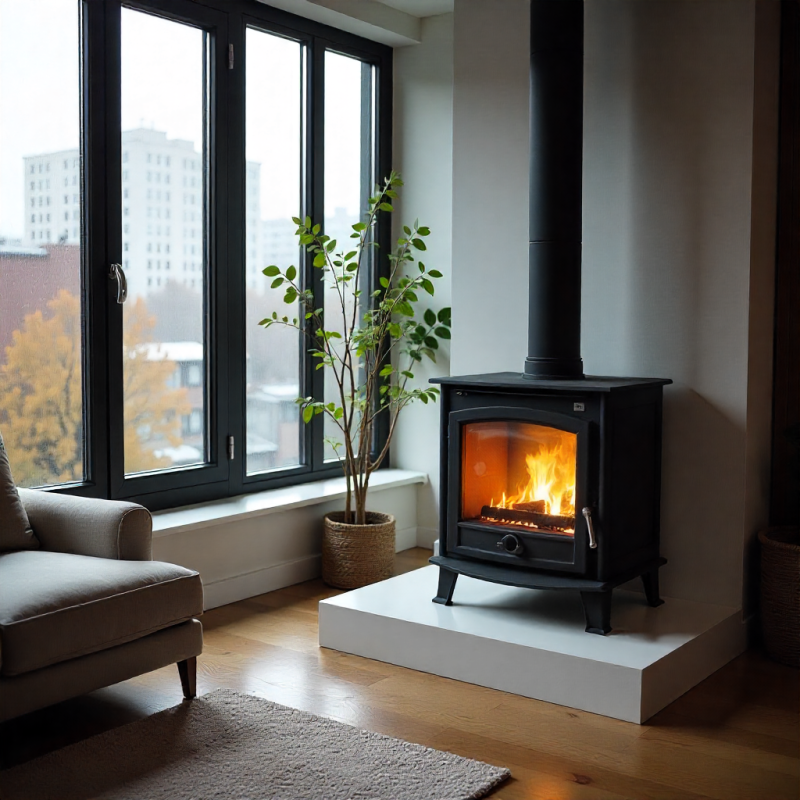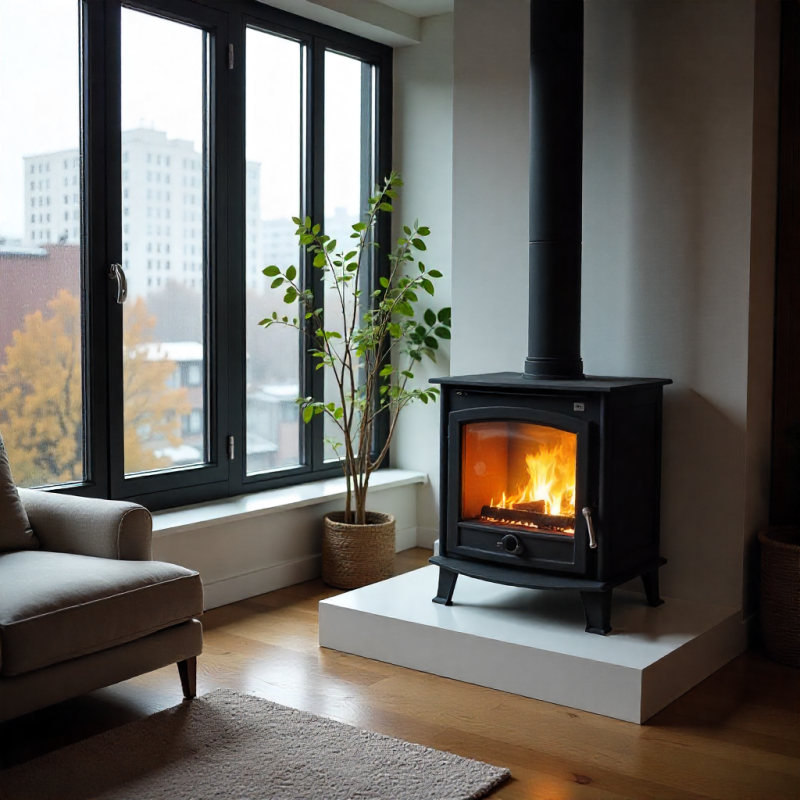

South African winters bite harder than most people expect, and when the power cuts strike, a wood burning heater is the one appliance in your home that simply doesn’t care. No inverter, no solar, no generator — just seasoned hardwood and real, radiant warmth that you can feel across the room. If you’re searching for wood burning heaters for sale in South Africa, this guide covers everything you need to make a confident purchase: types, kW sizing, price ranges, and what to watch for in coastal and load-shedding conditions.
Before we get into the detail, note that the vast majority of wood burning heaters sold in SA today are closed combustion models — sealed fireboxes with controllable air vents that burn far more efficiently than an open hearth. Browse our freestanding fireplaces to see the full range of closed combustion options we stock and install.
Why Wood Burning Heaters Are Having a Moment in South Africa
Load shedding has fundamentally changed how South Africans think about home heating. An electric panel heater is useless at Stage 6; a wood heater becomes your household’s anchor through every scheduled outage. But the appeal goes well beyond backup power:
- Radiant heat penetrates the room. Wood fires heat objects and people directly — not just the air — which feels noticeably warmer at the same measured room temperature.
- Lower running costs than electric. With South African electricity tariffs rising steeply, a well-seasoned hardwood fire costs a fraction of what electric heating delivers per kWh equivalent.
- Ambience that no appliance can replicate. The flicker, the crackle, the smell of burning rooikrans or black wattle — it’s a feature, not a side effect.
If you’re weighing up fuel types before committing, our detailed comparison of gas vs wood-burning fireplaces breaks down the running-cost differences clearly so you can decide which suits your lifestyle.
Types of Wood Burning Heaters Available in SA
Not all wood heaters are equal. The type you choose affects installation complexity, room fit, and long-term running costs.
Freestanding Closed Combustion Fireplaces
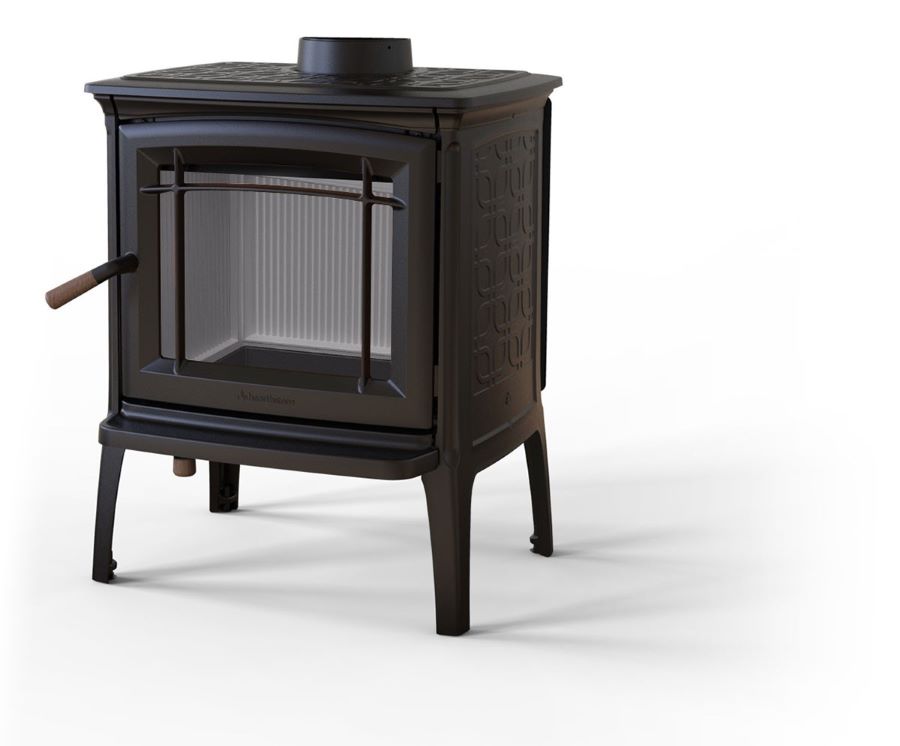
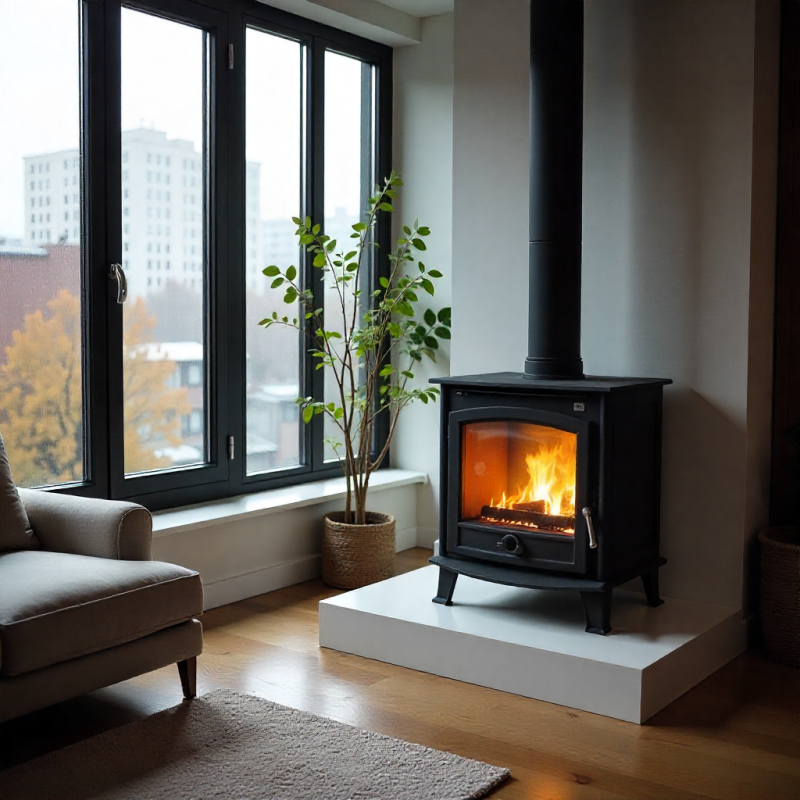
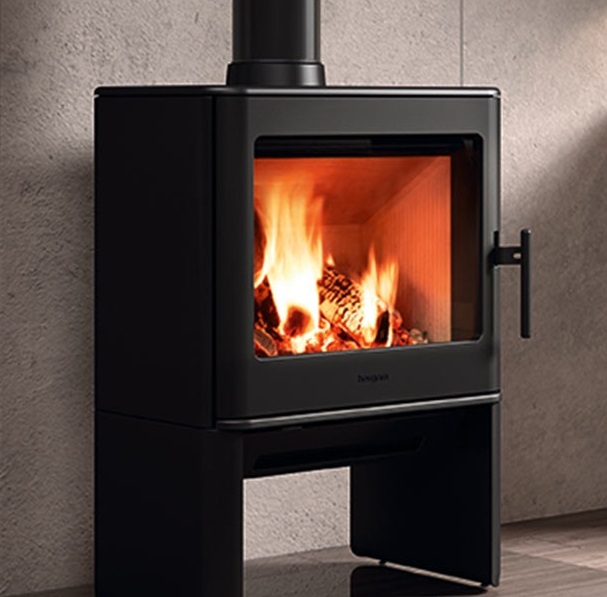
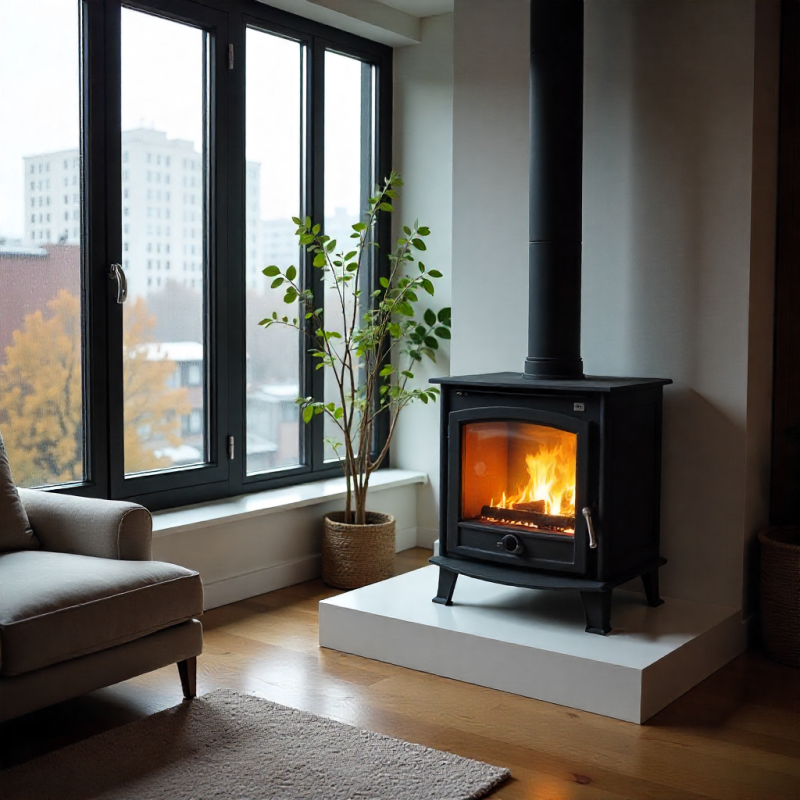
The most popular category in South Africa. These units stand independently on a hearth pad, connect to a flue that exits through the ceiling or wall, and deliver controlled combustion via adjustable air inlets. Output typically ranges from 8 kW to 25 kW. They suit new builds and existing rooms equally, because no structural opening in the wall is required — only a flue penetration through the ceiling or an exterior wall. Our freestanding fireplace range covers compact 8 kW units ideal for a bedroom right through to large 20 kW+ models designed to heat an open-plan living area.
Built-in and Insert Fireplaces
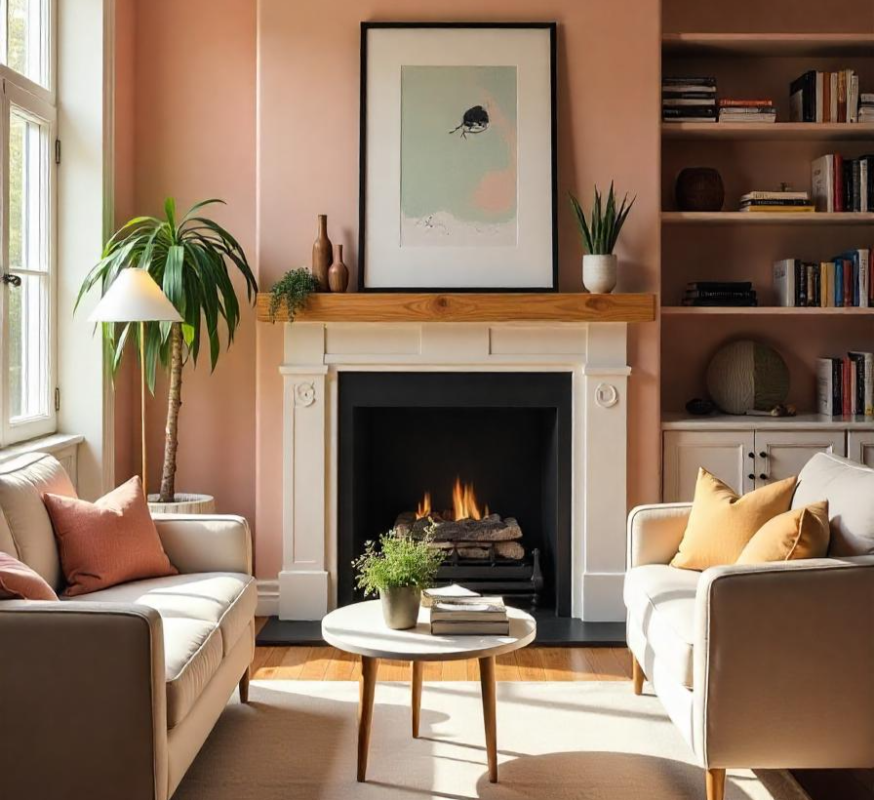
If you have an existing masonry fireplace opening or want a flush, built-into-the-wall look, built-in fireplaces deliver a cleaner architectural result. They require more installation work but integrate seamlessly with the room’s structure. Insert models slide into existing open-hearth cavities and convert them to high-efficiency combustion chambers without demolishing the surround. Deciding between the two approaches? Our guide to freestanding vs built-in fireplaces is a good starting point.
Cast Iron Stoves
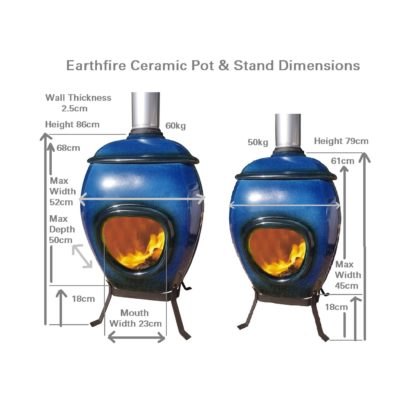
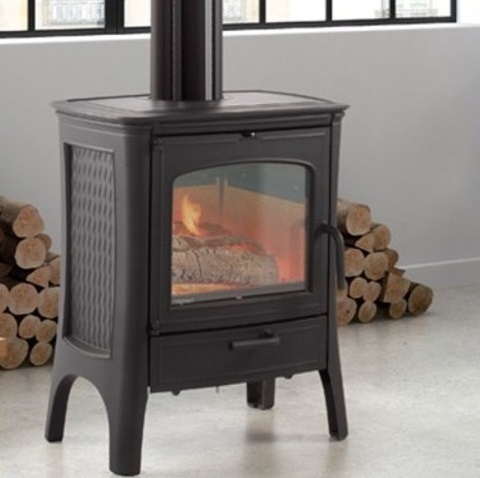
Traditional and extremely durable, cast iron stoves retain heat longer than steel-plate models, radiating warmth for hours after the fire has died down. They’re heavier and slower to warm up, making them better suited to rooms where sustained overnight heat matters more than a rapid warm-up. Brands like Kratki and Dovre offer excellent cast iron options in the SA market at a range of price points.
What to Look for When Buying a Wood Burning Heater
Heat Output (kW) and Room Size
A reliable rule of thumb for South African homes: allow roughly 1 kW per 10–12 m² of reasonably well-insulated floor space. An 80 m² open-plan living area typically needs a 7–10 kW unit at minimum — bump that up to 12–15 kW if ceilings are high or the home is loosely insulated, as many older Cape Town houses are. Undersizing is the single most common buyer mistake and it leads to disappointing results. Always confirm sizing with your installer before purchasing.
Steel Thickness and Build Quality
For long-term durability, look for fireboxes built from at least 4–6 mm steel plate. Thinner steel is cheaper but warps faster under sustained high heat. On the Cape coast — Cape Town, Gordon’s Bay, Hermanus, Strand, Gordons Bay — choose units with 304-grade stainless steel flue components wherever possible. Salt-laden sea air accelerates corrosion on mild steel; 304-grade stainless handles the marine environment dramatically better and significantly extends the service life of your installation.
Flue and Ventilation Requirements
Every wood burning heater needs an approved flue to vent combustion gases safely to the exterior. Single-wall flues work in many inland installations, but insulated twin-wall systems are strongly recommended for longer runs and coastal environments. Understanding why insulated flues are worth the investment will help you avoid a common false economy at purchase time. Factor flue costs — typically R2,000–R6,000 depending on length and type — into your total budget from the outset.
Combustion Efficiency
Closed combustion fireplaces typically achieve 70–85% combustion efficiency versus 20–30% for an open hearth. Higher efficiency means more usable heat per kilogram of wood, less wood consumed per evening, and far less creosote buildup in the flue. For a home used daily through a Cape Town winter, the efficiency gap pays for itself within a single heating season.
Wood Burning Heater Prices in South Africa (2026)
Prices vary significantly by size, brand, and material. As a general guide for the current SA market:
- Entry-level freestanding units (6–10 kW): R6,000 – R14,000. Typically imported mild-steel units suited to inland, sheltered use.
- Mid-range units (10–18 kW): R14,000 – R30,000. This bracket covers most branded, quality-built models — robust construction, good efficiency ratings, multi-year warranties.
- Premium and large-format units (18 kW+, designer built-in, cast iron): R30,000 – R70,000+. High-output models, architectural built-in frames, and premium European brands (Dovre, Godin, Morso) sit in this range.
Installation adds R4,000 – R10,000 depending on flue length, ceiling penetration complexity, and hearth requirements. For a comprehensive breakdown of what you’ll actually pay from product through to a working fire, see our fireplace installation cost guide, which covers all the line items in South African Rand.
Best Brands for South African Conditions
The SA fireplace market is served by a handful of brands that have proven themselves under local conditions:
- Hydrofire: The most-searched local brand at nearly 2,000 monthly SA searches. Hydrofire freestanding units are built to local specifications with solid steel construction and good parts availability across the country.
- Kratki: Polish manufacturer with a strong range of cast iron and steel-plate models. A popular mid-range choice, CE-certified, and widely available through SA dealers.
- Godin: French heritage brand with impressive aesthetics and robust cast iron construction. Premium pricing, but these units last decades with basic care.
- Dovre: Norwegian manufacturer; cast iron stoves and fireplace inserts built to Scandinavian efficiency standards, well-suited to SA’s colder inland regions.
- Sentinel: Our own Sentinel freestanding range is designed specifically for the South African market and built to handle local hardwoods and coastal conditions.
For broader guidance on matching a specific model to your home’s style and heating requirements, read our guide to choosing the right fireplace for your home.
Frequently Asked Questions
What type of wood burning heater works best during load shedding?
Any wood burning heater is inherently load-shedding-proof — no electricity is required to operate it. A closed combustion freestanding unit is the most practical choice for most households: it produces controlled, sustained heat, requires no wide chimney opening, and suits most room types without structural renovation. If you plan to use it as your primary heat source during outages, size up to a unit at least 2–3 kW larger than the room calculation suggests, to compensate for heat loss through older windows and poorly insulated walls during extended Stage 6 periods.
How much firewood does a wood heater use per evening?
A mid-range 12 kW closed combustion fireplace running for 4–5 hours typically burns 8–15 kg of hardwood. South African hardwoods — rooikrans, blue gum, black wattle — are dense and long-burning, so they go further per kilogram than softwoods. Budget roughly R250–R450 per evening of sustained use, depending on your wood source and species. Buying in cubic-metre lots from a reputable local supplier significantly reduces the per-kilogram cost compared to buying bagged wood.
Can I install a wood burning heater in a Cape Town sectional-title property?
It depends on the body corporate’s rules and whether a flue can be routed to the exterior without structural complications. Freestanding units in sectional-title properties require written body corporate approval and typically need a certificate from an approved installer. Detached Cape Town homes face far fewer restrictions. Our team can assess your specific situation and advise on flue routing and compliance before you purchase — so you don’t buy a unit that can’t legally be installed where you need it.
What routine maintenance does a wood burning heater need?
At a minimum, arrange a professional chimney sweep annually — or more frequently if you burn daily throughout winter. Creosote builds up in the flue over time; it’s combustible and a genuine fire risk if left unchecked. Beyond the annual sweep, inspect door gaskets at the start of each season, check the baffle plate inside the firebox, and keep the glass clean with an appropriate fireplace glass cleaner. Read our step-by-step guide to chimney and flue maintenance for a full seasonal checklist.
Ready to Find the Right Wood Burning Heater?
Browse our full range of fireplaces — all units are stocked, sized for SA conditions, and installed by our experienced Cape Town team. Not sure which model fits your room and budget? Request a free installation quote and one of our advisors will help you match the right heater to your home, flue, and fuel habits.