
Free Standing Fireplace Indoor: Pros, Cons & What to Know Before You Buy
A free standing fireplace can transform any indoor room — but it's not always the right choice. Our honest buyer's guide covers the pros, cons, cost in South Africa, and everything you should know before you commit.
A free standing fireplace indoor is one of the most versatile heating choices you can make for a South African home. Unlike a built-in unit, it doesn’t require major structural work — you position it, connect it to a flue, and you’re heating the room within days. But versatility comes with trade-offs, and the wrong choice can leave you under-heated, over-budget, or stuck with a unit that fights your home’s layout. Before you buy, here’s what you actually need to know — from the different types available in SA to realistic Rand price ranges and what installation really involves.
If you want to skip straight to what’s on the market, browse our full range of fireplaces — including freestanding, built-in, gas, and double-sided options — to get a feel for the field before reading on.
What Is a Freestanding Indoor Fireplace?
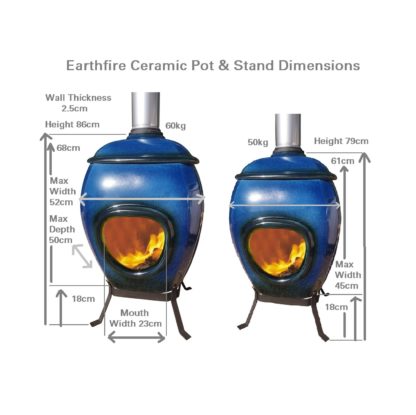
A freestanding fireplace is a self-contained unit that stands on its own base, independent of any wall or alcove. It connects to a flue pipe that runs up through the ceiling or exits through an external wall — but the firebox itself is a piece of furniture as much as it is a heat source. You can place it in the centre of a room, against a feature wall, or in a corner, giving you positioning options a built-in simply can’t match.
In South Africa, freestanding indoor fireplaces typically run on wood (the most common), gas, or pellets. The majority of units sold locally are closed combustion wood-burners — sealed fireboxes with glass doors that burn far more efficiently than an open hearth. Some, like the popular Sentinel range, are designed specifically for SA conditions: robust steel construction, wide output ranges, and compatibility with our local 304-grade stainless steel flue systems.
The Pros of a Freestanding Indoor Fireplace
Flexibility of placement. This is the headline advantage. A freestanding unit isn’t locked to one wall. You can centre it in a large open-plan space, rotate it slightly to direct radiant heat, or reposition it if you renovate. For older Cape Town homes — where adding a built-in often means reworking a heritage wall — freestanding units sidestep the problem entirely.
Lower installation cost. Because no brickwork or cavity-building is needed, installation is faster and less disruptive. Most freestanding installations involve connecting a twin-wall or single-wall flue system and sealing the ceiling penetration — jobs that typically take one to two days rather than a week of plastering and finishing.
Easier to upgrade or replace. Swap a freestanding unit and you’re only replacing the appliance and possibly the flue connection. With a built-in, the whole surround, hearth, and potentially the chimney need to be reconsidered. For buyers who like to update their interiors, this matters.
Wide output range available. South African suppliers stock freestanding units from around 6kW (suitable for a bedroom or study up to roughly 40m²) right up to 16kW+ models built for large open-plan living areas. Our freestanding fireplace range covers the full spectrum, including units well-suited to the damp, salt-laden coastal air of the Western Cape — key if you’re on or near the coast, where inferior steel corrodes within a few seasons.
Striking focal point. Done well, a freestanding unit on a slate or tiled hearth pad is more visually arresting than a built-in. The unit itself becomes the design feature rather than a surround.
The Cons to Consider
Floor space and clearances. A freestanding fireplace requires a non-combustible hearth pad extending at least 300mm in front of and to the sides of the unit, plus rear clearance from walls. In a smaller room, this footprint adds up. Measure carefully before you commit.
Visible flue pipe. Unless your home has high ceilings and you’re happy with an industrial aesthetic, an exposed flue pipe running from unit to ceiling can feel obtrusive. Some homes suit it beautifully; others don’t. If a cleaner finish matters to you, a built-in with a concealed chimney may be worth the extra cost — see our comparison of freestanding vs built-in fireplaces for a detailed breakdown.
Heat distribution. A freestanding unit radiates heat in all directions from its firebox, which sounds like a bonus but can actually mean the wall directly behind it gets warm before the far end of the room does. In long, narrow rooms, positioning is critical.
Load-shedding interaction. Gas freestanding fireplaces with electronic ignition may need battery backup or a standing pilot to work during outages — worth checking before buying if you’re buying gas specifically to counter load-shedding. Wood-burning units, of course, need no electricity at all, which remains a major selling point in South Africa.
Types of Freestanding Indoor Fireplace
Wood-burning closed combustion. The workhorse of the South African market. These units burn seasoned hardwood (rooikrans, sekelbos, or fruit wood in the Western Cape) with 70–80% efficiency in good closed-combustion designs. They produce real radiant heat and the ambiance of a live flame. Running costs are low if you have access to cheap wood, though a tonne of seasoned hardwood can cost R1,500–R3,000 in the Cape depending on species and moisture content.
Gas freestanding. Cleaner to operate, no ash, and instant on/off. Gas fireplaces are worth considering if aesthetics and convenience matter more than heat output per rand. If you’re weighing the running cost difference carefully, our guide to gas vs wood-burning fireplaces runs the numbers honestly for SA conditions. Also browse our gas fireplace range to see what’s available locally.
Pellet stoves. Less common in SA but growing in popularity. Automated fuel feeding and programmable thermostats appeal to tech-focused buyers, though pellet availability and pricing can be inconsistent regionally.
What Does a Free Standing Indoor Fireplace Cost in South Africa?
For a wood-burning unit, entry-level freestanding fireplaces start from around R8,000–R12,000 for smaller 6–8kW models. Mid-range units with larger glass doors and higher outputs sit between R14,000–R22,000. High-end or imported European units can reach R35,000+. Gas freestanding models are broadly similar in unit price but require a certified gas line installation.
Installation costs depend heavily on flue configuration. A single-wall flue on a single-storey home might add R3,500–R6,000. An insulated twin-wall flue system on a double-storey — the better long-term choice for draft performance and fire safety — typically runs R8,000–R15,000+. For a realistic total budget, read our fireplace installation cost guide, which covers all the variables including hearth pads, ceiling roses, and chimney cowls.
Total installed cost range: R15,000–R40,000 for a quality mid-range freestanding wood fireplace, fully installed with flue. This is roughly 30–50% less than a comparable built-in project once all building work is factored in.
Installation: What’s Actually Involved
Despite being simpler than built-in, freestanding installation is not a DIY job in South Africa — particularly if gas is involved (requires a SAQCC-certified installer by law) or if your municipality requires sign-off on chimney penetrations.
A typical freestanding wood fireplace installation involves: positioning and levelling the unit on a non-combustible hearth pad, running a flue system from the stove collar through the ceiling and roof, fitting a roof flashing and cowl, and checking all clearances. For multi-storey homes, insulated flues for your fireplace are strongly recommended — they maintain higher flue temperatures, create better draft, and reduce creosote buildup on longer vertical runs.
Our professional fireplace installation services cover freestanding and built-in units across Cape Town and the Western Cape, including flue supply, roof penetration, and commissioning. We handle flue systems of all types — single-wall, twin-wall insulated, and flexible liner — and can advise on which suits your specific home layout. For a detailed look at how to choose the right fireplace for your home, our buying guide walks through output sizing, fuel choice, and aesthetic considerations in detail.
Frequently Asked Questions
Can I put a freestanding fireplace anywhere indoors?
Almost — but not quite. You need a non-combustible floor surface (or a hearth pad over timber floors), sufficient ceiling height to run a flue, and a clear roof penetration point. In practice, most rooms in a standard South African home can accommodate a freestanding unit with minor preparation. Rooms with steel or timber roof structures require extra care around flue clearances.
What’s the real difference between freestanding and built-in fireplaces?
A built-in (insert) fireplace is set into a wall cavity and finished flush with plastered or tiled surrounds — it disappears into the architecture. A freestanding unit is its own object in the room. Built-ins usually offer a cleaner, more permanent finish and are better suited to new builds or major renovations. Freestanding units are faster to install, cheaper overall, and more flexible in positioning. Neither is universally superior — it comes down to your space, budget, and aesthetic preference.
How much does a freestanding wood fireplace cost to run monthly?
A reasonably efficient 10kW wood-burner used for 4 hours per evening costs roughly R600–R1,200 per month in firewood depending on species, moisture content, and where you buy. By comparison, a 10kW gas fireplace running on LPG for the same hours would cost R1,400–R2,200+ per month at current LPG prices. The wood advantage widens significantly if you have access to cheap local wood.
Does a freestanding indoor fireplace need a chimney?
It needs a flue — a pipe that carries combustion gases outside. This is not the same as a traditional masonry chimney. Most freestanding installations use a modular stainless steel flue system that runs from the stove collar up through the ceiling and roof. The right flue diameter (typically 150mm or 200mm depending on the unit) and insulation level matter significantly for performance and safety. Your installer should specify these based on the unit and your home’s configuration.
Ready to Choose Your Freestanding Fireplace?
A well-chosen free standing fireplace indoor is one of the highest-value heating upgrades you can make to a South African home — genuine heat, real ambiance, and a look that never goes out of style. The key is matching the unit to your room size, fuel preference, and installation constraints before you buy rather than after.
Our team has installed freestanding fireplaces across Cape Town and the Western Cape for over a decade. We know which units perform in coastal salt air, which flue configurations suit double-storey homes, and how to get the right output for your space. Request a free installation quote and we’ll advise on the best unit and setup for your home — no obligation.
Related reading
- Can You Install a Fireplace in an Existing Home? Yes — Here's How
- Combustion Fireplace Installation: How It Works, Costs & Compliance
- Need it done professionally? See our fireplace installation in Cape Town service.
Planning this kind of work?
Call or WhatsApp with your suburb and photographs. Fire Flames can discuss your fireplace, braai or home project and quote.
Get A Quote →