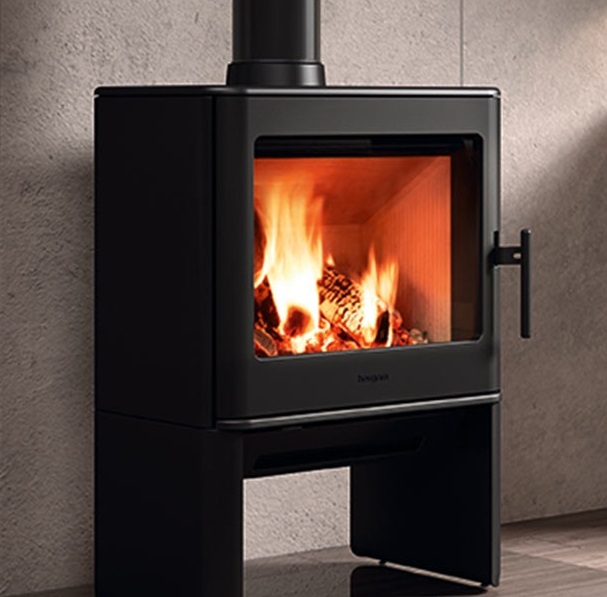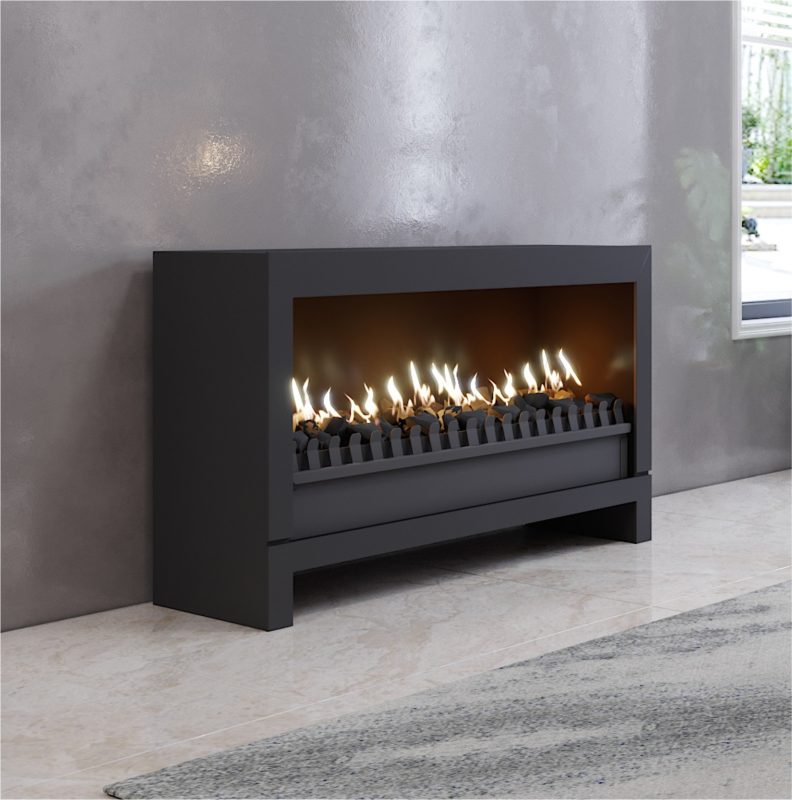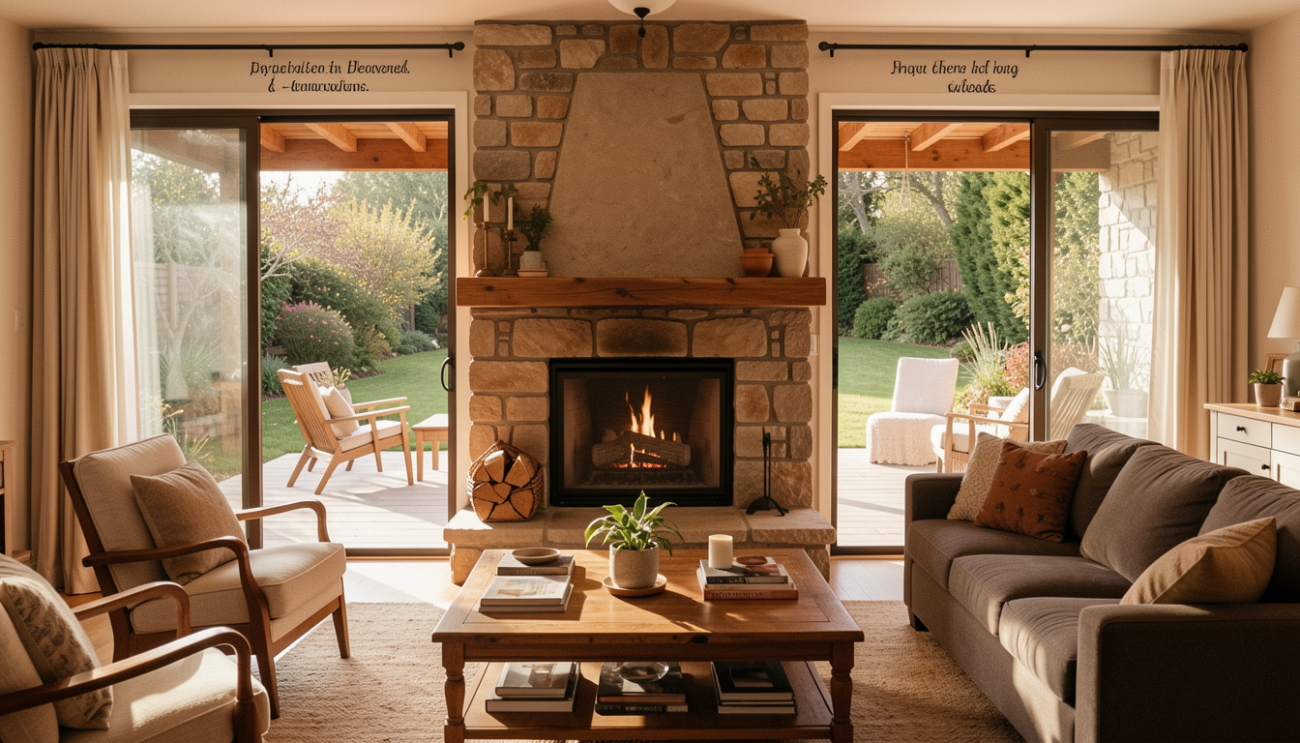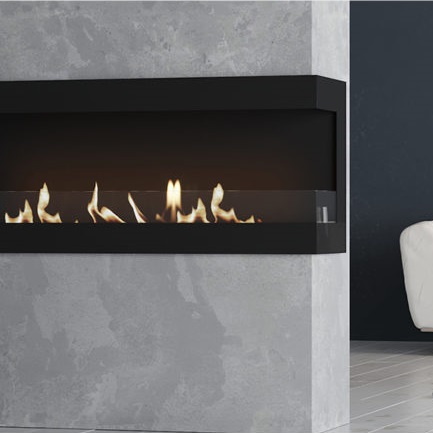

A bio fire place seems almost too good to be true: genuine visible flame, no chimney required, no flue pipe to route through your ceiling, and installation that’s little more than placing the unit and filling the fuel reservoir. For apartment dwellers, open-plan renovators, and anyone who has been quoted R8 000–R18 000 just to run a flue, the appeal is obvious. But before you commit, it’s worth understanding exactly what you’re getting — and where a bio fire place falls short compared with a properly specified gas fireplace.
This article covers what bio fire places actually are, how their running costs and heat output compare to gas, the safety framework South African buyers should understand, and the situations where each type genuinely wins.
What Is a Bio Fire Place?
A bio fire place burns bioethanol — a clean-burning, plant-derived alcohol that produces a real, visible yellow flame. Because the combustion byproducts are primarily water vapour and small amounts of CO₂ (similar to what a human exhales), no flue or chimney is required. The unit itself is either freestanding, tabletop, or wall-recessed, and it runs entirely without gas lines, electricity, or a chimney contractor.
Bioethanol fireplaces first became popular in Europe and the UK around 2012–2016, and SA retailers followed. You’ll find imported units from brands such as Planika, e-NRG and BioBlaze on local e-commerce platforms. Prices range from around R2 500 for a small tabletop unit to R25 000–R45 000 for a designer built-in recess model.
Their appeal in South Africa specifically has grown alongside load-shedding: no electricity means no power cut, and bioethanol fuel stores easily on a shelf. For a broader look at the range of fireplaces available — including wood, gas and electric options — it’s worth comparing all types before deciding.
Bio Fire Place vs Gas Fireplace: 5 Key Differences
Understanding these five differences will help you filter out the marketing and assess which type actually serves your situation.
1. Heat Output
This is where the bio fire place often disappoints buyers. Most consumer bioethanol units produce between 1.5 kW and 3 kW of usable heat. That is adequate to take the chill off a small bedroom (up to about 20 m²), but not enough to warm a standard open-plan lounge or a 30 m²+ living area in a Cape Town winter. A decent gas fireplace starts at 4 kW and commonly delivers 8–14 kW — enough to heat a large room and radiate warmth into adjacent spaces.
2. Running Costs
Bioethanol fuel costs roughly R130–R180 per litre in South Africa (2026 pricing at major retailers). A mid-sized bio fire place burns approximately 0.4–0.6 litres per hour, putting hourly running costs at R52–R108 per hour. Run it four hours an evening and you’ll spend R210–R430 per night.
By comparison, a gas fireplace using LPG at approximately R28–R34 per kilogram (bulk cylinder pricing) and consuming around 0.5–0.8 kg/hour works out to R14–R27 per hour of real heat — typically three to five times cheaper for equivalent warmth. Our fireplace installation cost guide breaks down both upfront and running costs in detail.
3. Flue and Installation Requirements
The bio fire place’s selling point is zero installation: no flue, no gas line, no compliance certificate. You buy it, place it, pour in fuel, and light it. For wall-mounted fireplaces in apartments where a flue can’t be run, this is often a genuine advantage.
Gas fireplaces require a certified installer, a gas compliance certificate (CoC), and either an existing gas supply or a new LPG installation. The professional fireplace installation process for gas adds R3 500–R9 000 to the project cost — but you get a permanently installed, inspected, safe appliance that will last decades.
4. Air Quality and Ventilation
A bio fire place is marketed as clean-burning, and the chemistry largely supports that claim — bioethanol combustion does not produce soot, smoke, or carbon monoxide in the same quantities as wood. However, it does consume oxygen and release CO₂ and water vapour into the room. In a well-ventilated space this is negligible; in a small, sealed room it can cause stuffiness, elevated humidity, and headaches over several hours.
SA fire safety guidance (aligned with SANS 10087 for gas appliances and general ventilated-appliance principles) recommends that any fuel-burning appliance — including bioethanol — be used only in rooms with adequate air exchange. Some municipalities and sectional-title body corporates have also begun to restrict bioethanol open-burners in multi-unit buildings for exactly this reason. Check your sectional-title rules before purchasing.
5. Load-Shedding Resilience
Both bio and gas fireplaces win here compared to electric heaters. A bio fire place needs no electricity at all — not even an igniter. Most gas fireplaces with electronic ignition need a small battery or mains power for the spark, though many can be lit manually. During Stage 4–6 load-shedding, both types deliver heat and visible flame without any grid dependency. For most SA households, this is a genuine tie.
Bio Fire Place Safety: What SA Buyers Must Know
Bioethanol burns at temperatures up to 1 000 °C and the fuel is highly flammable even in small quantities. European manufacturers such as Planika publish detailed safety frameworks for their units, but lower-cost imported units sold via SA e-commerce sites may lack these standards.
Key safety points for local buyers:
- Never refuel a hot burner. Wait at least 15 minutes after extinguishing before adding bioethanol — vapour ignition from a warm burner is the primary cause of bio fireplace burns.
- Use only pure bioethanol (96% denatured ethanol) from reputable suppliers. Mixing cheaper fuels or meths is a fire risk.
- Keep a safe zone of 1 m from furniture, curtains, and ceiling features — even though there is no chimney, radiant heat and accidental spills are real hazards.
- Never leave a bio fire place burning unattended, especially around children or pets.
These safety requirements are manageable, but they do impose a discipline that a permanently installed gas or wood fireplace — with its CoC, correct clearances and inspected installation — handles by design rather than relying on user behaviour each time.
Which Rooms Suit a Bio Fire Place?
A bio fire place genuinely works well in these situations:
- An apartment or flat where no flue route exists
- A second bedroom that needs occasional atmospheric warmth, not primary heating
- A home office or study where you want a visual focal point and mild warmth for a few hours
- A dining room in mild coastal climates (Cape Town’s Atlantic Seaboard rarely drops below 8 °C indoors) where you need ambience more than raw BTUs
It is a poor fit for:
- Cold inland climates (Johannesburg, Pretoria, the Overberg interior in winter)
- Open-plan spaces above 35 m²
- Households with young children or elderly occupants who may find fuel handling a safety concern
- Anyone prioritising long-term running cost over upfront price
For a genuinely heated living space, freestanding fireplaces or built-in fireplace inserts with proper flue systems will always outperform a bio fire place on heat delivery per rand spent.
The Verdict
A bio fire place is a lifestyle product first and a heating solution second. If your priority is ambience, zero-installation flexibility, and a focal point for a well-ventilated room that doesn’t need primary heating, it is a reasonable choice. At R2 500–R15 000 for a decent unit, the entry cost is lower than a flued fireplace.
If you actually need to heat a room efficiently — and most South African winter evenings demand it — a gas fireplace delivers three to five times more heat per rand of running cost, lasts longer, meets formal safety standards, and becomes a permanent, value-adding fixture in your home. Our guide to choosing the right fireplace for your home is a useful next step once you have decided on fuel type.
And if you have been comparing gas vs wood-burning fireplaces alongside the bio option, that comparison will round out your decision nicely. Ready to move forward? Request a free installation quote and we’ll help you spec the right fireplace for your space and budget.
Frequently Asked Questions
Is a bio fire place legal in South Africa?
Bioethanol fireplaces are not specifically regulated at a national level in SA the way gas appliances are under SANS 10087. However, sectional-title body corporates and some municipalities may restrict open-flame appliances in shared buildings. Always check your body corporate rules and ensure adequate room ventilation as per general occupational health and fire safety guidelines.
How much does bioethanol fuel cost in SA?
As of mid-2026, bioethanol fuel (denatured 96% ethanol suitable for fireplaces) retails for approximately R130–R180 per litre at hardware stores and specialist fireplace retailers. Online bulk orders of 5–20 litres typically bring the cost down to R105–R140 per litre. At 0.5 litres/hour average consumption, expect to pay R65–R90 for a two-hour evening fire.
Can a bio fire place heat a room properly?
In a small, moderately insulated room of up to 20 m², a 2–3 kW bio fire place will raise the temperature noticeably over two to three hours. In a larger open-plan living area, it will provide ambience but not adequate warmth during a genuine Cape or Highveld winter. For serious room heating, a gas or closed-combustion wood fireplace is the practical choice.
Do bio fire places need a Certificate of Compliance (CoC)?
No. Because bioethanol fireplaces do not connect to mains gas lines and have no fixed installation, they do not require a CoC. Gas fireplaces, by contrast, must be installed by a registered LP gas person and signed off with a CoC under the Occupational Health and Safety Act. This is one reason gas fireplaces have a higher upfront installation cost — but it also means the installation has been formally verified as safe.
Related Reading
- Gas vs Wood-Burning Fireplaces: Running Cost Comparison
- Freestanding vs Built-In Fireplaces: Which Suits Your Home?
- The Full Cost of Installing a Fireplace in South Africa
- How to Choose the Perfect Fireplace for Your Home
- 2026 Fireplace Design Trends Worth Knowing
Related reading
- Can You Install a Fireplace in an Existing Home? Yes — Here's How
- Combustion Fireplace Installation: How It Works, Costs & Compliance
- Need it done professionally? See our fireplace installation in Cape Town service.