
Built-In Fireplace Costs Explained: What R25k, R55k and R100k Gets You
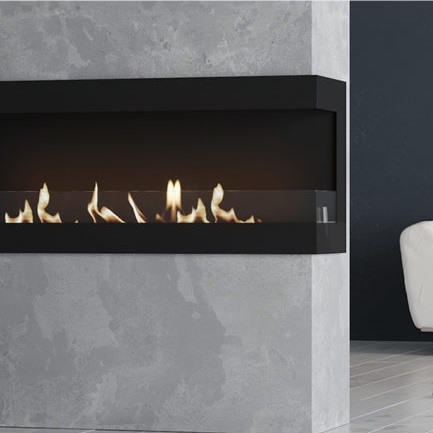
A built-in fireplace transforms any South African home — but costs range from R25k to R100k+. Here's what each price tier actually delivers, from entry-level wood units to premium gas installations.
A built in fireplace south africa homeowners choose typically falls into one of three price tiers — and what separates a R25 000 installation from a R100 000 one isn’t just brand names. It’s firebox depth, liner quality, surround materials, fuel type and the complexity of your flue run. Get those factors right from the start, and your built-in becomes a long-term asset; get them wrong, and you’re looking at expensive rectification work. This guide covers the real market ranges, the four main types available locally, and what each price point delivers.
Browse our range of fireplaces to see current models and their specifications before reading further — it’ll give the price context below more meaning.
What Is a Built-In Fireplace?
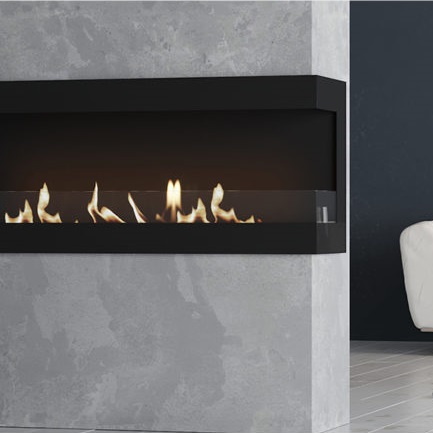
Unlike a freestanding fireplace that sits on the floor and can be relocated, a built-in unit has its firebox set into a wall or structural surround. The result is a flush, architectural finish that reads as part of the room rather than a piece of furniture placed in it. Installation is permanent — it involves building work, a dedicated flue run, and usually a custom surround — which is why costs are higher and planning matters more upfront.
Built-in fireplaces are popular in new builds and renovations across South Africa, particularly in the Western Cape and Highveld where winters can be genuinely cold. They also hold their value well: a quality installation adds real property value, whereas a freestanding unit is simply a movable appliance.
The 4 Types of Built-In Fireplace Available Locally
Understanding the four main fuel types is essential before comparing costs, because fuel choice affects flue requirements, ongoing running costs and — critically — whether your fireplace works during load-shedding.
1. Closed-Combustion Wood-Burning
The most popular built-in choice for South African homes. A built-in fireplace insert with a sealed glass door and controlled air supply burns up to 80% more efficiently than an open fireplace. Heat output typically ranges from 10 kW to 25 kW — enough to warm a large open-plan living area. Wood is still the lowest-cost fuel per unit of heat in most South African regions, and it works entirely off-grid during power cuts. The main requirements are a lined flue, adequate clearances and a nearby supply of dry hardwood.
2. Built-In Gas Fireplace
Gas units offer the cleanest installation — no ash, no smoke management, and the flame starts at the touch of a button. Most SA models run on LPG (bottled gas), which makes them practical even outside Egoli. Compare the long-term economics carefully, though: see our breakdown of gas vs wood-burning fireplaces before committing. Gas built-ins still need a flue (typically a smaller twin-wall or direct-vent system), and at the premium end, brands like SAFire and Montigo produce genuinely impressive heat output with zero fuel odour.
3. Double-Sided / See-Through
Double-sided fireplaces are built into a shared wall between two rooms — a lounge and dining room, for example — and provide heat and visual drama to both spaces from a single unit. They cost more than single-sided equivalents (larger firebox, more complex surround framing) but are extraordinarily effective at justifying their price tag in open-plan homes.
4. Gas Fireplace Inserts
If you already have an existing masonry fireplace, an insert slides into the existing opening and converts a smoky, inefficient open fire into a sealed, controllable unit. This is often the most cost-effective path to a modern built-in look without full structural work. Gas fireplaces in insert form are particularly popular in older homes with existing chimneys.
Built In Fireplace South Africa: What Each Price Tier Gets You
Prices below are market ranges for supply and installation in South Africa as at mid-2026. They include VAT, a standard flue run (up to 4 m), a basic surround and standard labour. Complex flue routes, premium surrounds and imported appliances will push costs higher.
R20 000 – R35 000: Entry Level
At this range you’re typically looking at a locally manufactured closed-combustion wood insert (brands like Hydrofire, Sentinel or Northern Flame), a single-wall flue liner, and a plastered/painted surround. Heat output will be adequate for a medium room (up to about 50 m²). Installation is straightforward in a new build; retrofitting into an existing wall adds cost. This tier is the most popular for first-time buyers adding a fireplace to a townhouse or cluster home.
- Typical firebox output: 10–14 kW
- Flue: single-wall or basic twin-wall, 150 mm diameter
- Surround: plaster and paint, or face brick
- Best for: bedrooms, medium lounges, new builds with straightforward flue access
R40 000 – R70 000: Mid-Range
The sweet spot for most South African homeowners. At this level you gain access to higher-output fireboxes (14–22 kW), insulated twin-wall flue systems, and better combustion technology. Surrounds can include natural stone cladding, marble fascias or custom steel frames. Gas built-in options become viable at this price point, with LPG-ready models from SAFire and similar brands. A well-chosen mid-range built in fireplace south africa installation at this level adds demonstrable resale value to a property.
- Typical firebox output: 14–22 kW
- Flue: insulated twin-wall, full liner
- Surround: natural stone, marble, steel or tiled
- Best for: main living areas, open-plan homes, properties where aesthetics matter
At this tier it’s also worth reading our comparison of freestanding vs built-in fireplaces to confirm built-in is the right choice for your layout before committing to structural work.
R75 000 – R120 000+: Premium
Premium installations combine imported fireboxes (Wanders, Spartherm, Rüegg or high-end SAFire), custom-fabricated steel or marble surrounds, full flue relining and finishing work, and often smart controls or programmable thermostats. At this level, double-sided configurations are common. Heat output can reach 25 kW+, suitable for very large open-plan spaces or commercial applications. For coastal properties, premium units use 304-grade stainless steel components to resist salt-air corrosion — a detail that matters in places like Hermanus, Knysna or anywhere on the Garden Route.
- Typical firebox output: 18–30+ kW
- Flue: full insulated liner, stainless steel
- Surround: custom fabrication — marble, engineered stone, corten or brushed steel
- Best for: luxury homes, large open-plan spaces, coastal properties, double-sided installations
Installation: What the Process Actually Involves
A built in fireplace south africa installation isn’t a one-afternoon job. Here’s the realistic sequence:
- Site assessment: The installer checks wall construction (cavity vs solid), flue route, ceiling clearances and proximity to combustibles. This determines whether a standard or complex installation applies.
- Firebox placement: The opening is cut or formed. A steel lintel supports the wall above. The firebox is set and anchored.
- Flue installation: The flue runs up through the ceiling and roof — either externally (simpler) or internally within a chase (neater but more complex). All penetrations need fire-rated collars.
- Surround and finishing: The surround is built around the firebox, hearth material is laid, and all gaps are sealed with fire-rated material.
- Certificate of Compliance (CoC): A compliant installation must be certified. This is a legal requirement and matters for insurance. Work only with registered installers — check that they can issue a proper CoC. The South African Bureau of Standards publishes applicable installation standards (SANS 10400-T for fire protection).
Our team provides professional fireplace installation across Cape Town and surrounds, with full CoC documentation on every job.
Choosing the Right Built-In for Your Home
The right unit depends on four practical questions:
- Room size: Calculate the volume (length × width × ceiling height in metres) and match to kW output — roughly 1 kW per 14 m³ is a starting guide for a well-insulated room.
- Fuel access: Do you have reliable access to dry firewood, or is bottled gas more practical for your location?
- Flue route: Is there a clean vertical run from the proposed firebox location? A complicated flue route adds significantly to cost.
- Aesthetics vs budget: The firebox costs account for roughly 40–50% of a typical installation; the surround and finish account for the rest. You can have a high-performance firebox with a modest surround and upgrade later.
For a deeper look at how current styles are evolving, our piece on 2026 fireplace design trends covers what’s selling well right now — from minimalist steel frames to traditional travertine surrounds.
If your main concern is keeping installation costs predictable, read the fireplace installation cost guide for a full breakdown of what drives quotes up or down.
Frequently Asked Questions
Do I need planning permission for a built-in fireplace in South Africa?
Not typically for a standard residential installation, but you do need a Certificate of Compliance once the work is complete. If the installation involves structural alterations beyond normal building works, your municipality may require a building plan. When in doubt, your installer should advise — and reputable ones always do.
What is the cheapest built-in fireplace south africa option that actually works well?
A locally manufactured closed-combustion wood insert from brands like Hydrofire or Sentinel, fitted into a simple opening with a single-wall liner, typically lands between R20 000 and R30 000 installed. These units perform well and are backed by local service networks. Avoid the temptation to go much cheaper — sub-R15k imports often have poor glass seals and inadequate combustion control.
Can a built-in fireplace heat a whole house?
A single unit can heat a large open-plan living area effectively; for whole-home heating you’d typically need a high-output unit (20 kW+) combined with deliberate convection (open doors between rooms, ceiling fans on reverse) or a second unit in a bedroom wing. A double-sided installation is particularly effective at heating two adjacent areas simultaneously.
How long does installation take?
A standard built-in fireplace installation in an existing home typically takes two to three days: one day for the opening and firebox, one day for the flue, and a half-day for finishing and sign-off. More complex installations with custom surrounds or difficult flue routes can run to a week.
Ready to Plan Your Installation?
The difference between a fireplace that adds value and one that creates headaches usually comes down to the quality of the planning before a single brick is moved. If you’re serious about a built in fireplace south africa project, start with the right advice. Request a free installation quote from our team — we’ll assess your space, recommend the right unit for your budget and confirm what the installation will realistically involve before any work begins.
Related reading
- Can You Install a Fireplace in an Existing Home? Yes — Here's How
- Combustion Fireplace Installation: How It Works, Costs & Compliance
- Need it done professionally? See our fireplace installation in Cape Town service.
Planning this kind of work?
Call or WhatsApp with your suburb and photographs. Fire Flames can discuss your fireplace, braai or home project and quote.
Get A Quote →