
Wall Fireplace Mistakes Most Homeowners Make — And How to Avoid Them
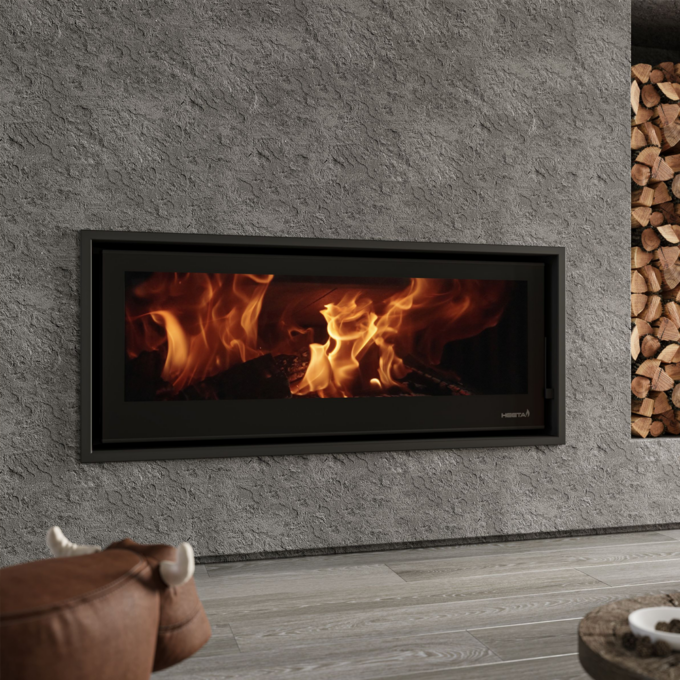
A wall fireplace can transform any room — or become a costly regret. Discover the five mistakes that trip up South African buyers, from wrong heat output to skipping the CoC, and how to avoid each one.
A wall fireplace is one of the most striking additions you can make to a South African home — but only when it is chosen and installed correctly. Get it wrong and you end up with a unit that smokes up your lounge, struggles to heat the room, or fails its gas safety inspection before a single log is ever lit. Here are the five mistakes that catch buyers out most often, and exactly what to do instead.
What Makes a Wall Fireplace Different?
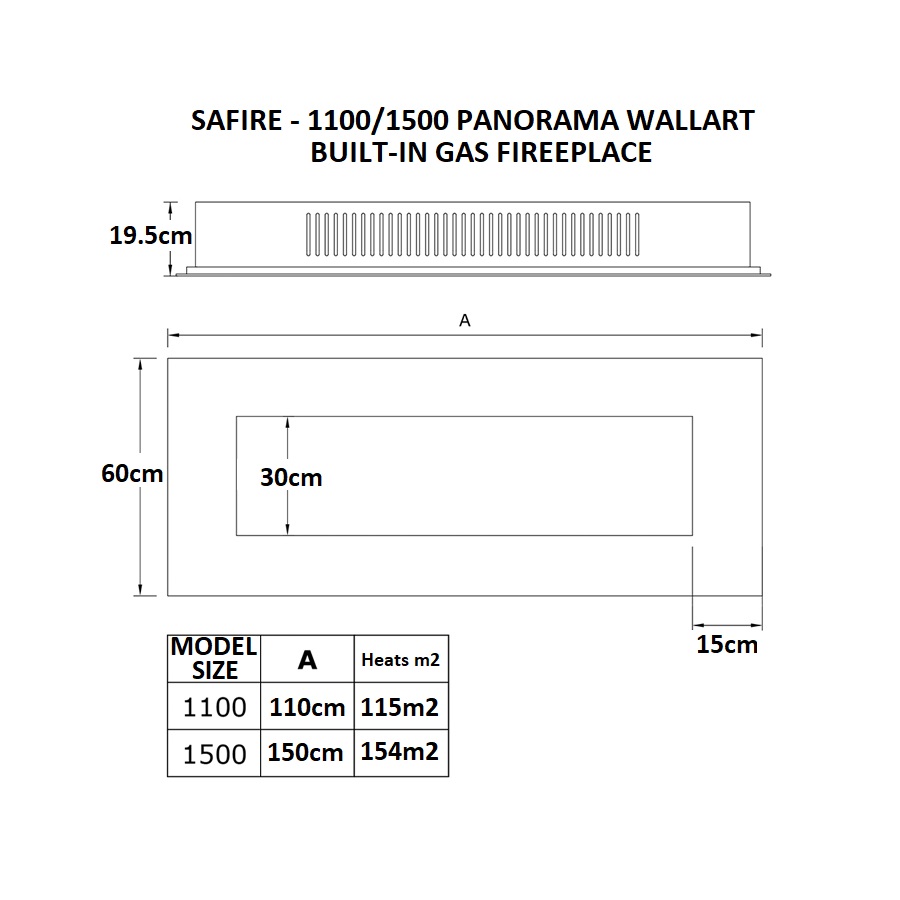
Unlike a freestanding fireplace or a built-in fireplace insert, a wall-mounted unit is designed to hang flush against — or recess into — the wall. These are available in gas, electric, and ethanol (bio) options. The appeal is obvious: clean lines, no raised hearth required, and a dramatic focal point for the room. The fire sits at eye level, the surround disappears into the plaster, and guests notice it the moment they walk in.
But that same sleek form factor hides a set of requirements that trip up many buyers. Knowing them upfront is what separates a showpiece from a headache — and a well-heated lounge from a beautiful ornament that does little to warm the room.
Mistake 1: Choosing the Wrong Heat Output
Wall fireplaces are rated in kilowatts (kW), and this number matters far more than aesthetics. A practical rule of thumb: allow 1 kW for every 10 m² in a well-insulated room with reasonable ceiling height, or 1 kW per 7–8 m² in an older Cape home with draughty sash windows and high ceilings. A 50 m² open-plan living area typically needs at least 5–7 kW of usable heat output.
Here is the trap: many wall-mounted electric units top out at 1.8–2 kW. They are sold as fireplaces, but their heat output is closer to a fan heater. For ambience in an already-warm room, that is fine. As the only heat source on a cold winter evening in Johannesburg or Bloemfontein, it falls short.
If you want a wall fireplace that genuinely heats, a gas wall-mounted unit is usually the stronger choice. Reputable gas models in the 8–15 kW range are readily available through South African suppliers and will take the chill out of large living spaces without issue. Our guide to choosing the right fireplace for your home covers room-sizing in more detail.
Mistake 2: Ignoring Flue and Ventilation Requirements
Gas wall fireplaces divide into two camps: balanced-flue (sealed combustion, vented horizontally through an external wall) and open-flue (draws room air and requires a vertical flue system or chimney). Flueless gas wall fireplaces also exist, but under South African gas regulations — specifically SANS 10087, the standard for the LP Gas Safety Association of Southern Africa — flueless units are only permitted in rooms with adequate natural ventilation. Many modern sealed and double-glazed homes do not automatically qualify.
The expensive version of this mistake is discovering after installation that you need to core through a double-skin brick wall, source a specialist flue liner, or route a twin-wall flue up two storeys through a void. That can add R5,000–R15,000 to the project and weeks of construction disruption. A proper pre-purchase site assessment — standard when you use a registered installer — catches this before you have signed anything.
Our post on why insulated flues are worth it explains the practical difference between flue options in plain terms.
Mistake 3: Skipping the Certificate of Compliance
Any gas appliance installation in South Africa — wall fireplace included — legally requires a Certificate of Compliance (CoC) issued by a registered LP Gas installer. This is not bureaucratic red tape. The CoC confirms that gas lines have been pressure-tested, connections are sound, and the installation meets safety standards. It is also required when you sell your property, and your household insurance may be voided for gas-related incidents if no valid CoC exists.
Some buyers try to reduce costs by using an unregistered fitter they found on Facebook Marketplace. The short-term saving is real. The downstream exposure — no warranty, no insurance cover, potential liability at point of sale — rarely feels worth it in hindsight. Insist on professional fireplace installation from a team that issues a compliant CoC as a matter of course. It is a non-negotiable part of the job.
Mistake 4: Letting Looks Overrule Practicality
A wall fireplace that photographs beautifully in the showroom can underperform once it is mounted in your home. Watch for these three factors before you commit:
- Glass surface temperature: The front glass on a gas wall fireplace gets extremely hot during operation. If you have children or pets, look specifically for models with cool-touch or double-glazed safety glass. This is not a premium feature — it is a safety one.
- Heat projection angle: Most wall-mounted units push heat forward and slightly downward. A unit mounted at 2.2 m or higher will push warm air well above head height, where it stratifies at ceiling level rather than warming the people in the room. Aim for a mounting height where the heat projection zone aligns with the occupied space.
- Fan noise: Many electric wall fireplaces use a fan to distribute heat. In a quiet study or bedroom, the constant hum bothers some occupants. Confirm whether the fan can run independently of the flame effect, or be disabled entirely if you only want ambience.
Browse our full wall-mounted fireplace range — specifications including glass type, heat direction, and noise ratings are available for each model.
Mistake 5: Going DIY on the Installation
Electric wall fireplaces are the one category where a competent homeowner can sometimes manage the physical mounting, provided a registered electrician installs the dedicated circuit. Gas wall fireplaces are an entirely different matter. Gas line connections, pressure testing, flue routing, and CoC sign-off must all be performed by a registered installer — attempting this yourself is illegal under South African LP Gas regulations and genuinely dangerous.
Even for electric units, the wall construction matters. Hollow internal walls may not safely carry the weight of a large electric surround without additional reinforcement or specialist fixings. A professional installer will assess this at quote stage. See what fireplace installation costs in South Africa — professional installation is typically R2,500–R9,000 on top of the unit price depending on complexity, and it is money that protects an investment that could otherwise run to R30,000 or more.
Wall Fireplace Prices: What R8k to R50k Gets You
South African wall fireplace pricing varies significantly by fuel type and brand:
- Electric wall fireplaces (R3,500–R15,000): Decorative heat supplement with a dedicated circuit installation typically adding R1,500–R3,000. Realistic for supplemental warmth in a room already partially heated.
- Ethanol/bio wall fireplaces (R8,000–R28,000): No flue required, clean look, but genuine heat output is low (1–2 kW). Good for apartments or rooms where gas installation is impractical.
- Gas wall fireplaces (R12,000–R50,000): The most powerful wall-mounted option. Installation including flue routing and CoC typically runs R5,000–R12,000 on top of the unit price. A quality mid-range gas unit installed in Cape Town generally lands at R22,000–R38,000 all-in.
If you are weighing a wall-mounted unit against other formats, our comparison of freestanding vs built-in fireplaces and the broader fireplace range give a useful overview of what each format delivers for the money.
Frequently Asked Questions About Wall Fireplaces
Can a wall fireplace be the primary heat source in a South African home?
A properly sized gas wall fireplace — 8 kW or above — can serve as the primary heat source in a well-insulated open-plan living area. Electric units in the 1.8–2 kW range are better suited as supplemental heating. The key is matching heat output to your room’s volume and insulation, not just buying based on aesthetics.
Does a wall fireplace need a chimney?
It depends on the type. Balanced-flue gas models vent horizontally through an external wall — no chimney needed. Open-flue gas models require a vertical flue or existing chimney. Electric and ethanol models need no flue at all. Always confirm the ventilation route with your installer before choosing a model, since the answer affects both cost and installation complexity.
What does a gas wall fireplace cost to run per month in South Africa?
Running costs depend on gas price and usage. At current South African LP gas rates of roughly R35–R45 per kg, a 10 kW gas wall fireplace running for three hours per evening uses approximately 1 kg of gas — around R40 per evening, or R1,200 per month for a 30-day period. This is broadly comparable to, or lower than, running a large electric heater at Eskom’s standard residential tariff — and with no load-shedding interruption if you have a gas bottle supply.
Is a wall fireplace safe around children?
Gas and electric wall fireplaces can be made safe for family homes with the right model and precautions. Look for cool-touch glass on gas units. For electric units, confirm whether the unit can be controlled remotely or locked out. A professional installer at Fire Flame Installers can advise on child-safe mounting heights and model options specific to your situation.
Ready to get your wall fireplace right the first time? Request a free installation quote from our team — we assess your space, recommend the right unit and fuel type, and manage everything from supply through to CoC sign-off.
Related Reading
- What Does Fireplace Installation Cost in South Africa?
- Freestanding vs Built-In Fireplaces: Which Is Right for You?
- How to Choose the Perfect Fireplace for Your Home
- Gas vs Wood-Burning Fireplaces: The Full Comparison
Related reading
- Can You Install a Fireplace in an Existing Home? Yes — Here's How
- Combustion Fireplace Installation: How It Works, Costs & Compliance
- Need it done professionally? See our fireplace installation in Cape Town service.
Planning this kind of work?
Call or WhatsApp with your suburb and photographs. Fire Flames can discuss your fireplace, braai or home project and quote.
Get A Quote →