
2026 fireplace design trends from modern minimalist to traditional charm
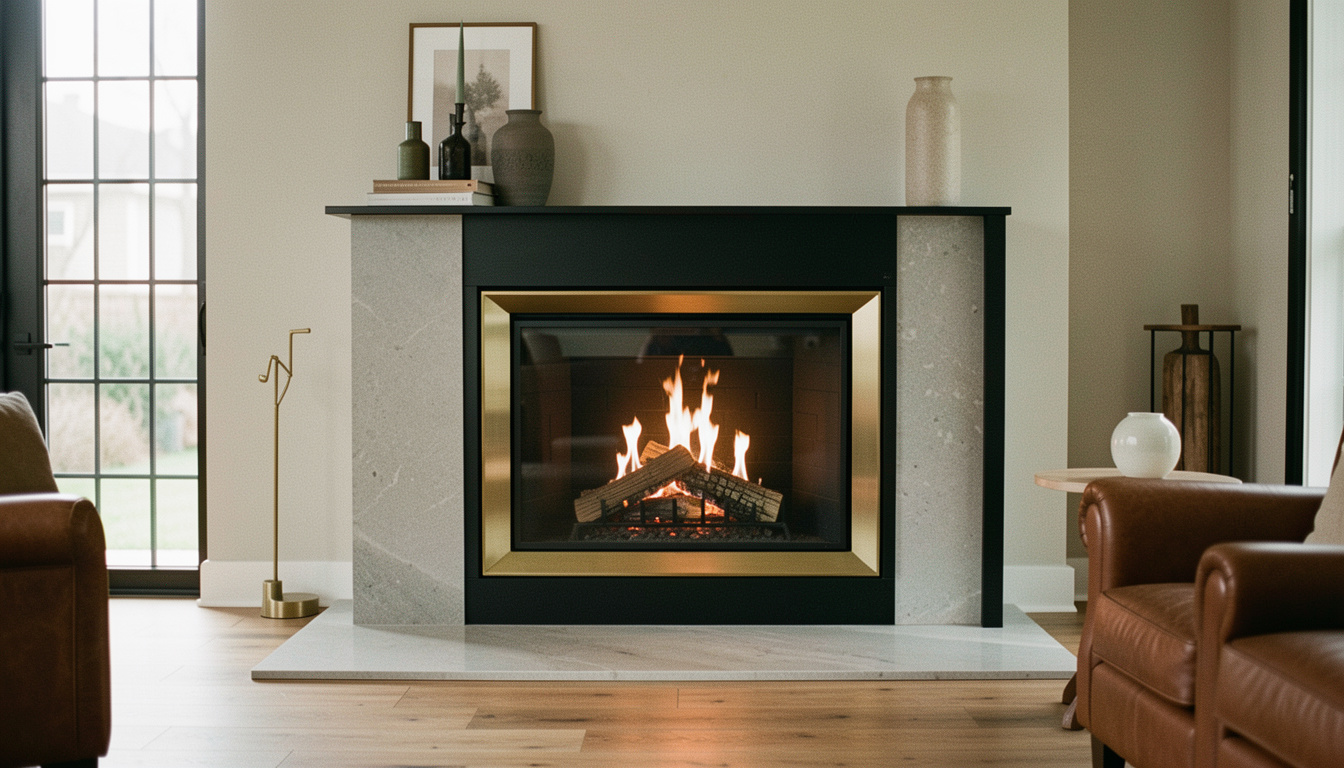
Fireplace design trends 2026 matters because the right choice affects heat, safety, installation cost and long-term value for South African homes. For broader fire safety guidance, the Fire Protection Association of South Africa is...
Fireplace design trends 2026 matters because the right choice affects heat, safety, installation cost and long-term value for South African homes.
For broader fire safety guidance, the Fire Protection Association of South Africa is a useful independent reference alongside professional installer advice.
The 2026 fireplace trends shaping South African homes
If you’ve scrolled Pinterest or flipped through a home magazine lately, you’ve probably noticed: fireplaces are having a moment. A big one. But the fireplaces of 2026 don’t look much like the brick boxes many of us grew up with. They’re sleeker, smarter, and built for how South Africans actually live — open plan, indoor-outdoor, and increasingly conscious of load-shedding, space, and energy costs.
We install fireplaces across Cape Town and the Helderberg basin every week, and we’re seeing the same requests come through over and over. Homeowners want something that heats properly, looks incredible, and doesn’t dominate the room. That last part is new. Five years ago, the fireplace was the statement piece. Now it’s part of a bigger interior design conversation, and every interior designer we talk to is rethinking how fireplaces fit into the living space.
Are you simply looking to install a fireplace for aesthetic value, for warmth, or a combination of both? Once you know what function your fireplace will serve, you need to decide where the best location would be to install it — will it be in your bedroom or a living room fireplace? That choice shapes everything else.
Here’s what’s actually trending in South African home design for 2026 — and what’s just noise.
Recommended Fireplaces by Budget
Browse our most popular fireplaces at every budget — live in-stock pricing, each linked to its product page for full specs.
Entry-level — under R32,000
- Hydrofire Rubin (Red) 11kW (7 – 15kW) Freestanding Fireplace — R22,999
- Hydrofire Rubin (Ivory White) 11kW (7 – 15kW) Freestanding Fireplace — R22,999
- Liseo K7 Orleans — R24,299
- Hydrofire Deluxe B 7kW (5 – 10kW) Freestanding Fireplace — R26,000
Mid-range — R32,000–R45,000
- Hydrofire Nero Lux BO 6kW (4 – 8kW) Freestanding Fireplace — R32,249
- Hergom EB – 1 SE 8.4 – 12kw Freestanding Fireplace — R32,500
- Liseo K7 LR Orleans Side Glass — R32,999
- Liseo L9 Titan — R35,999
Premium — R45,000 and up
- Hergom E – 30 M Classic Series 12kw Freestanding Fireplace — R45,750
- Hergom E – 30 L Classic Series 16kw Freestanding Fireplace — R49,995
- Hergom E – 40 12kw Freestanding Fireplace — R49,995
- L91 LR Titan FS – Side Glass — R51,999
Tell us what you need and we’ll send a free, no-obligation quote — fast.
Request a Free Fireplace Quote
Modern minimalist fireplaces — clean lines, big impact
The modern minimalist fireplace doesn’t mean small. It means intentional. Every element earns its place. No ornate surrounds, no clunky mantels, no busy tilework. Just the fire, framed by clean materials and smart proportions. It’s a direction that feels timeless rather than trendy.
This look has been building in Europe for a few years, but it’s hit South Africa hard in 2026. Cape Town’s newer homes — especially the cluster developments along the West Coast and in Durbanville — are designed around open-plan living where a heavy traditional fireplace would feel wrong. People want warmth without visual clutter, and a room fireplace that enhances the space instead of overwhelming it.
Craving warmth and cosy vibes? A well-placed minimalist unit delivers both without making the room feel smaller. In fact, the right colour choice can do the opposite.
What colour fireplace makes a room look bigger?
Light neutrals — warm whites, soft greys, and pale earthy tones — reflect light and make walls recede. A matte white or cream fireplace surround blends into the wall and visually expands the room. Black works too if you keep the surrounding walls light, since it creates contrast that draws the eye without darkening the space. The key is keeping the fireplace flush or recessed rather than protruding, so it doesn’t eat floor area.
Black matte finishes are everywhere
Black matte is the new chrome. If you’re choosing a fireplace this year and you want it to look current, go matte black. It’s chic, it’s versatile, and it works with every interior style — industrial, Scandi, contemporary, even some traditional settings if the surrounding materials are warm enough.
The reason it works so well: matte black disappears. Not literally, but visually. A glossy black fireplace reflects light and draws attention to itself. Matte absorbs it. The result is a fireplace that feels present without being loud. A black marble fireplace takes this further — the dark stone paired with matte steel creates a moodiness that will never go out of style, so why not go all out and really get into it? Sentinel’s range has a few matte-black units that nail this look, particularly their freestanding models.
Linear gas fireplaces for modern living spaces
The linear gas fireplace — wide, low, ribbon-like flames — has moved from luxury homes into the mainstream. A 1-metre or 1.2-metre unit installed flush into a wall or beneath a TV is the single most requested design we’re seeing in 2026.
Why? Because it solves a real problem. Most modern homes don’t have a natural chimney breast. Building one is expensive and eats floor space. A linear gas unit can be vented through an exterior wall, needs no hearth extension, and fits into a cavity. The whole install can take two days. Hydrofire and SAFire both offer linear gas models that work well in this setup.
The flame pattern matters too. Wide, shallow burners create that cinematic horizontal flame line that Instagram loves. It’s not just aesthetics — the wider spread heats a room more evenly than a tall, narrow firebox.
Double-sided units for open-plan homes
This is the trend we get most excited about, because it’s so uniquely suited to South African living. A double-sided fireplace — one face in the lounge, the other on the patio — does something no other design feature can. It extends the usable season of your outdoor space by months.
In Cape Town, that means using your patio from April through October instead of packing it away after Easter. A well-placed double-sided unit turns a braai area into a year-round entertaining space, even on a wet winter evening when you’d normally stay inside.
The catch? It’s not a weekend DIY job. You need structural work, proper ventilation, and correct clearances on both sides. We’ve installed several SAFire double-sided units in the Helderberg area and they’re transformative — but only when the install is done right.
Tiled fireplace and geometric design ideas
Tile is having a renaissance in fireplace design, and it’s not the subway tile you’re thinking of. Geometric patterns — hexagons, chevrons, elongated diamonds — are showing up on fireplace surrounds in homes across the southern suburbs. The effect is striking without being loud.
A tiled fireplace surround in a geometric pattern creates instant visual interest. Pair it with a floating hearth and a simple firebox, and you’ve got a fireplace idea that works in both modern and transitional spaces. The cost is reasonable too — decorative tiles run R250–R600/m² at most Cape Town suppliers, and a typical surround needs 3–5m².
The trick is restraint. Pick one pattern, one colour family, and carry it consistently. A geometric tile in muted blues or earthy greens against a white wall looks sharp. The same tile in four different colours looks chaotic. Every interior designer we’ve spoken to says the same thing: commit to one direction.
Why not take up the entire wall with a fireplace? A floor-to-ceiling tiled surround in a single material — terracotta, for instance — turns the fireplace into architecture rather than an appliance. It’s bold, and it works best in open-plan spaces where the wall is visible from multiple angles.
Rustic and traditional charm isn’t going anywhere
For every minimalist convert, there’s someone who wants character, warmth, and a traditional fireplace that looks like it belongs in a hundred-year-old home. How do you choose between a traditional, rustic, or modern fireplace style? It comes down to your home’s bones and your personal taste. The traditional look isn’t fading — it’s evolving. Homeowners are keeping the soul of the design but stripping away the fussy elements that feel dated.
Brick fireplace and stone fireplace options
Exposed brick fireplaces are back, but not the orange-red clinker bricks of the 1980s. Think reclaimed clay bricks in muted tones, or local sandstone and slate. The key is texture without busyness. A single material, carried floor to ceiling, with no competing patterns. That’s how you nail rustic charm without tipping into costume.
A stone fireplace surround in raw sandstone or split-face slate adds the kind of texture that makes a room feel grounded. It’s earthy, warm, and pairs beautifully with timber floors and natural fabrics. We’re seeing a lot of Earthfire closed-combustion units set into brick surrounds — the contrast between raw masonry and sleek steel is sharp. It says “this home has history” without looking like a museum piece.
The modern twist? No mantel. Or a very thin floating shelf instead of a chunky timber beam. Keep the brick, lose the clutter on top of it.
Marble fireplace surrounds and elegance
After years of stripped-back minimalism, there’s a counter-movement towards ornament. A marble fireplace surround — particularly Calacatta and Carrara — is showing up in high-end Cape Town renovations, paired with cast-iron inserts. It’s a look that works beautifully in Victorian-era homes in Gardens and Tamboerskloof, bringing elegance that feels both timeless and of-the-moment.
The mantel is where people get creative. Some are sourcing reclaimed timber from demolished buildings. Others are using plaster mouldings painted in the same colour as the wall, so the mantel reads as architecture rather than furniture. Both approaches work. Neither is cheap.
If you’re feeling brave, why not paint your fireplace in a similar lime green? It sounds wild, but we’ve seen it done in Hout Bay homes and the result is stunning — a bold pop of colour that makes the fireplace the undisputed focal point of the room. A bespoke painted surround is a conversation starter every time.
How to decorate a fireplace mantel
The space above your fireplace is prime real estate. Most people fill it with a mirror and call it done, but there are better options. Instead of a painting, why not do something similar with the real estate above your mantel? A large-scale artwork, a sculptural piece, or a well-curated group of objects adds personality without clutter.
Here’s what works in 2026:
- A single large artwork — bigger than you think you need. A 900mm×600mm piece minimum for a standard fireplace opening.
- Asymmetric styling — a tall vase on one side, a stack of books and a small plant on the other. Symmetry is out, balance is in.
- Nothing at all — a clean mantel with one candle or a single bowl. Restraint reads as confidence.
- A round mirror — breaks up the straight lines of the mantel and surround, softens the whole composition.
- A textured rug in front — a wool or jute rug layered under a coffee table in front of the hearth creates a cohesive, inviting zone.
The goal is to make your fireplace stand out without making it look decorated. The best mantels look effortless, even if they took an hour to arrange.
The maximalist look — who says a fireplace has to be working to be chic?
The maximalist trend has reached fireplaces, and it’s exactly what it sounds like: more of everything. Bold colours, patterned tiles, ornate mantels, layered art. It’s the opposite of minimalism, and it’s gaining ground in South African homes where personality trumps restraint.
Who says a fireplace has to be working to be chic? A decorative gas fireplace — one that flames but doesn’t heat — can be installed anywhere, even in apartments. It’s becoming a popular choice for developers building in Century City and Waterfront precincts where a working flue isn’t practical but the ambiance is still wanted.
If you’re thinking about installing a fireplace with a flue, or already have one, why not take the opportunity to integrate your flue as a feature of your space? A flue that’s been clad in the same material as the surround — whether that’s tile, stone, or painted plaster — turns a necessary mechanical element into part of the design. It’s the kind of detail an interior designer notices, and it elevates the whole room.
Room ideas and cohesive living spaces
So how do you go about transforming an existing fireplace or designing one from scratch in a way that feels at once functional and stylishly impactful? The answer is cohesion. Your fireplace needs to work with the rest of the room, not against it.
That means matching materials. If your kitchen has matte-black hardware, your fireplace should echo that. If your floors are warm oak, a timber shelf on the mantel ties the room together. A rug under the coffee table in the same tonal family as the fireplace surround pulls the whole seating area into one cohesive zone.
For room ideas that work, think about sightlines. In an open-plan home, your fireplace is visible from the kitchen, the dining area, and possibly the front door. It needs to look good from every angle. That’s why we often recommend double-sided units for open-plan layouts — they solve the sightline problem by making the fireplace work from both sides.
What are the most popular fireplace styles for modern interiors? Based on our installations across the Cape Town metro, the top three are: matte-black linear gas units (first by a mile), freestanding contemporary steel fireboxes, and built-in minimalist surrounds with floating shelves. Those three account for roughly 75% of new installs in 2026.
How have fireplace designs evolved over time?
How did the design of fireplaces change over time? Fifty years ago, every South African lounge had a brick hearth with a cast-iron insert. Twenty years ago, it was built-in braais and plastered surrounds. Ten years ago, wall-mounted ethanol units briefly trended before safety concerns killed them. Today, the market has settled into two camps: ultra-clean modern minimalist designs, and refined traditional looks that reference the past without reproducing it.
The biggest shift isn’t visual — it’s functional. Fireplaces used to be pure heating. Then they became decorative. Now they’re expected to be both, efficiently. A modern fireplace needs to heat 80–150m², look intentional, and integrate with the home’s overall aesthetics. That’s a tighter brief than it used to be, and the designs that succeed are the ones that balance all three without compromising any.
How to modernize a dated fireplace without replacing it
How do you modernize a dated fireplace? Not everyone wants or needs a full replacement. If your fireplace works fine but looks stuck in 2005, there are a few upgrades worth considering.
- Paint it. A matte black heat-resistant paint (we recommend Rust-Oleum High Heat) applied to an old cast-iron insert transforms it in an afternoon. Cost: under R500.
- Remove the mantel. If there’s a chunky timber mantel above the firebox, taking it off and patching the wall instantly modernises the look. Even just replacing it with a thinner floating shelf helps.
- Retile the surround. Subway tile is overdone. Try large-format concrete-look tiles laid vertically — they’re R200–R400/m² at most tile shops and give a clean, contemporary backdrop.
- Recess the TV. Mounting the TV above a modern fireplace is standard now. If you’ve got the wall depth, recess it 100mm or so and frame it with the same material as the fireplace surround. It looks built-in rather than bolted-on.
- Swap the screen. A cheap wire mesh screen makes even a good fireplace look ordinary. A glass panel or a custom steel screen (R1,500–R3,000 from a local fabricator) changes the whole vibe.
The total spend for all of the above: R3,000–R6,000 depending on materials. Compare that to R15,000–R40,000 for a full replacement, and it’s easy to see why these quick updates are popular. What is the average cost of redoing a fireplace? A full gut-and-replace runs R15,000–R40,000 for a freestanding or insert unit including installation. A custom built-in masonry fireplace with a proper flue can hit R60,000–R120,000 depending on materials and structural requirements.
What size fireplace is best for my living room?
It depends on the room volume, not just the floor area. A 3m×4m lounge with standard ceilings (2.7m) needs roughly 5–8kW of heating output. That’s a small-to-medium freestanding unit or a 1-metre linear gas insert. For larger open-plan spaces (50–100m²), you’re looking at 10–15kW minimum — that’s a mid-to-large freestanding wood burner or a 1.4-metre+ gas unit.
How can I integrate a fireplace into a custom home layout? Work with your installer early — ideally before the walls go up. Deciding on your fireplace type (gas, wood, double-sided) determines where the flue goes, how much cavity space you need, and what clearances are required. Getting this right during the design phase saves thousands in retrofit costs later.
Outdoor fireplaces and fire pits
South Africans have always braaied outdoors. But 2026 is the year the outdoor fireplace became a design feature, not just a functional cooking area.
The shift is driven by property sizes. Plots in new developments are smaller — 300m² to 500m² is now standard in many Cape Town suburbs. When your garden is that compact, every square metre counts. An outdoor fireplace or fire pit that doubles as a seating area, a visual anchor, and a heat source is a more efficient use of space than a standalone braai.
Northern Flame makes some excellent outdoor units that blur the line between fireplace and fire pit — wide bowls with built-in cooking grids that look intentional even when they’re not in use. Pair one with a simple built-in bench and you’ve got an entertaining area that works in January and July.
What could be cozier than a fireplace? An outdoor one, on a July evening in Cape Town, with a glass of red and the mountain in the background. That’s not decor — that’s a lifestyle. And it’s why outdoor fire features are the fastest-growing category in our business after gas units.
What’s driving these trends in South Africa
These aren’t just aesthetic shifts. They’re responses to real conditions. Two factors in particular are reshaping what South Africans want from a fireplace.
Load-shedding pushing gas over wood
Load-shedding — or the threat of it — has made gas fireplaces the fastest-growing segment in our business. A gas unit lights with a switch, runs on LPG (which you can store), and doesn’t depend on Eskom’s schedule. Do fireplaces save on heating bills? Compared to electric heaters, absolutely. A gas fireplace at R35–R50/hour produces 3–4 times the heat of a 2kW electric heater at roughly the same running cost. Wood-burning units are even cheaper per hour (R20–R40 in well-seasoned wood) but less convenient to run.
Smaller homes need smarter fireplace design
The average new-build in South Africa has shrunk. Sections are smaller, rooms are multi-purpose, and there’s no room for a fireplace that only does one thing. This is why freestanding units, linear inserts, and wall-mounted options are outpacing built-in masonry fireplaces. A freestanding Sentinel or Home Fires unit can heat 80–120m², doesn’t need a hearth, and can be moved if you renovate. That flexibility matters when you’re not sure you’ll be in the same home in ten years.
Eco-friendly fireplace options
What are some eco-friendly fireplace options? Closed-combustion wood burners are the answer here. They burn wood at higher efficiencies (70–80% vs 30–40% for open hearths), produce less particulate emissions, and use less fuel for the same heat output. They’re SABS-approved in South Africa and are the only legal option for new wood-burning installations in many municipalities. Gas fireplaces also qualify — they burn clean, produce minimal particulates, and some models are certified for low NOx emissions.
How to make your fireplace stand out
What makes a fireplace stand out? It’s not the price tag or the brand. It’s the intentionality of the design. A fireplace that feels like it belongs — that matches the room’s materials, proportions, and mood — will always outperform one that was dropped in as an afterthought.
How to make your fireplace stand out in a room that already has strong design elements? Let the fireplace be the quiet one. If your furniture is bold, keep the surround simple. If your walls are plain, make the surround a moment. A bespoke stone surround, a unique tile pattern, or a reclaimed timber mantel — these are the details that turn a functional heater into something people notice and remember.
Some unique fireplace design ideas
Looking for something beyond the standard options? Here are a few unique fireplace design ideas we’ve installed or recommended recently:
- Corner installation. A freestanding unit tucked into a corner with a custom angled surround. Saves wall space and creates a cosy nook.
- See-through flue feature. A flue clad in copper or dark steel, running floor to ceiling as a design column. Functional and sculptural.
- Built-in seating. A brick bench wrapping around the fireplace, plastered and painted. Turns the hearth into a reading nook.
- Double-height fireplace. In homes with vaulted ceilings, a fireplace that extends upward with the chimney breast creates dramatic vertical emphasis.
- Hidden fireplace. A unit set behind sliding or bi-fold panels that can be opened when in use and closed to merge with the wall when not.
Frequently asked questions
What are the new trends for fireplaces in 2026?
The latest trends in fireplaces for 2026 include matte black finishes, linear gas inserts, double-sided indoor-outdoor units, geometric tile surrounds, and outdoor fire pits used as living space extensions. The overall direction is towards fireplaces that serve multiple purposes — heating, design, and space connection — rather than just being a focal point. Minimalist designs continue to dominate, but there’s a growing counter-trend of maximalist, bold-colour fireplaces.
How to decorate a fireplace mantel in 2026?
The 2026 approach to mantel styling is asymmetric and restrained. Think one large artwork off-centre, a tall vase balanced by stacked books, or a single sculptural object. Round mirrors are popular because they soften the straight lines of a traditional fireplace surround. The goal is personality without clutter — a curated look that feels collected rather than staged.
How did the design of fireplaces change over time?
Fireplaces have moved from pure function (heating) to pure decoration (2000s ethanol units) and back to a balance of both. The biggest changes are in materials — matte steel and concrete have replaced polished brass and ornate castings — and in form, with linear, low-profile units replacing tall, boxy fireboxes. Today’s designs are expected to integrate with the room’s overall aesthetics, not just sit in a corner.
What is the new trend for fireplaces?
The dominant new trend is the frameless, flush-mount linear gas fireplace installed at eye level or beneath a TV. It’s driven by smaller homes, open-plan living, and the demand for heating that doesn’t compromise on style. Matte black is the default finish, and flue-less or power-flued installations are making fireplaces possible in apartments and homes without existing chimneys.
Do fireplaces add value to a South African home?
A well-installed fireplace absolutely adds value — particularly in Cape Town where the winter is cold enough to need heating for three to four months of the year. Estate agents we work with tell us that homes with functioning fireplaces sell faster and at higher prices. Gas fireplaces are particularly attractive to buyers because they’re low-maintenance. A broken or uncertified installation, on the other hand, is a liability that can delay a sale.
Rather have it done properly? Fire Flame installs wood, gas and built-in fireplaces across Cape Town — transparent pricing, compliant workmanship and same-day quotes. See our fireplace installation Cape Town service.
Related reading
Planning this kind of work?
Call or WhatsApp with your suburb and photographs. Fire Flames can discuss your fireplace, braai or home project and quote.
Get A Quote →