
No Flue? No Space? A Wall Mounted Gas Fireplace Might Be Your Answer
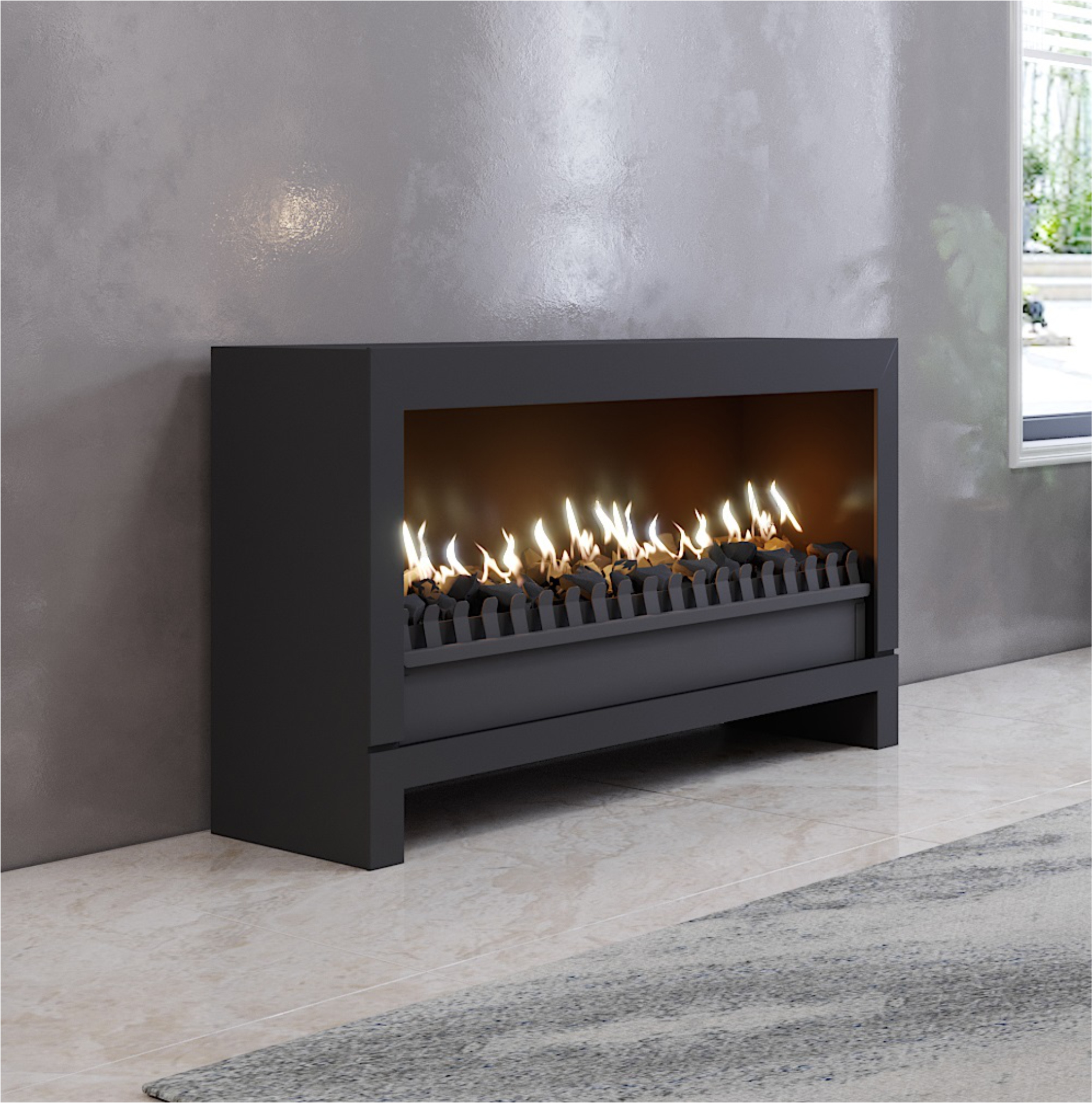
Everything you need to know about wall mounted gas fireplaces in South Africa — from installation requirements and Rand price ranges to load-shedding performance and what makes one worth the investment.
A wall mounted gas fireplace is quickly becoming the heating upgrade of choice for South African homeowners — especially in Cape Town, Johannesburg and coastal areas where traditional chimneys are difficult to install, living spaces are open-plan, or load-shedding makes you want a heating source that doesn’t rely on Eskom. Unlike wood-burning units that demand a chimney, a flue run and regular annual sweeping, a wall mounted gas unit mounts cleanly against any interior wall, connects to your home’s gas supply and starts instantly with the press of a button. They also look exceptional, transforming an ordinary lounge or bedroom into a dramatic focal point.
If you’ve been weighing up whether one suits your home and budget, this guide covers everything: how they work, what they cost in South Africa, installation requirements, load-shedding performance, and the honest pros and cons.
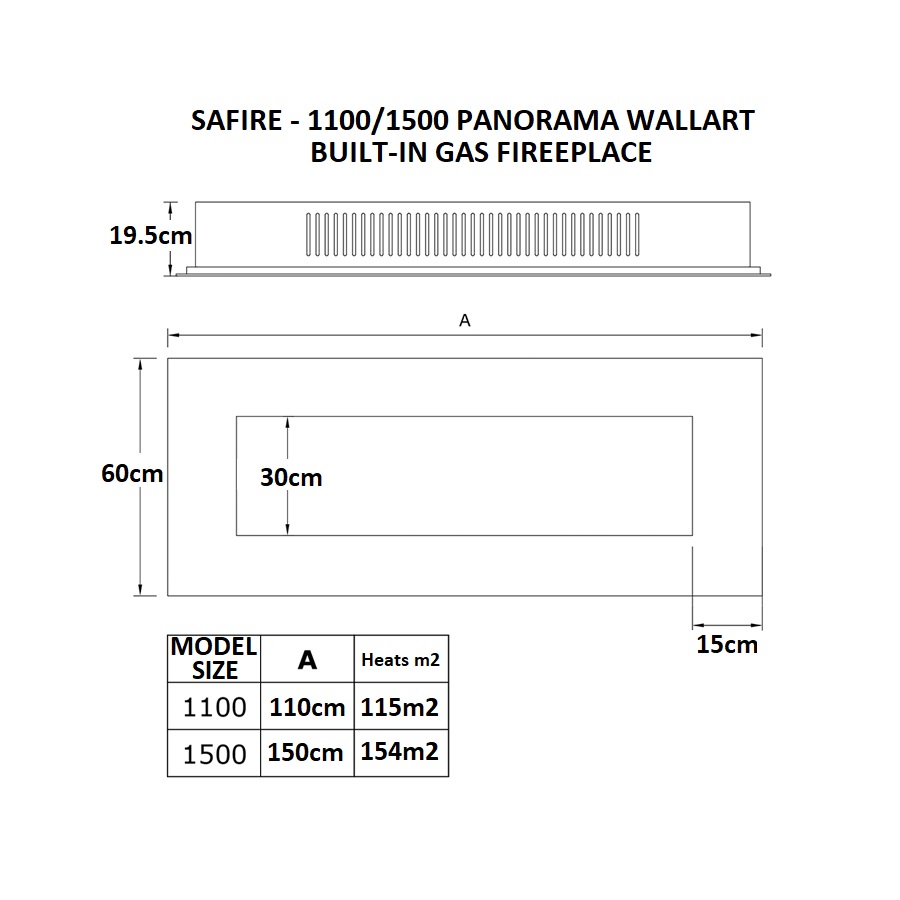
What Is a Wall Mounted Gas Fireplace?
A wall mounted gas fireplace is a slim, panel-style unit that hangs on — or recesses slightly into — a wall, much like a large flatscreen television. It burns LPG (liquefied petroleum gas) or natural gas to produce real flames visible through a ceramic glass front. Most models use a direct-vent design: combustion air is drawn in from outside through a coaxial flue pipe, and exhaust gases are expelled back through the same passage. This sealed combustion system means no products of combustion enter your living area.
This is where buyers often get confused: a wall mounted gas fireplace isn’t the same as no flue. Most units need a short horizontal or near-horizontal flue that penetrates an exterior wall — typically a 150–200mm core. That’s a much simpler installation than running a full chimney stack. Our flue systems range covers the options if you want to understand what’s involved before committing.
Flueless (catalytic combustion) models do exist and need zero venting, but they are limited to lower heat outputs and require well-ventilated rooms. They are not recommended for tightly sealed modern apartments or smaller bedrooms.
Wall Mounted Gas Fireplace vs Built-In: The Key Difference
A built-in gas fireplace is fully recessed into a wall cavity or structural surround — it becomes part of the architecture and is a permanent fixture. A wall mounted unit sits proud of the wall or recesses only partially, meaning installation is faster, requires less structural work and the unit remains removable. Both can achieve high heat outputs and both require a gas supply; the differences come down to:
- Installation complexity: Wall mounted units are simpler — no major wall cavity construction is required.
- Aesthetics: Built-in fireplaces read as architectural features; wall mounted units have a contemporary, gallery-art quality.
- Cost: Wall mounted units typically cost less to install because structural work is minimal.
- Flexibility: A wall mounted unit can be removed if you move; a built-in is a permanent addition to the property.
If you’re still deciding between the two approaches, our gas fireplace range includes both styles across multiple heat output levels — it’s worth seeing them side-by-side before making a decision.
What Does a Wall Mounted Gas Fireplace Cost in South Africa?
South African buyers are often surprised by how wide the price range is. Here’s a realistic breakdown at the time of writing:
- Entry-level (5–8kW, basic remote): R15,000–R25,000 for the unit alone
- Mid-range (8–12kW, multiple flame settings, thermostat): R25,000–R50,000
- Premium SA-manufactured (12–18kW, large panoramic glass front): R50,000–R90,000+
- Installation (gas line, flue core, labour, CoC): R6,000–R18,000 depending on wall construction and gas run distance
Total installed budget: expect a minimum of R20,000–R30,000 for an entry-level setup, and R60,000–R110,000 for a premium unit professionally installed. For a full breakdown of what drives those costs, our fireplace installation cost guide is worth reading before you commit.
One SA-specific note: LPG prices fluctuate with the rand/dollar exchange rate and global commodity markets. A typical 10kW wall mounted gas fireplace running 4 hours per evening consumes roughly 1.5–2kg of LPG. At current rates that’s approximately R30–R50 per evening — competitive with electric oil-column heaters and significantly cheaper per usable degree of warmth when load-shedding means your reverse-cycle air con is offline.
Installation: What the Process Looks Like
Installing a wall mounted gas fireplace involves a registered gas professional, and in most cases a builder or tiler for the wall preparation. In South Africa, all gas work must comply with SANS 10087 and be completed by a practitioner registered with LPG South Africa or the relevant regulatory body. The process typically runs:
- Determine the flue exit point — usually through an exterior wall directly behind or adjacent to the fireplace position.
- Core drill or chase the wall for the coaxial flue sleeve.
- Mount the fireplace bracket and position the unit.
- Connect and pressure-test the gas supply line (confirm whether your home runs LPG or reticulated gas before ordering a unit).
- Commission the fireplace, test ignition and flame modulation, and issue a Certificate of Compliance (CoC).
Our team handles professional fireplace installation end-to-end across Cape Town and the surrounding region — gas connection, flue core, finishing and CoC included. No need to coordinate three separate contractors yourself.
Does a Wall Mounted Gas Fireplace Work During Load-Shedding?
This is the question South African buyers ask more than any other — and the answer is mostly yes, with one small caveat. The gas burner runs independently of the power grid, so it heats your room whether Eskom is cooperating or not. However, the electronic ignition, digital thermostat and convection fan typically require mains power or a 12V battery backup.
Most quality units sold in South Africa include battery-backed ignition, so you can light the fire during a blackout. The convection fan — which actively circulates warm air around the room — may not run without mains power, slightly reducing heat distribution efficiency. Even without the fan, radiant heat from the glass front warms a room effectively, particularly an open-plan living area of 30–50m².
If load-shedding resilience is a non-negotiable, confirm with your installer before ordering that the specific model includes 12V battery ignition. For a broader look at how different fuel types perform under SA conditions, our gas vs wood-burning fireplace comparison covers the trade-offs in detail.
5 Reasons a Wall Mounted Gas Fireplace Makes Sense Right Now
- No full chimney required. Most homes can accommodate one with just a short wall penetration — a major advantage in apartments and newer builds with no existing flue infrastructure.
- Instant heat. Full output in under two minutes. No kindling, no waiting for the fire to take hold, no ash to clear the next morning.
- Clean and low-maintenance operation. No ash, no soot, no firewood storage. Annual gas servicing replaces the need for chimney sweeping.
- Load-shedding resilient. Burns gas with battery ignition backup — you’re warm when the lights go out.
- Strong design impact. The contemporary panel-on-wall aesthetic suits modern South African architecture, from Blouberg beachfront apartments to Joburg bushveld retreats.
Homeowners still comparing styles will find our guide on choosing the right fireplace for your home useful — it covers gas, wood, freestanding and built-in options across different home types and heating needs. You can also browse our full fireplace collection to see everything in one place.
Frequently Asked Questions
Does a wall mounted gas fireplace need a flue?
Most models do, but it’s a short direct-vent flue that exits through an exterior wall — not a traditional chimney stack. The core drill is typically 150–200mm and adds minimal disruption to the installation. Flueless catalytic models exist but are limited to lower outputs and require well-ventilated rooms.
Can I install one in an apartment?
Often yes, provided there is an accessible exterior wall for the flue exit and your body corporate permits gas appliances. Cape Town buildings with existing gas infrastructure are the easiest cases. Always check sectional title rules first and use a registered gas installer who can issue a CoC.
How much gas does a wall mounted gas fireplace use per hour?
A 10kW unit running at full output typically consumes 800g–1kg of LPG per hour. In practice, most units run at partial output via thermostat, so real-world consumption over a 4-hour winter evening averages closer to 1.5–2kg total. On a standard 48kg cylinder that’s roughly 24–32 evening sessions before a refill.
Is a wall mounted gas fireplace safe for indoor use?
Yes — when correctly installed by a registered gas professional using a direct-vent flue. The sealed combustion chamber means no combustion gases enter the room. Standard safety practices still apply: annual servicing, a carbon monoxide detector in the room, and a valid CoC from your installer. Never use a gas appliance in a sealed room without adequate ventilation if in doubt.
Talk to a Specialist Before You Commit
A wall mounted gas fireplace is a long-term fixture — getting the heat output, gas supply type, flue routing and panel size right from the start saves significant hassle later. Our gas fireplace range covers models from 5kW to 20kW in both wall mounted and built-in configurations, at a range of price points.
When you’re ready to take the next step, request a free installation quote and one of our specialists will assess your space, recommend the right model for your home and heating needs, and walk you through the full installation process — no obligation, no pressure.
Related reading
- Can You Install a Fireplace in an Existing Home? Yes — Here's How
- Combustion Fireplace Installation: How It Works, Costs & Compliance
- Need it done professionally? See our fireplace installation in Cape Town service.
Planning this kind of work?
Call or WhatsApp with your suburb and photographs. Fire Flames can discuss your fireplace, braai or home project and quote.
Get A Quote →