
What Is a Lava Fireplace — and Is It Worth Buying?
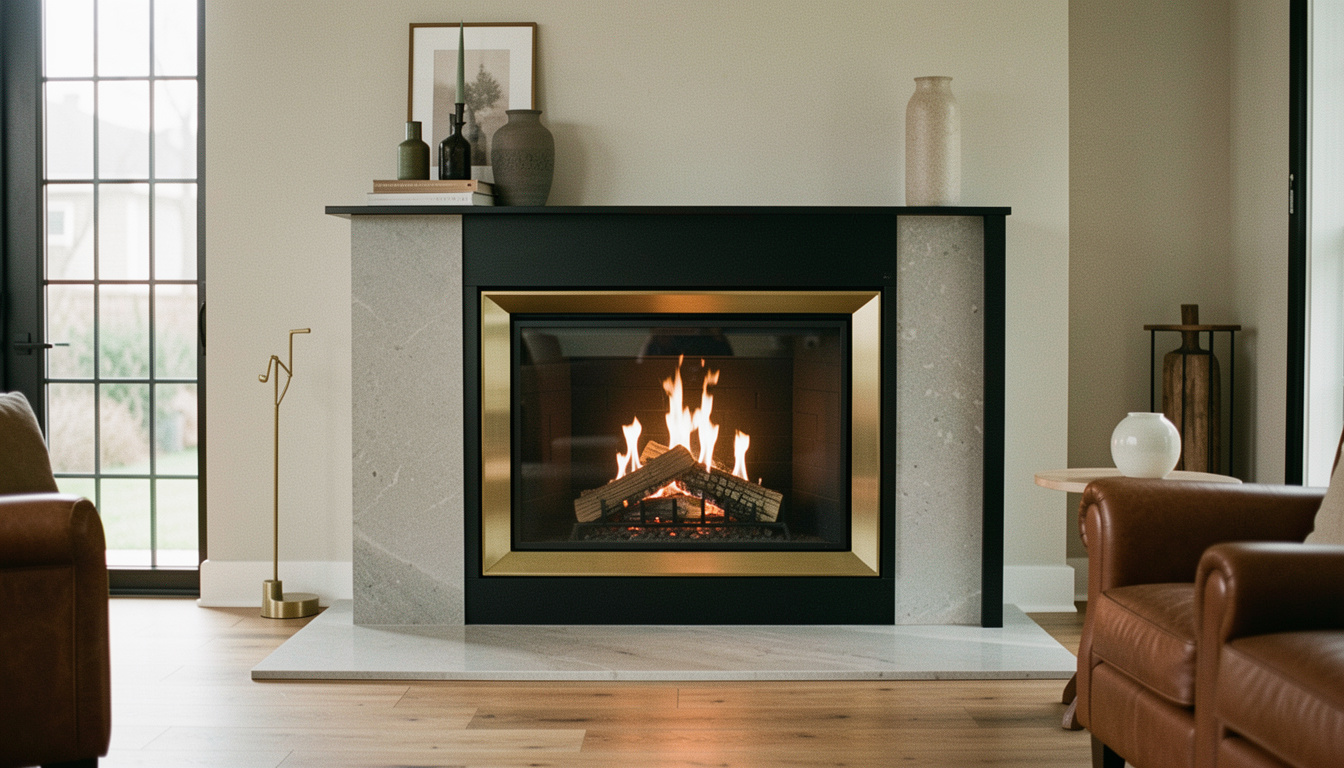
A lava fireplace uses volcanic basalt rocks to deliver even, long-lasting heat from a gas burner. Here is what it costs in South Africa, which type suits your space, and five checks to make before you buy.
A lava fireplace is a gas-powered fireplace that uses volcanic basalt rocks as its heat-radiating bed — and once you have seen one glowing at full burn, ceramic logs start to look a little flat. If you have been browsing our range of fireplaces and cannot quite decide whether the lava rock option is worth the investment, this guide gives you a clear-eyed look at what it is, how it works, what it costs in South Africa, and where it falls short.
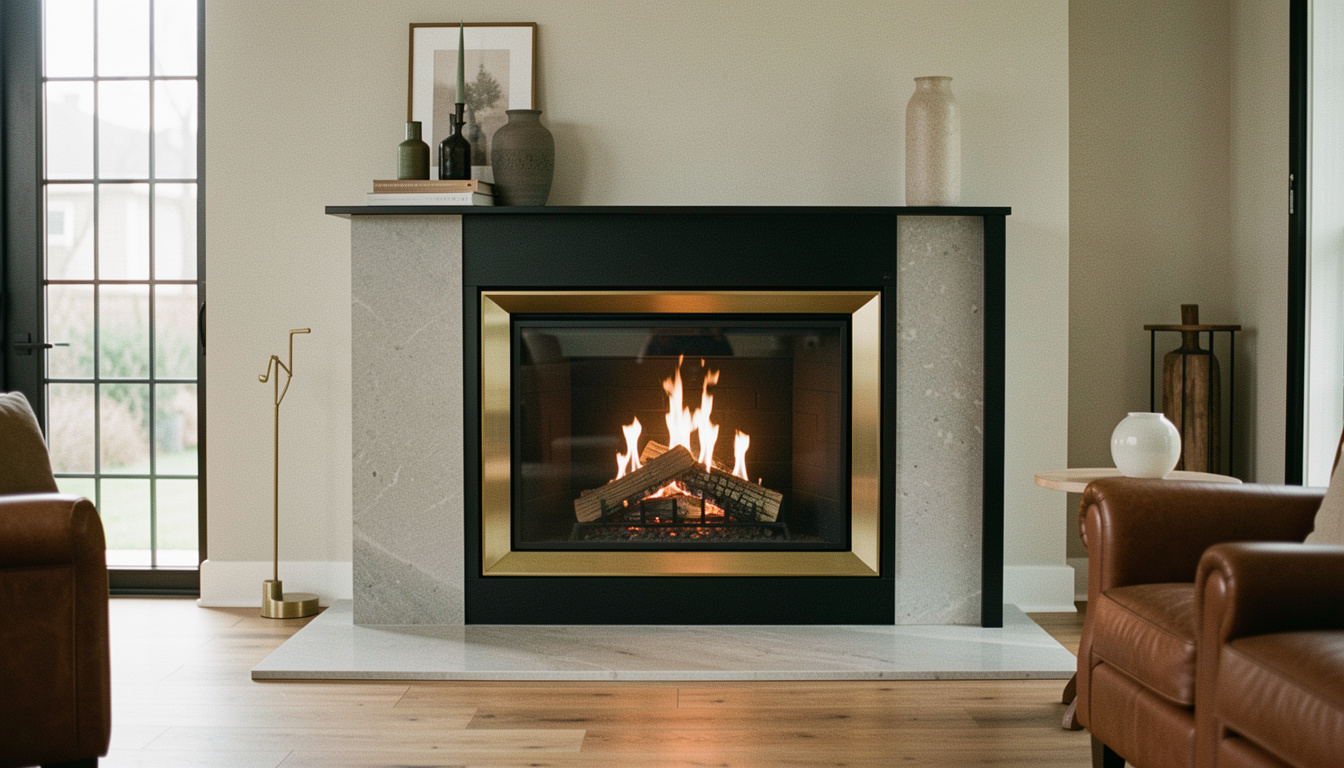
What Is a Lava Fireplace?
A lava fireplace takes its name from the bed of heat-treated volcanic basalt — commonly called lava rock — that sits over a gas burner inside the firebox. When the burner ignites, the flames rise through the gaps between the rocks while the basalt absorbs heat and radiates it slowly and evenly into the room. The result is a warmer, more consistent heat output compared to a bare gas flame, plus a natural, textural aesthetic that suits contemporary and industrial interiors.
The rocks are not just decorative. Basalt is naturally porous and highly heat-resistant, able to withstand thousands of thermal cycles without cracking. This makes it one of the most durable materials you can put inside a gas appliance. When the burner is turned down, the rocks continue releasing stored warmth for 15–30 minutes — smoothing out the temperature in the room considerably and making gas usage more efficient.
Lava Rock, Ceramic Logs or Glass Beads — Which Should You Choose?
Gas fireplaces can be fitted with several different types of media. Here is how lava rock compares to the two most common alternatives:
- Lava rock: Best heat retention, best value for money, suits contemporary and Scandinavian-style interiors. Slightly rougher in appearance — some buyers find it less visually dramatic than ceramic logs.
- Ceramic logs: Most realistic traditional look. Good heat output but slightly lower thermal mass than lava rock. Best for buyers who want the visual of a wood fire without the wood.
- Glass beads or crystals: Striking and modern but the lowest heat retention of the three. More of a mood feature than a primary heat source.
Many homeowners mix lava rock as a base layer with a few ceramic logs on top — getting the heat retention of basalt with the visual interest of wood-style logs. It is a practical middle ground and works well in most standard gas fireplace units.
Types of Lava Fireplace Available in South Africa
Lava rock media can be used across different fireplace formats. Understanding the differences is the first step in choosing the right fireplace for your home.
Freestanding Lava Rock Gas Fireplace
Freestanding fireplaces fitted with lava rock are the most flexible format — no wall opening required, and they can be positioned wherever a gas point exists. They are a practical choice during load-shedding because they run entirely on LPG with no electrical ignition board. Units start from around R8,000 for a compact model, making them accessible for homeowners upgrading from electric bar heaters.
Built-In Lava Rock Gas Fireplace
For a cleaner, more architectural finish, built-in fireplace inserts with a lava rock bed sit flush with the wall and can be framed with a custom plaster, tile, or stone surround. These suit new builds and renovations where the fireplace is a deliberate design feature. Installation is more involved — our team handles gas line connection, flue or flueless configuration, and surround finishing through our professional fireplace installation service.
Outdoor Lava Rock Fire Features
Lava rock is also used in outdoor gas fire tables, fire bowls, and built-in outdoor fireplaces. Because basalt does not absorb atmospheric moisture the way ceramic log sets do, it handles Cape Town’s winter humidity and coastal conditions far better — a meaningful practical point if your outdoor feature is exposed. For a full breakdown of freestanding vs built-in fireplaces, including which works better in outdoor settings, that comparison guide covers every angle.
5 Expert Checks Before You Buy a Lava Fireplace
A lava fireplace is a long-term purchase. Before you commit, run through these five checks to make sure you are buying the right unit for your space:
- Room size vs heat output (kW): A 5kW unit heats a room up to roughly 50m²; a 10kW unit handles 80–100m². Buying undersized means the unit runs flat-out and still fails to heat the room; buying oversized wastes gas.
- Flue requirement: Some gas fireplaces are flueless — they use a catalytic converter to neutralise combustion byproducts and can be installed almost anywhere. Others need a certified flue. Confirm with your installer before finalising a location.
- LPG vs natural gas: Cape Town and most suburban areas use LPG cylinders. Natural gas via reticulated network is available in parts of Johannesburg and a few other metros. Burner jets differ between the two gas types — make sure the unit is configured for your supply.
- Thermostat vs manual control: Thermostatic models maintain a set room temperature automatically and tend to be more gas-efficient. Manual controls cost less upfront but require you to adjust the flame yourself throughout the evening.
- Registered gas installer: Gas work in South Africa must be done by a qualified person registered with the LP Gas Safety Association of SA. Always request a Certificate of Compliance (CoC) on completion — you will need it for insurance purposes and at property transfer.
What Does a Lava Fireplace Cost in South Africa?
Expect to pay more than you would for a basic decorative gas unit — the improved heat output and quality rock media represent a step up from entry-level options. Here are ballpark ranges for supply and installation:
- Compact freestanding unit (lava rock): R8,000–R14,000 supply; R12,000–R20,000 fully installed
- Mid-range built-in gas fireplace (lava rock): R18,000–R35,000 supply; R25,000–R50,000 installed
- Premium linear or designer unit: R40,000–R90,000+ supply; R55,000–R120,000+ installed
Lava rock media itself costs R150–R400 per bag (approximately 2–3 kg). Most units need 4–8 kg of rock, so a complete re-media fill costs under R1,000 and takes less than an hour. For a detailed breakdown of what drives fireplace pricing — labour, flue work, gas line extension, and surround finishes — our fireplace installation cost guide covers each line item.
Running Costs and Load-Shedding Resilience
A 5kW gas fireplace running on LPG costs roughly R8–R14 per hour at current LPG pricing in Cape Town (approximately R30–R35 per kg). Run it for four hours on a winter evening and you are spending R32–R56 in fuel. Compare that to a 2kW electric bar heater — which struggles to heat the same space — at R4–R8 per hour. Gas wins decisively on output per rand once you account for room size. Our comparison of gas and wood-burning running costs puts the full numbers side by side for both fuel types.
On load-shedding: LPG-powered lava fireplaces run without any grid electricity. No ignition board, no fan, no thermostat power supply — just a piezo spark or pilot-light ignition that works directly off gas pressure. If you have been caught cold during stage 6 with only a plug-in heater, that resilience alone justifies a serious look at gas. Browse our full range of gas fireplaces to see available models and sizes.
Maintaining Your Lava Rock Fireplace
Maintenance is minimal compared to a wood-burning unit — no ash, no creosote risk, no annual chimney sweep required. The main tasks are:
- Annual gas inspection: Have a registered gas installer check burner ports, thermocouple, and connections once a year.
- Rock redistribution: Occasionally the rocks settle unevenly. Rearrange them when the unit is cold.
- Rock replacement: If rocks begin to crack or crumble, replace them. Widely available at hardware and braai stores nationwide.
- Glass cleaning: Wipe the glass panel monthly with a specialist fireplace glass cleaner to keep the view clear.
Frequently Asked Questions
Is a lava fireplace safe to use indoors?
Yes, when installed and ventilated correctly. Gas fireplace installations in South Africa must comply with SANS 10087, the national standard governing gas appliances and installation. Flueless models are certified for well-ventilated spaces only; units requiring a flue must be connected to a certified flue system. Always use a registered gas installer and request your CoC on completion.
How often do I need to replace the lava rocks?
Every 3–5 years under normal use, or sooner if you notice cracking, heavy discolouration, or rocks breaking apart. It is one of the lowest-cost maintenance items in a gas fireplace — a replacement fill costs under R1,000 and takes 30 minutes. Replacement lava rock is stocked at most large hardware retailers and braai specialty stores across South Africa.
Can a lava fireplace handle Cape Town’s coastal humidity?
Better than ceramic log sets can. Basalt does not absorb atmospheric moisture to the same degree, so outdoor lava rock units in coastal areas — Bloubergstrand, Hout Bay, Hermanus — hold up well with standard seasonal maintenance. Indoor units are unaffected by coastal air.
Which is better for load-shedding: a lava fireplace or a wood-burning fireplace?
Both are grid-independent, but a lava rock gas fireplace is faster to start (seconds vs 30–45 minutes for wood), cleaner to maintain, and needs no wood storage. A wood-burning fireplace costs less per hour to run once you source firewood affordably. The choice usually comes down to convenience vs fuel cost. Our team can walk you through both options — request a free installation quote and we will help you decide.
Get Expert Fireplace Advice from Our Team
The right lava fireplace for your home depends on your room size, gas supply type, aesthetic preferences, and budget. Our installers work across Cape Town and the Western Cape — we supply, install, and certify gas fireplaces from compact freestanding units to large designer linear models with custom surrounds.
Tell us about your space and we will recommend the right unit, the correct media configuration, and handle the full installation from gas line to final finish. Request a free installation quote today.
Related reading
- Can You Install a Fireplace in an Existing Home? Yes — Here's How
- Combustion Fireplace Installation: How It Works, Costs & Compliance
- Need it done professionally? See our fireplace installation in Cape Town service.
Planning this kind of work?
Call or WhatsApp with your suburb and photographs. Fire Flames can discuss your fireplace, braai or home project and quote.
Get A Quote →