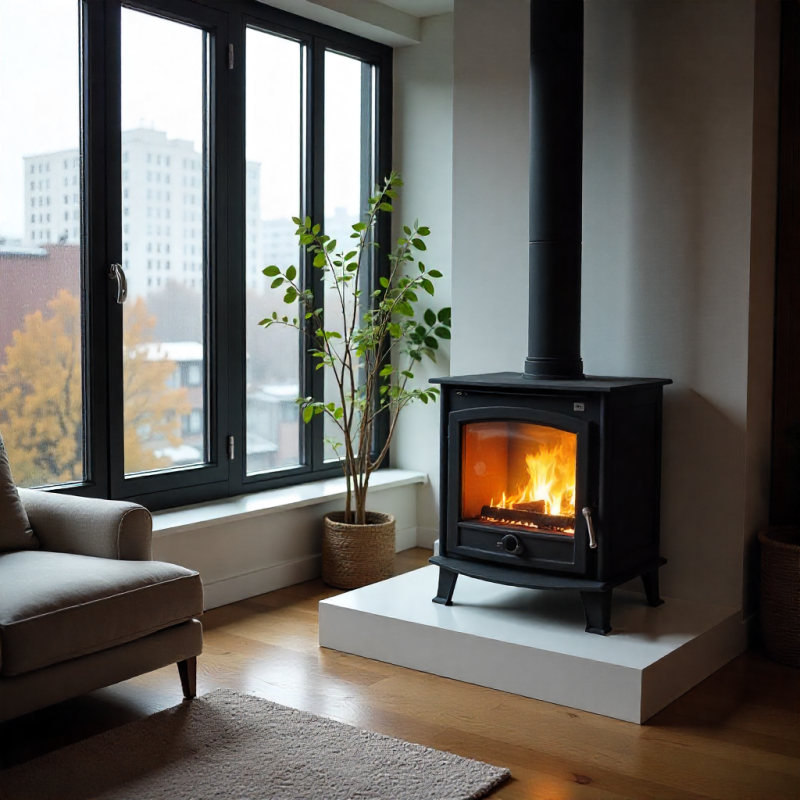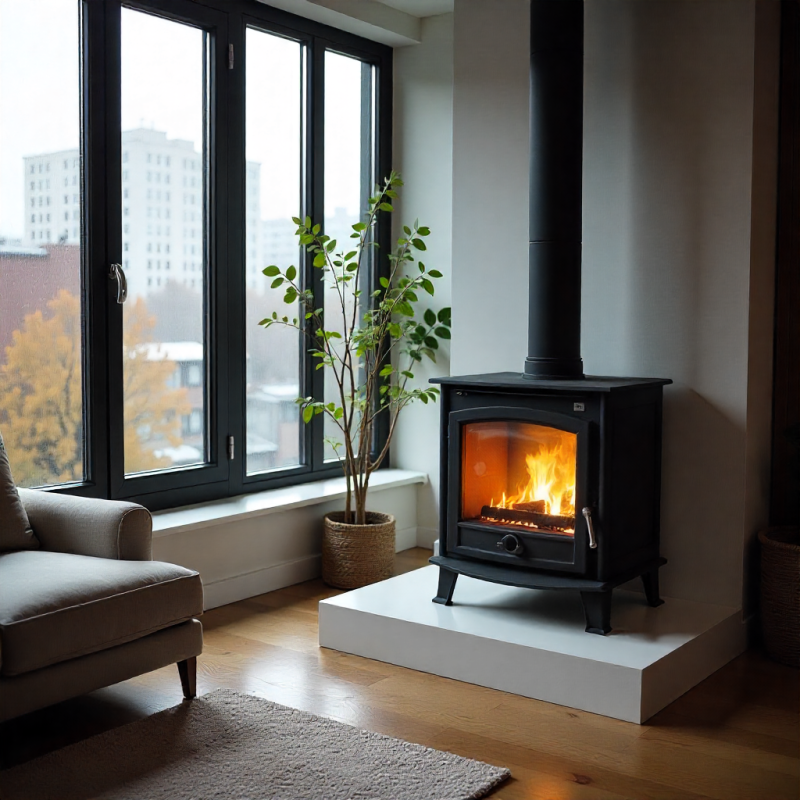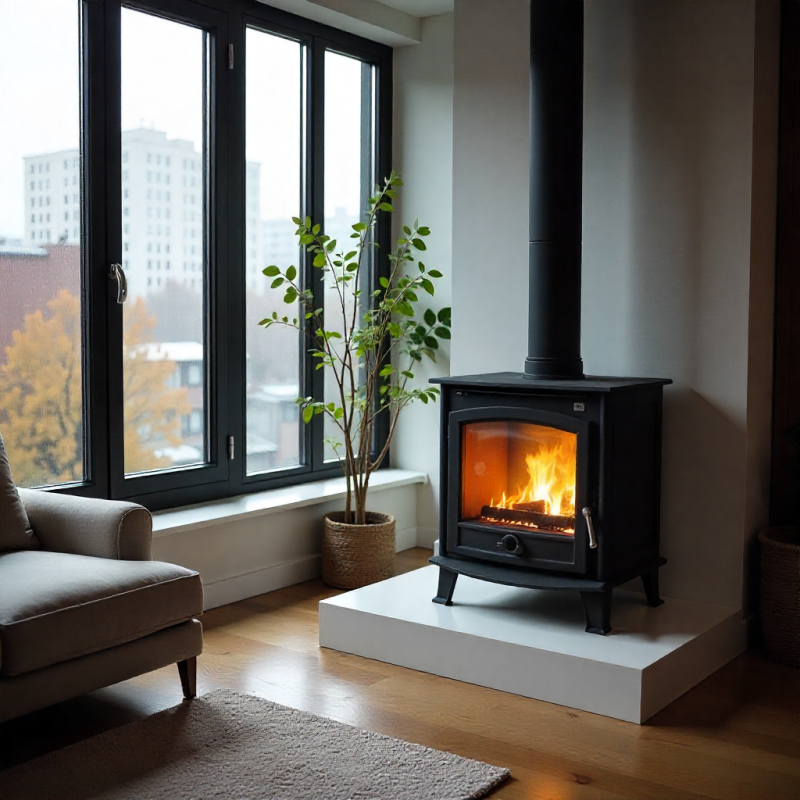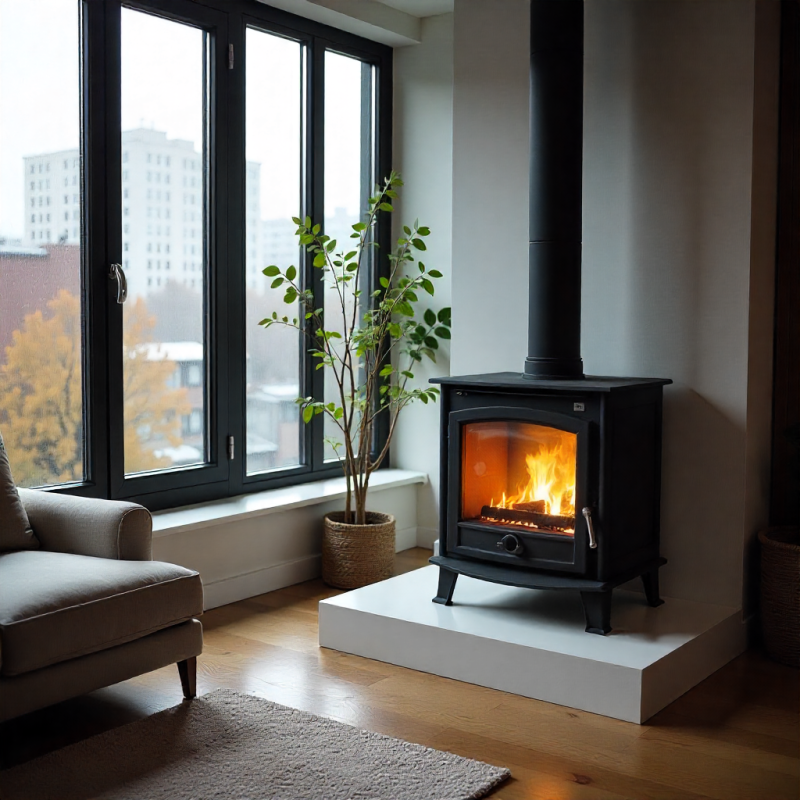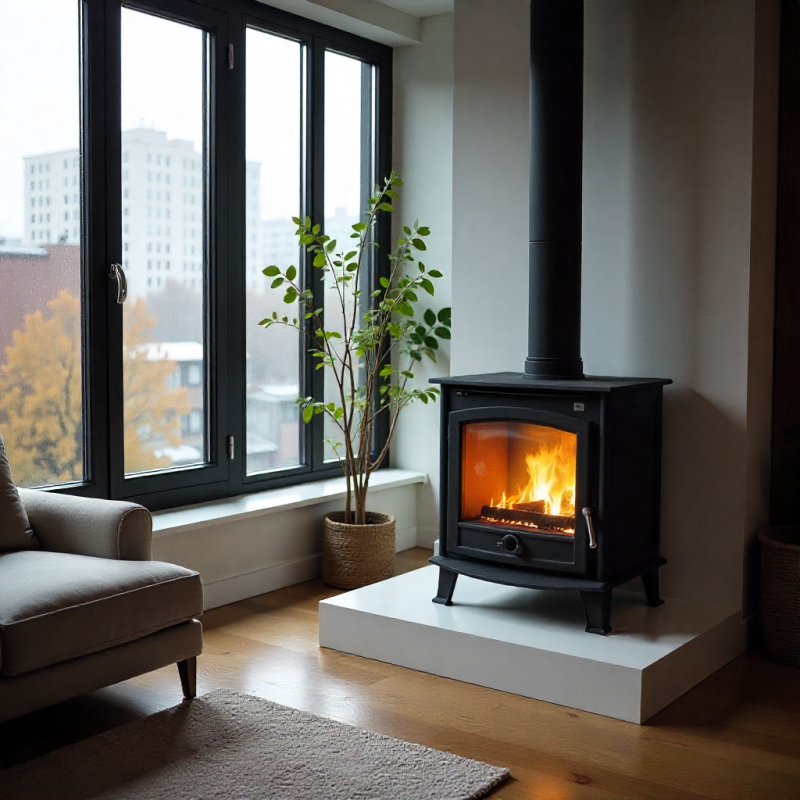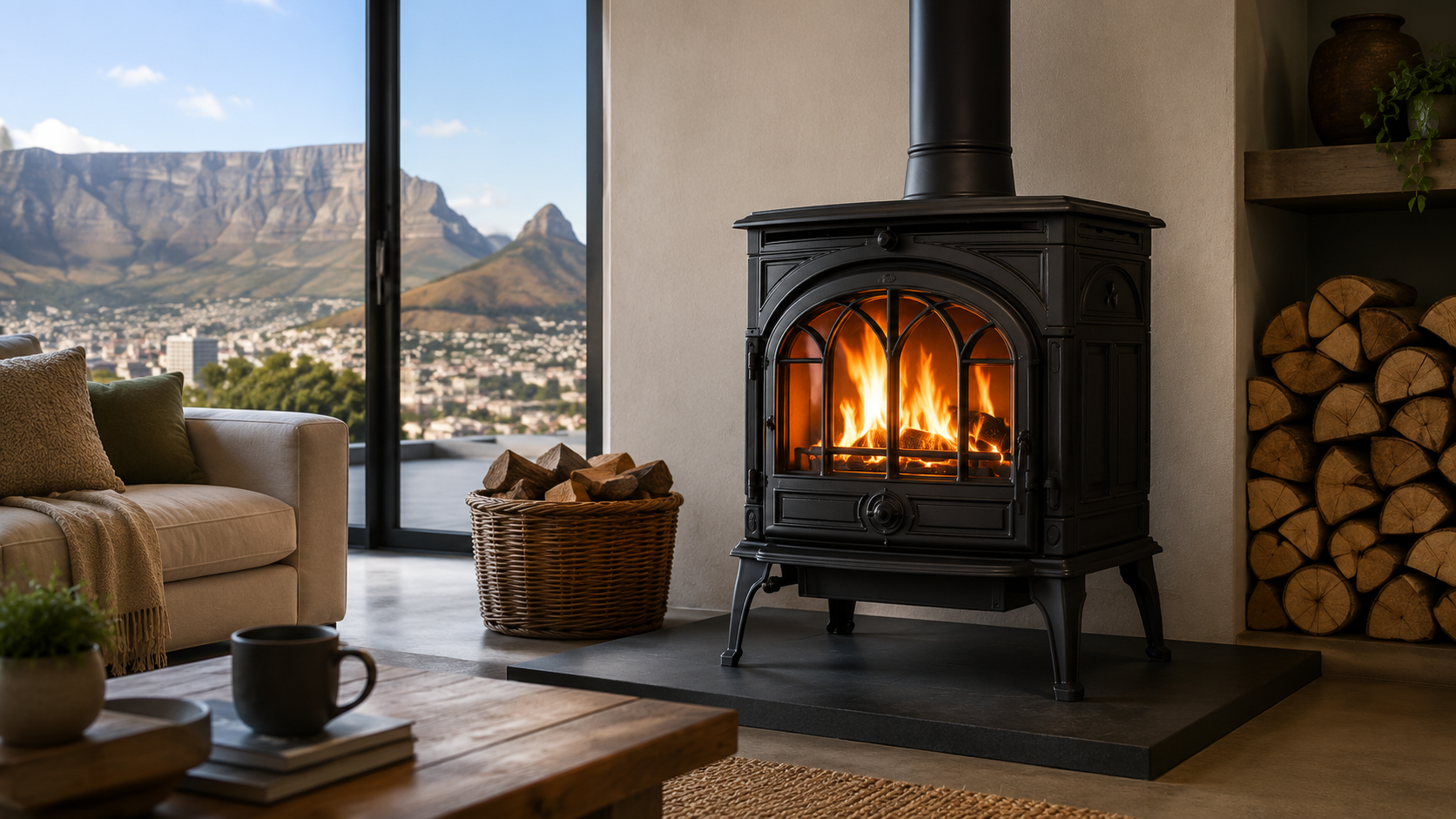

If you’ve spent any time researching quality wood-burning fireplaces in South Africa, the name Godin almost certainly came up. It appears on import pricelists, in showrooms around Cape Town, and in conversations between people who take their fireplaces seriously. The brand has a certain gravity — partly because it’s been making cast iron stoves since 1840, and partly because the product genuinely lives up to the reputation. This guide covers the Godin fireplace range available in SA, what makes the brand worth considering, realistic Rand price ranges, and how these units perform in the specific conditions of South African homes.
If you’re still at the early stage of comparing types and styles, our range of fireplaces gives you a broader starting point across all the brands and categories we stock and install.
Who Is Godin? A Brief Background
Godin was founded in 1840 in Guise, in northern France, by Jean-Baptiste André Godin. The company is one of the oldest continuously operating fireplace and stove manufacturers in the world. It built its reputation on high-quality cast iron — the same material it still uses today — and on a design language that sits somewhere between classical French craftsmanship and robust practicality.
The brand is particularly well known for freestanding cast iron stoves and fireplaces that produce serious, even heat over a long burn cycle. Unlike thin-steel units that heat up fast and cool down equally fast, cast iron absorbs heat slowly and releases it gradually — a property that matters a great deal in SA homes where a fire is often the primary heat source for several hours each evening.
The Godin Fireplace Range: What’s Available in SA
Godin produces a wide range of wood-burning units. In South Africa, the most commonly stocked models fall into three broad categories:
Compact Freestanding Models (6–8 kW)
These are Godin’s apartment and smaller-room units, designed for spaces up to about 60 m². The footprint is modest — typically around 500–600 mm wide — which makes installation in an existing alcove or against a feature wall straightforward. Smaller Godin models in this range start from approximately R15,000–R22,000 for the unit alone.
Mid-Range Freestanding Models (8–12 kW)
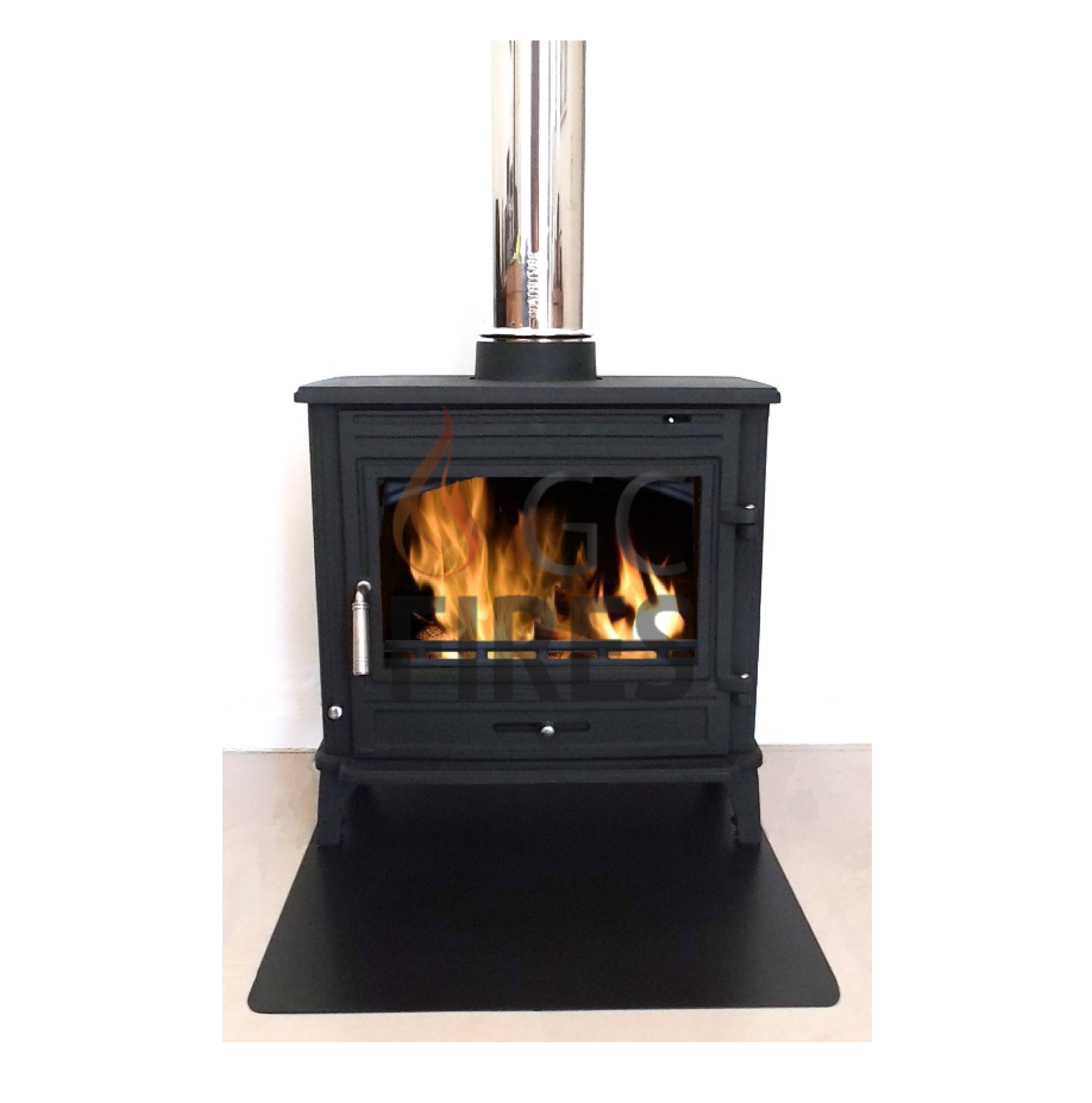
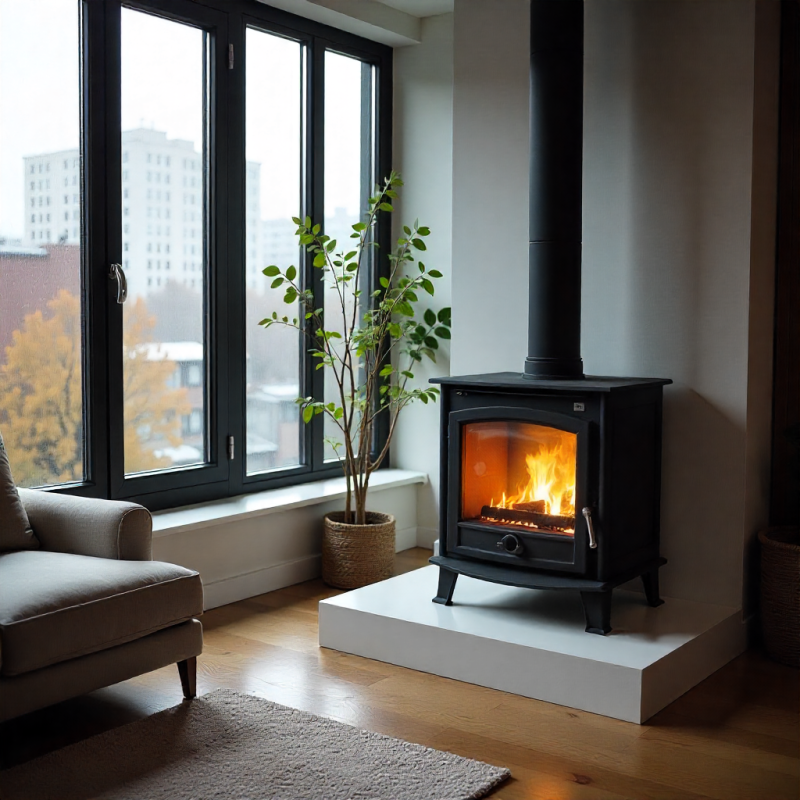
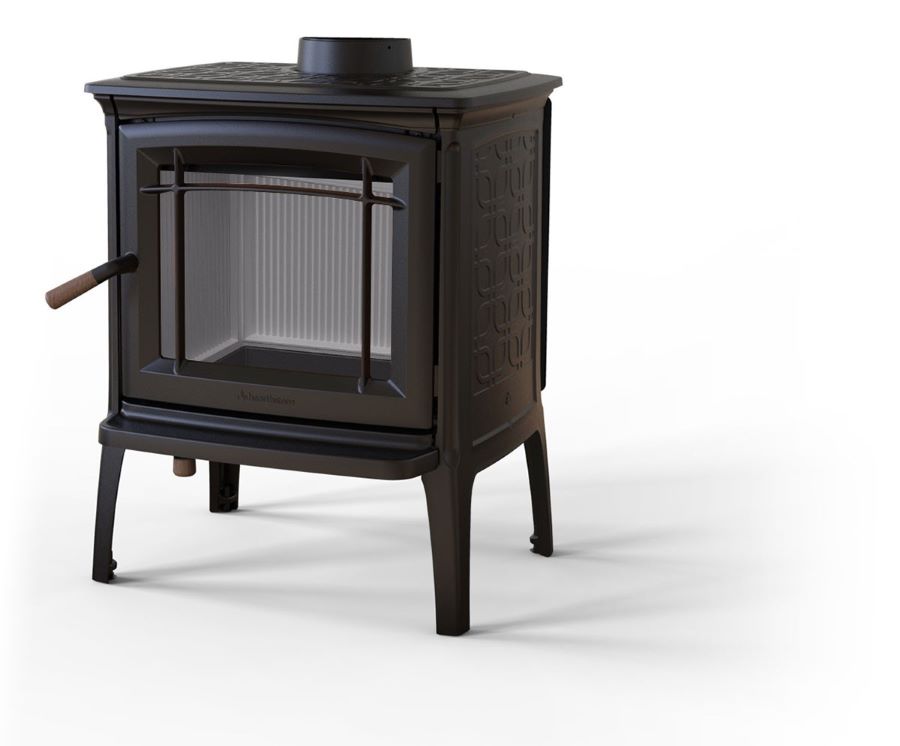
This is the core of the Godin range and the category most South African buyers end up in. These units suit open-plan living areas of 60–100 m², and include some of Godin’s most recognisable designs — models with enamel finishes in traditional black, ivory, or burgundy, often featuring decorative cast iron detailing and a generous glass viewing panel. Prices in this tier typically run from R22,000 to R38,000 depending on the specific model and finish.
If you’re weighing a freestanding unit against a built-in alternative, our guide to freestanding vs built-in fireplaces walks through the trade-offs in detail — including installation cost differences and which suits different room types.
Larger and Feature Models (12 kW+)
Godin also produces larger high-output units designed for open-plan spaces, double-volume living areas, or homes that need a fireplace to genuinely carry the heating load. These models are statement pieces as much as heat sources. Expect to pay R38,000–R55,000+ for the unit, before installation.
Why Godin Works Well in South African Homes
Several features make the Godin fireplace a particularly good fit for SA conditions — beyond the aesthetics.
Cast Iron and Load-Shedding
South Africa’s ongoing electricity disruptions have changed how homeowners think about fireplaces. A wood-burning fireplace is entirely off-grid — no electricity required for ignition, heat output, or fan assistance. Cast iron specifically helps during load-shedding: the material retains heat so well that a properly loaded Godin fireplace continues radiating warmth for 45–90 minutes after the last log has burned down, well past a two-hour outage. Thin-steel units shed their heat much faster once the fire dies back.
Coastal and Humid Environments
For Cape Town, Hermanus, Knysna, and other coastal SA homes, corrosion resistance matters. Godin’s cast iron bodies are coated or enamelled in ways that hold up well in salt-air environments when maintained correctly — annual seasoning of uncoated surfaces with a light graphite or stove-black product is standard practice. The internal firebox components are heavy-gauge cast iron, which outlasts thinner steel fireboxes in the condensation cycles common in coastal winters.
By comparison, the flue system is where coastal-specific material choices become critical. 304 stainless steel flue liners are the minimum recommended spec in any coastal SA installation, and in high-exposure beachfront properties, 316 stainless is the sensible upgrade. This is a conversation to have with your installer before committing to a flue product.
Heat Output and Room Sizing
Godin’s mid-range units at 8–12 kW are genuinely powerful enough to heat a Cape Town open-plan living area through a cold winter night. For guidance on matching output to room size, our article on choosing the right fireplace for your home covers the kW calculation in plain terms.
Godin Fireplace Prices in South Africa: What to Budget
Realistic 2025/26 budgets for a Godin fireplace installation in Cape Town look roughly like this:
- Compact model (6–8 kW): R15,000–R22,000 for the unit
- Mid-range model (8–12 kW): R22,000–R38,000 for the unit
- Premium/large model (12 kW+): R38,000–R55,000+ for the unit
- Professional installation (existing chimney): R5,000–R9,000
- Professional installation (new flue system): R10,000–R18,000+ depending on flue height, liner spec, and hearth requirements
Total installed costs for a mid-range Godin in a typical Cape Town home fall in the R30,000–R55,000 range. Our fireplace installation cost guide breaks down exactly what drives those numbers — flue length, chimney access, liner material — so you can estimate more precisely for your property.
The cast iron construction means a well-maintained Godin unit has a realistic service life of 20–30 years. Viewed over that span, the unit cost per year compares favourably with cheaper alternatives that may need replacement in 10–12 years.
Godin vs Other Fireplace Options
Godin sits in the mid-to-premium segment of the SA wood-burning market. Here’s how it positions against the alternatives:
- Vs local entry-level steel units: Godin costs more upfront but outlasts most thin-steel units significantly. Heat quality and aesthetics are also materially better.
- Vs Dovre and Morso (Scandinavian brands): These brands compete directly in the premium cast iron segment. Dovre leans industrial; Morso is minimalist Scandinavian. Godin occupies a classically French aesthetic niche — all three are broadly comparable on output and build quality.
- Vs built-in fireplaces: A Godin freestanding unit is easier to install, needs no cavity construction, and can be positioned more flexibly. Built-in units offer a cleaner architectural integration. Browse our freestanding fireplace range and our built-in fireplace inserts to compare options.
The 2026 fireplace design trends article is also worth reading if you want to gauge whether a classical Godin aesthetic fits your interior direction.
Installation: What the Process Involves
Installing a Godin fireplace is not a DIY project. The unit is heavy — most mid-range Godin stoves weigh between 80 and 130 kg — and correct flue alignment, draught calculation, and hearth clearances are non-negotiable for both safety and performance.
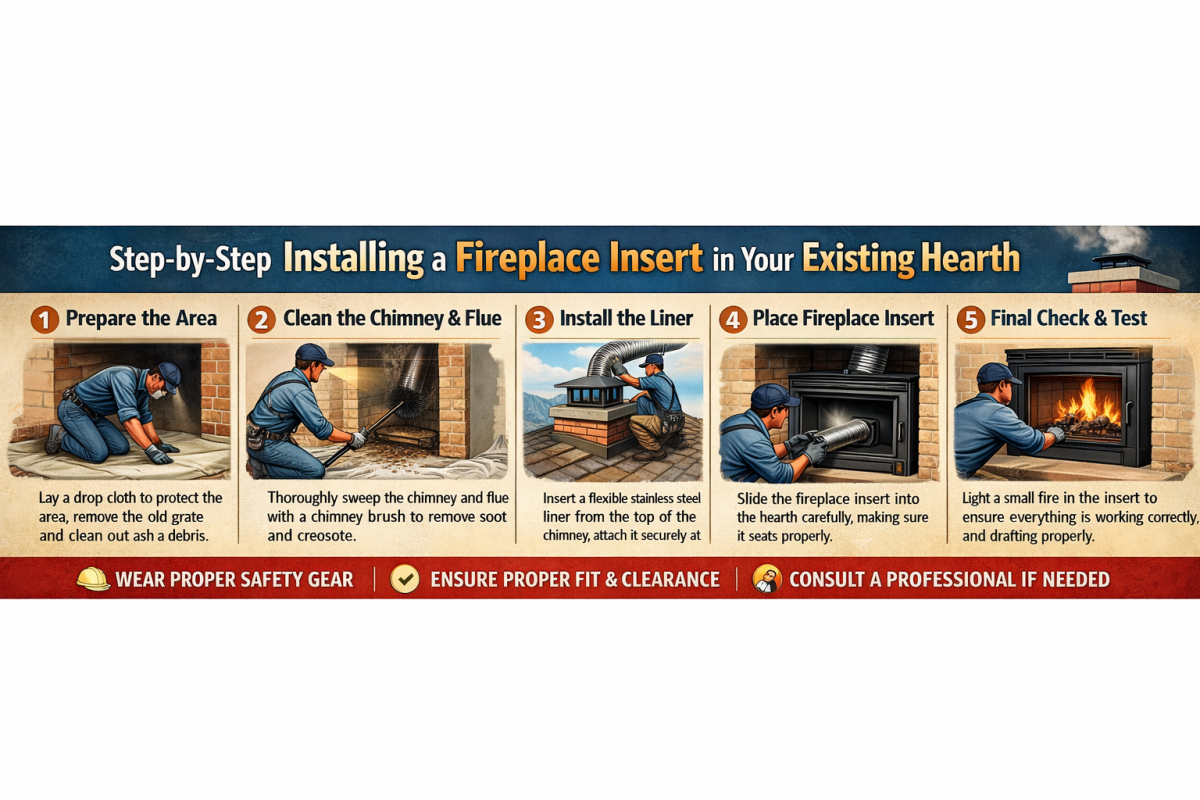
A professional installation covers: positioning the unit on an approved hearth pad or non-combustible surface, connecting to the flue system (either an existing chimney with a new liner, or a new twin-wall flue installation), sealing around the flue collar, and commissioning with a test burn. Your installer should also confirm that air supply to the room is adequate — wood-burners at 10 kW+ consume meaningful volumes of combustion air, and a tightly sealed modern home may need a dedicated vent.
Our team handles all of this. For a site visit and quotation, our professional fireplace installation service covers Cape Town and surrounding areas — get in touch to arrange an assessment.
FAQ: Godin Fireplace in South Africa
Is Godin a good brand for South African conditions?
Yes. Godin’s cast iron construction handles SA’s temperature extremes and coastal humidity better than thinner-steel alternatives. The heat-retention properties are particularly valuable in load-shedding scenarios, where you want a fire that keeps radiating warmth after the wood has burned down. All cast iron fireplaces require proper flue installation and annual basic maintenance, but neither is onerous.
How long does a Godin fireplace last?
A well-maintained Godin unit typically lasts 20–30 years. Cast iron doesn’t warp or corrode the way steel does at operating temperatures. The consumable components — door rope seals, firebricks, and occasionally the door glass — are serviceable parts that can be replaced without replacing the entire unit. This longevity is a significant part of the total-cost argument for the brand.
Can I install a Godin fireplace myself?
No. Correct flue installation requires an understanding of draught calculations, flue height minimums, and fire safety clearances. An incorrectly installed flue is both a fire risk and a performance problem — poor draught is the most common cause of a smoky, underperforming wood-burner. A professional installer also ensures the installation meets municipal and home insurance requirements. Find out what’s involved on our fireplace installation services page.
Where can I buy a Godin fireplace in Cape Town?
Godin is stocked by specialist fireplace retailers and installers in Cape Town. Fire Flame Installers stocks a selection of Godin models and can advise on the right unit for your space, arrange delivery, and handle the complete installation including the flue system. Browse our current fireplace range or contact us to check availability on specific Godin models and current lead times.
Related reading
- Can You Install a Fireplace in an Existing Home? Yes — Here's How
- Combustion Fireplace Installation: How It Works, Costs & Compliance
- Need it done professionally? See our fireplace installation in Cape Town service.