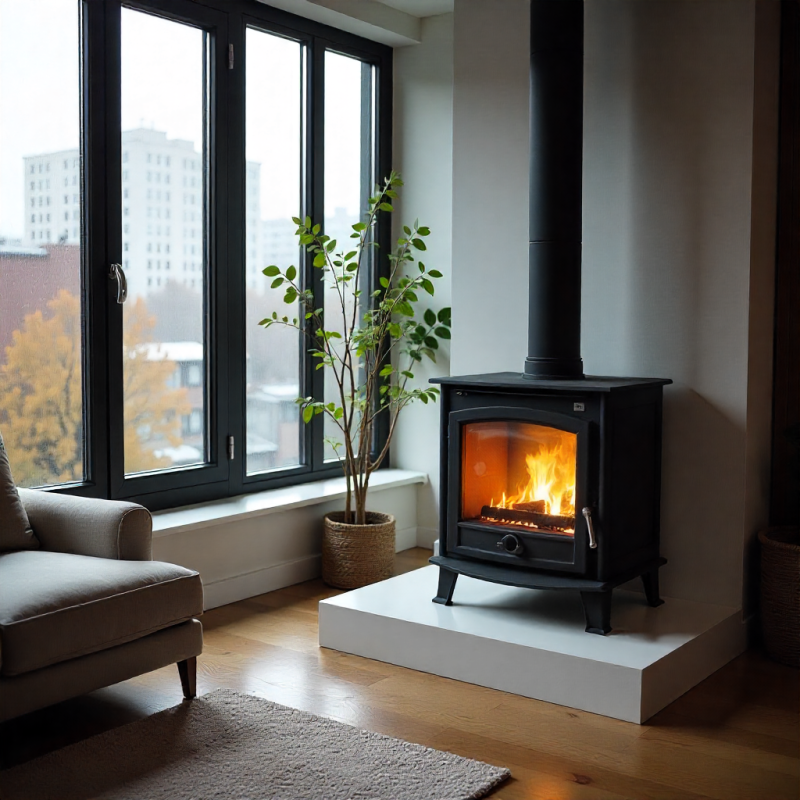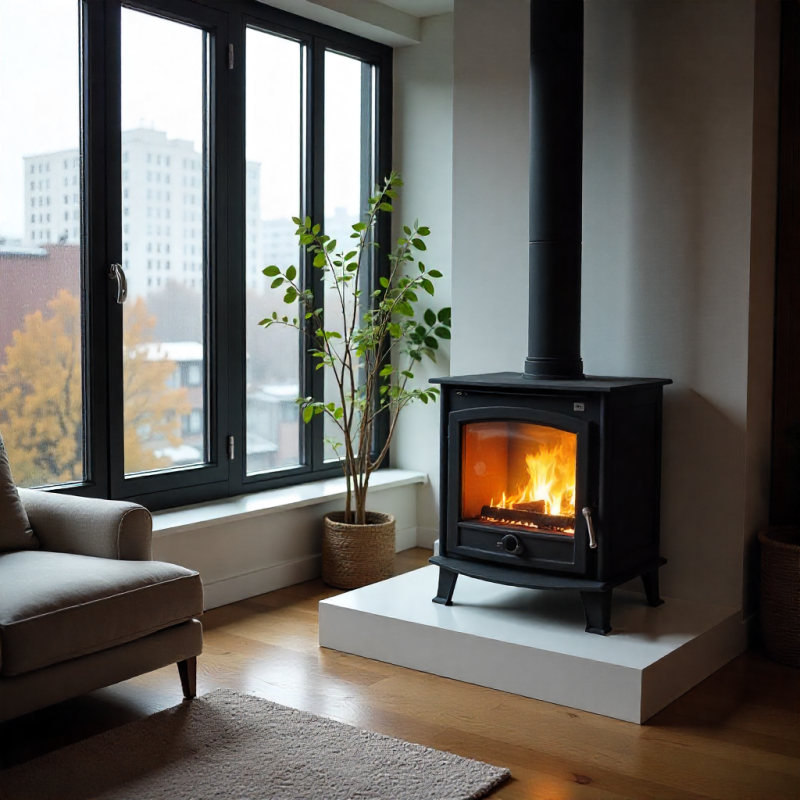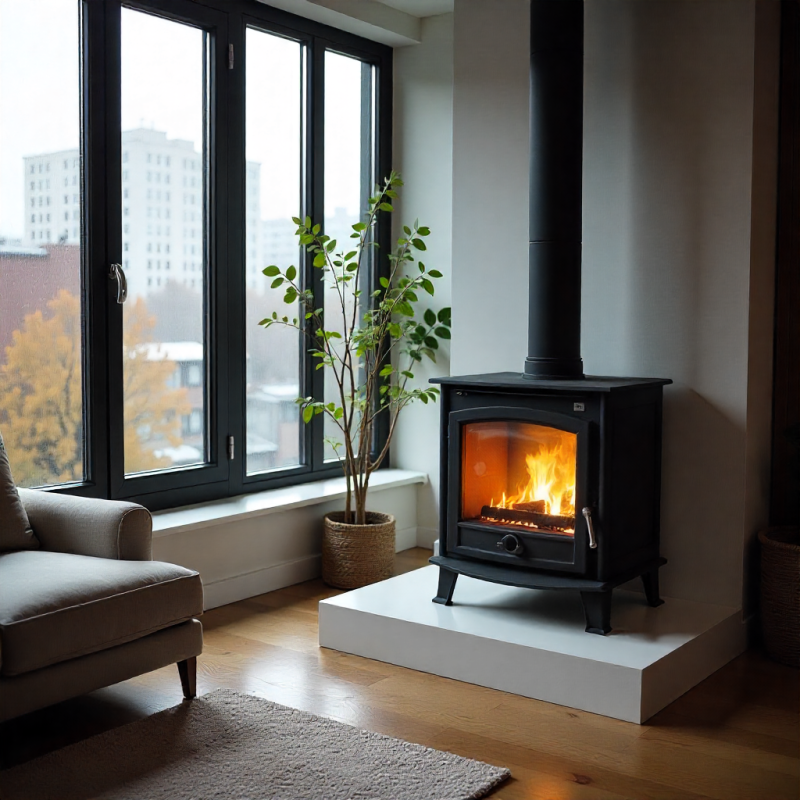

When South African homeowners start shopping for a burning wood fireplace, the first question is usually about heat output or price. Those matter — but the decision that will define how you feel about the fireplace every single day is the one most people make last: what style of unit, and what specific features does it have? A burning wood fireplace is a piece of furniture as much as it is a heating appliance, and the options available in 2026 are vastly more varied than most buyers realise.
This guide is not a general cost breakdown (we cover that separately in our fireplace installation cost guide) — it is a practical walkthrough of the design styles, technical features, and installation choices that determine which burning wood fireplace is actually right for your space.
The Four Main Design Styles
Contemporary Flat-Panel or Slab-Door
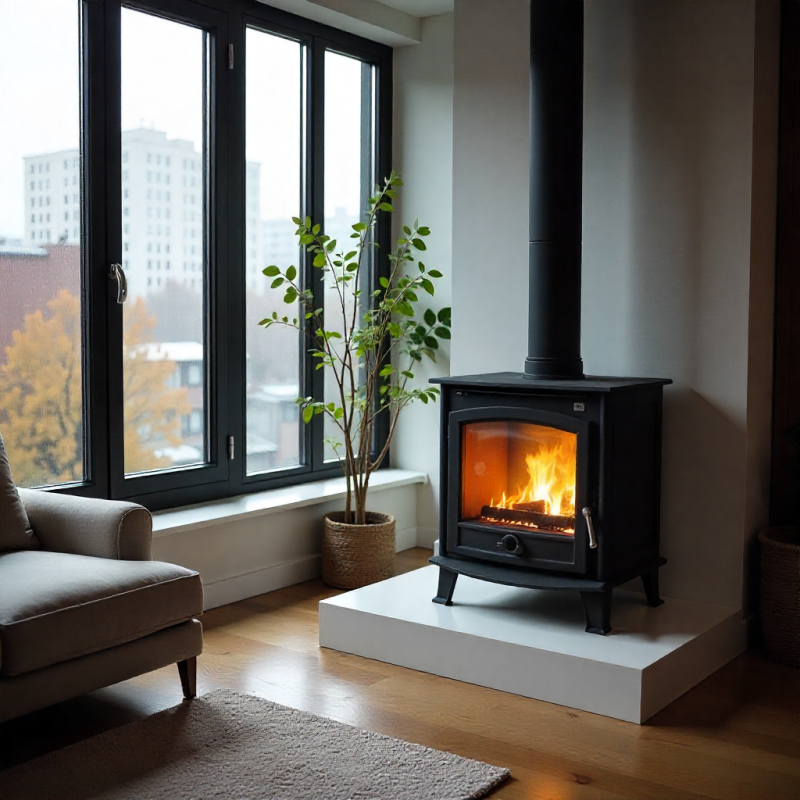
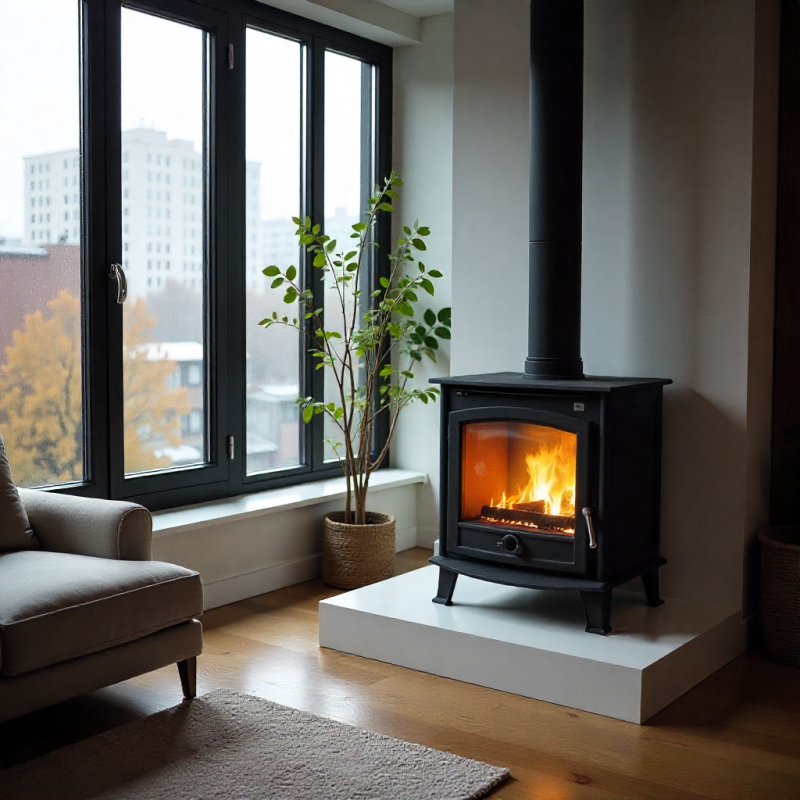
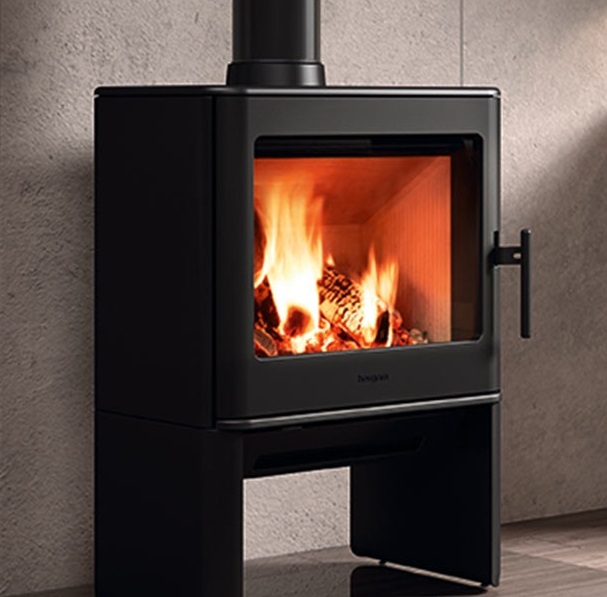
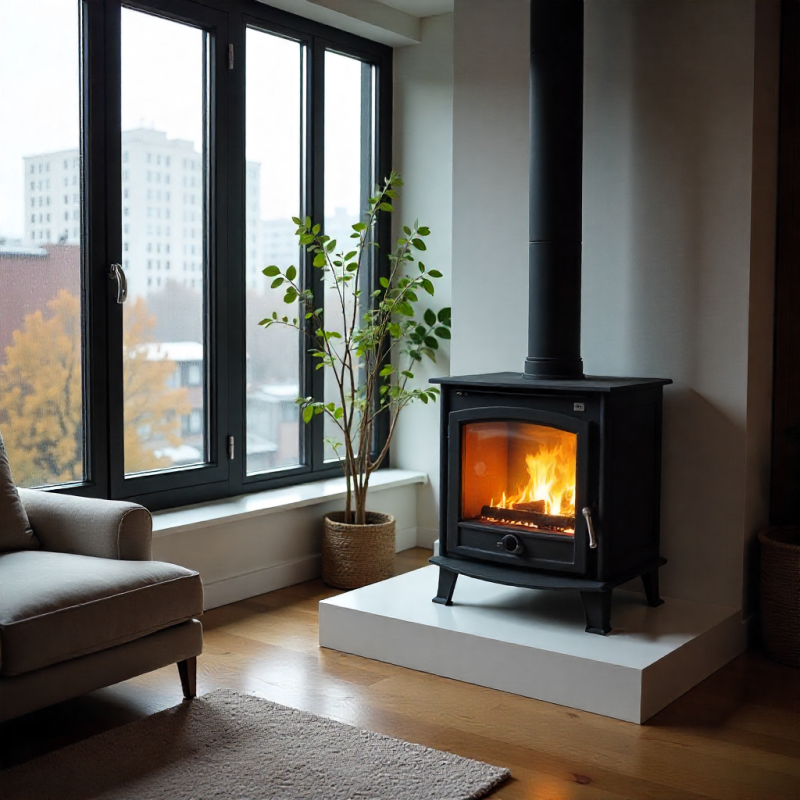
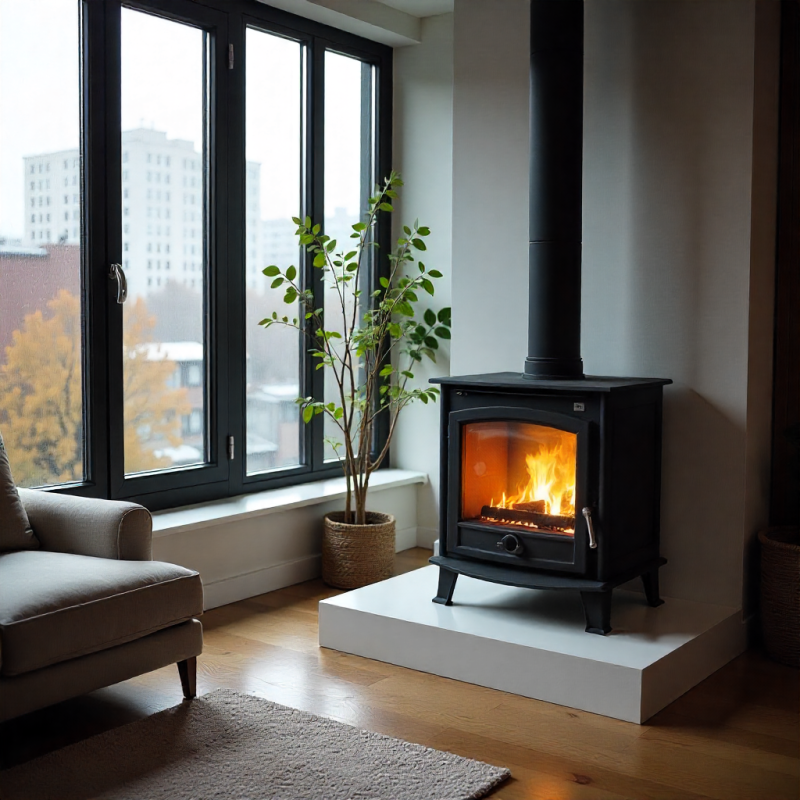
This is the dominant style in modern South African homes. A flat powder-coated steel body — often in matt black or anthracite — with a large, frameless glass door and clean geometric proportions. It suits open-plan rooms, minimalist interiors, and newly built homes where the fireplace is meant to be a feature without competing with the architecture. The glass panel is typically large enough to give an almost full-face view of the fire, making these units visually dramatic even when the room is not cold enough to need full heat.
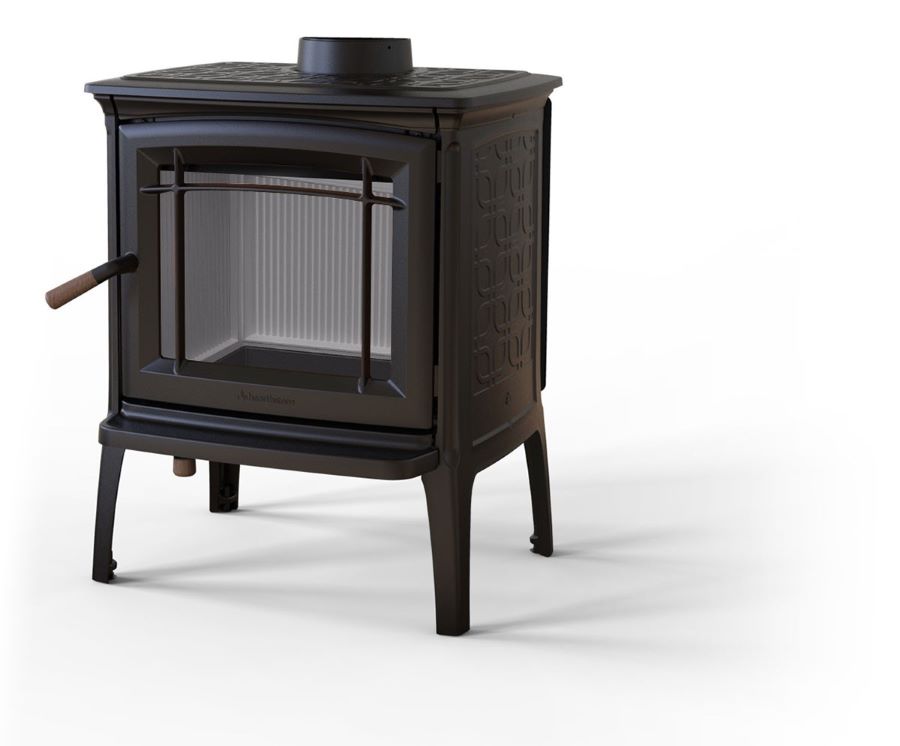
Traditional Cast Iron
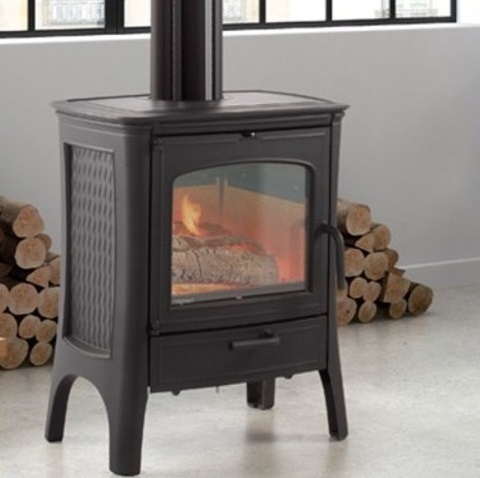
Cast iron fireplaces carry visual weight that steel units simply cannot replicate. The material radiates heat gently and evenly for hours after the fire dies down — a genuine performance advantage in cold climates — and the surface develops a satisfying patina over time. Traditional cast-iron units suit period homes, Cape Dutch farmhouses, and anyone who wants their fireplace to look as though it has been there for a generation. They tend to be heavier, require a stronger hearth, and cost more than equivalent steel units, but they are built to last decades.
Panoramic or Multi-Sided Glass
Double-sided and three-sided burning wood fireplaces are increasingly popular in South African homes where a fireplace needs to serve two adjoining spaces — a lounge and a dining room, for instance, or an interior wall that backs onto a covered patio. Our double-sided fireplace range shows the breadth of options, from landscape-format ribbon fireplaces to tall portrait models that become a visual axis in the room. Installation is more complex and generally requires custom flue arrangements, but the result is one of the most architecturally striking features a home can have.
Decorative Freestanding (Stove Style)
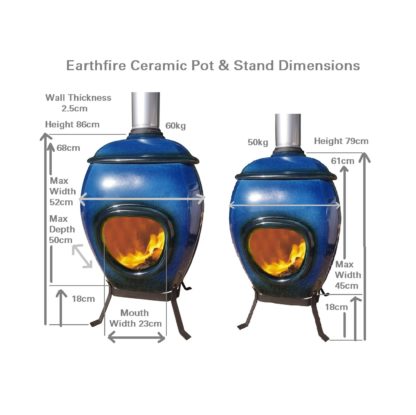
Often called a wood stove in international markets, the stove-style burning wood fireplace has legs, rounded or barrel-shaped proportions, and an intentionally domestic character. Popular in Scandinavian-influenced interiors and rural holiday homes, these units are easy to relocate (within reason), work in smaller rooms, and often cost less than full-scale architectural fireplaces. Our freestanding fireplace collection includes stove-style options alongside more contemporary designs.
Key Features to Compare When Buying
Airwash System
This is arguably the most important feature to look for. An airwash system directs a thin curtain of secondary air across the inside of the glass door, preventing soot and creosote from depositing on the glass during normal operation. Without it, the glass blackens within a few fires and you lose the visual effect of seeing the flames. Good airwash systems keep the glass clear for the entire burn cycle, requiring only an occasional wipe with a damp cloth. It is a standard feature on quality units and the absence of it is a red flag on budget models.
Riddling Grate (or Fixed Grate)
A riddling grate can be rocked or rotated from outside the firebox to break up the ash bed and drop fine ash into the ash pan below, without opening the door. This makes managing a fire much cleaner and allows you to keep the burn going longer without a full cleanout. Fixed grates are simpler (fewer moving parts, lower maintenance) and suit buyers who prefer a straightforward fuel-and-forget operation. If you plan to burn long evening fires frequently, the riddling grate is worth the premium.
Convection vs Radiant Heat
Radiant heat warms people and objects directly in its line of sight — effective and fast, but localised. Convection models draw room air in through vents at the base of the unit, heat it over the firebox, and expel warm air from vents at the top, creating a gentle circulation that heats a larger area more evenly. Many modern burning wood fireplaces combine both: a radiant glass front with convection channels on the sides and top. For large open-plan spaces, convection is important. For a focused sitting room, pure radiant is often sufficient and produces a pleasanter, more immediate warmth.
Tertiary Burn / Clean Burn Technology
Premium units include a tertiary combustion system that recirculates unburned gases back into the firebox for a second burn, squeezing more heat out of each log and dramatically reducing emissions. This is the South African equivalent of European EcoDesign-ready standards. Fireplaces with clean-burn technology produce noticeably less smoke, which matters for neighbours and for air quality in urban areas. They also produce less creosote, reducing the frequency of professional chimney sweeping needed — a cost saving over the life of the unit.
External Air Connection
In modern, well-sealed homes — particularly new builds with aluminium double-glazed windows — an open fireplace can draw combustion air from inside the living space, causing negative pressure and potentially back-drafting. Better-quality burning wood fireplaces offer an external air connection: a dedicated duct from outside the house supplies combustion air directly to the firebox. This eliminates the negative pressure problem and typically improves combustion quality. It is particularly worth specifying in Cape Town homes built after 2015 with high insulation and airtight construction.
Installation: What Actually Happens
Understanding the installation sequence helps you plan the project realistically and avoid surprises on the day.
Step 1 — Positioning and hearth preparation. The fireplace must sit on a non-combustible hearth that extends at least 300 mm in front of and 150 mm to each side of the unit. In most cases this means a tiled or stone hearth built on a concrete sub-base. For freestanding units on timber floors, a hearth pad is required as a minimum.
Step 2 — Flue routing. The installer determines the flue path — typically straight up through the ceiling and roof, or angled to avoid structural elements. Most residential installations use twin-wall insulated stainless steel flue sections, assembled from inside the room through a pre-cut ceiling collar and flashing. The flue must terminate at least 600 mm above the ridge within 3 m, or 1 m above the roof exit point where the ridge is more distant.
Step 3 — Connection and commissioning. The unit is connected to the flue, all joints are sealed, and the installer performs a smoke draw test before lighting the first fire. Our professional fireplace installation team handles every step, and we will not hand over a unit until the draw is confirmed and the installation is clean.
For more on flue options, our overview of flues and flue systems explains the difference between single-wall and twin-wall options and when each is appropriate.
Design Integration: Making the Fireplace Work in the Room
The fireplace position affects the furniture layout of the entire room. A few practical principles:
- Corner installations work well in square rooms but limit the seating arc. A central wall position gives the most even warmth distribution and the greatest seating flexibility.
- For low-ceilinged rooms, a landscape-orientation burning wood fireplace (wide and low) is visually proportionate and tends to draw better than a tall portrait unit in the same space.
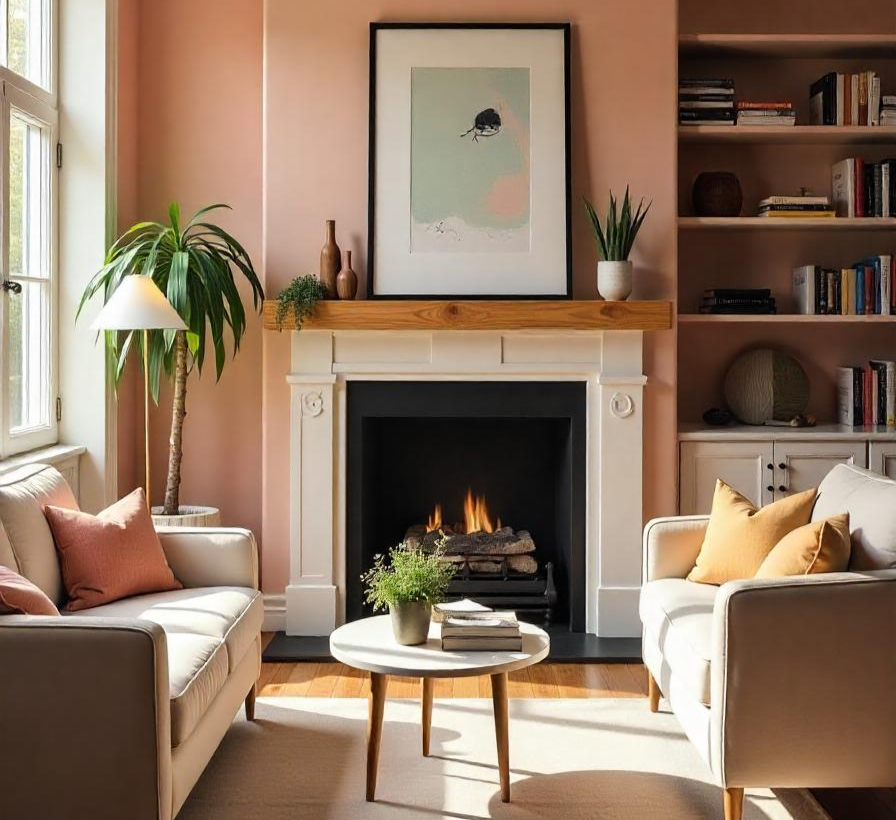
- Feature walls built around the fireplace — in plaster, tile, brick, or natural stone — extend the visual impact significantly and are relatively inexpensive to add at installation time. Plan them before the flue is cut rather than after.
- In Cape Town’s compact townhouses and apartments, a compact 6–8 kW unit positioned on an external wall often gives the cleanest flue route and avoids running pipes through shared ceiling spaces.
For a broader look at what is trending in fireplace aesthetics, the 2026 fireplace design trends guide is well worth a read before you finalise your choice.
Choosing Between Freestanding and Built-in
This is the fundamental architectural question for any burning wood fireplace project, and it is worth making deliberately rather than by default. Our detailed guide on freestanding vs built-in fireplaces covers the trade-offs fully — but in short: freestanding is faster to install, easier to relocate, and generally less expensive. Built-in is more permanent, more architecturally integrated, and adds more value to the property. If you are renovating a room you plan to keep for ten or more years, built-in is almost always the better long-term investment.
Frequently Asked Questions
What makes one burning wood fireplace better than another at the same price?
The quality of the steel (thickness and grade), the quality of the glass door seal (and the airwash system that keeps it clean), the quality of the internal baffle plate that directs combustion gases, and the quality of the flue collar connection. Budget fireplaces cut corners on all four. Premium units invest in thicker steel (less warping over time), ceramic glass that withstands higher temperatures without cracking, and precision-fitted baffles that produce a proper secondary burn. You can often tell at first inspection by weight — a quality fireplace is noticeably heavy.
Can I cook on a burning wood fireplace?
Some freestanding models include a flat top surface suitable for slow cooking and keeping food warm — this is a genuine feature on certain stove-style units and is popular in South African homes where load-shedding has made the fireplace a backup kitchen as well as a heat source. Purpose-built cooking fireplaces have reinforced top plates and are designed for the additional thermal stress. Standard decorative fireplaces are not built for cooking and should not be used for it.
How long does installation take?
A standard freestanding unit with a straight single-story flue run typically takes one full day — hearth preparation, flue assembly, unit connection, and commissioning. A built-in installation with a custom surround, or a double-story flue run, or structural work to create an opening, takes two to three days. We will give you an accurate timeline when we assess your space.
Will a burning wood fireplace add value to my home?
In the South African market, yes — consistently. A correctly installed, aesthetically considered fireplace is listed as a selling feature by estate agents and commands a premium in winter-rainfall regions like the Western Cape. Buyers in Cape Town specifically prioritise heating features that do not depend on the electricity grid, which means wood-burning fireplaces have gained value in the post-load-shedding era rather than losing it.
Get the Right Fireplace, Fitted Properly
The burning wood fireplace you choose will be a fixture in your home for decades. Taking the time to understand the design styles and technical features — airwash, convection, clean burn, external air — means you will not be disappointed six months in when the novelty wears off and the daily reality of using and living with the unit sets in.
Browse our complete range of fireplaces online, or request a free installation quote to speak to our team about your specific space. We install throughout Cape Town, the Winelands, and the Western Cape — and we will help you match the right unit to your home, not just the most popular model on the floor.