
Hydrofire Fireplace: Top 5 Proven Models Worth Installing
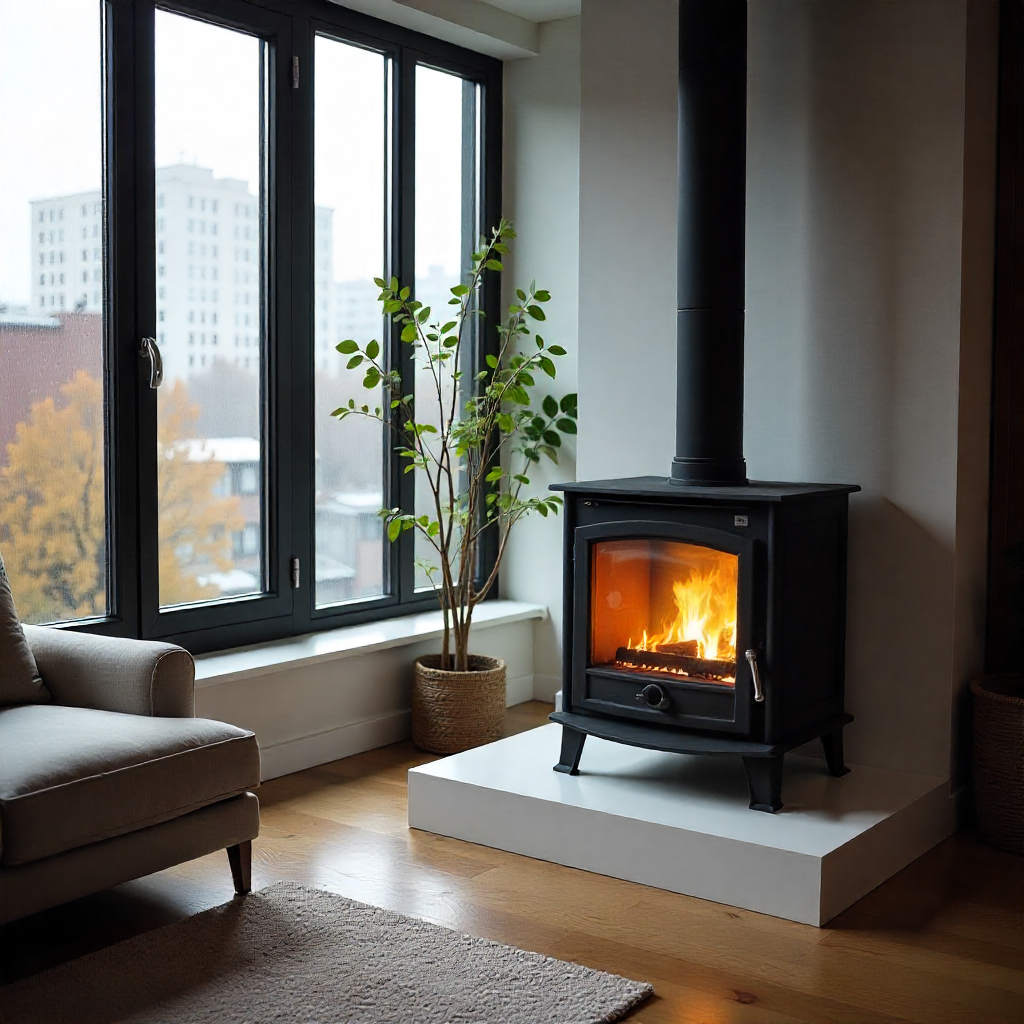
Hydrofire is South Africa's most-searched fireplace brand — and for good reason. This guide covers the five models worth buying, what each costs, and how to get the installation right.
A Hydrofire fireplace is one of the most recognised wood-burning units sold in South Africa, and for very good reason. Built by a local manufacturer that has been producing heat-efficient, closed-combustion fireplaces for decades, Hydrofire has earned a reputation for quality steel construction, genuine warmth output and parts availability years after purchase. Whether you’re building new or retrofitting an existing room, this guide breaks down the five most popular Hydrofire configurations, what each costs to buy and install, and what you need to arrange before the unit arrives.
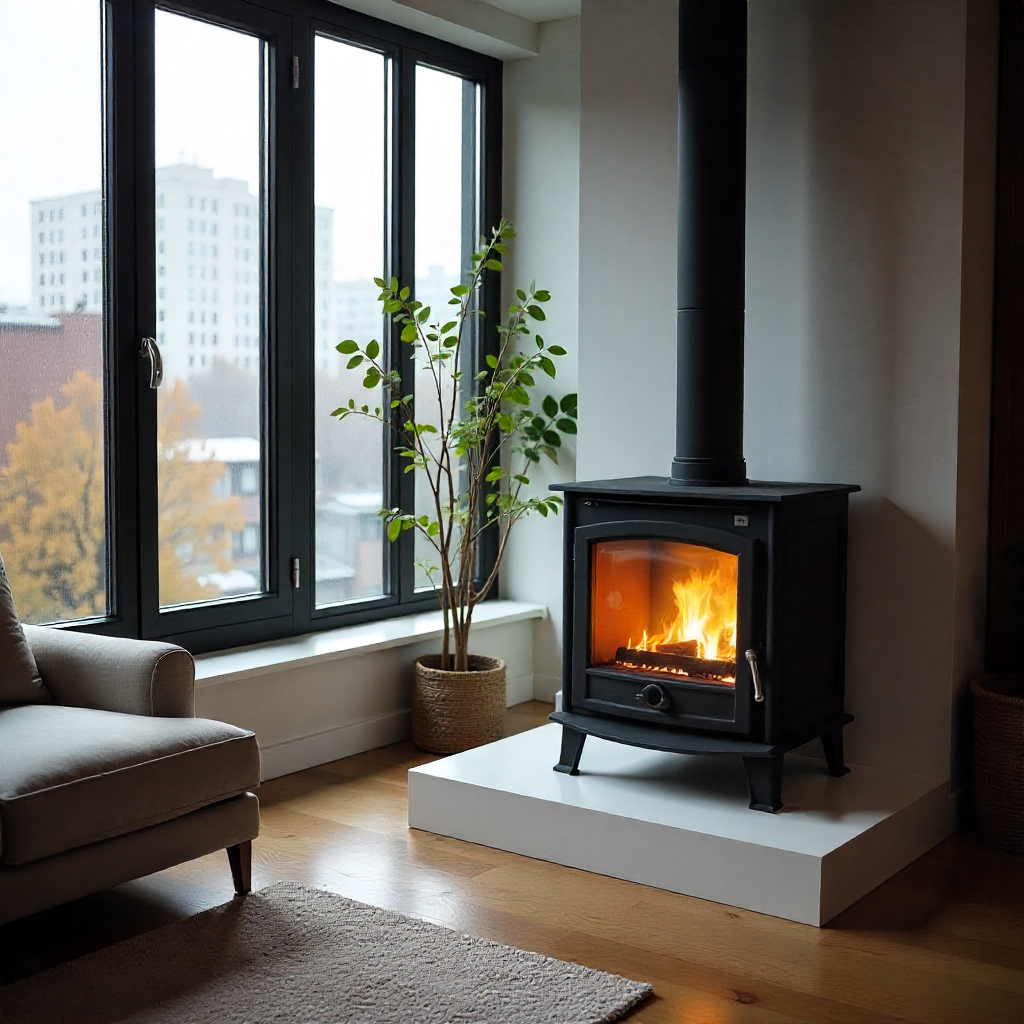
Browse our fireplace collection to see the Hydrofire freestanding and built-in units we currently stock, including sizes from compact bedroom units to large open-plan models.
Why South African Homeowners Choose the Hydrofire Brand
Load-shedding has accelerated the shift away from electric heating and toward solid-fuel alternatives — and a Hydrofire fireplace sits comfortably at the top of that category. Units run entirely on wood, require zero electricity, and generate genuine radiant heat capable of warming large open-plan spaces that electric panel heaters struggle with.
What separates Hydrofire from cheaper imported alternatives is build quality. Units are fabricated from heavy-gauge steel plate — some models feature soapstone side panels that absorb heat during the burn and radiate it back into the room for hours after the fire dies down. The closed-combustion design (also called double combustion or secondary combustion) draws fresh air through a secondary channel above the firebox, igniting gases before they escape up the flue. The result: more energy extracted from each log, less smoke, and less creosote accumulating in your flue system.
Hydrofire also carries a strong dealer and spares network across South Africa, which matters when a door seal or ceramic glass panel needs replacing five or ten years down the line. For a deeper comparison of wood vs gas heating options, see our guide to gas vs wood-burning fireplaces.
Top 5 Hydrofire Fireplace Models Worth Installing
Hydrofire’s local range spans more than 50 configurations — freestanding, built-in, single-sided and double-sided — so choosing can feel overwhelming. These five represent the best balance of heating output, room fit and long-term value across different home types.
1. Compact Freestanding (up to ~8 kW)
The entry point to the Hydrofire range. Suited to bedrooms, studies or single-room cottages, the compact freestanding unit typically measures under 500 mm wide, making it easy to position against most walls without needing an extended hearth. Ideal for Cape Town coastal properties where winters are cold but rarely extreme, and where ceiling heights make long flue runs practical.
2. Mid-Size Freestanding (~10–13 kW)
The sweet spot of the range and by far the most popular choice. A 12 kW output comfortably heats 40–60 m² of open-plan living space. Most configurations include a top flue exit for a clean installation straight up through the ceiling, and optional soapstone side panels add passive heat retention — particularly useful during load-shedding hours when you want the room to stay warm without keeping the fire burning. See our freestanding fireplace range for specific mid-size models and current availability.
3. Large-Format Freestanding (~15–20 kW)
For open-plan kitchens, double-volume lounges or loft apartments, the larger freestanding units deliver serious heat output. Some configurations offer a rear or side flue exit — useful when a straight vertical run isn’t architecturally possible. Budget for a hearth of at least 300 mm in front of the door opening and a professional-grade insulated flue system matched to the unit’s output rating.
4. Double-Sided See-Through Hydrofire
A double-sided Hydrofire fireplace lets you heat two adjacent rooms — or create a dramatic architectural focal point between a lounge and dining area — with a single firebox. These units require a purpose-engineered flue and a more complex installation, but heating two rooms from one fire is genuinely efficient, and the visual impact through glass on both sides is hard to match with any other format. Explore our double-sided fireplaces for the current Hydrofire double-sided line-up.
5. Built-In Insert (Flush Wall)
The built-in variant sits flush inside a prepared cavity — either an existing chimney breast or a newly framed steel or masonry opening. The result is a sleek, low-profile finish that suits contemporary interiors and integrates naturally with surrounding joinery or stone cladding. Built-in fireplace inserts are marginally more efficient than equivalent freestanding units because the surrounding structure channels radiant heat forward rather than losing some behind the cabinet.
Freestanding vs Built-In Hydrofire: Which Makes More Sense?
The decision hinges on your renovation budget, existing structure and aesthetic preference. Our full guide to choosing between freestanding and built-in fireplaces walks through all the variables, but here’s the short version:
- Choose freestanding if you’re renting, working within a limited budget, or want a quick install with minimal structural disruption. A freestanding unit can be operational within a day.
- Choose built-in if you’re renovating anyway or want a permanent, integrated look. The upfront build work costs more but the result looks intentional and adds resale value.
Either way, position the unit where cold air pools in winter — typically a north-facing wall in a Cape Town home, away from the most draughty external doors.
What Does a Hydrofire Fireplace Cost?
Hydrofire unit prices vary by size, door configuration and whether soapstone panels are included. As a realistic 2026 guide:
- Compact freestanding (unit only): R8,000–R14,000
- Mid-size freestanding (unit only): R14,000–R22,000
- Large-format or double-sided freestanding: R22,000–R40,000+
- Built-in insert (unit only): R18,000–R35,000
Installation adds R8,000–R18,000 for a standard freestanding unit with a twin-wall insulated flue through the ceiling and roof — more for built-in work involving cavity preparation. For a complete breakdown of what goes into the total cost, read our guide to fireplace installation costs in South Africa.
One cost that’s non-negotiable: a Certificate of Compliance (CoC). Your installer must issue this on completion — it’s a legal requirement and what your insurer will request if there’s ever a claim.
Installation: What to Arrange Before Delivery
A Hydrofire unit involves more prep than most buyers expect. Here’s what to have sorted before the delivery truck arrives:
Flue system: Every wood-burning fireplace needs a correctly sized flue to vent combustion gases safely outside. Hydrofire recommends insulated twin-wall flue pipe — it maintains the draught needed for clean burning and prevents dangerous creosote accumulation. Explore our range of flues and flue systems to see compatible options for each unit size.
Hearth: The floor beneath and in front of the unit must be non-combustible — tiled, slate or stone — extending at least 300 mm in front of the firebox door.
Wall clearances: The unit’s installation manual specifies exact clearances from combustible walls. Freestanding models typically need 100–200 mm minimum. Don’t place the unit closer than specified — it’s both a safety issue and a warranty condition.
Qualified installer: Use a professional with demonstrable experience in solid-fuel fireplace installation. Our professional fireplace installation team serves Cape Town and the surrounding areas, and we supply the CoC on every installation. Ongoing care is straightforward — our guide to chimney and flue maintenance covers what to do each year before winter.
For technical specifications and the official installation manual, visit the Hydrofire manufacturer’s website directly.
Frequently Asked Questions
How long does a Hydrofire fireplace last?
With correct use and basic annual maintenance, a Hydrofire unit will last 15–25 years or more. The main wearing components — door seals, vermiculite firebricks and ceramic glass panels — are all replaceable. Schedule a professional chimney sweep and flue inspection before each winter to catch issues early.
Can one unit heat an entire house?
A single mid-size unit (12–15 kW) can heat a large open-plan living area and, through natural convective air movement, warm adjacent passages and rooms. For a multi-storey home, a second unit in the bedroom wing — or a double-sided configuration that bridges two zones — is usually more effective than trying to push heat through closed doors.
Does a Hydrofire installation comply with home insurance requirements?
Yes, provided the installation is carried out by a qualified installer who issues a valid CoC. Never accept an installation without this document — insurers routinely request it when assessing fire-related claims, and an uncoordinated installation can void your policy.
What wood works best in a Hydrofire?
Dry, well-seasoned hardwood — rooikrans, sekelbos and bluegum are the most accessible in the Western Cape. Wood should be split and seasoned for at least six months, ideally a year. Avoid pine, green wood or treated timber: these produce excessive smoke, deposit creosote rapidly and can damage the unit’s secondary combustion chamber over time.
The Bottom Line
A Hydrofire fireplace is a proven long-term investment for any South African home that sees real winters. The closed-combustion design delivers clean, efficient heat without depending on electricity — which makes it all the more valuable in a load-shedding era. Match the right size to your room, budget correctly for flue and installation, and make sure a qualified installer signs off the CoC.
Ready to move forward? Request a free installation quote and our team will help you select the right Hydrofire model, spec the correct flue system and get everything installed properly from day one.
Related reading
- Can You Install a Fireplace in an Existing Home? Yes — Here's How
- Combustion Fireplace Installation: How It Works, Costs & Compliance
- Need it done professionally? See our fireplace installation in Cape Town service.
Planning this kind of work?
Call or WhatsApp with your suburb and photographs. Fire Flames can discuss your fireplace, braai or home project and quote.
Get A Quote →