
Is a Built-In Gas Heater Worth It? What to Know Before You Buy
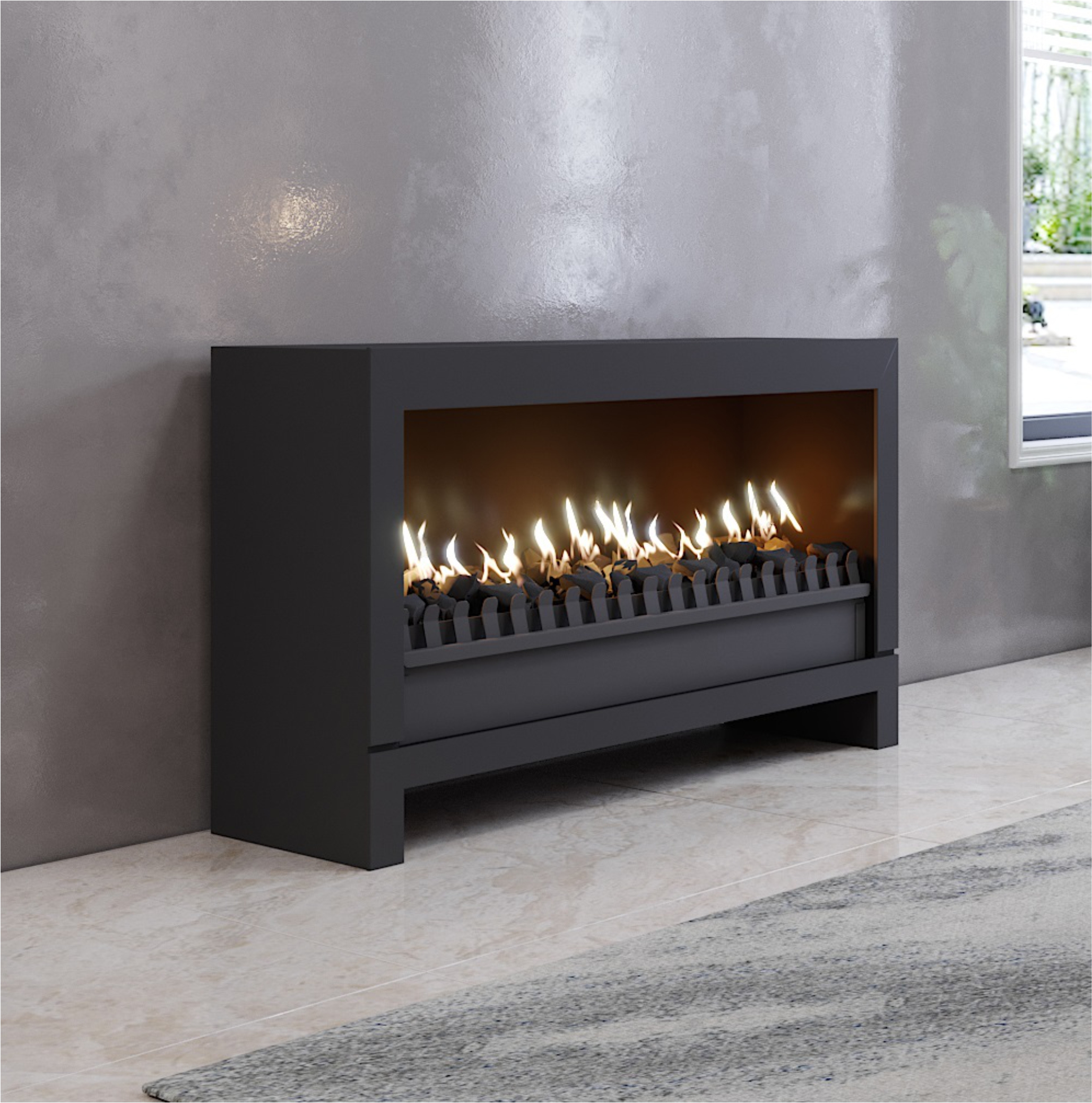
A built in gas heater is one of the cleanest, most convenient ways to heat a South African home — load-shedding-proof, no ash, no wood. But it's a permanent installation. Here's what to get right before you choose.
A built in gas heater might be the most convenient heating upgrade you can make to a South African home — no chopping wood, no load-shedding interruptions, and a clean flame behind glass that looks as good as it heats. But it is also a permanent installation, and the wrong choice can leave you with something underpowered, poorly vented or awkward to service. This guide covers what actually matters before you commit.
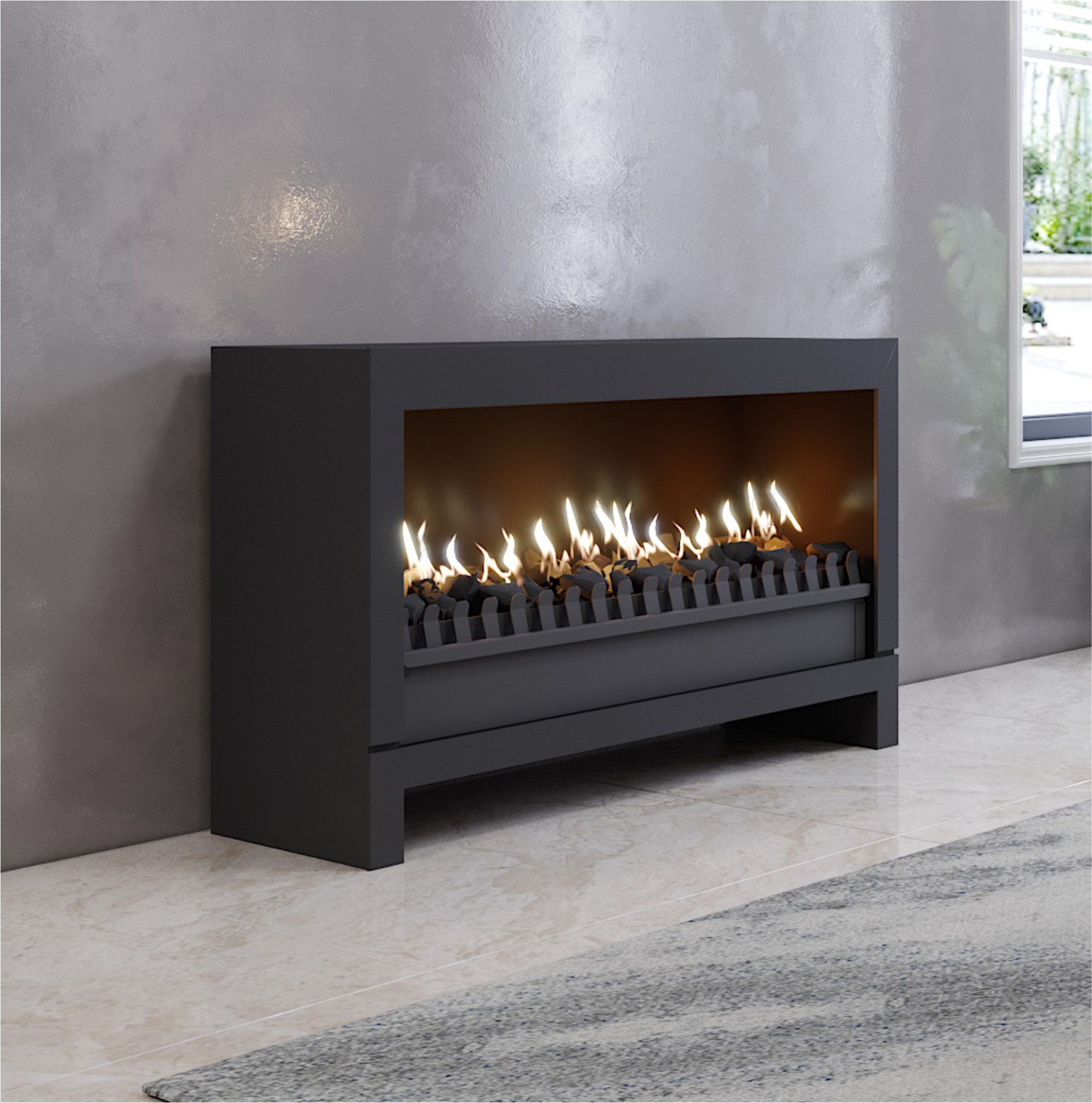
What Is a Built-In Gas Heater?
A built-in gas heater — also called an inset or integrated gas fireplace — sits recessed into a wall or cavity, with a glass front and a gas burner behind it. Unlike a freestanding gas unit you can reposition, these are permanent fixtures. The flue routes either through the wall (balanced-flue, no chimney required) or up through the roof via an insulated flue pipe, depending on the model.
Most units sold in South Africa run on LPG (liquefied petroleum gas from a cylinder) rather than natural gas, because reticulated natural gas is only available in a handful of urban pockets. That means ongoing cylinder costs — but it also means you are completely independent of Eskom.
How Much Does a Built-In Gas Heater Cost in South Africa?
Prices vary considerably by output and finish:
- Entry-level (R8,000–R18,000): Smaller inset models, typically under 5 kW output, suited to bedrooms or compact lounges. Thin frames and basic flame presentation.
- Mid-range (R18,000–R40,000): The sweet spot for most homes. Units in this bracket produce 5–8 kW, have decent glass areas and better flame realism — adequate for an open-plan living and dining space of around 40–65 m².
- Premium / large-format (R40,000–R80,000+): Wide ribbon flames, double-sided configurations, remote or smart controls. Statement pieces as much as heaters.
Installation adds to that total — budget an extra R6,000–R15,000 depending on wall construction, flue system and finishing work. For realistic project totals, our fireplace installation cost guide breaks down what each stage actually runs.
5 Things to Get Right When Choosing a Built-In Gas Heater
1. Match heat output to your room
Gas output is measured in kilowatts. A workable rule: 1 kW heats roughly 10 m² in a reasonably insulated room. Most South African homes are not particularly well-insulated, so err upward. A 45 m² lounge in Cape Town — where winters are cold and damp — needs at least 5–6 kW. An undersized unit running flat-out all evening wastes gas; a correctly sized unit cycles normally and costs less to run.
2. Balanced-flue vs open-flue
Balanced-flue models draw combustion air from outside and vent exhaust outside through a co-axial pipe in an external wall — no chimney needed. These are the simplest to install and the safest for indoor use. Open-flue units need a dedicated chimney or insulated flue pipe rising through the roof. If you already have a chimney, an open-flue gas insert can often be retrofitted into the existing opening — a good way to convert a smoky wood fireplace to gas without losing the surround.
3. LPG running costs
A 5 kW gas heater running for four hours a day in winter will consume roughly 1.5–2 kg of LPG per day at full output. A standard 48 kg cylinder costs approximately R1,200–R1,500 at current 2025/2026 pricing, giving you around 24–32 days of regular use per cylinder. Compared to electric heating at current Eskom tariffs — and with load-shedding factored in — LPG runs at a competitive cost per hour of warmth delivered. Our full comparison of gas vs wood-burning fireplaces runs the numbers in detail if you want to see exactly how the costs stack up over a Cape winter.
4. Safety and regulation
All gas appliances in South Africa fall under SANS 10087, which governs the handling, storage, distribution and use of LPG. Installation must be carried out by a qualified gas practitioner registered with LP Gas South Africa and must result in a compliance certificate. Balanced-flue units are the safest indoor choice — combustion air and exhaust are both handled externally, eliminating any risk of oxygen depletion or carbon monoxide back-drafting into the room. If you choose an open-flue model, ensure adequate permanent ventilation in the room where it is installed.
5. Brand and service support
South Africa has a relatively small pool of quality gas fireplace brands with proper spares and service networks. SAFire, Gazco and Napoleon are widely supported by installers. Less-known imports can leave you without parts if a gas valve fails in year three. Choose a brand your installer can actually service. Browse our gas fireplaces range to see the models we supply, install and support long-term.
Built-In Gas Heater vs a Freestanding Unit
The core trade-off is flexibility versus finish. A freestanding gas stove can be positioned wherever you have access to an external wall for venting and is straightforward to remove if you move. A built-in gas heater disappears into the wall — no legs, no visible body, just a clean glass panel flush with the plaster. That requires more construction work upfront, but the result is a far more integrated look. For a full breakdown of both approaches, see freestanding vs built-in fireplaces — including which suits different wall types and room layouts.
What the Installation Process Looks Like
A built-in gas installation typically involves four stages:
- Wall preparation — cutting or framing a cavity to the unit’s exact dimensions. In a brick or block wall this is masonry work; in a timber-frame or drywall partition it is simpler.
- Flue installation — a balanced-flue kit penetrates through an external wall (typically 300 mm of coring); an open-flue route requires an insulated vertical flue pipe running to the roof.
- Gas line connection — a certified gas fitter runs copper or corrugated stainless flex to the regulator and cylinder position, pressure-tests the system and issues the compliance certificate.
- Finishing — plastering, tiling or cladding the reveal around the unit; fitting the glass and frame; setting flame height and testing controls.
The whole job takes one to two days for a balanced-flue inset into a standard cavity wall. Our professional fireplace installation team handles everything from structural prep through to gas sign-off, so you have a single point of contact and a fixed quote before any work begins.
Gas or Wood? A Quick Reality Check
Gas wins on convenience — ignite with a remote, no kindling, no ash, no sourcing firewood. Wood wins on atmosphere and, for some households, running cost when access to cheap, dry firewood is easy. For Western Cape homes where winters are wet and seasoned firewood is not always consistent, a built in gas heater is increasingly the practical choice. The absence of a chimney requirement (for balanced-flue units) is also a decisive advantage in sectional title apartments, where a flue penetrating a common roof requires body corporate approval.
Frequently Asked Questions
Can I install a built-in gas heater in an apartment?
Yes, with a balanced-flue model and written body corporate approval for the external wall penetration. Because balanced-flue units handle combustion air and exhaust externally, there is no indoor air-quality concern and no chimney required — making them well-suited to apartment living.
How often does a built-in gas heater need servicing?
An annual or biennial service is recommended. A qualified gas technician checks the burner, gas valve, ignition system, thermocouple and flue integrity. Budget R800–R1,500 for a service call. Regular servicing extends the unit’s life and keeps the compliance certificate valid.
What size LPG cylinder is best for a primary indoor gas heater?
A 48 kg cylinder is the practical choice — smaller 9 kg or 19 kg cylinders run out quickly under daily winter use. Connecting two cylinders with an automatic changeover valve means one feeds while the other is being swapped, so there is no interruption mid-evening.
Does a built-in gas heater work during load-shedding?
Yes. Most modern units use a standing pilot or battery-powered electronic ignition — they operate completely independently of the grid. During load-shedding your built in gas heater runs exactly as normal, which is one of its most practical advantages in the current South African context.
Ready to Choose Your Built-In Gas Heater?
Browse our range of fireplaces to compare gas inset models by output and finish, or request a free installation quote — our team will assess your space, confirm the flue route and provide a fixed-price proposal before any work starts.
Related reading
- Can You Install a Fireplace in an Existing Home? Yes — Here's How
- Combustion Fireplace Installation: How It Works, Costs & Compliance
- Need it done professionally? See our fireplace installation in Cape Town service.
Planning this kind of work?
Call or WhatsApp with your suburb and photographs. Fire Flames can discuss your fireplace, braai or home project and quote.
Get A Quote →