
Understanding braai flue systems: single-wall vs insulated flues
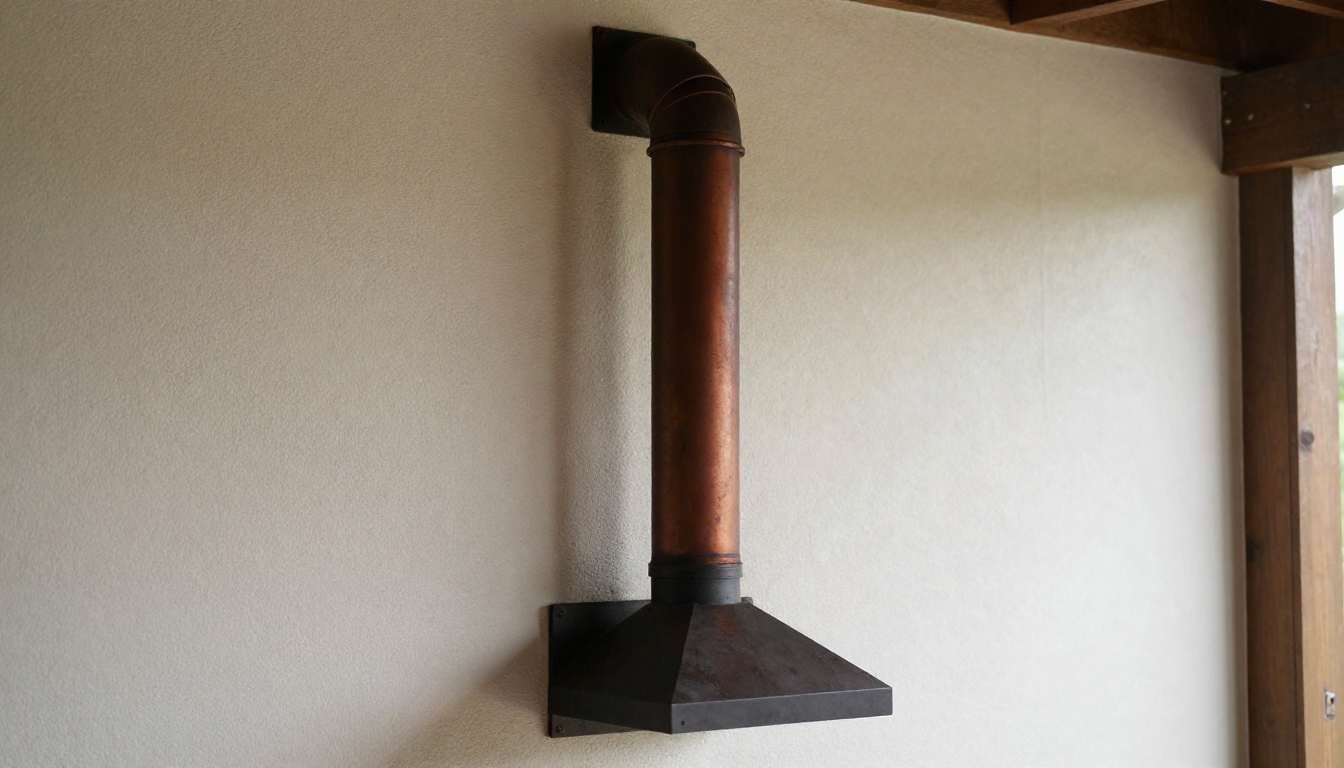
Ever thought about how the flue pipe type affects your braai’s performance and grilling experience? Knowing about braai flue systems is key for safe and efficient use. There are two main types: single-wall flues...
Ever thought about how the flue pipe type affects your braai’s performance and grilling experience? Knowing about braai flue systems is key for safe and efficient use. There are two main types: single-wall flues and insulated flues. It’s vital to understand their differences and importance in chimney systems.
Choosing the right flue can make your braai sessions better and safer. It helps with airflow and reduces risks. Let’s look at these options together.

Key Takeaways
- Understanding the differences between single-wall and insulated flues can enhance safety and efficiency.
- Single-wall flues are typically simpler and more cost-effective for certain setups.
- Insulated flues offer superior temperature control and reduced heat loss.
- The choice of flue impacts the overall performance of your chimney system.
- Proper installation and maintenance are key to maximizing flue effectiveness.
Recommended Flues by Budget
Browse our most popular flues at every budget — live in-stock pricing, each linked to its product page for full specs.
Mid-range — R1,000–R2,000
- 250mm Elbow 90 Degree Bend — R1,121
- 300mm Elbow 45 Degree Bend — R1,204
- 300mm 1m Duct Single Skin — R1,297
- 450mm 0.5m Duct Single Skin — R1,496
Premium — R2,000 and up
- 450mm Elbow 45 Degree Bend — R2,196
- 350mm 1m Duct Single Skin — R2,222
- 400mm 1m Duct Single Skin — R2,376
- 300mm Bell Cowl End Piece (Double Skin) — R2,391
Tell us what you need and we’ll send a free, no-obligation quote — fast.
Request a Free Fireplace Quote
What is a Flue and Its Function?
A flue is key to keeping your chimney system safe and efficient. It carries harmful gases from your fireplace or braai outside. This is done under negative pressure, which helps remove dangerous gases from your home.
The Role of a Flue in a Chimney System
In a chimney system, the flue is the path for combustion byproducts. When you burn a fire, it produces harmful gases like smoke. If these gases don’t go out through a good flue system, they can harm your home’s air.
A working flue is essential for clean air inside and efficient heating. It keeps your home safe and your heating system running well.
Working Principle of a Flue
The flue works thanks to its height, temperature differences, and air flow. The chimney’s height helps pull gases up. The heat from the fire makes the gases lighter than air, creating a draft.
Having the right air flow is also important. It helps the fire burn well and reduces harmful emissions.

Overview of Single-Wall Flues
Single-wall flues are key in many fireplaces and braai systems. They are made from materials like stainless steel or carbon steel. This makes them a favorite for many uses. Let’s look at what makes single-wall flues great for your needs.
Characteristics of Single-Wall Flues
Single-wall flues have some standout features. They are:
- Lightweight: The materials used are easy to handle, making installation simpler.
- Cost-effective: These flue pipes are cheaper than insulated ones, making them affordable for many.
- Durable: Despite being light, single-wall flues are strong and work well for different heating needs.
Advantages of Using Single-Wall Flues
There are many benefits to using single-wall flues:
- Effective heat transfer: They help your indoor braai or fireplace work better by exchanging heat efficiently.
- Ease of installation: Their light weight makes installation quick and easy, saving time and effort.
- Versatile applications: Great for indoor use, single-wall flues are perfect for braais and fireplaces. They improve ventilation and add to your home’s charm.

Understanding Insulated Flues
Insulated flues are key for keeping your chimney system safe and efficient. They have a double wall that handles high flue gas temperatures well. This design also stops condensation, which is vital for your fireplace’s performance.
Key Features of Insulated Flues
Insulated flues come with important features:
- Double Wall Construction: This design helps reach high flue gas temperatures fast and keeps heat loss low.
- Thermal Insulation: It keeps the flue warm, stopping condensation that could cause corrosion.
- Enhanced Durability: They last longer than single-wall flues, thanks to their toughness.
Benefits of Installing Insulated Flues
Insulated flues offer more than just efficiency:
- Condensation Prevention: They cut down on moisture buildup, which helps your flue last longer and saves on repairs.
- Energy Efficiency: Insulated flues keep flue gas temperatures high, making your heating system work better.
- Fire Safety: The double wall design lowers surface temperatures, reducing fire risks near flammable materials.

Comparison of Single-Wall and Insulated Flues
When picking between single-wall and insulated flues, knowing the differences is key. Each type has its own benefits that affect how well it works and how much it costs over time. Knowing these differences will help you make a better choice.
Insulation and Temperature Control
Insulation in flues is important for keeping the right temperature. Insulated flues keep heat better than single-wall ones. This means they lose less heat, making them more efficient.
They can also handle higher temperatures, which helps prevent creosote buildup. This makes your flue system safer and last longer.
Costs and Installation Differences
Cost is a big factor when choosing between these flues. Insulated flues cost more at first but save money in the long run because they use less energy. Installing insulated flues might cost more because it needs more work and special skills.
But, the money you save on energy can make up for the extra cost over time.
| Feature | Single-Wall Flues | Insulated Flues |
|---|---|---|
| Heat Retention | Less effective | Highly effective |
| Risk of Creosote Buildup | Higher risk | Lower risk |
| Initial Cost | Lower | Higher |
| Long-term Savings | Lower | Higher |
| Installation Complexity | Less complex | More complex |
Choosing the right flue system depends on what you need and what you value most. Whether you care more about the initial cost or long-term savings, knowing these details will help you pick the best flue for your braai.

Choosing the Right Flue for Your Braai
Choosing the right flue for your braai is key. It affects how well and safely you can cook outdoors. Think about the fuel, braai size, and design needs. Here’s a list of important things to consider when picking a flue.
Factors to Consider When Selecting a Flue
- Type of Fuel: Different fuels need different flue designs.
- Flue Size: Pick a flue diameter that fits your braai’s output.
- Air Supply Considerations: Good air supply is key for burning well.
- Material: Choose materials that can handle high heat and weather.
- Compliance: Know the local rules for installing a flue.
The Importance of Flue Diameter and Air Supply
It’s vital to match the flue size to your braai’s output. The right size flue helps smoke escape well, avoiding backdrafts. It also makes sure your braai works its best.
Too little air can cause poor burning. This affects taste and safety.
Here’s a quick overview of flue sizes and their general applications:
| Flue Diameter (mm) | Typical Braai Output | Air Supply Requirements |
|---|---|---|
| 100 | Up to 10 kW | Standard ventilation required |
| 150 | 11 – 20 kW | Enhanced air supply needed |
| 200 | 21 – 30 kW | Must ensure optimal air supply for efficiency |

Building Regulations and Safety Considerations
In South Africa, knowing the building regulations is key for safety and compliance when installing flue systems. Following these laws protects your property and the health of your family and neighbors. This part will cover the legal needs and safety steps to stop chimney fires and keep everyone safe.
Legal Standards for Flue Installation
Flues must be installed according to strict legal standards. These standards cover where to place the flue, how high it should be, and what materials to use. The rules differ by area, so it’s important to check local codes. Sticking to these rules helps avoid safety risks from bad installations.
Safety Measures to Prevent Chimney Fires
Strong safety steps are key to avoiding chimney fires. It’s important to regularly check your flue system for blockages or wear. Following venting rules makes sure harmful gases are safely removed from your home. Choosing the right flue for your appliance also boosts safety, as not all flues fit every appliance.
| Safety Measures | Description |
|---|---|
| Regular Inspections | Check for blockages and structural integrity of flues. |
| Follow Venting Guidelines | Ensure gases are properly vented to prevent buildup. |
| Select Appropriate Flues | Use flues designed for specific appliances to maximize safety. |
| Install Spark Arresters | Prevent embers from escaping and igniting a fire. |
| Maintain Clearances | Ensure adequate space between flues and flammable materials. |

Common Issues with Flue Systems
Keeping your flue system in good shape is key for your braai to work well. But, problems can pop up over time. Blockages are a big issue that can be dangerous and make your system less efficient. Knowing how to spot and fix these problems will make your chimney safer and more effective.
Identifying and Resolving Blockages
Blockages in a flue can happen for many reasons, like soot, debris, or even animals. It’s important to know the signs of a blockage. These signs include:
- Increased smoke in the cooking area
- Unusual odors coming from the flue
- Unexplained changes in flue gas temperature
To fix blockages well, it’s best to get help from chimney sweeping pros. Regular checks will keep your flue clear and working right. This greatly lowers the chance of harmful gases building up in your home.
Understanding Flue Gas Temperature and Its Importance
The temperature of flue gas is very important for your flue system’s safety and efficiency. The right temperature stops condensation, which can cause corrosion and harmful substances. If the temperature is too low, it can’t clear gases properly, making it unsafe and less effective. Keeping an eye on the temperature and doing safety checks regularly will make sure your system works well and safely.

| Flue Gas Temperature | Possible Effects of Low Temperature | Recommended Solutions |
|---|---|---|
| Below 200°F (93°C) | Condensation and corrosion | Increase combustion efficiency |
| 200°F – 400°F (93°C – 204°C) | Optimal operation | Maintain regular inspections |
| Above 400°F (204°C) | Risk of chimney fires | Adjust fuel quality and intake |
By being proactive about blockages and knowing about flue gas temperature, you can keep your flue system running smoothly. This ensures a safe place for cooking. Regular upkeep and professional checks will stop problems before they start, making your braai time safe and fun.
Maintenance and Care for Your Flue
Keeping your flue in good shape is key to its long life and safe use. Regular checks and cleanings are essential. They remove soot and stop blockages that slow down performance. Make these tasks a regular part of your routine for a well-functioning flue system.
Regular Sweeping and Inspection
Inspections and sweeping are vital for your flue’s upkeep. Do these cleanings yearly to clear soot and spot problems early. Look for cracks, corrosion, or misalignments during these checks. A well-maintained flue avoids chimney fires.
Tips for Maintaining Flue Efficiency
Here are some tips to keep your flue running smoothly:
- Watch how your firewood burns. Aim for complete combustion with little smoke.
- Choose the right firewood. Seasoned hardwoods burn cleaner and hotter, cutting down on creosote.
- Get professional help. A skilled technician can catch and fix small problems before they grow.
Following these simple tips will boost your flue’s performance and make it last longer.

Understanding braai flue systems: single-wall vs insulated flues
When looking at flue systems for your braai, it’s key to know the differences between single-wall and insulated flues. Each type has its own benefits, fitting different braai styles and settings.
Single-wall flues are often cheaper and work well for outdoor braais. They let heat escape easily. This makes them great for those who like simple setups. On the other hand, insulated flues keep heat in better. They’re perfect for indoor use because they cut down on heat loss.
Choosing between single-wall and insulated flues depends on several things. You need to think about how hard they are to install, how well they keep heat, and how they look with your home. Knowing what you need will help you pick the best flue system for your braai.

By carefully thinking about your needs, you can choose the right flue system. This will make your braai experience even better.
Professional Installation of Flue Systems
Installing a flue system needs special skills to work right and safely. It’s key to choose a certified installer for the best outcome. A pro job cuts down risks and makes sure your home meets safety rules, ensuring long-term efficiency and safety.
Hiring the Right Installer
When searching for a certified installer, check their skills and experience. A skilled pro knows a lot about your area’s building codes. You should interview them, ask for references, and look at their past work. Picking the right person is key to a successful project.
The Importance of a Proper Installation
A proper installation is critical for your flue system’s performance and life span. It affects air flow, heat, and emissions. A well-installed flue follows safety standards, protecting your home from dangers. A good installer means a reliable system for years.
Conclusion
Understanding braai flue systems is key for safe and efficient outdoor cooking. You have two main choices: single-wall or insulated flues. Each has its own benefits, depending on your braai needs.
Always put safety first when picking a flue system. Following rules and keeping up with maintenance boosts safety and efficiency. This way, every braai session is not just about good food, but also safety and efficiency.
With the knowledge from this article, you can choose the right flue system. It should match your cooking goals and follow safety and efficiency best practices. Remember these tips and enjoy every braai moment.
FAQ
Q: What is the difference between a single wall flue and twin wall flues for a fireplace?
A: A single wall flue is a single layer pipe that vents smoke and hot air from a combustion fireplace and is often used inside a masonry chimney or for freestanding fireplaces; it gets hot to the touch and requires safe clearance from combustible materials. Twin wall flues, also called double-skin flues or a twin wall system, consist of an inner stainless steel liner and an insulated outer pipe which reduces flue temperature on the outer surface, improves draft, and allows installation closer to combustible materials.
Q: Can I install a wall flue through combustible materials when using insulated flue pipes?
A: Insulated flue pipes, such as twin wall flue systems with 304 stainless steel inner liners, significantly reduce outer surface temperature so you can run wall flue pipes nearer to combustible materials than a single wall flue; however, you must follow manufacturer clearances and local building codes and often use a flue kit and bracket when penetraing timber walls or floors to ensure safe distances and fire-stopping.
Q: When should I consider fitting a flue liner or lining an existing chimney with a stainless steel liner?
A: If you have an existing chimney that is damaged, has poor draft, or is oversized for a new fireplace, fitting a stainless steel flue liner or flue lining is recommended. Lining with a suitable liner or twin wall pipes improves draft, reduces creosote buildup inside the flue, and allows use of modern appliances in brick chimney or masonry chimneys safely.
Q: Are twin wall flue systems better for new builds compared to single wall flue options?
A: For new builds, twin wall flue systems are often preferred because they provide consistent flue temperature, better insulation, and safer clearances to combustible building elements. They integrate well with a dedicated flue kit, can be routed through walls or up the top of the chimney, and reduce the risk of overheating surrounding masonry or timber in new fireplace installations.
Q: How do bends (45° and 90°) affect flue performance and what should I use for my install?
A: Bends in wall flue pipes, such as 45° and 90° bends, increase resistance to draft and can collect soot inside the flue. Use as few bends as possible; when required, gentler 45° bends are preferred over 90° for better flow. Ensure any bend is part of a certified flue kit and maintain access for chimney sweeping and flue cleaning.
Q: What maintenance is required for twin wall pipes and single wall flue systems, and how often should chimney sweeping be done?
A: Both systems require regular inspection and cleaning. Chimney sweeping frequency depends on fuel type and usage—typically annually for wood-burning fireplaces. Twin wall flues tend to accumulate less creosote due to higher inner temperatures, but an annual chimney sweeping and inspection of the flue liner, cowl, and bracket fixings is still recommended to ensure a functioning chimney and safe operation.
Q: Can a flue kit be used to connect a new fireplace to an existing brick chimney or must I remove the masonry?
A: A flue kit, including an appropriate stainless steel liner and fittings, can often be used to adapt a new fireplace to an existing chimney without removing masonry. Installing a flue liner inside the flue or using twin wall pipes will improve draft and safety; always confirm compatibility with the new fireplace manufacturer, check for combustible materials around the opening, and comply with local codes.
Q: What materials and components (like cowl, bracket, flexi) should I specify when ordering components for a wall flue installation?
A: Specify a certified twin wall flue or single wall flue depending on clearance needs, choose a stainless steel grade (304 stainless steel is common), include a suitable cowl for weather protection, brackets for secure fixing, and, if necessary, a flexi liner for complex runs. Also include required bends, a flue kit for wall or top of the chimney terminations, and any flue lining for safe connection to the new fireplace; ensure all parts meet standards for masonry chimneys and clearances to combustible materials.
Planning this kind of work?
Call or WhatsApp with your suburb and photographs. Fire Flames can discuss your fireplace, braai or home project and quote.
Get A Quote →