
Outdoor Fireplaces: Bringing the Hearth Outside in SA
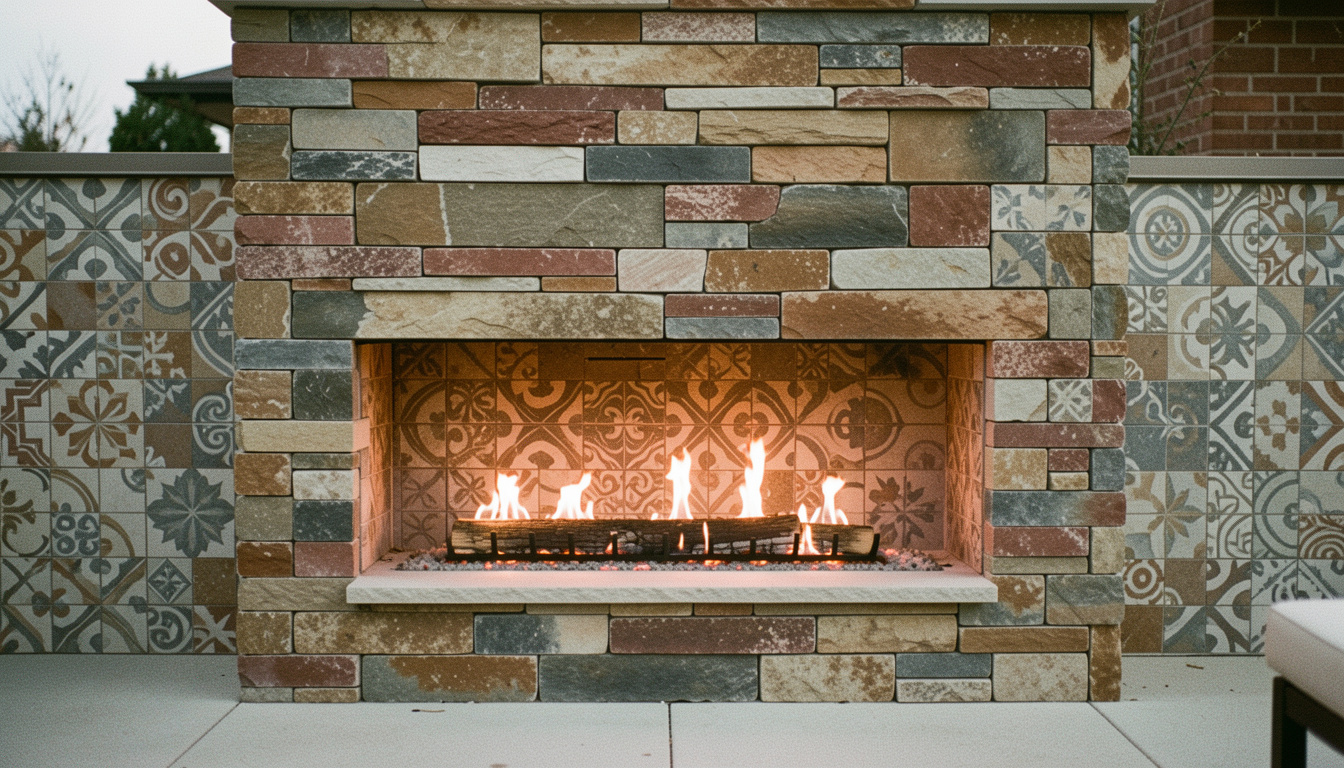
An outdoor fireplace transforms your patio into a year-round living space. Here's everything SA homeowners need to know before choosing and installing one.
South Africans have always known how to live outdoors. From the iconic weekend braai to lazy summer afternoons on the stoep, the patio is an extension of the home — not an afterthought. But as winter rolls in, most of us retreat inside. An outdoor fireplace changes that equation entirely.
For broader outdoor fire safety guidance, the Fire Protection Association of Southern Africa is a useful independent reference.
Unlike a portable fire pit, an outdoor fireplace is a permanent installation — a genuine architectural feature that anchors the space, radiates serious heat, and looks striking all year round. More and more Cape Town homeowners are adding them, and it’s easy to see why.
What Makes an Outdoor Fireplace Different From a Fire Pit?
It’s a fair question. Both burn wood or gas, both create atmosphere — but they serve quite different purposes.
A fire pit (whether a steel bowl or a built-in ring) radiates heat in all directions and works best for a group gathered in a circle around it. It’s relatively low, open, and casual. Building a fire pit is a popular weekend project, and the results can be excellent — but the fire pit isn’t trying to heat a covered patio or provide a visual focal point the same way a fireplace can.
An outdoor fireplace, by contrast, has a firebox, a defined opening, a mantel or surround, and — critically — a flue or chimney that draws smoke up and away from your guests. It sits against a wall or stands as a freestanding feature and directs heat outward like an indoor hearth does. It’s more powerful as a single heat source in one direction, and it defines the space architecturally in a way a fire pit simply doesn’t.
Why Outdoor Fireplaces Are Having a Moment in SA
Several things have converged to make outdoor fireplaces more appealing than ever for South African homeowners.
First, the load-shedding reality. A wood-burning outdoor fireplace runs on nothing but wood — no electricity, no gas supply, no dependency on the grid. On a stage-4 evening in winter, your outdoor fireplace is the most reliable heat source you own. That independence from Eskom has pushed many households to reconsider open-flame options they might have dismissed a few years ago.
Second, outdoor living is a year-round aspiration in SA. With the right setup, you can extend your outdoor living season well into the Cape winter months — but only if the space is genuinely warm. A patio heater does a modest job. An outdoor fireplace does a proper one.
Third, property value. A well-designed outdoor fireplace with quality stonework or cladding is a permanent fixture that adds to a home’s presentation. Estate agents across Cape Town’s Southern Suburbs regularly cite outdoor entertaining areas as a key selling point.
Types of Outdoor Fireplaces to Consider
Wood-Burning Outdoor Fireplaces
The classic option. Wood-burning outdoor fireplaces deliver authentic crackle and smell that gas simply can’t replicate, and they’re completely off-grid. Most serious outdoor fireplace installations in SA use wood-burning fireboxes — either a purpose-built steel insert set into masonry, or a freestanding cast-iron unit positioned against a wall and fitted with a chimney. For a covered patio, ensure the firebox and flue are correctly sized for the space — an undersized firebox on a large, open patio will feel underwhelming.
Gas Outdoor Fireplaces
Gas outdoor fireplaces offer the same instant-on convenience as their indoor counterparts. They need no wood stacking or ash removal, they can be switched off the moment guests leave, and they’re a neat option if you’re adding a fireplace to a patio that already has a gas braai connection. The trade-off: you’ll need a gas line run to the installation point, and the running costs depend on LPG prices. These are also slightly less load-shedding-proof than wood — some modern gas valve systems need a small electronic spark, though many can be lit manually.
Built-In vs. Freestanding
A built-in outdoor fireplace is typically constructed from masonry — brick, stone, or poured concrete — and is a permanent feature of your outdoor structure. It can be combined with a braai, a pizza oven, or even an outdoor kitchen to create a full entertainment wall. The result is spectacular but requires proper planning, building work, and usually council approval for a new structure.
A freestanding outdoor fireplace is a steel or cast-iron unit that sits on a non-combustible surface (tile, concrete, or stone) and is connected to a chimney flue that exits upward through a pergola roof or stands freely. These are less permanent and easier to install in an existing patio without major building work. Our freestanding fireplaces range includes options that work beautifully in covered outdoor settings — and their footprint is far smaller than a masonry build.
Key Considerations for South African Homes
The Coastal Climate Challenge
Coastal homes — anything within a few kilometres of False Bay, Table Bay, or the Atlantic seaboard — face accelerated corrosion from salt air. For an outdoor installation, the steel components of your fireplace (firebox, flue, chimney cowl) need to be 304-grade stainless steel at minimum. Standard mild-steel units will rust visibly within a season or two in a coastal environment. This is non-negotiable: don’t let a cheaper mild-steel unit tempt you if you’re in Muizenberg, Hout Bay, Blouberg, or anywhere near the coast.
Cape Town’s Wind
Wind is arguably the biggest practical challenge for an outdoor fireplace in the Western Cape. The South-Easter in summer and the North-Wester in winter can be fierce, and a poorly positioned fireplace in a windswept patio will either smoke badly, require excessive wood, or both. The solution is usually a combination of good flue design (an adequately tall, properly cowled chimney draws better in wind) and thoughtful patio orientation. An installer who knows the local conditions will advise you on flue height and positioning for your specific site.
Council and HOA Approvals
A built-in outdoor fireplace forming part of a new structure will typically require building plan approval from your municipality. Freestanding units that don’t form part of the building structure are usually exempt, but HOA rules vary — check before you commit. A reputable installation company will flag this early in the process.
What Does an Outdoor Fireplace Cost in South Africa?
Costs vary widely depending on the type, materials, and scope of work. Here’s a realistic range for 2025/2026, based on Cape Town market pricing:
- Freestanding steel outdoor fireplace, supplied and installed with a single-wall flue: R8,000 – R18,000. This covers a quality unit positioned against an existing wall with a chimney run of 2–3 metres.
- Freestanding unit with insulated double-wall flue (recommended for covered patios): R15,000 – R28,000. The insulated flue improves draft and reduces heat transfer to nearby combustibles — worth it for a covered structure.
- Built-in masonry outdoor fireplace with chimney breast (no braai): R30,000 – R70,000+, depending on the stonework, cladding, and lintel specification.
- Full outdoor kitchen/braai/fireplace feature wall: R80,000 – R200,000+, for a fully tiled, multi-appliance entertainment wall with integrated storage.
For a thorough breakdown of what installation costs across all fireplace types, see our fireplace installation cost guide. It covers budgeting tips and the variables that push prices up or down.
The Importance of Proper Flue Design
The biggest installation mistake with outdoor fireplaces is under-speccing the flue. A flue that’s too short, too narrow, or poorly cowled will smoke and draft poorly — turning your beautiful new outdoor feature into something you dread using.
For a covered outdoor area, a double-wall insulated flue is strongly recommended. It maintains the temperature differential between the inside of the flue and the outside air, which drives a stronger draw — especially important in cooler winter temperatures. Our guide to why insulated flues are worth it covers the specifics in detail, but the short version is: don’t cut corners here.
You’ll also want to factor in annual maintenance. An outdoor fireplace that’s used regularly should have its flue swept once a year to clear creosote and bird nesting material (outdoor chimneys are a favourite target). Our chimney sweeping services cover outdoor installations as well as indoor fireplaces.
Choosing Between DIY and Professional Installation
A freestanding outdoor fireplace from a reputable manufacturer will typically come with detailed installation instructions, and a competent DIYer can position the unit and connect the flue sections correctly on a straightforward installation. However, there are several scenarios where professional fireplace installation is the smarter call:
- Any installation on a covered patio where the flue passes through or near a combustible roof structure
- Coastal installations where the flue penetration needs to be sealed for weather
- Any gas outdoor fireplace (gas work must be done by a registered LPG installer)
- Built-in masonry installations requiring building plans
Getting it right the first time costs less than fixing a smoking or leaking flue after the fact. Browse our full range of fireplaces to get a sense of what’s available, and if you’re unsure which unit suits your patio and usage, we’re happy to advise — see our note on quotes below.
Frequently Asked Questions
Can I add an outdoor fireplace to an existing covered patio?
Yes, in most cases. The key requirements are: a non-combustible surface beneath the firebox (tile, concrete, stone — not wood decking directly under the unit), safe clearance between the flue and any combustible roofing material, and adequate ventilation. A covered pergola-style roof with good open sides usually works well. A fully enclosed patio with limited ventilation is more complex and needs professional assessment. The difference between freestanding and built-in options also matters here — a freestanding unit is generally easier to retrofit than a full masonry build.
Do outdoor fireplaces need a chimney or flue?
Yes. Any wood-burning outdoor fireplace needs a flue to draw combustion gases away from the firebox and out above head height. Without it, you’ll get smoke backing up into your outdoor area. The flue for an outdoor installation is typically a single-wall or double-wall steel chimney system — browse our flues and flue systems for compatible options. Gas outdoor fireplaces are sometimes designed as vent-free units (for truly open outdoor use), but on a covered patio, a flue or at minimum a decorative chimney breast with a gas line is standard.
How much maintenance does an outdoor fireplace need?
Less than most people expect. Wood-burning units need ash cleared after each fire (usually a 5-minute job), and an annual flue sweep. Coastal installations should have the stainless steel surfaces wiped down periodically and the flue connection points checked for corrosion. Gas units need even less — a yearly gas safety check and occasional cleaning of the burner assembly. Overall, a quality outdoor fireplace installed correctly is a low-maintenance feature that lasts decades.
What’s the difference between an outdoor fireplace and a fire pit?
A fire pit is open on multiple sides, radiates heat in a 360° circle, and typically has no flue or chimney. An outdoor fireplace has a defined firebox opening, a chimney that draws smoke upward, and directs heat forward like an indoor hearth. Fire pits are great for groups gathered around them; outdoor fireplaces are better for heating a seated patio area against a wall or as a focal point in an outdoor room. Both are excellent — the right choice depends on your space, how you entertain, and how much heat you need in one direction.
Ready to Add an Outdoor Fireplace to Your Home?
An outdoor fireplace is one of the most satisfying home improvements a South African homeowner can make — it extends your living space, anchors your patio, and works beautifully through load-shedding and winter alike. Whether you’re drawn to a sleek freestanding steel unit or a grand masonry fireplace with stonework and a timber mantel, we can help you find the right fit for your budget and your space.
Request a free installation quote from our team and we’ll advise on the best outdoor fireplace solution for your specific patio, location, and lifestyle.
Planning this kind of work?
Call or WhatsApp with your suburb and photographs. Fire Flames can discuss your fireplace, braai or home project and quote.
Get A Quote →