
Building a Fire Pit: Materials, Design, and Maintenance Tips
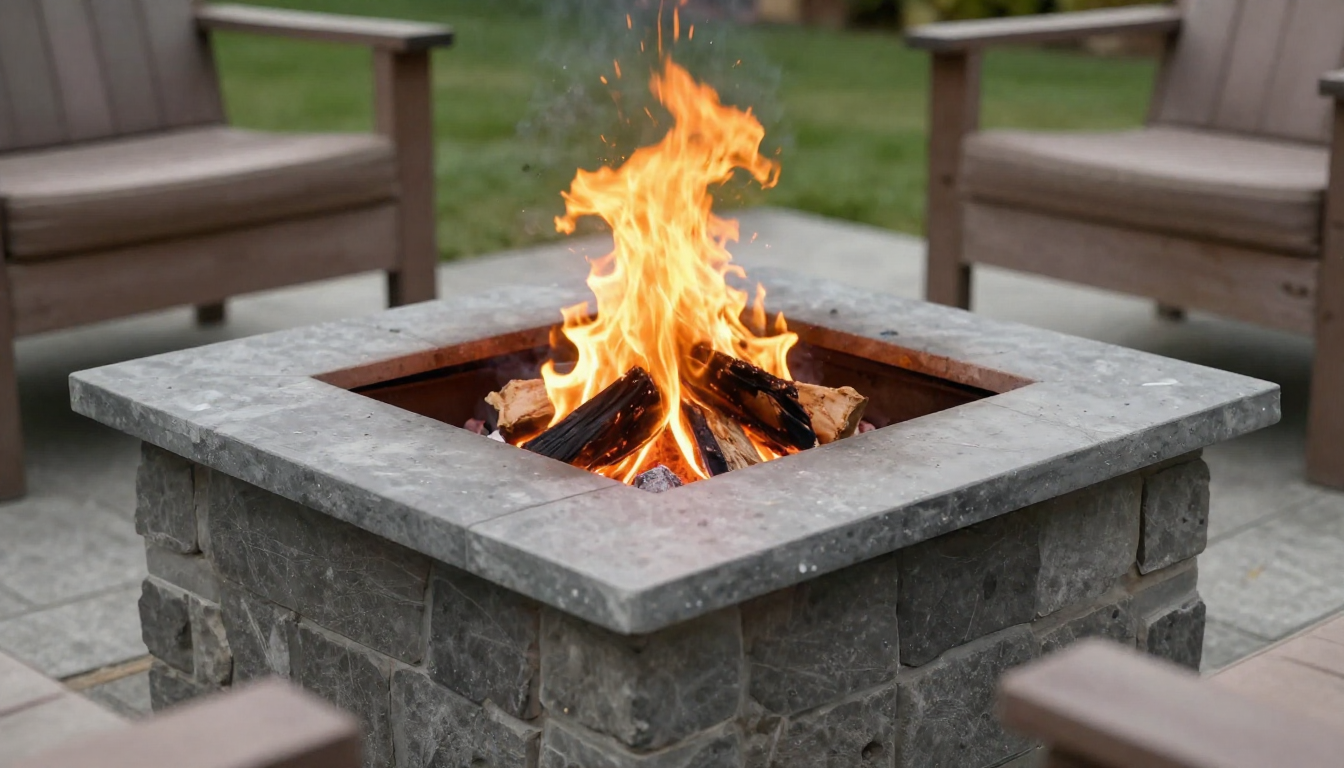
Creating a fire pit can turn your outdoor space into a cozy retreat. It’s a place where you can relax and enjoy time with loved ones. Fire pits have become a must-have in backyards,...
Creating a fire pit can turn your outdoor space into a cozy retreat. It’s a place where you can relax and enjoy time with loved ones. Fire pits have become a must-have in backyards, adding warmth and a welcoming feel to any gathering.
To build a fire pit that lasts, you need to know about materials, designs, and how to keep it in top shape. This will make sure it stays both useful and beautiful for many years.

Key Takeaways
- Building a fire pit enhances your cozy backyard ambiance.
- Understand essential materials and designs for your fire pit.
- Learn maintenance tips for a durable outdoor feature.
- Fire pits are perfect for relaxation and socializing.
- Choose a suitable location to maximize your fire pit’s impact.
Recommended Firepits by Budget
Browse our most popular firepits at every budget — live in-stock pricing, each linked to its product page for full specs.
Entry-level — under R31,000
- SAFire – Sirca Wood Firepit — R29,995
- SAFire – Carloforno Firepit — R30,995
- SAFire – Asteroid Firepit — R30,995
- SAFire – Moov Firepit — R30,995
Mid-range — R31,000–R33,000
- SAFire – The Slab Firepit — R31,995
- SAFire – Squaire Firepit — R32,995
- SAFire – Rondo Firepit — R32,995
- SAFire – Sirca Concrete Firepit — R32,995
Premium — R33,000 and up
- SAFire – Plateau Gas Firepit — R33,995
- SAFire – Slick Firepit — R34,995
Tell us what you need and we’ll send a free, no-obligation quote — fast.
Prefer to have it built? Our team builds bomas and fire pits across Cape Town.
Request a Free Braai Quote
Why You Should Build a Fire Pit
Building a fire pit turns your outdoor space into a cozy retreat. It’s more than just a pretty feature; it’s a place for family and friends to gather. Imagine nights filled with marshmallow roasting and story sharing, all thanks to the fire pit’s warmth.
A fire pit becomes the heart of your outdoor area. It brings people together, creating a space for deep connections. On cold nights, it offers both physical warmth and a chance to make lasting memories.

Having a fire pit means endless possibilities for fun. Whether it’s a big party or a quiet night, it’s perfect for any occasion. It adds beauty and function to your outdoor space, making it the perfect spot for all sorts of activities.
Choosing the Right Location for Your Fire Pit
Finding the perfect spot for your fire pit is key for safety and fun. Make sure it’s at least 10 feet away from buildings, trees, or anything that can catch fire. This safe distance helps avoid fires and meets local regulations.
Think about how your outdoor space is set up. Pick a spot that’s easy to see and comfortable to sit. It should also be safe, considering wind and neighbors. A good spot makes your outdoor area welcoming for everyone.

Essential Tools and Materials for Building a Fire Pit
Building a fire pit is a fun DIY project that can make your outdoor area better. Having the right tools and materials is key for a successful build. It ensures safety and durability. Here’s a list of what you’ll need for your fire pit.
Tools Required for Your DIY Project
- Shovel – Essential for digging and placing materials.
- Wheelbarrow – Useful for transporting heavier materials like retaining wall blocks.
- Level – Ensures the masonry is even, preventing structural issues.
- Caulk Gun – Needed for applying adhesive to secure fire bricks or other elements.
- Safety Equipment – Gloves and goggles provide protection during construction.
Materials Necessary for Fire Pit Construction
- Fire Bricks – These are designed to withstand high temperatures, making them critical for safety.
- Retaining Wall Blocks – Use these for the outer structure of the fire pit, providing stability and aesthetic appeal.
- Paver Base – A strong foundation layer that enhances drainage and stability.
- Lava Rock – This material is often used to top the fire pit, allowing for effective heat distribution.

Types of Fire Pits to Consider
Choosing the right fire pit for your outdoor space is key. There are two main types: in-ground and above-ground fire pits. Each has its own benefits and drawbacks, affecting how they look, last, and are used. You can also pick between a gas fire pit and a wood-burning one, each bringing a unique vibe to your backyard.
In-Ground Fire Pits
In-ground fire pits are a stylish, permanent choice for heating up your garden. Made from fire-resistant materials like stone or brick, they add beauty to your yard. They can hold bigger fires and keep heat better. But, setting them up needs careful planning and effort, so think about your yard’s design and drainage first.
Above-Ground Fire Pits
For those who like flexibility, above-ground fire pits are a good pick. They come in many designs, including portable ones that are easy to move. You can find them in materials like metal, concrete, or stone. They’re often cheaper and easier to set up, but might not heat as well and need more upkeep to avoid rust or damage.
Gas vs. Wood-Burning Fire Pits
Choosing between a gas fire pit and a wood-burning one changes your outdoor experience. Gas pits are quick to light and let you control the flame easily. They also produce less smoke, which is good for air quality. Wood-burning pits, on the other hand, offer a classic feel with the sound of crackling wood and a nice smell. Think about what you like and local rules when picking your fire pit.
| Type of Fire Pit | Advantages | Disadvantages |
|---|---|---|
| In-Ground Fire Pit | Permanent, stylish, better heat retention | Requires planning and effort for installation |
| Above-Ground Fire Pit | Flexible, portable, easier to install | Less heat output, maintenance needs |
| Gas Fire Pit | Convenient, easy to ignite, less smoke | Initial installation cost could be high |
| Wood-Burning Fire Pit | Traditional experience, great ambiance | Requires more maintenance, produces smoke |

Building a Fire Pit: Materials, Design, and Maintenance Tips
Creating a fire pit requires careful planning. Choosing the right materials is key. They must withstand high temperatures and look good. Fire pit materials like stone, brick, and steel are durable and stylish.
Think about the size, shape, and where to place your fire pit. Design considerations help it fit well in your yard. Choose a design that matches your outdoor decor and offers comfy seating.
Keeping your fire pit clean is important. Remove ash and debris after each use to avoid damage. Check it often for cracks or wear to keep it safe and working well. These steps will make your fire pit last longer and look great.

Steps to Build Your Own Fire Pit
Building your own fire pit can be a fun and rewarding project. Follow these steps to build your fire pit. Focus on the layout, walls, and the materials you need for success.
Laying Out the Fire Pit
First, decide on the shape and size of your fire pit. Use stakes and string to mark the area. Make sure it’s clear of debris. This helps you see your fire pit’s size before you start building.
Building the Fire Pit Walls
Start building the walls with retaining wall blocks. Stack them carefully, leveling each block. This ensures your fire pit is stable and will last for years.
Installing Fire Bricks and Lava Rock
Then, install fire bricks inside the walls. This helps keep the heat in and protects the structure. Finish by adding lava rock for extra insulation and a nice look.

Design Considerations for Your Fire Pit
The shape of your fire pit is key in setting its style. You might like a circular, square, or organic shape. Each shape brings its own look and use, making your backyard special.
Choosing the right materials is important for looks and durability. Stones, bricks, and metals can make your fire pit look rustic or modern. Make sure these materials match your home, garden, and patio.
Think about the size of your fire pit. A big one can be a great spot for gatherings. A smaller one is better for cozy moments. Adding seats makes your space perfect for family and friends on chilly nights.

Landscaping can make your fire pit area even better. Plants, paths, and art can highlight your fire pit. Each detail adds to a warm and useful outdoor space.
Maintenance Tips for Fire Pits
Keeping your fire pit in good shape is key for safety and fun. Regular upkeep can save you money and make your outdoor time better. By cleaning and checking your fire pit often, you’ll avoid big repair bills and enjoy it more.
Cleaning Your Fire Pit
It’s important to clean your fire pit to stop rust and mess. After each use, sweep away ashes and debris. A brush or broom works well for this.
Also, use a damp cloth to wipe down surfaces. This removes dirt and keeps things looking good. Make sure to clean the bowl and around it too for safety and looks.
Regular Inspection and Repairs
Checking your fire pit regularly is vital. Look for cracks, rust, or loose parts. Fixing these problems early stops bigger issues.
When not in use, store your fire pit right to protect it from bad weather. If parts like grates or screens are worn, fix or replace them. This keeps your fire pit safe and ready for use.

Fire Safety Measures and Local Regulations
Building a fire pit can make your outdoor space better. But, it’s key to know about fire safety to avoid dangers. Keep flammable stuff like dry leaves and furniture away from your fire pit. Make sure there’s a clear area around it to stay safe.
Learn about local rules for fires. Places have different laws about using open flames. Some need permits or tell you what materials are okay. Not following these can get you in trouble, so always check first.
Having a fire extinguisher ready is a smart move. Pick a spot for your fire pit that won’t let flames spread. Always watch the fire and make sure it’s out before you leave.
Creative Fire Pit Ideas for Your Outdoor Space
Make your outdoor space lively with creative fire pit designs. It’s fun and rewarding to transform it. Think about adding decorative stones or themed accents that show your style.
Choose unique layouts that fit your space and invite people to gather. Use natural materials for seating that encourages talking. Some great ideas include:
- Rustic stone fire pits with comfy seating.
- Metal fire bowls for a modern look on decks.
- Built-in benches with weather-resistant cushions for comfort.
These elements can make a space where everyone wants to hang out. Here’s a table to help you pick a design.
| Design Element | Description | Style Impact |
|---|---|---|
| Seating Features | Built-in benches or movable chairs | Comfortable and functional |
| Lighting | Strung fairy lights or solar lanterns | Add warmth and ambiance |
| Decorative Elements | Custom fire pit covers, themed rocks | Unique and personalized touch |
These fire pit ideas can make your outdoor space better. They create a place to connect and relax. Your design choice can really change how you enjoy your outdoor area.

Conclusion
Building a fire pit turns your outdoor area into a cozy spot for friends and family. It’s a place for laughter and quiet moments. By picking the right spot, materials, and design, you make a space that’s uniquely yours.
Knowing how to keep your fire pit clean and safe is key. It keeps your outdoor area looking great for years. This makes your backyard a special place for everyone.
Choosing between a wood-burning or gas fire pit changes your backyard. It’s not just for warmth but also for making memories. Invite people over for nights filled with stories and laughter.
Getting a fire pit is more than a project. It’s a way to bring people together and relax outside. So, get ready, plan your design, and start building. Your dream outdoor spot is just around the corner!
FAQ
Q: What materials are best when you build your fire pit for a durable backyard fire pit?
A: For a long-lasting fire pit, choose masonry fire pits made from concrete block, natural stone, or brick with high-heat mortar. Metal fire pits and steel fire pit bowls are popular for portability, while a fire pit ring can protect the bottom of your fire and surrounding area. Consider the life of your fire pit, expected style of your fire pit, and whether you want a permanent masonry build or a diy fire pit that can be moved.
Q: How do I design a focal point for my outdoor living space around a fire pit?
A: Plan seating, pathways, and lighting so the fire pit becomes the focal point. Use complementary materials, coordinate with a fire pit table or stone patio, and ensure airflow is not blocked by shrubs or furniture. Placing the fire pit with adequate clearance enhances outdoor living and creates the perfect fire setting for gatherings.
Q: What are safety tips for placing the fire pit in my yard to minimize fire hazard?
A: Place the fire pit at least 10–20 feet from structures and overhanging branches, on non-combustible surfaces, and clear the surrounding area of dry leaves and debris. Have a fire extinguisher nearby, never leave your fire pit unattended, and follow local burn regulations. These safety and design measures reduce risk around the fire and help you enjoy the warmth of a fire pit safely.
Q: What are the best tips for building a gas fire pit versus a wood-burning outdoor fire?
A: For a gas fire or gas fire pit installation, follow manufacturer instructions for gas lines and ventilation and hire a licensed professional for hookups. Wood-burning pits need a proper base, a fire pit ring, and enough airflow to burn efficiently. Gas fire pits are cleaner and easier to maintain, while wood pits give the classic outdoor fire experience—choose based on maintenance, aesthetics, and local rules.
Q: How do I build a fire pit that balances airflow and containment for the perfect fire?
A: Design the bottom of the fire with drain gravel and a raised ring or grate to promote airflow. For masonry, include vents or gaps in the base, and avoid compacting the soil so air can circulate. Proper airflow ensures efficient burning and reduces smoke, helping you achieve the perfect fire while maintaining safety.
Q: What regular maintenance is required for maintaining your fire pit and extending its life?
A: Regular maintenance includes cleaning out ash and debris after use, inspecting mortar and joints in masonry fire pits for cracks, treating metal fire pits for rust, and checking gas fittings for leaks on gas fire pits. Routine tasks like sweeping the surrounding area, replacing damaged pavers, and occasional resealing preserve the life of your fire pit and reduce fire pit maintenance needs.
Q: How can I repair and maintain mortar and stone in masonry fire pits to ensure longevity?
A: For small cracks, remove loose material and repoint with high-heat mortar designed for masonry fire pits. Replace damaged stones or bricks and reapply sealant if recommended. Regular inspections and prompt repairs prevent larger failures and keep the masonry structure safe for outdoor living and continued use.
Q: Are there simple tips for building and maintaining a diy fire pit so it’s easy to use and safe?
A: Yes—choose a level, non-combustible site; use a fire pit ring or steel bowl; allow good clearance and airflow; follow local codes; keep a fire extinguisher nearby; and practice regular maintenance like ash removal and checking for rust or mortar damage. With these tips for building a fire and maintaining a fire pit, your diy fire pit can be both easy and safe to enjoy.
Related reading
- Can You Install a Fireplace in an Existing Home? Yes — Here's How
- Combustion Fireplace Installation: How It Works, Costs & Compliance
- Need it done professionally? See our fireplace installation in Cape Town service.
Planning this kind of work?
Call or WhatsApp with your suburb and photographs. Fire Flames can discuss your fireplace, braai or home project and quote.
Get A Quote →