
No Flue, No Fuss: Why a Gasfire Is the Smart Winter Upgrade
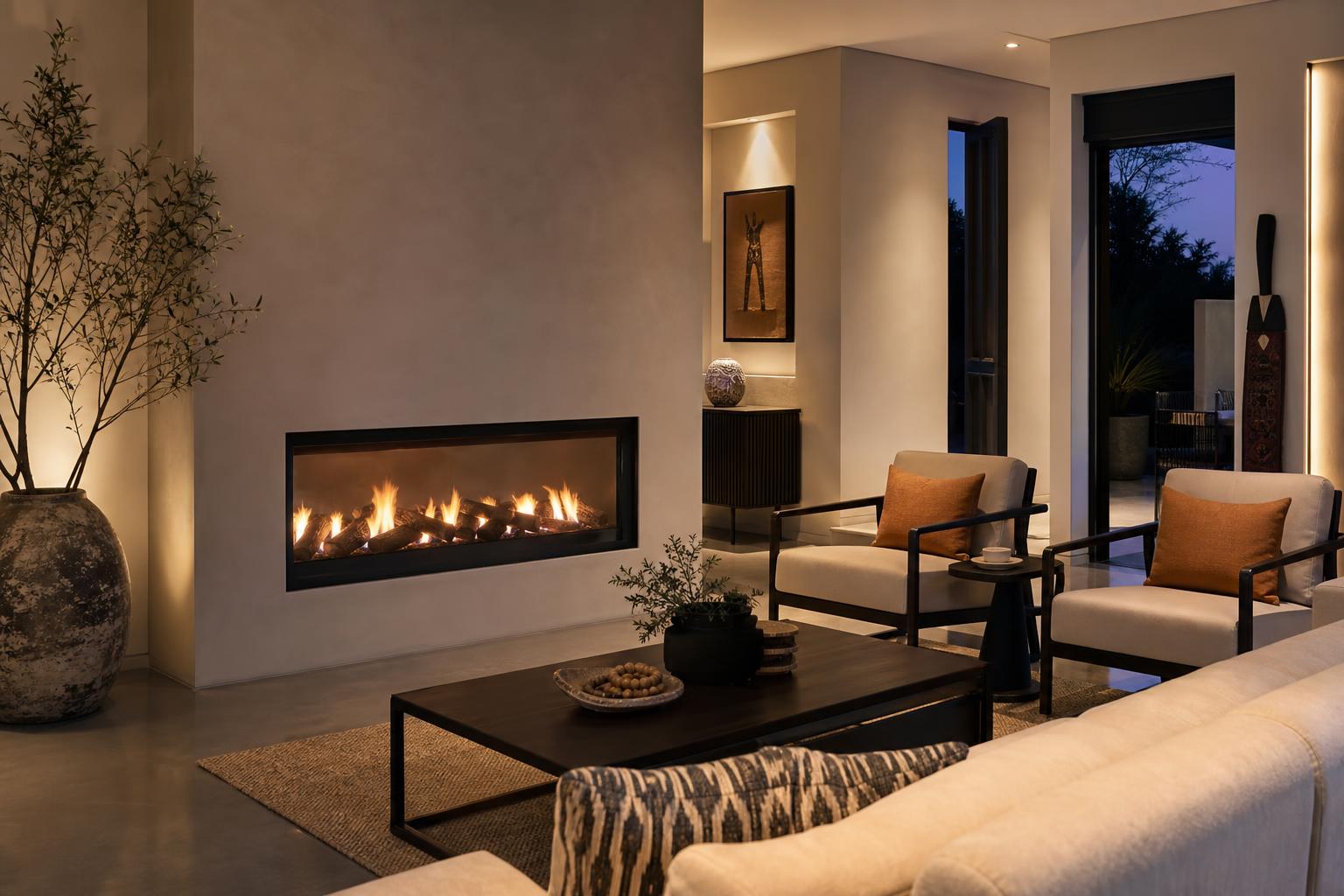
A gasfire is one of the most practical heating upgrades for a South African home — no wood, no ash, and immune to load-shedding. Here's how to choose the right type, what installation costs, and what to ask your installer.
A gasfire is one of the most practical heating solutions a South African homeowner can install. No wood to stack, no chimney to sweep, and critically, no load-shedding to worry about when your LPG cylinder is full. Whether you’re replacing an old open fireplace or adding heat to a room that never had it, here’s everything you need to know before committing to a gasfire for your home.

What Is a Gasfire and How Does It Work?
A gasfire burns liquefied petroleum gas (LPG) — or in some urban areas, piped natural gas — to produce a real flame and radiant heat. Unlike a wood-burning fireplace, there’s no ash, creosote or smoke to manage. A thermostatic control, and on premium models a remote or smartphone app, lets you dial in exactly the heat output you want.
Most South African homes use LPG in cylinder form, which makes installation straightforward even in areas without a gas grid. The burner sits behind a ceramic log or glass-bead bed that glows realistically, and a glass front keeps the heat directed into the room rather than escaping up the flue.
5 Main Types of Gasfire Available in South Africa
Understanding the types matters because the right choice depends on whether you have an existing chimney, how large the room is, and how you plan to use the fire. Browse our gas fireplace range to see current models, specs and pricing before your installation consultation.
1. Flueless Gas Fireplaces
These require no chimney or flue at all — they vent through a catalytic converter that burns off combustion by-products. That makes them ideal for rooms where installing a flue isn’t practical. They do require a permanently open exterior air vent and are limited by room-size regulations under SANS 10087. Flueless models are popular in apartments and sectional-title units where chimney installation isn’t possible.
2. Flued (Balanced-Flue) Gas Fireplaces
Flued gas fireplaces draw combustion air from outside and vent exhaust back outside through a twin-wall flue — completely sealed from your living space. This means higher efficiency, no room ventilation requirements, and higher heat output. They are the better long-term choice for living rooms, lounges and open-plan spaces where you want serious warmth.
3. Freestanding Gas Fireplaces
If you want flexibility in placement or prefer a cast-iron stove aesthetic, a freestanding gas fireplace can be positioned almost anywhere a flue can be run to an exterior wall or roof. They’re a popular choice in homes that previously had a wood stove and want an easier, cleaner alternative.
4. Built-In Gas Fireplaces
Built-in units are set into the wall, creating a sleek architectural finish. They’re the most requested choice for new builds and renovations in Cape Town. A double-sided gas fireplace — one that heats two adjoining rooms through a shared opening — is a particularly striking option for open-plan layouts.
5. Gas Fireplace Inserts
An insert drops into an existing masonry fireplace opening, instantly converting a draughty open fire into an efficient, controllable gasfire. If you already have a chimney breast but your current open fireplace is losing more heat than it delivers, an insert is often the most cost-effective upgrade path. See how the options compare in our detailed guide to in-built gas fireplaces vs freestanding gas options.
Why a Gasfire Makes Sense for South African Homes
Load-shedding has changed how South Africans think about heating. An electric heater is useless during a two-hour Stage 4 block, but a gasfire on a full LPG cylinder keeps burning regardless. That alone has driven a significant increase in gas fireplace enquiries across the Western Cape and Gauteng in recent winters.
Beyond load-shedding resilience, gas fires offer several genuine advantages:
- No fuel storage hassle — a 19 kg LPG cylinder runs a standard gasfire for 30–60 hours depending on the heat setting. No firewood, no storage shed, no damp wood on a rainy night.
- Instant heat — gas ignites in seconds. You’re not waiting 20 minutes for a fire to establish itself before the room starts warming.
- Precise, controllable output — dial the flame up or down to match the ambient temperature. Most quality units include a thermostat and some offer Wi-Fi control.
- Low maintenance — no chimney to sweep, no ash to remove. An annual gas-line safety check is the main ongoing requirement.
- Coastal durability — many gas fireplace bodies use 304-grade stainless steel or high-quality powder-coated finishes engineered to resist the salt-air corrosion that shortens the life of cheaper appliances near the coast.
What Does Gasfire Installation Cost in South Africa?
Cost varies significantly depending on the type of unit, whether a new flue is needed, and the complexity of the gas-line run. Here’s a realistic guide for Cape Town in mid-2026:
- Entry-level flueless gasfire: R12,000–R22,000 including a basic installation where no new flue is required.
- Mid-range flued built-in unit: R25,000–R45,000 installed, including a twin-wall flue run and gas-line connection to an LPG cylinder.
- Premium built-in with remote thermostat: R50,000–R100,000+ for top-tier brands with high kW output, designer glass fascias and smart-home integration.
Installation costs also depend on access — running gas pipe through a double-storey home or through a concrete slab costs more than a single-storey where the cylinder lives against an external wall. For a detailed breakdown of what drives installation pricing across all fireplace types, see our guide to what fireplace installation actually costs in South Africa.
Bear in mind that in South Africa, gas appliances must be fitted by a registered LP Gas installer and require a Certificate of Conformity (CoC) before they’re legally operable. Always insist on this document at handover — it’s required by your home insurer and is non-negotiable for resale.
Gasfire vs Wood Fireplace: Which Should You Choose?
This comes down to lifestyle, room size and your home’s existing infrastructure. A wood-burning closed-combustion fireplace delivers more raw heat — typically 12–20 kW — but you need the chimney, a reliable firewood supply, and the willingness to manage ash, cleaning and annual sweeping. Our in-depth look at gas vs wood-burning fireplaces covers the running-cost comparison in detail if you’re still weighing both options.
A gasfire is generally the better choice when:
- You live in a sectional-title unit or a home without a chimney stack.
- You want heating with minimal daily effort — especially a guest room, study or bathroom.
- Your wood supply is unreliable or you have limited outdoor storage space.
- Convenience and instant-on control matter more to you than maximum raw output.
A wood fireplace wins when you want maximum heat output, enjoy the ritual of a real wood fire, or already have a working chimney that just needs upgrading. If you’ve been looking at whether a built-in gas heater is worth the investment, the gas vs wood decision usually comes down to that same convenience-versus-output trade-off.
Safety, Regulations and What to Ask Before Installation
Gas appliances are safe when installed correctly, but there are hard rules you need to know before you sign anything:
- Only use a registered LP Gas installer — verify your installer is accredited with the LP Gas Association of South Africa. Unregistered installations are illegal, void your home insurance, and a serious safety risk.
- Insist on a CoC — the Certificate of Conformity is a legal requirement for every new gas installation in South Africa, issued under SANS 10087.
- Check ventilation rules for flueless units — a flueless gasfire requires a permanently open exterior vent of a minimum size specified by the manufacturer. No exceptions.
- Size the output to your room — as a rule of thumb, allow roughly 1 kW per 10 m² for an insulated room in the Cape Town climate. Undersizing is the most common reason homeowners are disappointed with their gas fire’s performance.
- Fit a carbon monoxide detector — a CO detector in any room with a gas appliance is cheap insurance. Quality wall-mounted detectors start from under R500.
When you’re ready to move forward, our professional fireplace installation team can assess your home, recommend the right gasfire for your space and heat requirements, and handle everything from the gas-line installation to the compliance CoC.
Gasfire FAQ
Can I install a gasfire in a room with no chimney?
Yes. A flueless gasfire requires no chimney at all — just an adequately sized permanent air vent to the exterior. Flued models can use a twin-wall flue that exits through an external wall or roof, so an existing chimney stack is not essential. Your installer will advise on the best route based on your room layout and building regulations.
How long does an LPG cylinder last with a gasfire?
A standard 19 kg LPG cylinder gives approximately 30–60 hours of burn time at normal settings on a mid-range gasfire. Actual usage varies by kW output setting and ambient temperature. Most Cape Town homeowners swap cylinders every two to six weeks during winter, depending on how often the fire runs and at what intensity.
Do gas fireplaces need annual servicing?
Yes. An annual gas-line inspection and burner check by a registered LP Gas technician is strongly recommended — both for safety and to keep your home insurance valid. Flued models should also have the flue inspected annually for blockages or deterioration. A standard annual service typically costs R500–R1,500 depending on the unit type and your location.
Is a gasfire cheaper to run than a portable gas heater or electric heater?
A gasfire uses LPG more efficiently than a portable gas heater because the radiant heat is directed into the room rather than diffusing in all directions. Compared to electric heating during load-shedding there is simply no contest — the gasfire keeps working. Over a five-year horizon, LPG running costs typically compare favourably to diesel-generator heating or repeated UPS battery replacements, especially for regular winter use.
Ready to Choose the Right Gasfire for Your Home?
Explore our full selection on the gas fireplaces page to see current models, specifications and pricing, or request a free gasfire installation quote from our Cape Town team. We handle supply, fitting, flue installation and the compliance CoC — so you go from cold room to warm home without the stress.
Related reading
- Can You Install a Fireplace in an Existing Home? Yes — Here's How
- Combustion Fireplace Installation: How It Works, Costs & Compliance
- Need it done professionally? See our fireplace installation in Cape Town service.
Planning this kind of work?
Call or WhatsApp with your suburb and photographs. Fire Flames can discuss your fireplace, braai or home project and quote.
Get A Quote →