
Fireplace Woodburner Explained: Styles, Features & Installation
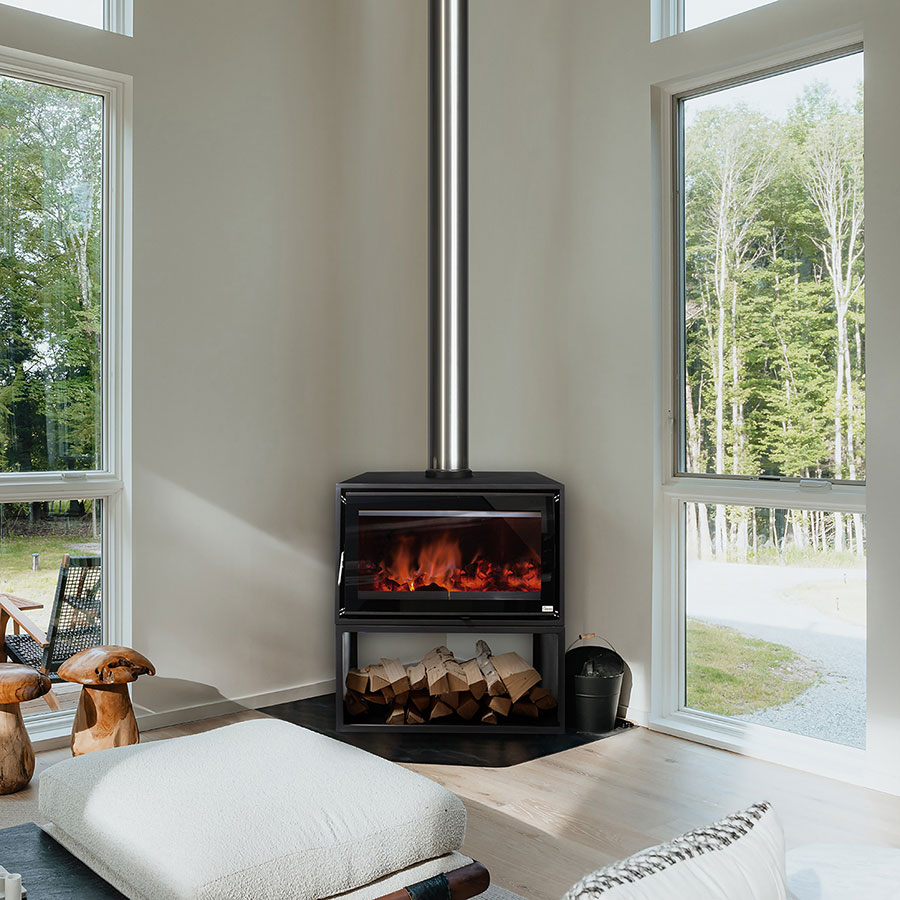
Shopping for a fireplace woodburner in South Africa? This guide covers every style from freestanding to built-in, the key features that separate good from great, real Rand price ranges, and what installation actually involves — so you buy the right unit first time.
A fireplace woodburner — also called a closed combustion fireplace or wood-burning stove — is one of the most rewarding upgrades you can make to a South African home. It heats a room far more efficiently than an open fireplace, it works perfectly through load-shedding, and it adds real character to any living space. But the market has dozens of styles, output ratings, and price points, and choosing the wrong unit is an expensive mistake to fix. This guide walks you through every style of freestanding wood-burning fireplaces and built-in options, the features that actually matter, real Rand price ranges for 2026, and what professional installation involves — so you can buy with confidence.
What Is a Fireplace Woodburner?
A fireplace woodburner is a fully enclosed, airtight heating appliance that burns wood inside a sealed firebox. Unlike a traditional open fireplace — where most of the heat escapes up the chimney — a woodburner controls airflow precisely, achieving combustion efficiencies of 70–85% versus roughly 20–30% for an open hearth. The sealed glass door keeps the room draught-free while you enjoy the view of the flames. Most models use a primary and secondary air system: primary air feeds the fire at the base, while secondary air is pre-heated and injected above the flames to burn off gases before they leave the firebox. This is what gives a good woodburner its tall, lively flame and clean glass.
In South Africa the terms “closed combustion fireplace” and “fireplace woodburner” are used interchangeably. You may also see “wood-burning stove” or “log burner” — all refer to the same sealed-firebox concept. If you are still weighing up a wood unit against a gas alternative, our comparison of gas vs wood-burning fireplaces covers the running-cost maths in detail.
The Main Styles of Fireplace Woodburner
Freestanding Woodburner Fireplaces
The most popular choice for South African homes, a freestanding woodburner sits on legs or a plinth and connects to a flue pipe that runs up to the ceiling and out through the roof. Because it stands away from the wall, it radiates heat on three or four sides simultaneously — ideal for an open-plan lounge or family room. Freestanding units are also easier to install in homes without an existing chimney breast, since the flue can be routed through a straight vertical run or offset around a rafter. Styles range from classic cast-iron designs with ornate detailing to sleek contemporary steel boxes with panoramic glass. Browse our freestanding fireplace range to see the full selection we carry, including Hydrofire, Kratki, Earthfire, and Sentinel units.
Built-in and Insert Woodburners
A built-in woodburner is framed into a wall cavity or masonry surround, giving a flush, architectural finish. Some homeowners prefer this look because it suits a formal lounge or bedroom without the visual bulk of a freestanding unit. Inserts are a related option: they slip into an existing open fireplace opening, turning a draughty traditional hearth into an efficient heating unit. Both styles connect to the existing chimney flue, though older brick chimneys often need a steel liner installed to meet modern clearance and draw requirements. Our built-in fireplace inserts category carries flush-fit units from multiple brands.
Double-Sided Woodburners
A double-sided — or see-through — woodburner serves two rooms at once through a shared opening in a dividing wall or partition. Popular in open-plan homes where the lounge flows into a dining room, they are more complex to install (the flue is centred rather than rear-exiting) and typically cost more, but the visual impact and dual-zone heating make them worth considering for larger builds. See our see-through double-sided fireplaces for available models.
Features That Separate a Good Woodburner from a Great One
Output Rating (kW)
Output is the single most important spec. Undersize and the room never warms up; oversize and you cannot run the appliance slowly enough without smouldering, which coats the glass and flue in creosote. A rough South African rule of thumb is 1 kW per 10–12 m² of well-insulated space, but Cape Town’s mild climate and open-plan layouts change the equation. A 6–8 kW unit suits most medium lounge/dining areas (60–80 m²); larger open-plan spaces often need 10–12 kW. Before you buy, our guide to choosing the right fireplace for your home covers sizing in more detail, including ceiling height and thermal mass adjustments.
Sealed Combustion and Air-Wash Glass
A well-designed air-wash system — where a thin veil of clean air descends across the inside face of the glass — keeps the door transparent even during a long burn. Units without this feature tend to blacken the glass within an hour of lighting. Look for it specifically if clear glass is a priority for you.
Materials: Steel vs Cast Iron (and the Coastal Question)
Most modern woodburners are fabricated from thick steel plate (6–10 mm) and lined with vermiculite or refractory bricks that store and re-radiate heat. Cast-iron models heat more slowly but retain warmth longer after the fire dies down — useful in cold Highveld winters. For Cape Town and other coastal areas, verify that exposed external flue sections and fitments are 304 stainless steel. Standard mild-steel flue pipes corrode quickly in coastal air; 304-grade stainless resists the salt humidity and lasts far longer.
Flue Compatibility
Your woodburner is only as good as its flue. Adequate draw depends on flue height, diameter, and insulation. An insulated double-wall flue maintains higher internal temperatures, which improves draw and reduces condensation — critical in South Africa’s mild autumn and spring, when outside temperatures do not always force a strong thermal difference. Read our overview of why insulated flues are worth the investment if you are deciding between single-wall and double-wall options.
Fireplace Woodburner Price Ranges in South Africa (2026)
Prices have moved with the Rand over the past two years, but here are realistic 2026 ballpark figures for the unit alone, before installation:
- Entry-level (4–6 kW): R8,000 – R14,000 — typically compact steel freestanding units, adequate for a medium bedroom or small lounge.
- Mid-range (6–10 kW): R14,000 – R25,000 — the sweet spot for most SA homes; this bracket includes quality brands like Earthfire and Kratki with good glass and air-wash.
- Premium (10 kW+, designer, cast-iron or panoramic glass): R25,000 – R55,000+ — large output units, Dovre or Godin cast-iron models, double-sided units, or high-end European stoves.
Installation adds R6,000–R18,000 depending on flue length, roof penetration complexity, and whether a new hearth is needed. For a full breakdown of all the cost components, read our dedicated fireplace installation cost guide — it covers labour, flue materials, hearth, and compliance considerations in South Africa.
Installation: What It Actually Involves
Installing a fireplace woodburner is not a DIY job in most South African municipalities. Flue penetrations through roof structures, clearances to combustible materials, and hearth specifications all need to meet SANS 10400 Part T requirements. A botched installation can void home insurance and create a genuine fire hazard.
A professional installation typically involves: positioning the unit on a non-combustible hearth pad, connecting the flue collar, running the flue pipe through the ceiling and roof with an insulated fire collar and roof flashing, capping the flue with a cowl to prevent downdraughts and rain ingress, and testing draw and combustion before handover. The whole job usually takes one full day for a straightforward freestanding run; built-in or double-sided installations take longer. Our professional fireplace installation services cover Cape Town and surrounds — we handle everything from site visit to final sign-off.
The load-shedding angle is worth noting: unlike gas units that still require an electronic ignition or a mains fan for some models, a wood-burning fireplace has no electrical dependency whatsoever. Light a match, and it works — regardless of the schedule.
Frequently Asked Questions
What is the difference between a fireplace woodburner and a closed combustion fireplace?
They are the same thing. “Closed combustion fireplace” is the term commonly used in the South African trade; “fireplace woodburner” or “wood-burning stove” is the international phrasing. Both describe a sealed, airtight appliance that burns wood in a controlled firebox with a glass door.
How much wood does a woodburner use per evening?
A typical 6–8 kW unit running for four to five hours uses roughly 8–12 kg of dry hardwood — equivalent to about half a small bakkie load per week during a Cape Town winter. Kiaat, bluegum, and sweet thorn are popular SA firewood choices; properly dried wood (moisture below 20%) burns cleaner and more efficiently than wet or green wood.
Can I install a freestanding woodburner in a rental property?
With landlord permission, yes. Because a freestanding unit only requires a flue penetration through the ceiling and roof (no structural wall modifications), it is one of the more reversible fireplace installations — the flue hole can be patched and the unit moved. Always get written consent and confirm with your insurer.
Do I need to sweep the chimney every year?
Yes. SANS and most home insurers recommend at least one professional sweep per year for a regularly used wood-burning appliance. Burning good dry wood reduces creosote build-up significantly, but annual inspection is still best practice — particularly after a Cape Town summer when the flue has been dormant. Our chimney sweeping services include a full visual inspection alongside the clean.
Ready to Choose Your Woodburner?
Whether you are drawn to a classic cast-iron freestanding unit or a sleek double-sided glass box, the right fireplace woodburner will transform how you use your home through South Africa’s cooler months. Compare styles and specifications in our freestanding wood-burning fireplace range, or if you would like expert advice tailored to your room size, budget, and installation context, request a free installation quote and our team will get back to you promptly.
Related Reading
- Freestanding vs built-in fireplaces — which is right for you?
- Fireplace installation cost guide for South Africa (2026)
- How to choose the perfect fireplace for your home
- Gas vs wood-burning fireplaces: running costs compared
- Why insulated flues are worth the investment
Related reading
- Can You Install a Fireplace in an Existing Home? Yes — Here's How
- Combustion Fireplace Installation: How It Works, Costs & Compliance
- Need it done professionally? See our fireplace installation in Cape Town service.
Planning this kind of work?
Call or WhatsApp with your suburb and photographs. Fire Flames can discuss your fireplace, braai or home project and quote.
Get A Quote →