
Built-in vs Freestanding Wood Burning Stoves
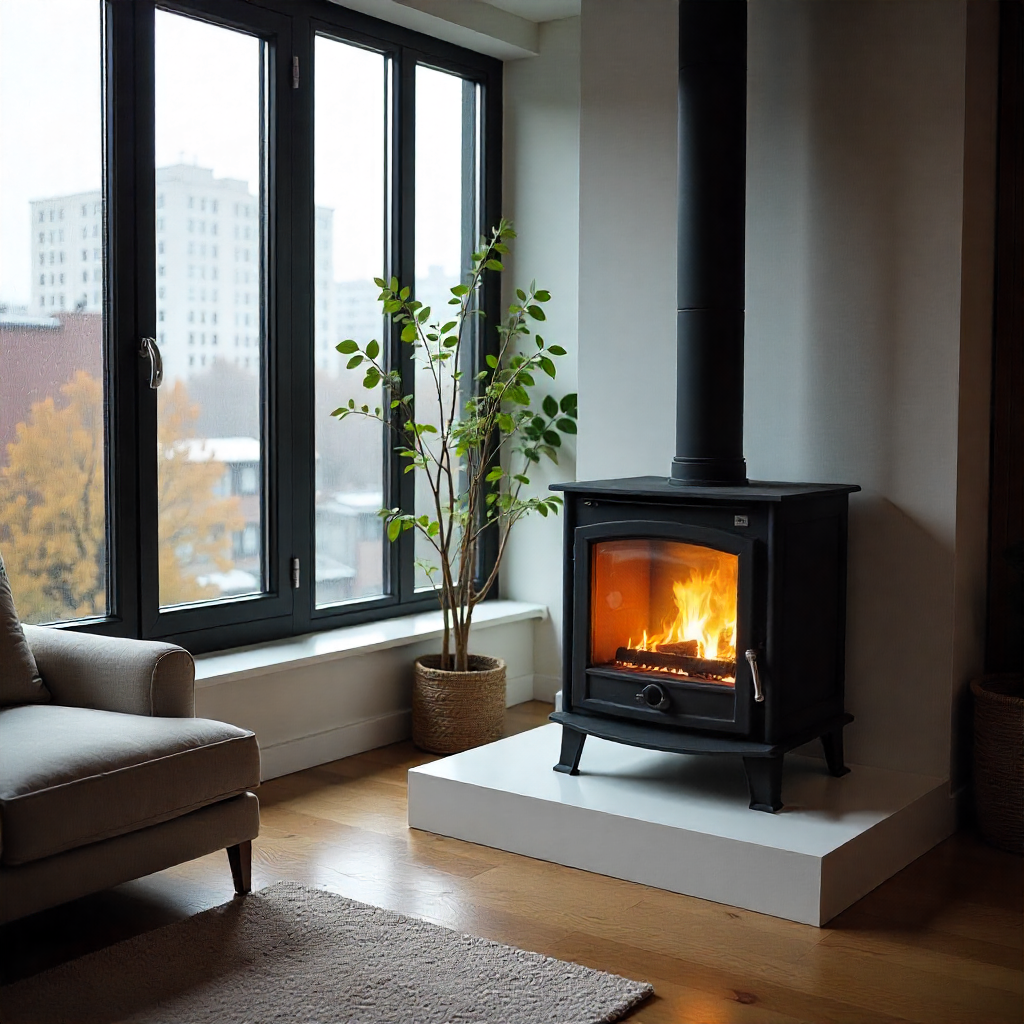
Built in vs freestanding wood burning stoves matters because the right choice affects heat, safety, installation cost and long-term value for South African homes. For broader fire safety guidance, the Fire Protection Association of...
Built in vs freestanding wood burning stoves matters because the right choice affects heat, safety, installation cost and long-term value for South African homes.
For broader fire safety guidance, the Fire Protection Association of South Africa is a useful independent reference alongside professional installer advice.
About 1.5 million homes in South Africa use wood stoves for heat. This shows the need to choose the right stove for your house and way of life.
What Are Wood Burning Stoves?
A wood stove is a sturdy heater that uses wood for fuel. It gives off efficient and cozy warmth. You can pick between freestanding units you can put anywhere, or built-in ones. Built-ins go into your home’s structure, often in a fireplace.
Brief History of Wood Burning Stoves
Wood stoves have come a long way from old open fires. They started centuries ago. Now, they’ve gone from basic to complex, enclosed models.
Today’s versions use high-quality materials like cast iron and steel. They have air controls, glass windows, and technology to cut emissions. These updates make wood stoves more efficient and less polluting. They’re now a top pick for homes, being both green and nice to look at.

Our Top Picks: Built-In Stoves vs Freestanding Stoves
Popular in-stock options in each style, with live pricing and links to product pages.
Built-In Stoves
- Northern Flame Kenna 65 10KW Built – in Fireplace — R30,570
- Bellido 100 Double Sided Built – in Fireplace — R54,745
- L11 Vulcan LR Side Glass (Built in) — R59,999
- L11 Vulcan DF Double Sided (Built in) — R63,999
Freestanding Stoves
- Algora DF (IT 172K) Double Sided Fireplace Fan Insert — R37,999
- Hergom Craftsbury 7 – 11kw Freestanding Fireplace — R38,950
- Hergom E – 30 L Classic Series 16kw Freestanding Fireplace — R49,995
- Hergom E – 40 12kw Freestanding Fireplace — R49,995
Tell us what you need and we’ll send a free, no-obligation quote — fast.
Request a Free Fireplace Quote
What is a Freestanding Wood Burning Stove?
A freestanding wood burning stove is a heater that stands on its own and can be placed anywhere in a room. It needs good airflow and a chimney to work. These stoves are often made of materials like cast iron. Cast iron is great for spreading heat around and keeping a space warm for a long time.
Key Features of Freestanding Stoves
Freestanding stoves have several key features that make them useful and attractive:
- Versatility in Placement: You can install one in many spots in a room if there’s enough air and a chimney.
- Material Construction: They’re usually built from cast iron or steel, which helps them heat up efficiently and last a long time.
- Design Variety: They come in different styles to match any home, from old-fashioned to modern.
- Energy Efficiency: Designed to use fuel well, these stoves are a green choice for warming up your space.
Freestanding Stove Sizes and Heat Output
How big a freestanding stove is will affect how much heat it gives out. Small ones can heat spaces up to 1,000 square feet. Medium stoves work well for areas up to 2,000 square feet. For bigger places, up to 3,000 square feet, large stoves are best.
The size and design of the stove are key to how well it can heat your room. Picking the right size means your space will be warm and comfy. It also means you’ll use less energy, which saves money and is better for the planet.
What is a Built-in Wood Burning Stove?
A built-in stove, known as an inset stove, integrates well into your home’s design. It’s installed in an existing fireplace or directly into a wall. This makes it both stylish and great for saving space.
Unlike freestanding models, built-in stoves are permanent and need proper installation. They connect with your home’s ventilation. Built-in stoves make your fireplace heat better. They also help your home be more energy-efficient.
Choosing a built-in stove also means your home looks better. They fit into your home’s design without needing extra space. So, they’re perfect for updating your fireplace and saving energy.
The Pros and Cons of Freestanding Wood Burning Stoves
When looking at freestanding versus built-in wood stoves, consider both looks and function. Freestanding wood stoves come with both pluses and minuses.
Advantages of Freestanding Stoves
Freestanding wood stoves are great because you can put them almost anywhere in your house. They just need a way to send smoke outside. This lets you choose the best spot for heating and style.
These stoves also come in many designs, from old-school cast iron to sleek steel. You’ll find one that looks good and works well in your space.

Also, freestanding wood stoves can heat your home even if the power goes out. They’re a solid choice for those who want to be less reliant on the grid.
Disadvantages of Freestanding Stoves
However, freestanding wood stoves need a lot of space. They also have to be placed away from anything that can catch fire, which could limit where you put your furniture.
Setting them up is tougher and might require adding a chimney or flue. This can raise your costs and mess with your home’s design. These challenges are often seen as big drawbacks when deciding between freestanding and built-in stoves.
Thinking about these pros and cons will help you choose the right stove. Make sure you consider both how it will look and how it will work in your home.
The Pros and Cons of Built-in Wood Burning Stoves
Built-in wood burning stoves have both good and bad points. It’s important to think about if they fit your home’s needs. They become part of your home’s structure and design. This means they add both function and beauty.
Benefits of Built-in Wood Burning Stoves
One great thing about these stoves is their efficient heating. They keep more heat inside your home because they are part of an existing wall. This helps save on energy. Also, their seamless integration makes any room look better.
These stoves are good at heating big areas too. The heat spreads out well. Also, since they are in the wall, less heat is lost.
Drawbacks of Built-in Wood Burning Stoves
However, there are some downsides. The biggest one is the built-in disadvantages of setting them up. They need a specific spot in a wall, which limits where you can put them.
Also, putting them in can be tough and expensive. You might need to change your home’s structure. Plus, you have to follow local building laws. This can add to the cost and time, making it a harder choice than freestanding stoves.
Built-in vs Freestanding Wood Burning Stoves
When you look at built-in and freestanding wood burning stoves, it’s important to weigh various factors. These factors affect both your experience and how well the stoves work.
Efficiency Comparison
Stove efficiency matters a lot when picking between built-in and freestanding models. Built-ins are more efficient because they fit into your home’s design. This way, they keep heat well and make your space cozy. Freestanding stoves also keep the room warm but might lose some heat because they stand alone.
Installation and Maintenance
Putting in and taking care of installed stoves can be tougher and pricier. They often need changes in your house and must be set up by experts for safety and the best working. Built-in stoves also need regular checks to keep them running right. However, freestanding stoves are easier to install and maintain. You can place them in many spots around your house without big changes.
Cost and Value
Thinking about costs is key in choosing between built-in and freestanding stoves. Built-ins usually cost more at first because installing them is complex. But they can save you money later by making your home more energy-efficient and raising its worth. On the flip side, freestanding stoves are cheaper to get but might not save as much money or add as much value over time.
Considerations When Choosing Between Built-in and Freestanding Wood Burning Stoves
Choosing the right heating solution for your home needs careful thought. Let’s dive into the key factors.
Heating Needs and Space
Your heating needs and the available space are key in this decision. For heating many rooms or big areas, choosing between a freestanding stove might be better for heat spread. Built-in stoves fit well in single rooms or in places with existing fireplaces for a seamless look.
Aesthetic Preferences
Your style will also help decide. Built-in stoves blend well with modern homes, keeping the look smooth. Freestanding stoves offer a classic feel and can be placed in various spots, making them the highlight of a room.

Budget Constraints
Money is always a big factor. Freestanding stoves are usually cheaper upfront, good for tight budgets. But built-in stoves may save more money over time because they’re more efficient and can lower energy bills.
Installation and Maintenance of Freestanding Wood Burning Stoves
Adding a freestanding wood burning stove brings warmth and style to your home. You must pick a spot that meets local building rules for safety. This includes keeping it away from anything that can catch fire.
Setting up a freestanding stove requires an easy installation. You’ll need to fit a stovepipe to a chimney or lead it outside. Doing this guarantees clean air and safe use of your stove.
To keep your stove working well, clean it and the chimney often. This avoids creosote, which could start a fire. Also, check your stove regularly to make sure it’s in good shape and safe to use.
Though it seems simple, get a pro to install your freestanding stove. Their expertise ensures your stove runs well and safely. It’ll bring cozy warmth and beauty to your home for many years.
Installation and Maintenance of Built-in Wood Burning Stoves
Putting in a wood burning stove takes careful planning and action. You want it to fit perfectly with your home’s look and work well. Let’s look at the essential steps and maintenance advice for top performance.
Essential Installation Steps
- Assess Fireplace Suitability: Make sure the current fireplace can handle a built-in stove. Think about its size and strength.
- Check Chimney: Check the chimney is strong and clear. It also needs to be the right size to let smoke out efficiently.
- Modify Fireplace Opening: You might need to change the fireplace opening for the stove. This could mean making it bigger or adding more support.
Maintenance Tips
Keeping your stove in good shape is key for its efficiency and safety. Here are some tips to help:
- Regular Chimney Cleaning: Clean your chimney often to avoid soot and creosote build-up. This keeps your chimney clear and efficient.
- Inspect Seals and Joints: Look for damage on seals and joints. Replace any parts that are damaged or rusted quickly.
- Check for Blockages: Make sure nothing is blocking the system. Blockages can stop air flow or combustion.
- Periodic Professional Inspections: Have pros check your stove now and then. They can spot problems early and keep it running well.
Enhancing Your Home with the Right Wood Burning Stove
Choosing the right wood burning stove is key to making your home look and feel better. It adds function and beauty. Whether a freestanding model or built-in, picking a stove that matches your home’s style and your taste can make your space cozy and inviting.
Role of Wood Burning Stoves in Home Décor
Wood burning stoves do more than heat up your home; they also add style. Freestanding stoves bring a traditional, rustic feel, often standing out as the room’s main feature. On the other hand, built-in stoves provide a modern, integrated look that enhances contemporary décor without overwhelming it.
Creating a Focal Point
Using a wood burning stove as a centerpiece in your home has great benefits. It draws attention and sets the mood, making any space more welcoming. Whether it’s a freestanding stove in the living room or a built-in in the dining area, it can be the heart of your home’s design.
Summing up, the perfect wood burning stove adds both function and beauty to your home. It’s about matching the stove to your home’s style and your needs. This way, you get warmth and a beautiful centerpiece that improves your living space.
Conclusion
After examining both built-in and freestanding wood burning stoves, it’s clear they each have unique pros and cons. Think about what’s important for your home like space, budget, looks, and heat needs. Both styles make your home warm and inviting.
Freestanding stoves are flexible in where you can put them and are easier to set up. On the other hand, built-in stoves blend into your home’s design which might increase its value. It’s important to also think about the cost to install, how much upkeep they need, and how well they use energy. This ensures you choose the best stove for your home. Besides being practical, these stoves also add beauty,
When making your decision, remember that doing more research or talking to a pro could help. A wood stove turns your place into a warm, stylish haven. The right stove will provide you with heat and add to your home’s beauty for many years. Embrace the coziness and elegance a great wood stove adds to your space.
FAQ
What Are Wood Burning Stoves?
Wood burning stoves use wood fuel to warm up a room. They work better and are greener than open fires. They allow for more control over burning, are more efficient, and pollute less.
What is a Freestanding Wood Burning Stove?
A freestanding wood burning stove stands alone and can be placed anywhere with good air flow and a chimney. These stoves come in many sizes and styles, fitting different spaces well.
What is a Built-in Wood Burning Stove?
A built-in wood burning stove, or insert stove, fits directly into a home’s structure. It’s often placed in old fireplaces or walls. These stoves meld with your home’s look, making old fireplaces more efficient.
What are the Key Features of Freestanding Stoves?
Freestanding stoves can go in many locations, are made of materials like cast iron, and come in various styles and sizes. They need good ventilation and space away from flammable materials.
What are the Sizes and Heat Outputs for Freestanding Stoves?
Sizes of freestanding stoves match different areas: small ones warm up to 1,000 sq. ft., medium ones up to 2,000 sq. ft., and large ones up to 3,000 sq. ft.
What are the Advantages of Freestanding Wood Burning Stoves?
Freestanding wood burning stoves are versatile in where they can be set up, have various styles, and add a traditional feel. They’re a stable heat source and can fit almost anywhere with enough ventilation.
What are the Disadvantages of Freestanding Wood Burning Stoves?
They take up space and need clearance from flammable materials, affecting where you place furniture. Setting them up may be more complex, sometimes needing a new chimney or flue.
What are the Benefits of Built-in Wood Burning Stoves?
Built-in stoves blend in with your home and heat efficiently, reducing heat loss. They have a modern look and make old fireplaces better at heating.
What are the Drawbacks of Built-in Wood Burning Stoves?
Placement of built-in stoves is limited to areas with an existing fireplace or enough wall space. The setup might be tricky and expensive, requiring changes to your home and following building rules.
Which is More Efficient: Built-in or Freestanding Wood Burning Stoves?
Built-in stoves often heat more efficiently than freestanding ones because they’re part of the home’s structure, reducing heat escape. But, freestanding stoves are easier to put in and keep up.
What are the Installation and Maintenance Requirements for Freestanding Stoves?
To install a freestanding stove, pick the right spot, ensure it meets building codes, and install a vent pipe. Keep it in good shape by cleaning the stove and chimney, checking for damage, and safe use.
What are the Essential Steps for Installing a Built-in Stove?
Key steps include checking the fireplace and chimney, maybe changing the fireplace opening. Hiring a professional and regular checks keep it working right and safely.
How Can Wood Burning Stoves Enhance Home Décor?
Wood burning stoves add both function and beauty. Freestanding ones become a centerpiece with old-time charm, while built-in ones give a modern, sleek look that fits with modern homes.
What Factors Should I Consider When Choosing Between Built-in and Freestanding Stoves?
Think about your heating needs, the space you have, what look you want, and your budget. Freestanding stoves are good for larger spaces and offer more setup options. Built-in stoves look more seamless and are more efficient but might cost more and be harder to install.
Related reading
- Can You Install a Fireplace in an Existing Home? Yes — Here's How
- Combustion Fireplace Installation: How It Works, Costs & Compliance
- Need it done professionally? See our fireplace installation in Cape Town service.
Planning this kind of work?
Call or WhatsApp with your suburb and photographs. Fire Flames can discuss your fireplace, braai or home project and quote.
Get A Quote →