
Fireplace to Gas Conversion: What It Involves and Needs
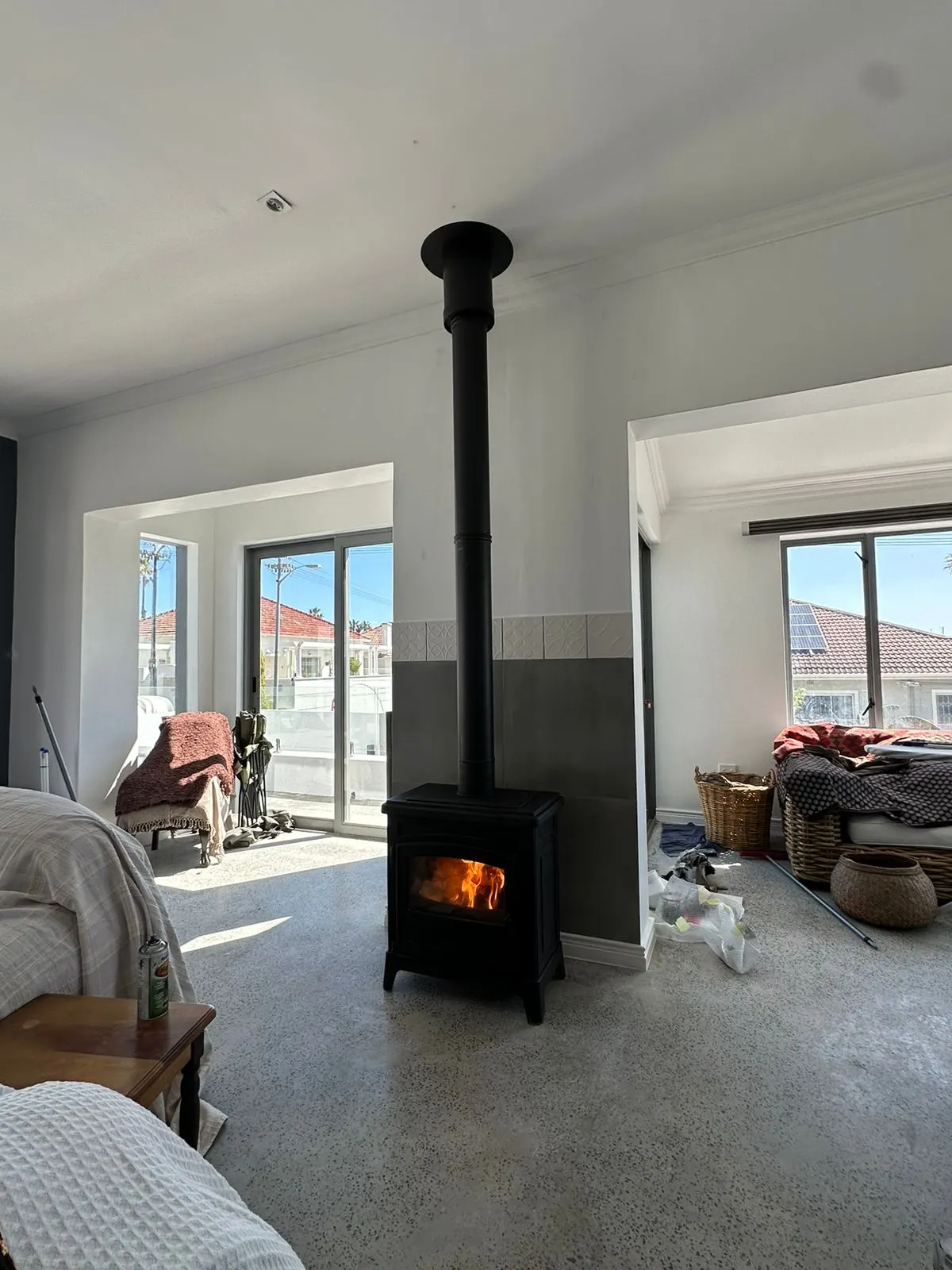
Tired of chopping wood and cleaning ash? Many open fireplaces can be converted to gas. Here is what a conversion involves, what your fireplace needs and what to ask before you go ahead.
Quick answer
A fireplace to gas conversion usually means fitting a gas fireplace insert or gas log set into your existing fireplace, lining or replacing the flue, running a gas line from cylinders outside, and having a registered gas installer sign off with a CoC. Most sound brick fireplaces can be converted, but the chimney, the size of the opening and where the gas can run all need to be checked on site first.
An open wood fire looks lovely, but it comes with work. Buying and storing wood, cleaning ash, smoke when the wind turns and a room that only warms up when you sit right in front of it. That is why so many homeowners ask us whether they can convert their fireplace to gas instead.
In most homes the answer is yes, but it is not as simple as putting a burner in the grate. This guide explains what a conversion involves, the parts you need, what can stop it and how to plan it so you end up with a safe, warm fire at the turn of a knob.
Have an old open fireplace you want to switch to gas? Send us photos of the opening and the chimney and we will arrange a site visit to quote.
What a Fireplace to Gas Conversion Involves
A conversion has four parts. Leave one out and the fire either will not work properly or will not pass the safety check.
The gas unit
A gas fireplace insert or a gas log set that fits the opening of your existing fireplace.
The flue
A liner or new flue that takes the fumes safely out through the chimney, sized for the gas unit.
The gas supply
Cylinders outside, a regulator and approved pipework running to a valve beside the fireplace.
The sign off
A leak test and a certificate of compliance from a registered gas installer.
The fireplace itself often needs some work too. The firebox is cleaned, cracked fire bricks are repaired and the hearth is checked. If the surround is dated, many people use the conversion as a chance to clad or retile it at the same time.
Gas Fireplace Insert or Gas Logs?
There are two main ways to do a wood to gas fireplace conversion, and they suit different people.
Gas fireplace insert
A gas fireplace insert is a closed unit with a glass front that slides into the existing firebox. It has its own sealed burner and connects to a flue liner up the chimney. Because it is closed, far more of the heat comes into the room instead of going up the chimney. If you want the fireplace to actually heat your lounge, this is usually the better choice.
Gas log set
A gas log set is a burner with ceramic logs that sits in the open fireplace. It gives a realistic flame and keeps the open look, but like an open wood fire, much of the heat is lost up the chimney. It suits people who want the look of a fire more than the warmth.
This choice is very similar to the one between an open fire and a closed stove. Our guide to a fireplace insert vs open fireplace explains the heat difference, and our gas vs wood burning fireplaces article covers running and upkeep.
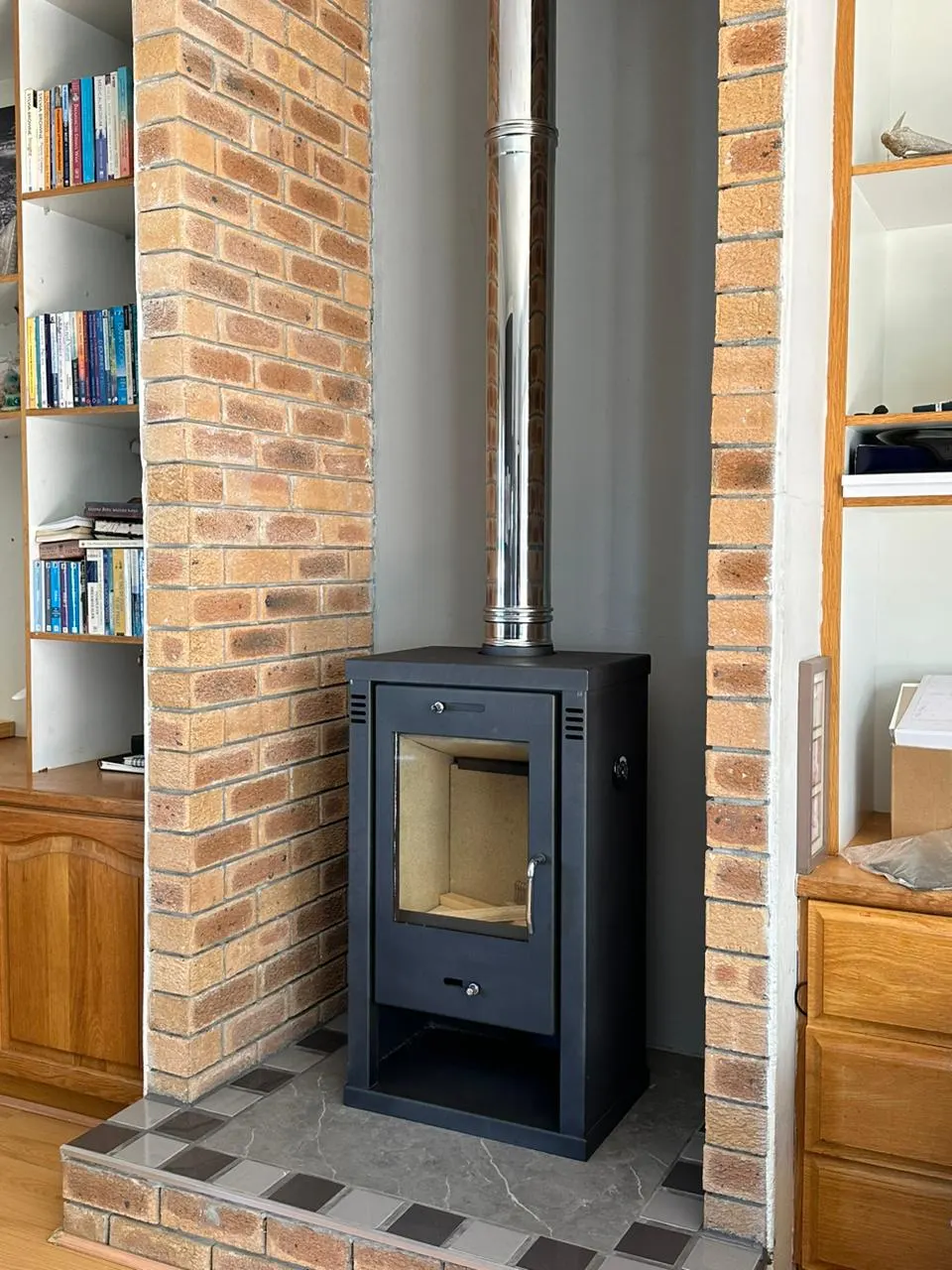
Can You Convert Fireplace to Gas in Every Home?
Not always. These are the things our team checks on the site visit before we can say yes:
- ✓Is the chimney sound, with no big cracks, loose bricks or blockages?
- ✓Is the opening big enough for an insert, or will the surround need changes?
- ✓Can a flue liner run up the chimney, or does the gas unit need a different flue route?
- ✓Where can the cylinders stand outside, at the right distance from doors, windows and drains?
- ✓How far does the gas line have to run, and through which walls?
- ✓Is there enough ventilation in the room for the type of unit chosen?
- ✓Do the body corporate or estate rules allow gas cylinders and a gas fire?
If the chimney has years of soot in it, it is swept and checked first. Our chimney sweeping team does this before any conversion. Where the old chimney cannot take a liner, a new flue route is often possible, and our flue installation page explains the options.
⚠ Safety first
Never fit a gas burner into a fireplace without the right flue and ventilation, and never use a fireplace that has been converted by someone who is not registered for gas work. Fumes from a badly installed gas fire can include carbon monoxide, which you cannot see or smell.
Fireplace to Gas Conversion Steps
Every home is different, but most conversions follow the same order:
Site visit and quote
We look at the fireplace, chimney, cylinder position and gas route, then give you a written quote.
Choose the gas unit
Insert or gas logs, sized to your opening and the room you want to heat.
Prepare the fireplace
The chimney is swept, the firebox is cleaned and any repairs to bricks or the hearth are done.
Fit the flue and unit
The liner or new flue is installed and the gas unit is fitted and sealed.
Run the gas line
Cylinders, regulator, pipework and an isolation valve near the fireplace are installed.
Test and sign off
A leak test is done and a registered gas installer signs off with a CoC.
A search for gas fireplace installers near me will turn up plenty of names, so ask each one whether they handle the fireplace, the flue and the gas line together. One team doing all of it avoids gaps between trades.
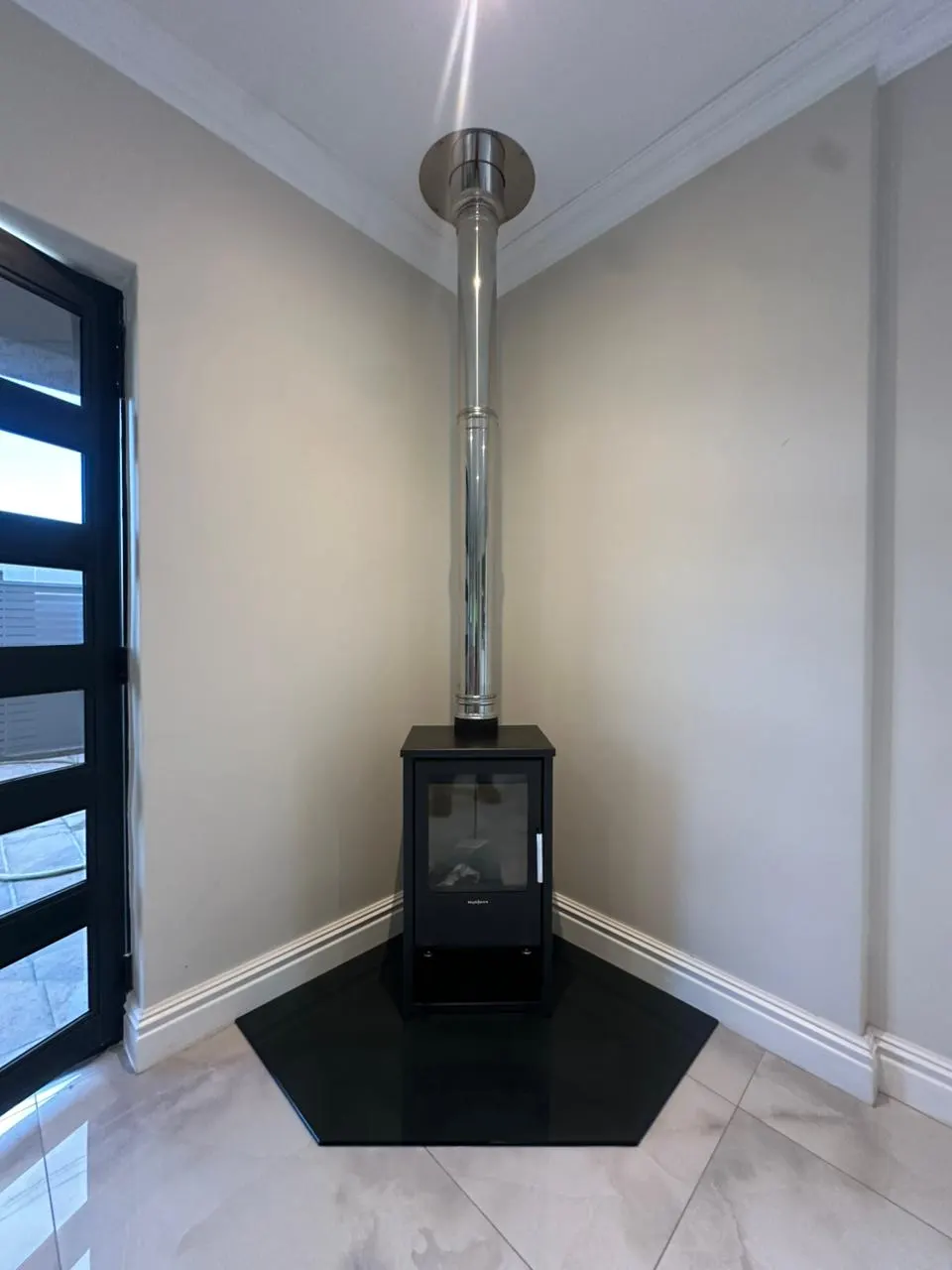
Want to know if your fireplace can be converted? Our team checks the chimney, the opening and the gas route, then quotes in writing.
What Affects the Cost of a Fireplace to Gas Conversion
We do not give prices without seeing the fireplace, because the same job can be simple in one house and involved in the next. We quote after a site visit. The main things that change the scope are:
- Whether you choose a gas fireplace insert or a gas log set
- The condition of the chimney and whether it can take a liner
- How far the gas line has to run from the cylinders to the fireplace
- Repairs to the firebox, hearth or surround
- Any new cladding, tiling or a new mantel
If you are also weighing up a separate heater instead of a converted fireplace, our post on whether a built-in gas heater is worth it compares the two.
The Gas CoC After Your Conversion
Once the gas side is in, it must be tested and certified. A registered gas installer checks the cylinders, regulator, pipework, valve and the gas unit, and issues a gas compliance certificate. Keep it safe: your insurer may ask for it, and you will need it if you ever sell the house.
Why Cape Town Homeowners Choose Fire Flames
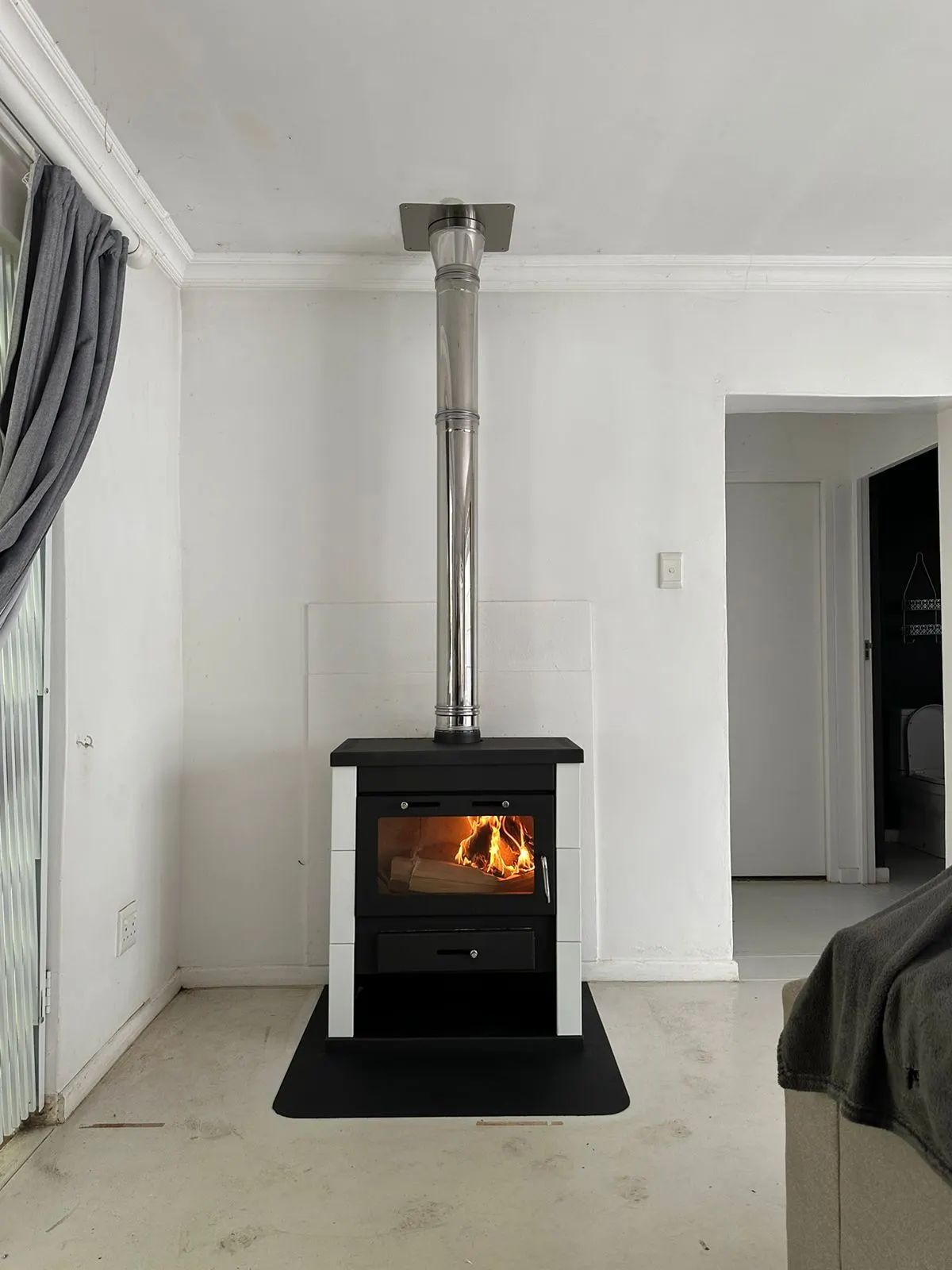
Our team installs gas fireplaces, wood fireplaces, flues and chimneys across Cape Town, so we look at a conversion as one job, not three. We check the chimney, advise on an insert or gas logs, fit the flue and the gas line, and a registered gas installer signs off with a CoC. If gas turns out not to suit your home, our fireplace installers near me service can help with a closed wood unit instead.
Tell us about your fireplace and send a few photos. We will visit, check what is possible and give you a written quote.
Fireplace to Gas Conversion: Common Questions
Can you convert a wood fireplace to gas?
Yes, most sound brick fireplaces can be converted to gas with a gas fireplace insert or a gas log set. The chimney, flue, opening size and gas line route need to be checked on site before it can be confirmed.
How much does a fireplace to gas conversion cost?
It depends on the gas unit you choose, the state of the chimney, how far the gas line has to run and any repairs to the fireplace. We quote in writing after a site visit, so you know the full scope before work starts.
Is a fireplace gas conversion kit safe to install yourself?
No. Any gas installation must be done and signed off by a registered gas installer, who issues a certificate of compliance. A DIY gas fire can leak or let fumes into the room, and it may affect your insurance.
Does a gas fireplace need a chimney?
A gas fire needs a flue to take the fumes outside. In a conversion, a liner usually runs up the existing chimney. Where that is not possible, a different flue route can often be used.
Is a fireplace to gas conversion worth it?
If you want instant heat with no wood, ash or smoke, it usually is, especially with a closed gas fireplace insert that sends more heat into the room. If you love the crackle of real wood, a closed wood stove may suit you better.
Planning this kind of work?
Call or WhatsApp with your suburb and photographs. Fire Flames can discuss your fireplace, braai or home project and quote.
Get A Quote →