
A coal fireplace rarely tops the list when South Africans shop for winter heating — but for the right home, it is one of the most effective and economical solid-fuel options available. Coal burns hotter and longer than most firewood, requires no chopping or seasoning, and keeps glowing through a cold Cape Town night with minimal attention. Before writing it off as old-fashioned, it helps to understand what a modern coal setup actually offers — and where it falls short. Explore our range of fireplaces to see how solid-fuel options compare to wood and gas alternatives before you decide.
What Is a Coal Fireplace and How Does It Work?
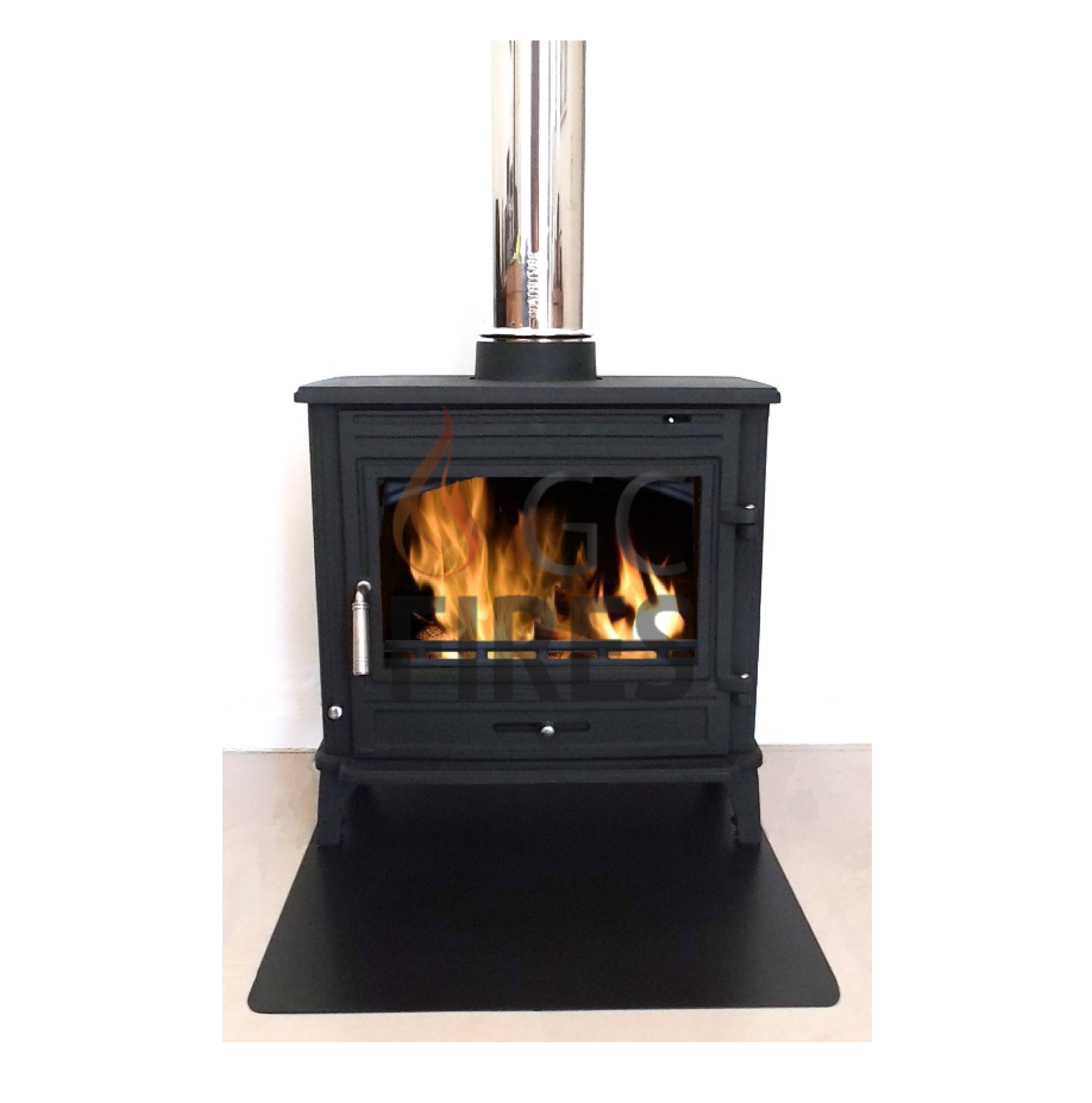
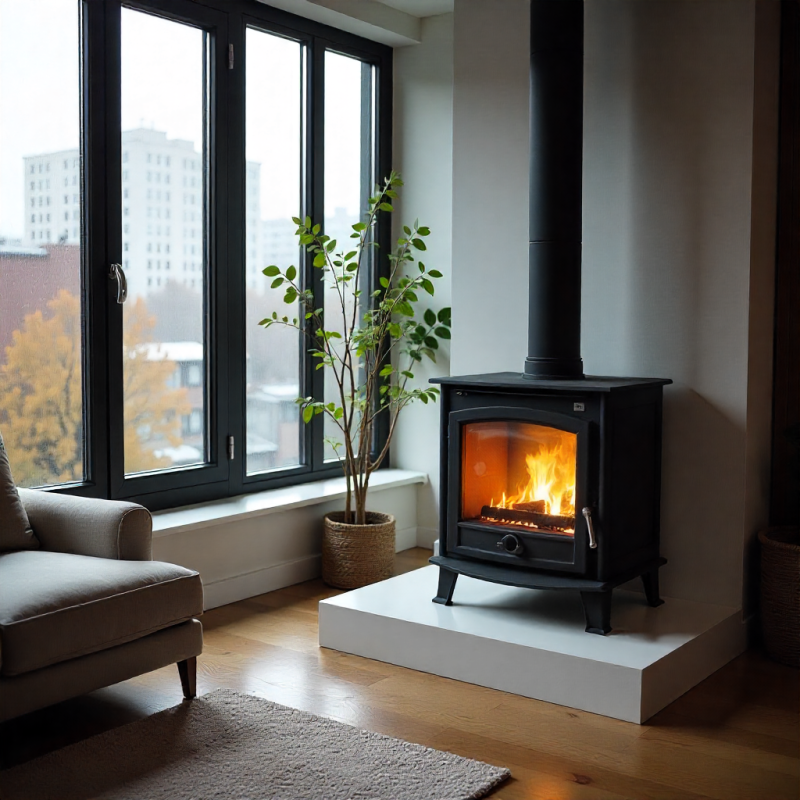
A coal fireplace — often marketed as a multi-fuel stove or solid-fuel appliance — burns compressed or loose coal inside a sealed, high-efficiency firebox. Unlike a traditional open hearth or even many wood-burning designs, modern closed-combustion coal units control airflow precisely through adjustable primary and secondary vents. This means you can dial the burn rate up or down, making the fuel last far longer than an open fire would allow.
The key engineering difference from a wood stove is the grate and ash pan. Coal needs air supplied from beneath the fuel bed through a riddling grate that allows ash to fall away continuously. Wood burns best on a base of accumulated ash with top-down airflow. A genuine multi-fuel appliance handles both by offering interchangeable grate configurations. Respected manufacturers like Charnwood build their multi-fuel stoves to accommodate exactly this flexibility. The practical result for coal users: load the firebox at 10 pm, reduce the air supply, and the unit will still be producing warmth — and often still alight — at 6 am the next morning.
Coal Fireplace Running Costs: What to Budget
Coal is sold in 50 kg bags at most fuel merchants and hardware stores across South Africa, typically at R250–R380 per bag depending on grade and region. Premium anthracite — the cleanest, densest, and highest-heat coal — sits toward the top of that range. Lower-grade bituminous coal is cheaper but smokier and leaves significantly more ash per kilogram burned.
A mid-sized closed-combustion coal unit rated at 8–10 kW burns roughly 2–3 kg of coal per hour on a moderate setting. An evening burn of five to six hours uses 12–18 kg, costing R60–R140 per session at current prices. Run it five nights a week through South Africa’s core winter months (May to August) and your monthly coal spend comes to around R1,200–R2,800. Compare that to LPG gas heating, which typically costs R2,000–R3,500 per month for comparable output, and coal can look very attractive when you’re budgeting for a long winter.
For a detailed side-by-side of fuel costs across options, read our gas vs wood-burning fireplace comparison — the cost principles apply equally when coal is in the mix. And if you want a clearer picture of what a full installation costs end to end, our fireplace installation cost guide has current South African price ranges.
Coal vs Wood vs Gas: Which Wins on Heat and Convenience?
If you’re deciding between a coal fireplace and a freestanding wood-burning fireplace — or a gas model — here’s how they compare on the factors that matter most in a South African home.
Heat output: Anthracite produces around 28–30 MJ per kilogram, compared to 14–18 MJ for seasoned hardwood. A coal unit can heat a large open-plan living area that a similarly sized wood stove might struggle to warm adequately. If you’re trying to heat more than one room from a single appliance, coal’s higher energy density is a meaningful advantage.
Burn duration: Coal’s biggest practical advantage is overnight heat retention. Where most wood stoves need refuelling every two to three hours, a coal-loaded unit on reduced airflow can last eight to twelve hours without intervention. That’s particularly valuable if you’re heating a bedroom wing or a home with young children or elderly occupants who shouldn’t have to get up to add fuel in the night.
Fuel reliability: Good firewood requires at least six months of drying before it burns efficiently. Sourcing consistently dry, correctly split wood can be frustrating in coastal or peri-urban areas. Bagged coal is dry, consistent in quality, and available year-round from fuel merchants and many farm supply stores — no seasoning required, no guessing whether your wood is ready.
Load-shedding compatibility: Coal fireplaces are entirely grid-independent. No electricity required for ignition, heat distribution, or safety controls. During extended outages, a coal unit functions exactly as normal — which gives it a clear edge over gas appliances that rely on electronic igniters or thermostat controls.
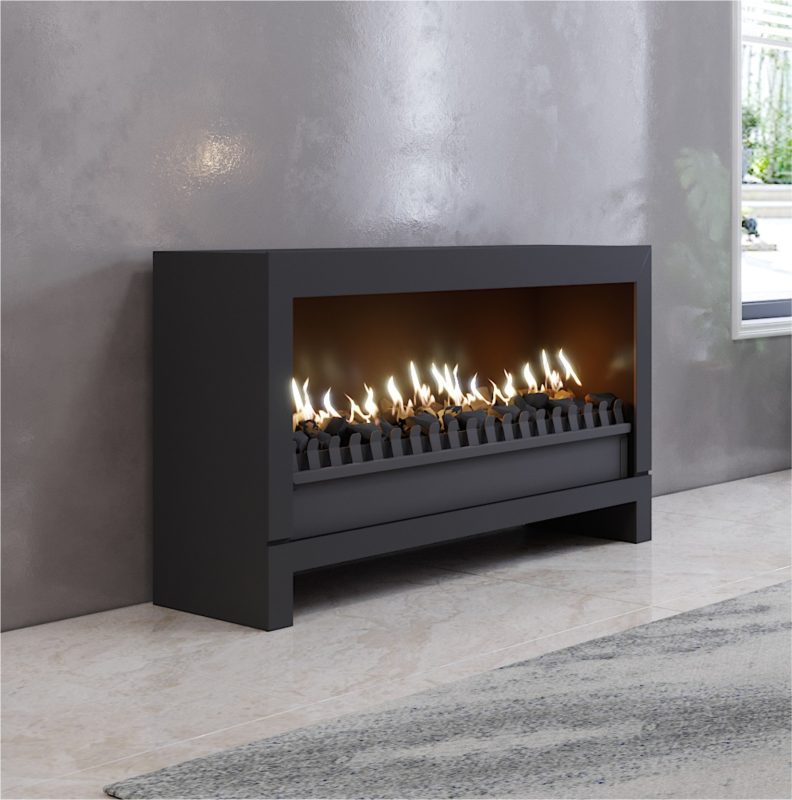
Convenience trade-offs: Gas fireplaces are the easiest to live with day to day (switch on, switch off). Coal requires ash removal every one to two days, occasional riddling of the grate, and carrying heavy 50 kg bags from storage. It’s not high maintenance, but it is more physical than gas. Our guide to freestanding vs built-in fireplaces explores how appliance format affects everyday convenience across all fuel types.
Coal Fireplace Installation: Flue, Clearances and Compliance
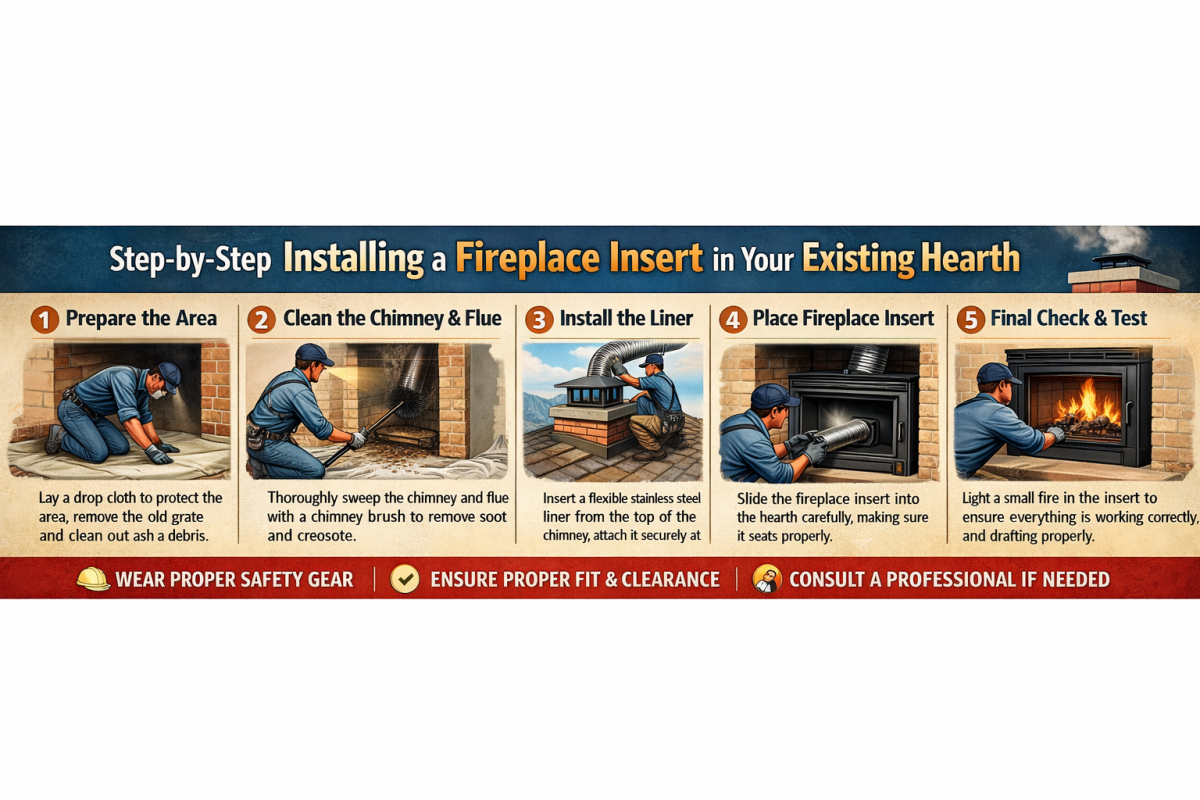
Installing a coal-burning appliance correctly is not a job for a general contractor. Coal burns at higher temperatures than wood, and the sulphur compounds in coal exhaust are corrosive to standard stainless steel over time. The flue liner must be acid-resistant — 904L or 316 grade stainless steel is specified for solid-fuel use; 304 grade stainless (common in many wood-only installations) is not suitable for coal because it will corrode prematurely. A purpose-rated flue and liner system matched to the appliance output is not optional — it is a safety and compliance requirement.
Flue sizing also matters. Most residential coal stoves in the 6–12 kW range need a 150–200 mm diameter liner and a minimum effective height of 4.5 metres from the appliance outlet. A correctly specified, insulated flue for your fireplace maintains strong draft even in cold weather — which is essential because coal requires a reliable draw both to ignite properly and to control burn rate once alight. An undersized or poorly installed flue causes smoke spillage into the room and, more seriously, a carbon monoxide risk.
South African building regulations (SANS 10400-T) require a Certificate of Compliance (CoC) for all fixed heating appliance installations. This covers the appliance itself, the flue, clearances from combustible materials, and the hearth specification. The CoC is also a legal requirement when selling the property — an uncertified installation becomes a liability at transfer. Book professional fireplace installation with our team and the CoC is handled as part of the process.
Once installed, stay on top of chimney and flue maintenance. Coal’s sulphur content means the liner should be inspected at least once a year and swept at least once per heating season — more frequently if you burn lower-grade bituminous coal rather than anthracite.
Is a Coal Fireplace Right for Your Home?
A coal fireplace makes excellent sense when you need sustained, overnight heat from a grid-independent appliance, when quality firewood is difficult or expensive to source in your area, or when you’re heating a large or open-plan space where raw heat output per rand matters. It’s a less compelling choice if your property has limited flue options (coal installation demands a properly lined, acid-rated flue, which adds cost), if occupants have respiratory concerns, or if you prefer the push-button simplicity of gas.
Coal storage also deserves a practical thought: 50 kg bags need a dry, covered area away from the living space. A small garden shed or dedicated storage bin works well, but if you’re in a sectional title property with no outdoor storage, logistics become a challenge.
If you’re still weighing your options, our team can assess your space, recommend the right appliance and fuel type, and manage the full installation with all compliance paperwork. Request a free installation quote — we cover installations across Cape Town and the wider Western Cape.
Frequently Asked Questions About Coal Fireplaces
Are coal fireplaces legal in South Africa?
Yes — a coal fireplace is fully legal when installed to SANS 10400-T standards and issued with a Certificate of Compliance. Some municipalities enforce local air quality bylaws that restrict certain fuel types in specific zones; check with your local authority before purchasing, particularly in dense urban areas such as the Cape Town CBD or the Johannesburg metro.
How much coal does a fireplace use per night?
On a moderate burn setting, a residential coal unit (8–10 kW) uses approximately 2–3 kg per hour. A five- to six-hour evening burn consumes 12–18 kg — roughly one-quarter to one-third of a standard 50 kg bag, which costs R65–R140 at current anthracite retail prices.
Can I convert a wood fireplace to coal?
Not directly. Wood-only appliances are not rated for coal’s higher combustion temperatures and lack the under-grate air supply coal needs to burn cleanly. You can, however, replace a wood-only stove with a certified multi-fuel unit using the same flue opening — provided the flue is lined to solid-fuel specification. Have a qualified installer assess your existing setup before committing to a purchase.
What type of coal is best for an indoor fireplace?
Anthracite is the recommended grade for residential indoor use. It is low in moisture and sulphur, produces far less smoke than bituminous coal, and delivers more heat per kilogram. South African anthracite is primarily mined in KwaZulu-Natal and is widely available in 50 kg bags from fuel merchants nationwide. Avoid industrial-grade coal — it is high in sulphur and not suitable for domestic appliances.
Related reading
- Can You Install a Fireplace in an Existing Home? Yes — Here's How
- Combustion Fireplace Installation: How It Works, Costs & Compliance
- Need it done professionally? See our fireplace installation in Cape Town service.