
If you’ve been researching quality wood-burning fireplaces, there’s a good chance the name Kratki has come up. This Polish manufacturer has built a strong reputation across Europe for well-engineered, attractively designed closed combustion fireplaces — and their range is now widely available in South Africa. Whether you’re fitting out a new build in Cape Town’s southern suburbs or adding warmth to an older home in the Winelands, a Kratki fireplace is worth serious consideration. Read on to see what the full range of fireplaces available through Fire Flame Installers looks like, and where Kratki fits within it.
Who Is Kratki?
Kratki is a Polish fireplace manufacturer founded in the 1990s that has grown into one of Europe’s leading producers of wood-burning inserts, freestanding stoves, and fireplace cassettes. The brand is known for marrying solid, heat-retaining cast-iron and steel construction with contemporary European styling — clean lines, large glass panels, and efficient combustion chambers. Their products carry CE certification and are engineered to meet stringent European emissions standards, which translates directly into cleaner burns and better efficiency for South African buyers.
Kratki’s range covers everything from compact freestanding units suited to smaller lounge spaces to large built-in fireplace cassettes designed for open-plan living areas. The consistent thread across the range is build quality: thick-walled fireboxes, high-temperature ceramic glass, and carefully shaped combustion chambers that extract maximum heat from each load of wood.
The Main Kratki Models Available in South Africa
Fire Flame Installers stocks several Kratki models, each suited to different room sizes and installation types. Here’s a breakdown of the key options:
Kratki K5 — The Compact Workhorse
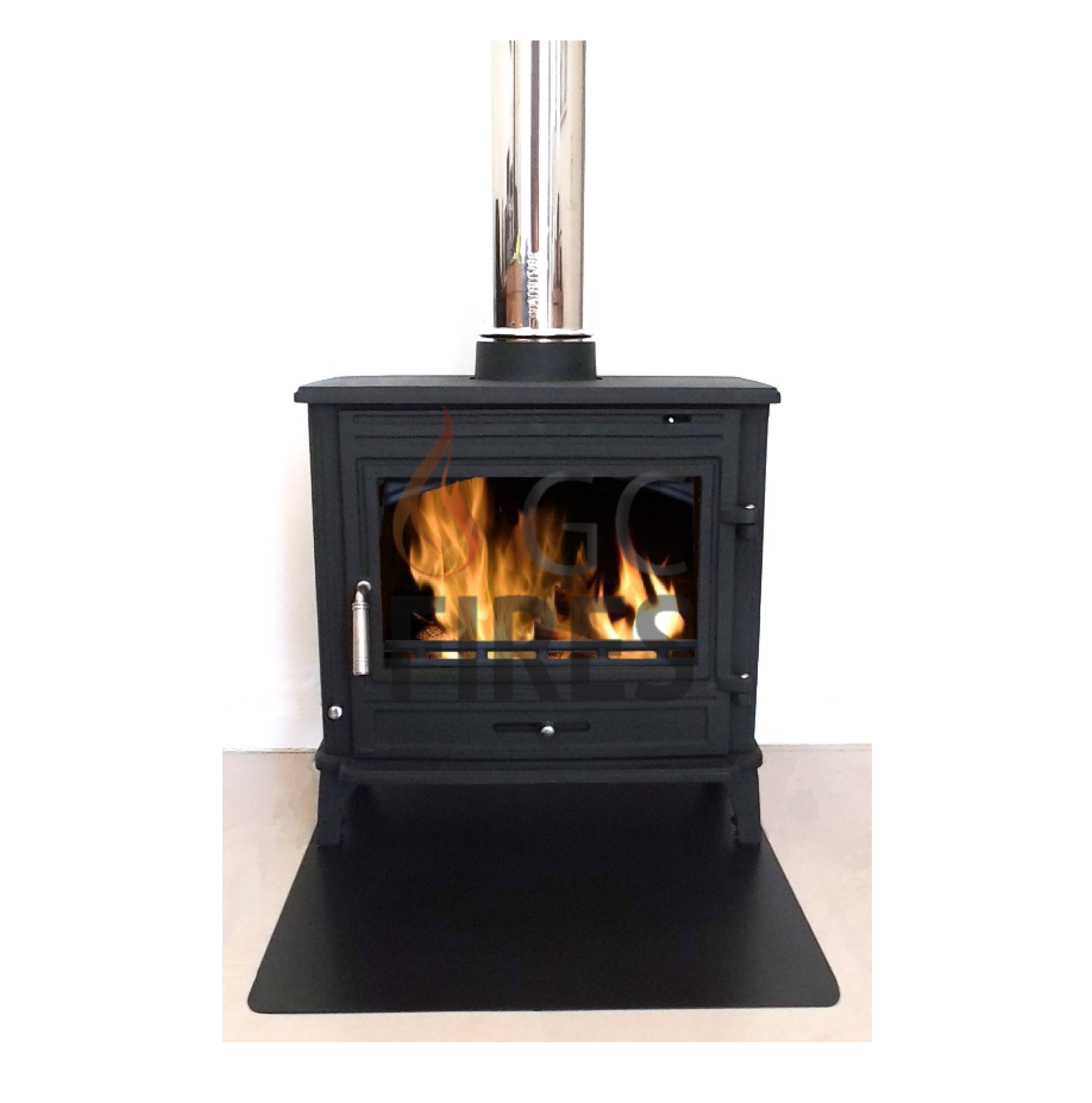
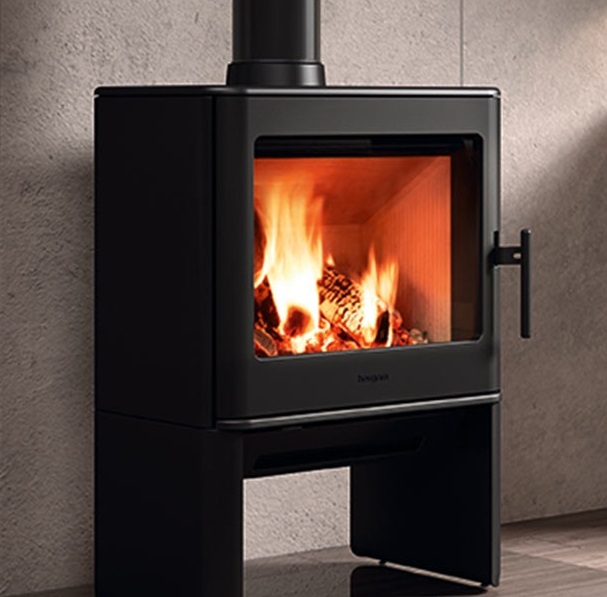
The K5 is a freestanding wood-burning fireplace designed for smaller rooms — typically spaces between 40 m² and 80 m². With an output in the 5–7 kW range, it’s ideal for a bedroom, study, or medium-sized lounge. The K5 features Kratki’s signature large ceramic glass viewing panel, giving you a wide, unobstructed view of the fire. Its compact footprint (typically around 450–500 mm wide) means it fits comfortably in rooms where a larger unit would dominate. Prices in South Africa typically start from around R9,500 to R13,000 depending on finish and configuration, excluding installation and flue.
Kratki K9 — Mid-Range Power and Presence
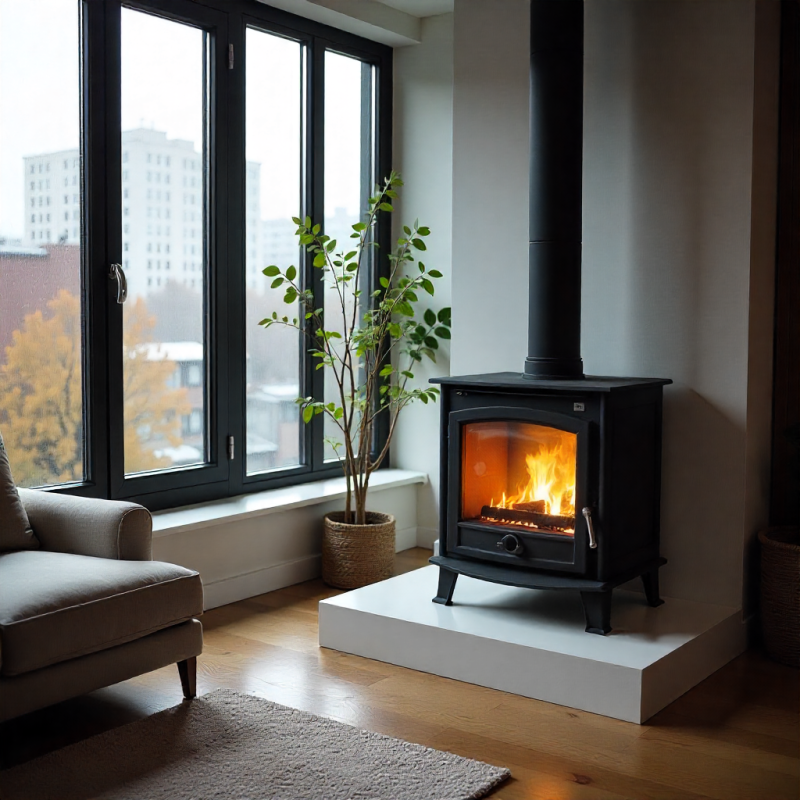
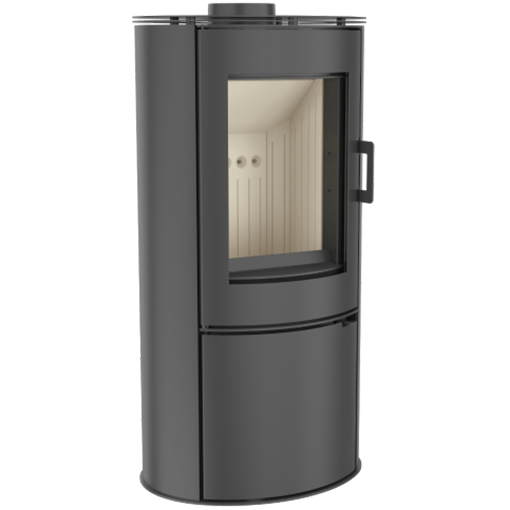
Step up to the K9 for larger living areas — open-plan spaces from 80 m² to 150 m² are well within its capabilities. Output sits in the 8–10 kW range, making it a genuinely effective primary heat source for a Cape Town winter. The K9 retains the same clean aesthetic as the K5 but with a wider firebox and a more substantial presence in the room. Expect to pay in the R14,000 to R20,000 range for the unit itself, with professional installation, a twin-wall insulated flue, and a suitable hearth adding to the total investment. For a detailed look at fireplace installation costs in South Africa, our cost guide walks through every component.
Kratki ABS — Built-In Cassette for Custom Installations
The ABS is Kratki’s built-in fireplace cassette, designed to be set into a wall cavity or custom surround. It’s the choice when you want a fireplace that integrates seamlessly with your architecture — flush with the wall, framed in stone, plaster, or tile. The ABS offers powerful output (typically 10–14 kW depending on configuration) and a wide panoramic glass panel that makes it a genuine focal point. Installed prices including custom surrounds range from R25,000 to R45,000+, depending on the complexity of the build. If you’re weighing this against a freestanding unit, our guide to freestanding vs built-in fireplaces will help you think through the trade-offs.
Why Kratki Works Well in South African Conditions
South African buyers have a few specific concerns that Kratki’s engineering addresses well:
Load-Shedding Resilience
A wood-burning fireplace needs no electricity to operate — no igniter, no blower (in most models), no Wi-Fi. When the grid goes down, a Kratki fireplace keeps burning. This is a genuine advantage in a country where load-shedding has reshaped how homeowners think about energy independence. A properly sized Kratki can heat the core living areas of a home through a Stage 6 blackout without interruption.
Coastal Durability
Homes along the Cape coastline and in areas like Hermanus, Gordon’s Bay, and Simonstown face salt-air corrosion that shortens the life of cheap imported appliances. Kratki units are built with high-grade steel and coated with heat-resistant paint that holds up in these conditions. For outdoor braai areas and flue systems in coastal zones, specifying 304 stainless steel components is essential — this is something our team at Fire Flame Installers factors in automatically during the installation design process.
Hardwood-Ready Fireboxes
South Africa’s most common firewood types — rooikrans, Port Jackson, and various hardwood species — burn hot and produce significant creosote if the firebox isn’t designed for them. Kratki’s robust cast-iron grates and refractory-lined combustion chambers handle dense hardwood well. The secondary air wash system keeps the glass clean even through long burns — a practical advantage that makes a real difference day to day.
How to Choose the Right Kratki Model
Choosing the right Kratki comes down to four factors: room volume, installation type, budget, and aesthetics. Here’s a simple framework:
- Room size under 80 m²: K5 or equivalent compact freestanding unit.
- Room size 80–150 m²: K9 or a larger freestanding cassette.
- Open-plan or architect-specified build: ABS built-in cassette with custom surround.
- Primary heat source for the whole home: Pair a high-output Kratki with a good quality insulated flue system and consider ducted heat distribution.
Before making a final decision, it’s worth reading our guide to choosing the right fireplace for your home — it covers sizing methodology, fuel types, and installation requirements in detail. You should also factor in current fireplace design trends if the aesthetic is important to your renovation or new-build project.
For the flue system, Kratki fireplaces perform best with a properly sized insulated twin-wall flue. A single-skin flue might save money upfront but leads to poor draw, condensation, and creosote build-up — the long-term cost is higher. Our team can spec the right flue for your Kratki unit. Browse our flue and flue system range to see what’s available, and read more on why insulated flues are worth the investment.
What Does a Kratki Fireplace Cost to Run?
Running cost depends almost entirely on the price and availability of firewood in your area. In the Western Cape, a cubic metre of quality hardwood (rooikrans, blue gum) runs roughly R700–R1,200 depending on supplier and delivery distance. A Kratki K9 burning 3–4 hours per evening through a Cape Town winter (June–August, approximately 90 evenings) will consume roughly 2–3 cubic metres of wood for the season — a total fuel cost of R1,400–R3,600. That’s substantially cheaper than electric heating at current Eskom rates, and the heat output is far superior to a panel heater.
For a side-by-side breakdown of wood versus gas running costs, our gas vs wood-burning fireplaces guide does the numbers in rands per season.
Installation: What to Expect
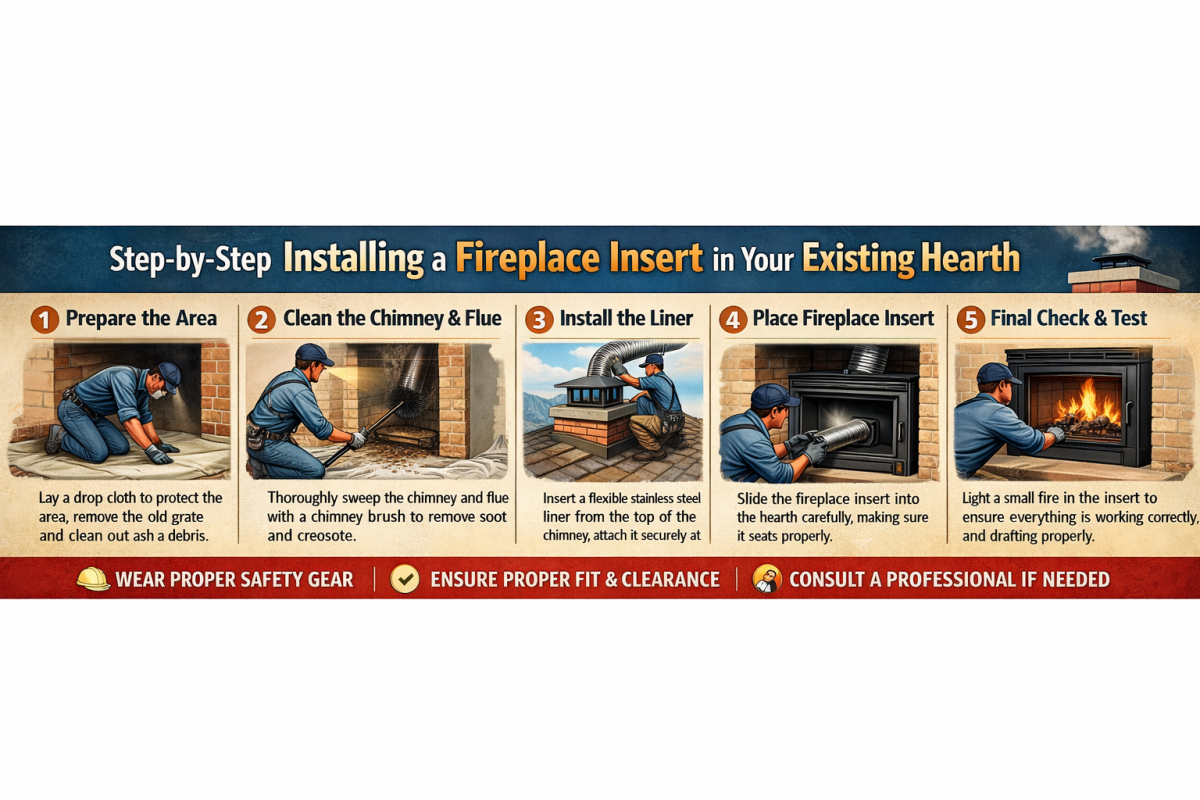
A Kratki freestanding fireplace installation typically takes one to two days. The process involves setting the hearth, running the flue through the ceiling and roof, sealing and weatherproofing the roof penetration, and connecting the fireplace to the flue collar. A built-in ABS cassette installation is more involved — framing the cavity, casting the surround, and ensuring the air circulation around the firebox is correct — and typically takes two to three days.
Fire Flame Installers handles the full scope: supply, delivery, flue specification, hearth construction, installation, and a burn-in to verify the draw. Our fireplace installation services cover Cape Town and surrounding areas including Stellenbosch, Somerset West, Franschhoek, and the Overberg. If you’re ready to move forward, request a free installation quote and our team will come back with a detailed scope and price within two working days.
Frequently Asked Questions About Kratki Fireplaces
Is Kratki a good brand for South Africa?
Yes. Kratki is a well-established European manufacturer with over 25 years of production experience. Their fireplaces use robust materials, carry CE certification, and are engineered for sustained high-temperature burning — all relevant qualities for South African hardwood. They are a step above entry-level imports in build quality and longevity.
How long does a Kratki fireplace last?
With correct installation and regular chimney maintenance, a Kratki fireplace should last 15–25 years. The main wear items are the firebricks, rope seals, and grate — all of which are serviceable and available as spare parts. Annual chimney sweeping and an annual inspection keep everything in good order.
Can I install a Kratki fireplace myself?
In South Africa, there is no formal legislative requirement mandating a licensed installer for a wood-burning fireplace (unlike gas appliances). However, an incorrectly installed fireplace or flue is a serious fire and carbon monoxide hazard. Roof penetrations need to meet fire separation distances from timber framing, and the flue must be sized correctly for the firebox. We strongly recommend professional installation — not only for safety but because most home insurance policies require it.
What size Kratki do I need for my lounge?
As a general rule, allow 1 kW of output per 10–12 m² of well-insulated floor space, and add 20–30% for older, draughtier homes. A 60 m² open-plan living/dining area needs around 5–7 kW — a K5 or similar. A 120 m² space needs 10–12 kW — the K9 or a larger cassette. Our installation team will do a proper heat-load calculation for your specific home before recommending a model.
Related reading
- Can You Install a Fireplace in an Existing Home? Yes — Here's How
- Combustion Fireplace Installation: How It Works, Costs & Compliance
- Need it done professionally? See our fireplace installation in Cape Town service.