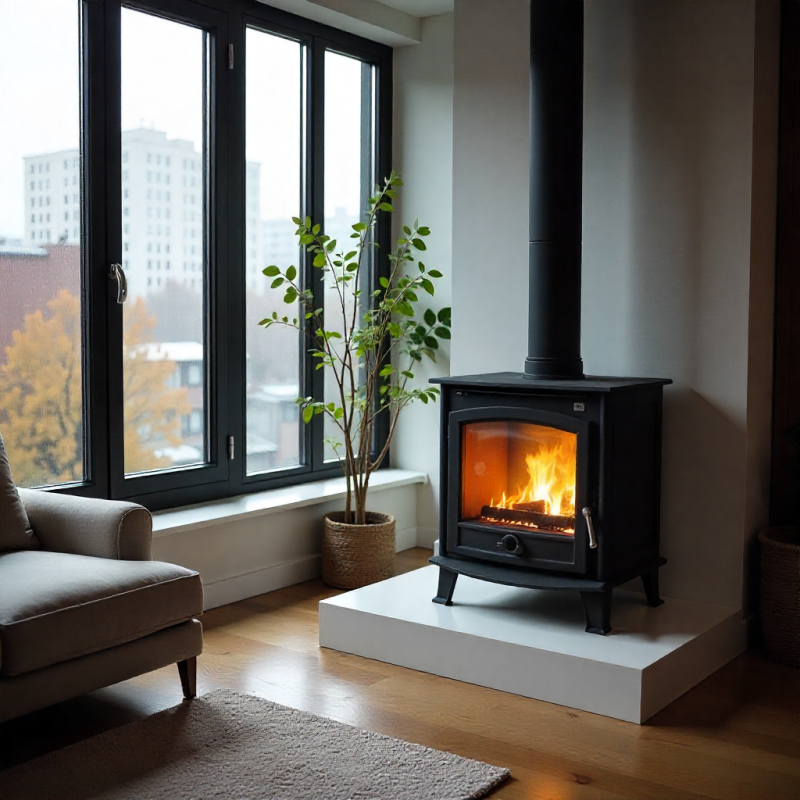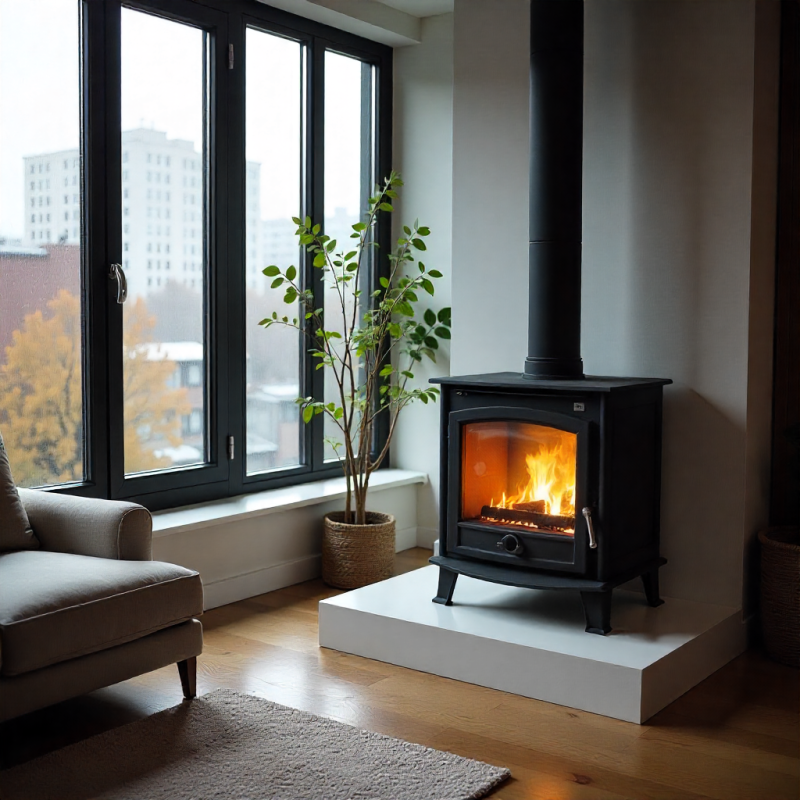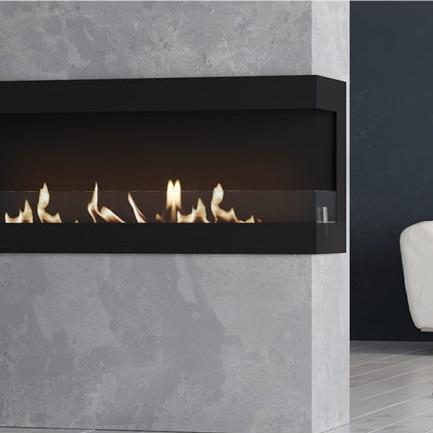

Cape Town winters are mild by global standards, but when that north-westerly rolls in and the temperature drops to single digits, you want heat — fast. A built-in gas fireplace gives you exactly that: push a button (or tap an app), and a clean, real flame fills the room in seconds. No kindling, no ash, no hauling wood through the living room. For busy households and design-conscious homeowners alike, it’s one of the most compelling gas fireplaces on the market today.
For South African LPG safety guidance, the Liquefied Petroleum Gas Association of South Africa is a useful reference.
This guide covers what built-in gas fireplaces actually are, why South African buyers are choosing them in growing numbers, what installation involves, and what you can expect to pay. If you’re still weighing up fuel types, our detailed comparison of gas vs wood-burning fireplaces breaks down the long-term running costs and lifestyle trade-offs side by side.
Recommended Gas Fireplaces by Budget
Browse our most popular gas fireplaces at every budget — live in-stock pricing, each linked to its product page for full specs.
Entry-level — under R24,000
- SAFire – Linear Built – in Gas Fireplace Black — R17,440
- SAFire – Baiona Freestanding Gas Fireplace — R17,995
- SAFire – See Through Linear Built – in Gas Fireplace Black — R18,950
- SAFire – Chanterie WallArt Wall – mounted Gas Fireplace — R18,995
Mid-range — R24,000–R41,000
- Chad – O – Chef – Classic fireplace — R24,300
- Chad – O – Chef – Double sided — R24,500
- SAFire – A.I. Emberglo WallArt — R24,995
- SAFire – Pureview WallArt — R24,995
Premium — R41,000 and up
- SAFire – Emberglo 700 Freestanding — R44,475
- Kratki – LEO 70 — R59,700
- SAfire Heeta Pureview 70 Wood Fireplace — R69,995
- SAfire Heeta Pureview 70 Double Sided Wood Fireplace — R79,995
Tell us what you need and we’ll send a free, no-obligation quote — fast.
Request a Free Fireplace Quote
What Is a Built-In Gas Fireplace?
A built-in gas fireplace is a sealed combustion unit designed to be set into a wall cavity or a purpose-built surround — flush with the wall or recessed behind a decorative frame. Unlike a freestanding gas heater that sits on legs in the corner, a built-in unit becomes part of the architecture: the logs, pebbles, or glass chips are enclosed behind a ceramic glass panel, the flame burns within a controlled firebox, and the heat radiates into the room through convection vents.
Most built-in gas fireplaces in South Africa run on LPG (liquefied petroleum gas) from a cylinder, typically mounted in an external gas cage. Some Cape Town homes on the Mossgas network can connect to piped natural gas, which is more economical per gigajoule and eliminates the hassle of refilling cylinders. Either way, the burner system and controls are the same — it’s just the supply that differs.
These units sit in a broader family of built-in fireplace inserts that also includes wood-burning closed combustion fireplaces. The mechanics differ, but the installation principle — fitted into masonry or a fabricated chase — is shared.
Why South African Homeowners Are Choosing Gas
The shift toward gas heating has accelerated in the past few years, and not just because of aesthetics. Several practical factors make built-in gas fireplaces particularly well-suited to South African conditions:
- Load-shedding resilience. A gas fireplace runs on its own fuel supply — Eskom outages are irrelevant. If you pair your unit with a battery-powered remote ignition (most modern models include this), you can light the fire during Stage 6 without needing mains power at all.
- No firewood logistics. In the Cape, well-seasoned hardwood is increasingly expensive — expect to pay R700–R1,200 per 35 kg bag of quality rooikrans or sekelbos. Gas burns at a consistent temperature and costs per hour of heat output are predictable.
- Clean combustion. Gas produces no soot, no creosote, and no ash. Your walls stay clean, your lungs thank you, and there’s no annual chimney sweeping required (though flueless models still need the room ventilated, and all flued models need an annual flue inspection).
- Instant on/off. You’re not committing to a three-hour burn cycle. Gas units reach full heat output within a minute or two, and you can dial them down or switch them off whenever you like — ideal for the Cape’s unpredictable shoulder-season weather.
- Coastal-grade materials. Quality gas fireplaces use 304-grade stainless steel for burner components, which resists the salt-air corrosion that attacks coastal properties in Sea Point, Hout Bay, Bloubergstrand, and similar areas.
Types of Built-In Gas Fireplaces
Not all built-in gas units look or perform the same. Here are the main formats you’ll encounter:
Linear / Landscape Gas Fireplaces
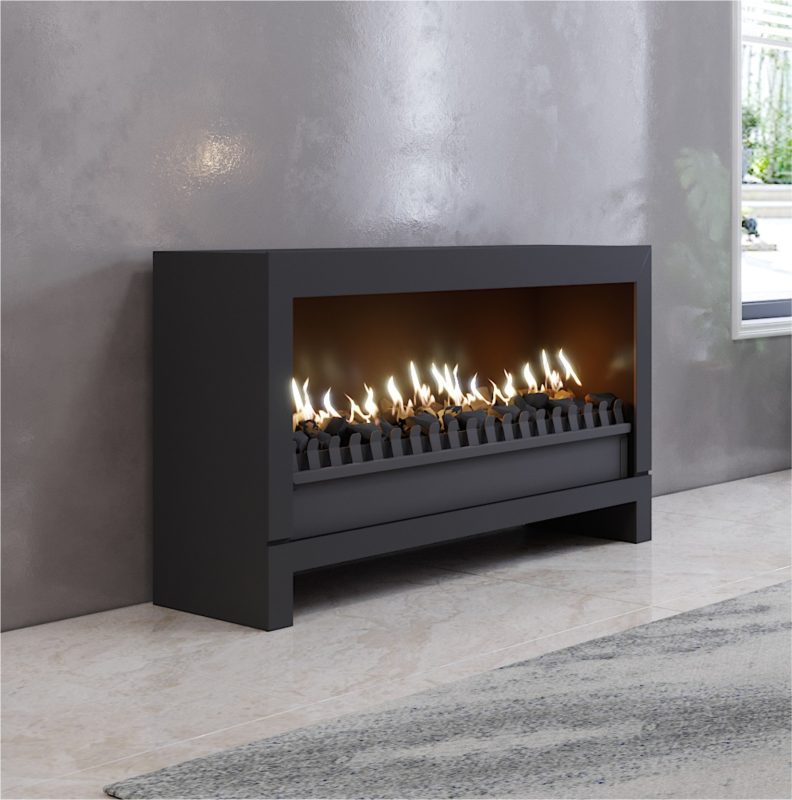
Wide, low-profile units — typically 900 mm to 1,500 mm across — designed for contemporary interiors. The panoramic flame views suit open-plan living rooms and feature walls. They’re the default choice for modern renovations and new builds where a clean, architectural aesthetic is the brief.
Traditional Arch or Log-Effect Gas Fireplaces
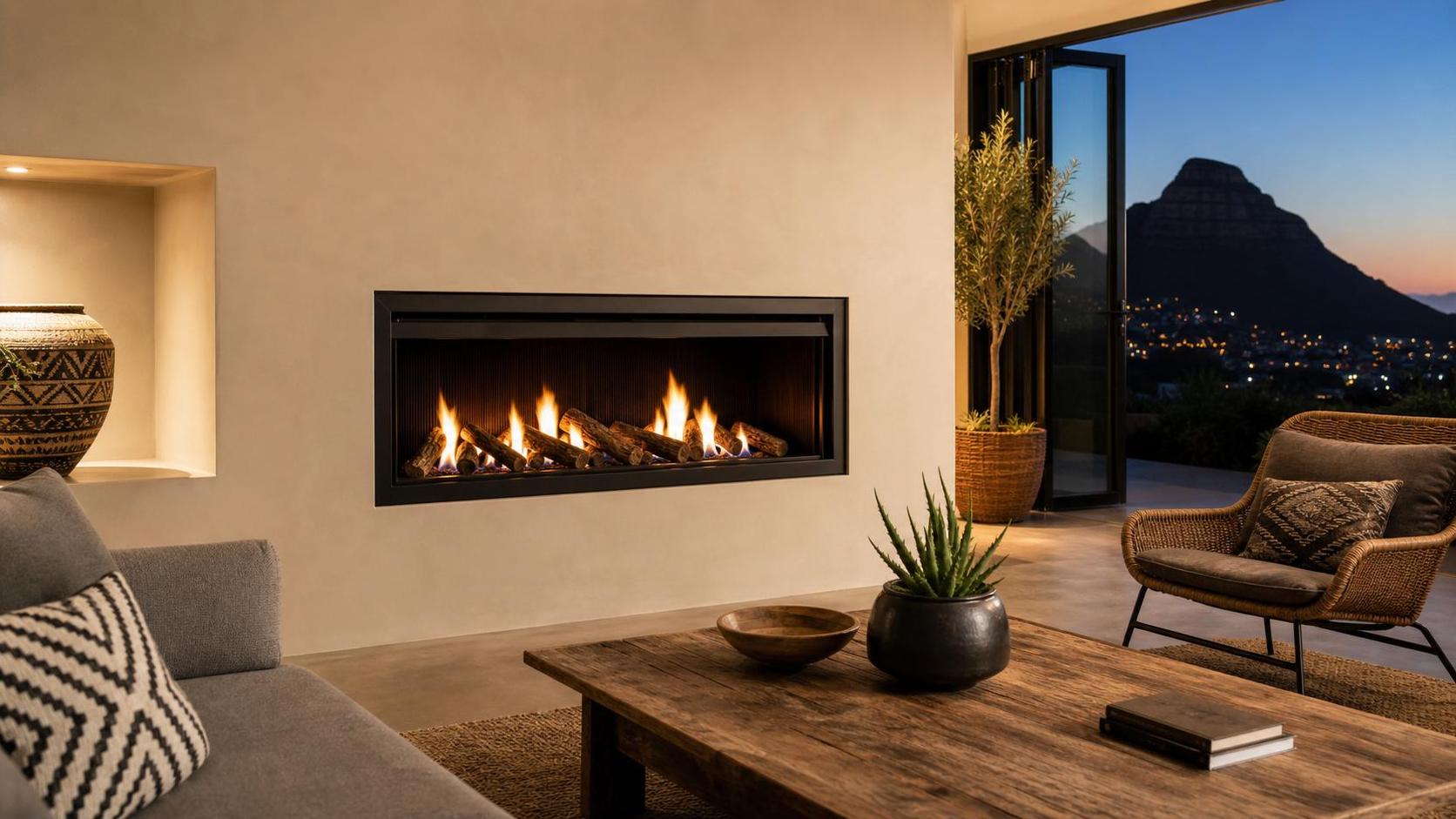
These replicate the look of a wood-burning fireplace, complete with ceramic logs and a glowing ember bed. If you’re updating an older home that already has a chimney breast and traditional alcoves, a log-effect built-in gas unit slips naturally into the existing aesthetic without a full remodel.
Double-Sided and See-Through Gas Fireplaces
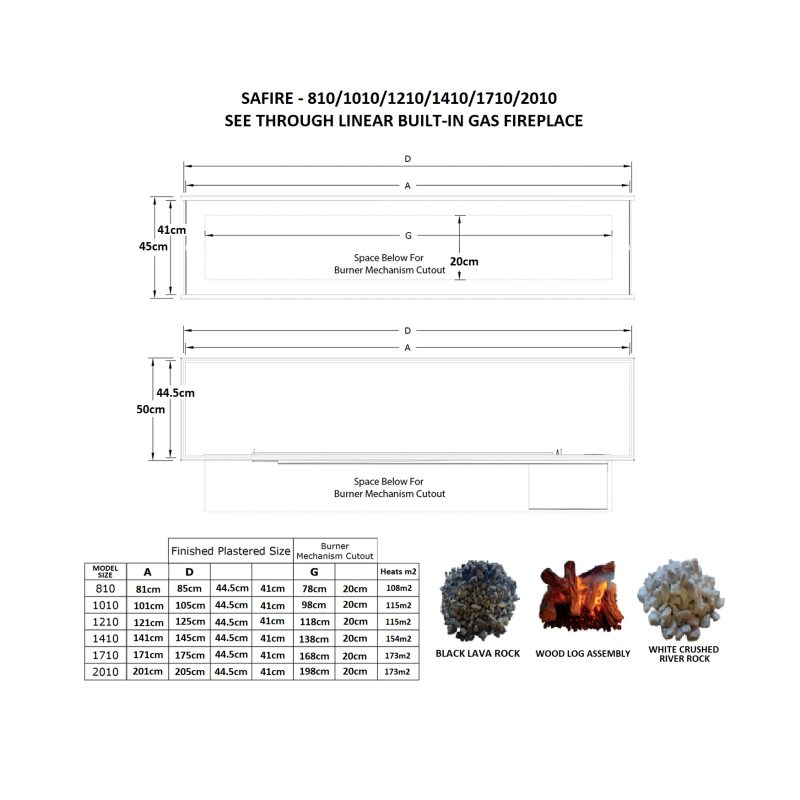
Built into a dividing wall between two rooms — say, a lounge and a study — a see-through unit heats both spaces simultaneously and creates a dramatic focal point from either side. Our double-sided fireplaces range includes gas models specifically engineered for shared-wall installations.
Wall-Mounted Gas Fireplaces
Technically a sub-category of built-in, wall-mounted units hang proud of the wall rather than sitting inside a cavity. They’re a good solution when chasing a deep recess isn’t feasible — for instance in a renovation where the wall structure limits how far back you can go. See our wall-mounted fireplaces for available gas models in this format.
What Does Installation Involve?
Installing a built-in gas fireplace is not a DIY project. In South Africa, all gas appliance installations must be carried out by a registered LP Gas installer and signed off with a Certificate of Compliance (CoC) — without one, your home insurance is at risk and a future sale will be complicated.
A typical installation involves:
- Wall preparation and cavity build. The installer (or a partnered builder) creates the recess to the manufacturer’s specified dimensions, including minimum clearances to combustible materials. Non-combustible board or masonry forms the surround.
- Flue or ventilation route. Flued gas fireplaces require a dedicated flue and flue system routed to the outside — either through the roof, up an existing chimney, or through an external wall via a balanced flue kit. Flueless (catalytic) models don’t need a flue but do require a permanently ventilated room and are limited to lower output ratings in South Africa.
- Gas line. A copper gas line is run from the external cylinder cage (or the mains connection point) to the firebox location. All joints are leak-tested before commissioning.
- Controls and finishing. Modern units include a thermostat, a remote, and in many cases Wi-Fi or app control. The surround, fascia, and hearth are fitted to your specification by the installer or your contractor.
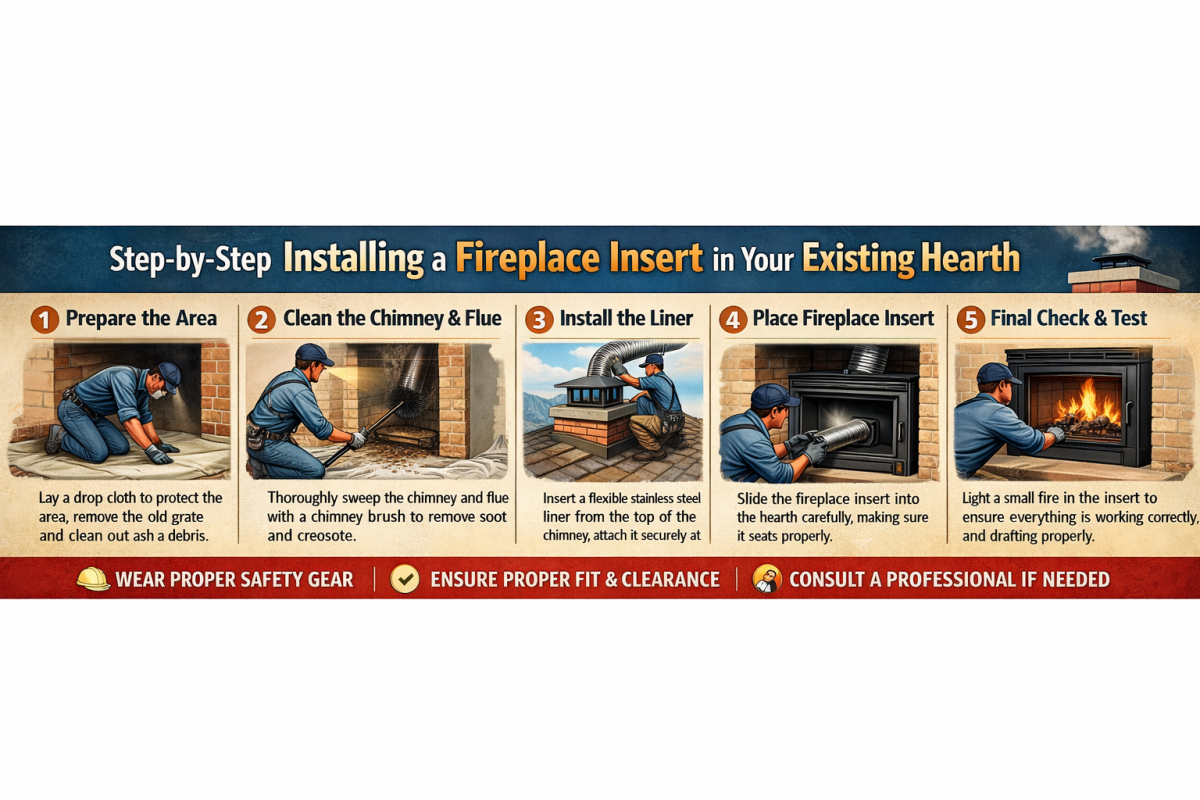
The whole process typically takes one to three days depending on how much structural work is required. For a full breakdown of what affects total spend, see our fireplace installation cost guide.
What Does a Built-In Gas Fireplace Cost in South Africa?
Prices vary considerably by brand, output, and format, but here’s a realistic range for the Cape Town market in 2026:
- Entry-level built-in gas fireplace (unit only): R8,000–R18,000
- Mid-range linear or log-effect unit: R18,000–R45,000
- Premium or bespoke units (large linear, double-sided): R45,000–R90,000+
- Installation labour and materials (flue, gas line, surround): R6,000–R20,000 depending on complexity
Running costs depend on how many hours per day you burn. A mid-size 8 kW gas unit burning LPG at roughly 0.6 kg/hour costs approximately R15–R25 per hour at current LPG prices (around R28–R35 per kg). For a household burning the fireplace 3–4 hours on winter evenings, that’s R1,500–R2,500 per month in fuel — broadly similar to running an inverter air conditioner, but with a far more pleasant atmosphere.
To compare how freestanding gas options stack up on cost and practicality, our guide to freestanding vs built-in fireplaces covers the trade-offs in detail.
Frequently Asked Questions
Do built-in gas fireplaces need a chimney?
Not necessarily. Flued models require a dedicated flue pipe routed to the outside — this can go vertically through the roof or horizontally through an external wall via a balanced flue (the most common retrofit option). Flueless (catalytic) models don’t require a flue but must be installed in a room with adequate permanent ventilation and are limited to outputs under 5 kW in most residential applications. Your installer will advise which type suits your room configuration.
Can I use a built-in gas fireplace during load-shedding?
Yes — the flame itself runs entirely on gas and does not need mains power. The electronic ignition on most modern units is battery-operated, so you can light it during an outage. Some units with Wi-Fi controls and LED displays will lose those features during load-shedding, but basic on/off and thermostat functions remain available via the handheld remote.
Is a Certificate of Compliance (CoC) required?
Yes. All LP gas installations in South Africa must be done by a registered installer and issued with a CoC under SANS 10087. The certificate is a legal requirement and is typically requested by insurers and property conveyancers when you sell. Never accept an installation without one.
How often does a gas fireplace need servicing?
Most manufacturers recommend an annual service. This involves checking the burner, inspecting the gas line connections for leaks, cleaning the ceramic logs or pebbles, and — on flued models — inspecting the flue for blockages or deterioration. Annual servicing keeps the CoC valid and the warranty intact.
Ready to Install?
A built-in gas fireplace is one of those upgrades that genuinely changes how you use a room. If you’re ready to explore what’s possible in your home — or just want an honest quote before committing — our professional fireplace installation team covers Cape Town and the surrounding areas. Request a free installation quote and we’ll come out, assess your space, and walk you through the options that make sense for your home and your budget.