
Old Fireplace Not Cutting It? Here’s Why a Modern Stove Changes Everything
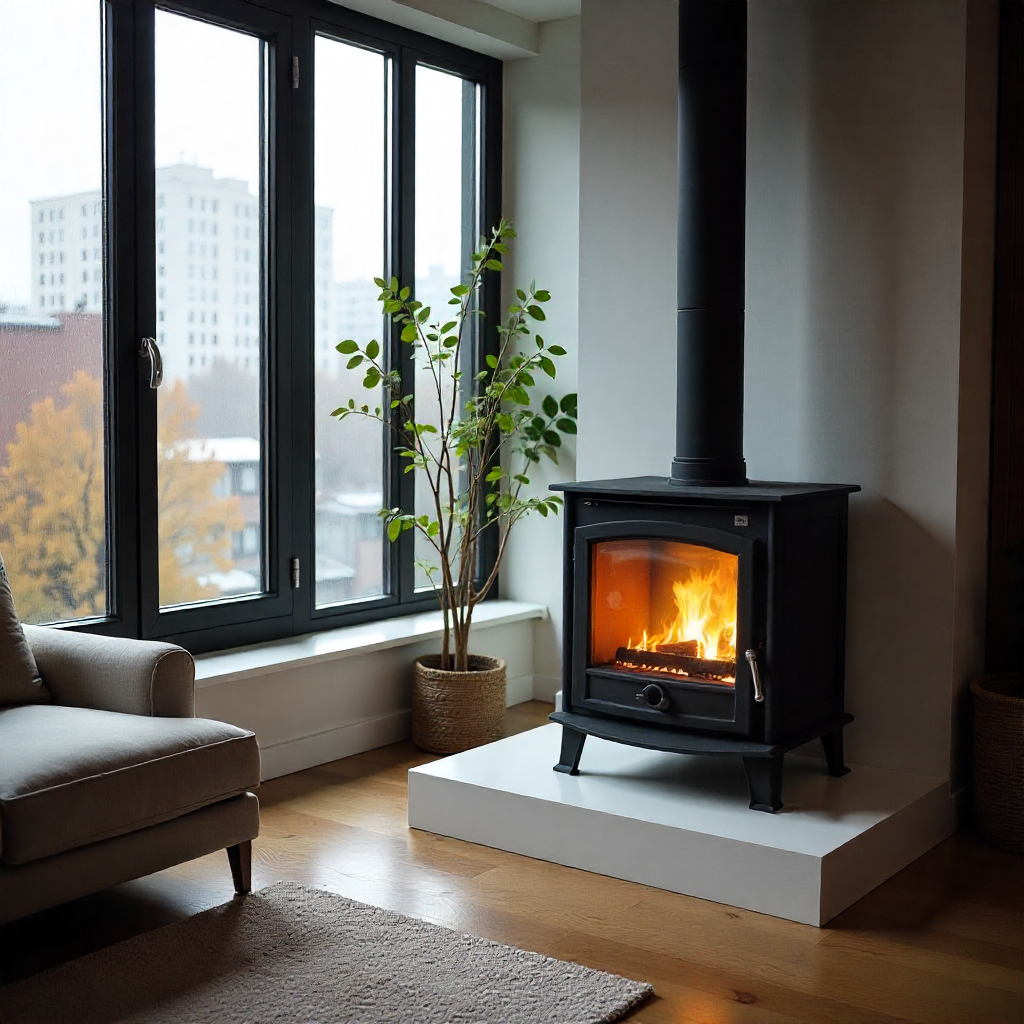
A modern stove beats an old open fireplace on every front — efficiency, looks, and load-shedding resilience. Here’s how to choose the right one for your home.
A modern stove does something an old open fireplace simply can’t: it heats your home efficiently, burns cleaner, and keeps working when the power is out. That’s a combination South African homeowners are paying close attention to — especially through winter, when load-shedding and cold nights arrive together. Whether you’re heating a Cape Town semi-detached or an open-plan Johannesburg lounge, freestanding wood-burning fireplaces in contemporary designs have become one of the most practical upgrades a home can have.

This guide breaks down what to look for, what different designs cost, and what you’ll need to install one properly.
What Is a Modern Stove?
The term “modern stove” describes a closed-combustion freestanding wood-burning stove with a contemporary aesthetic — think clean lines, minimal ornamentation, panoramic glass doors that let you watch the flame, and a slim flue pipe that routes through the ceiling or wall. Unlike a traditional open fireplace, a modern stove has a sealed combustion chamber that controls airflow precisely, pushing efficiency up to 70–80% compared to as low as 20–25% for an open fire.
When deciding between a freestanding and a recessed model, it helps to read up on choosing between freestanding and built-in fireplaces — both have genuine advantages depending on your space and renovation budget.
Modern stoves need no electricity. They burn wood, they radiate heat, and they work at Stage 6 load-shedding just as well as Stage 0. That’s no small thing in South Africa right now.
5 Modern Stove Design Styles Available Locally
The modern stove market has moved well beyond the black cast-iron box of decades past. Today’s designs fall into five broad categories:
- Rectangular steel stoves — the most versatile shape; fits into alcoves and corners; clean Scandinavian lines; popular brands include Kratki, Morso, and Dovre.
- Cylindrical / torpedo stoves — a near-360° panoramic view of the flame; works well as a room centrepiece in open-plan homes; Kratki’s cylindrical range sells well locally.
- Pedestal stoves — raised on a slim leg or column; useful where floor space is tight and you want heat radiating at seated height.
- Corner stoves — designed to sit diagonally in a corner; makes use of dead wall space without sacrificing floor area.
- Panoramic glass-front stoves — a wall-adjacent style that maximises the flame view while sitting flush on a low plinth; increasingly popular in contemporary Cape Town interiors.
If you want to see what’s shaping the market right now, the latest fireplace design trends show a clear move toward matte black finishes, slim flue systems, and floor-to-ceiling glass — all of which suit the contemporary modern stove aesthetic well.
Heat Output: What Size Modern Stove Do You Need?
This is where buyers most commonly go wrong — either underbuying (a 5kW stove trying to heat a 60m² open-plan space) or overbuying (a 15kW unit in a small study). A rough guide for South African homes:
- 4–6 kW — small bedroom or home office, up to 25m²
- 7–10 kW — standard lounge or dining room, 30–50m²
- 10–14 kW — open-plan living area, 50–80m²
- 15 kW+ — large open-plan or double-volume rooms, 80m² and up
These figures assume a normally insulated home. Older Cape Town properties with draughty sash windows or high ceilings typically need a stove one size up from the basic calculation. To compare specific models and output specs, browse our full fireplace collection — every product page includes heat output ratings.
One upgrade worth considering if you need to heat two connected rooms is a double-sided fireplace, which lets a single fire serve a lounge and dining room simultaneously.
Modern Stove vs Old Open Fireplace: The Efficiency Gap
The efficiency difference is not incremental — it’s dramatic. An open fireplace draws large amounts of cold room air to feed combustion, and most of the heat rises straight up the chimney. On a cold Cape Town night, an open fire can actually make a room colder near the edges while the area directly in front of it is warm.
A modern stove solves this through:
- Controlled primary and secondary air inlets — you regulate exactly how fast and hot the fire burns
- Secondary combustion — unburnt gases are reburnt before leaving the firebox, extracting more heat from each log
- Radiant + convective heat output — the steel casing radiates heat in all directions while convection currents push warm air through the room
- Lower wood consumption — because combustion is more complete, you typically burn 30–40% less wood for the same heat output
That running cost advantage compounds significantly across a full Cape Town winter season.
What Does a Modern Stove Cost in South Africa?
Prices vary depending on brand, output, and design complexity. As a practical guide for 2026:
- R8,000–R14,000 — entry-level models, typically 5–7 kW, basic steel construction, functional but less design-focused; suitable for smaller rooms or buyers on a tighter budget
- R15,000–R28,000 — mid-range sweet spot; established European brands like Kratki and Northern Flame; better glass quality, longer warranties, higher build finish
- R30,000–R55,000+ — premium imports (Morso, Dovre, Godin); exceptional efficiency ratings, designer aesthetics, and significantly longer lifespans; the better investment over 10+ years
Installation adds R4,000–R15,000 on top depending on flue length, ceiling height, and whether a new hearth is required. The fireplace installation cost guide covers the full material and labour breakdown in detail.
Installation: What South African Homes Need
Installing a modern stove involves more than setting it on the floor and connecting a pipe. There are specific requirements that apply to South African homes:
- Flue system — a twin-wall insulated flue pipe routes from the stove collar up through the ceiling and above the roof ridge. Minimum height above the roof apex is regulated for draught performance and fire safety.
- Hearth — a non-combustible hearth (tile, slate, or fibre cement board) of at least 300mm in front of and 150mm on either side of the stove is required.
- Clearances — minimum distances from combustible walls and furniture must be maintained. For steel stoves, 300–500mm is typical, though this varies by model.
- Certificate of Compliance (CoC) — a registered installer must certify the work. Without a CoC, your home insurer may refuse a fire-related claim, and it affects your property’s resale value.
- Coastal considerations — salt-laden air accelerates corrosion of inferior flue systems. For any installation within 20km of the Cape Town coastline, specify 304-grade stainless steel flue as a minimum.
For both built-in fireplaces and freestanding modern stoves, professional installation is essential to hold both your CoC and your product warranty. Our team provides expert fireplace installation across Cape Town, handling flue specification, hearth construction, and the compliance certificate from start to finish.
Frequently Asked Questions About Modern Stoves
Can I install a modern stove in an existing fireplace opening?
Yes — many freestanding stoves sit in front of or partially inside an existing fireplace opening. The existing chimney can be used as the flue route, provided it’s lined with a flexible stainless steel insert. This is one of the more cost-effective installation options for homes that already have a chimney breast.
What wood should I burn in a modern stove?
Hardwoods are best: rooikrans, sekelbos, and well-seasoned kiaat produce long, hot burns and minimal creosote. Avoid pine and other softwoods — they burn fast, smoke heavily, and leave resin deposits in the flue. Wood should be seasoned for at least 12 months and have a moisture content below 20%.
How often does a modern stove need to be serviced?
The flue should be swept at least once a year, ideally before winter. Glass rope seals and door gaskets should be inspected annually and replaced every 3–5 years. The firebox itself requires little maintenance beyond ash removal. A well-installed European-brand stove can last 20–30 years with basic care.
Does a modern stove need electricity to run?
No — and that’s one of its most important advantages in South Africa. A wood-burning modern stove requires no blower, no igniter, and no thermostat. It produces heat through any stage of load-shedding. Some premium models include an optional electric fan for improved heat distribution, but these are supplementary, not essential.
Finding the Right Modern Stove for Your Home
Choosing well starts with the room size, your budget for both the unit and installation, and the aesthetic you’re after. If you’re still working out which direction to go, our guide to how to choose the perfect fireplace covers freestanding, built-in, and gas options side by side — a useful read before you commit.
When you’re ready to move from browsing to buying, get a free fireplace installation quote from our Cape Town team. We’ll assess your space, recommend the right output and design for your home, and handle everything from supply through to your CoC.
Related reading
- Can You Install a Fireplace in an Existing Home? Yes — Here's How
- Combustion Fireplace Installation: How It Works, Costs & Compliance
- Need it done professionally? See our fireplace installation in Cape Town service.
Planning this kind of work?
Call or WhatsApp with your suburb and photographs. Fire Flames can discuss your fireplace, braai or home project and quote.
Get A Quote →