
Hydro Fires in South Africa: Types, Sizes & How to Choose the Right One
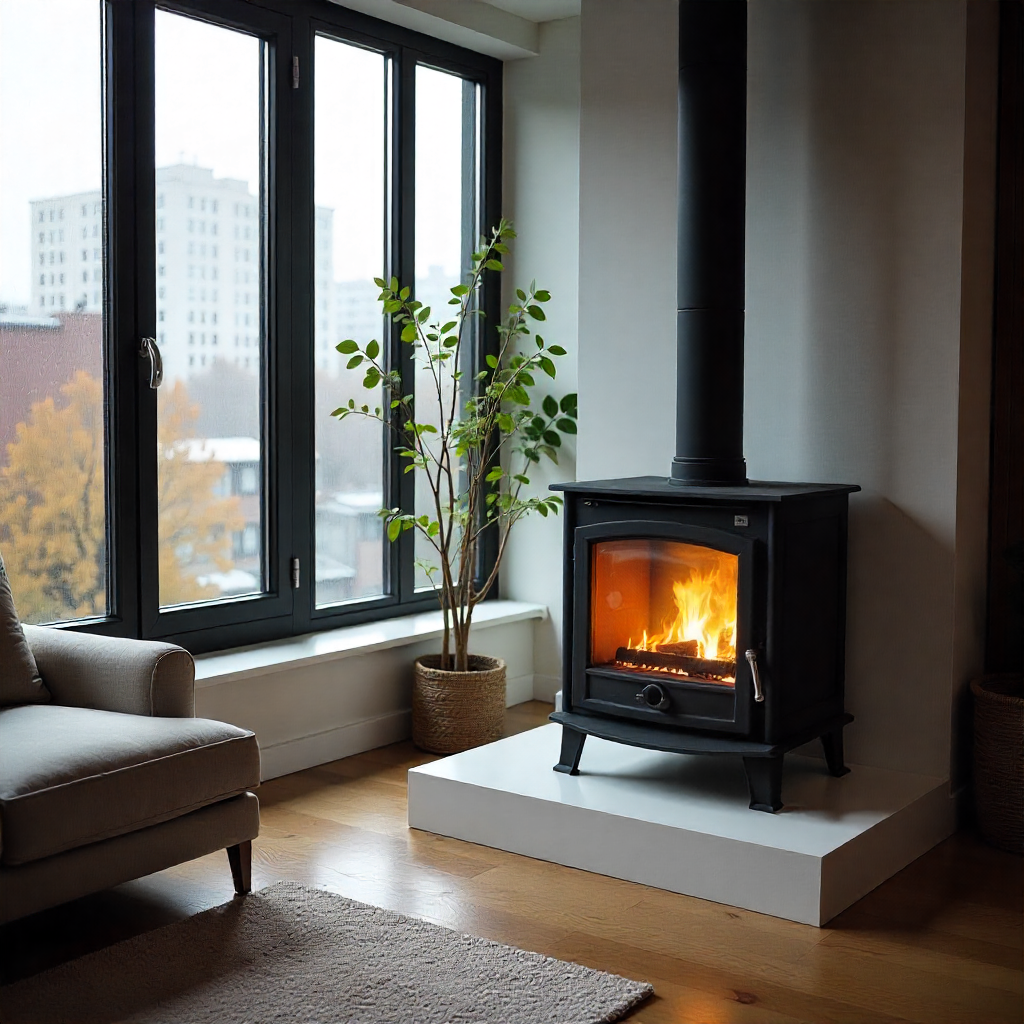
Everything you need to know about hydro fires in South Africa: types, sizes, kW ratings and 2026 Rand prices. Find the right hydro fire for your home with this complete buyer's guide.
Hydrofire fireplaces are a practical starting point for South African buyers who want efficient wood heat without guessing on size or flue design. South African winters have a way of focusing the mind on heating options, and few searches are more consistent than people looking for a hydro fire. Hydrofire is one of South Africa’s best-known manufacturers of closed combustion wood-burning fireplaces — units built locally, stocked by dealers across the country, and designed for the specific demands of the SA climate. If you’re browsing our range of fireplaces and weighing up whether a hydro fire is right for your home, this guide covers every decision you’ll need to make: types, sizes, output ratings, realistic Rand prices, and what separates a quality unit from one you’ll regret.
For brand background and model context, see the official Hydrofire website as well as installer advice.
What Is a Hydro Fire?
In South African usage, “hydro fire” refers to the Hydrofire brand — a local manufacturer that has produced wood-burning closed combustion fireplaces for decades. The name can cause confusion: these are not water-based or vapour units. They are genuine sealed-chamber wood-burning fireplaces with a ceramic glass viewing panel, controlled air vents, and a flue system that safely removes combustion gases from your living space.
Closed combustion means the firebox is sealed from the room. You control the burn rate (and therefore heat output) via adjustable primary and secondary air vents rather than poking and prodding an open fire. The result is significantly higher efficiency — typically 75–82% — compared to 10–20% for a traditional open fireplace. More of your wood becomes heat in the room; less vanishes up the chimney.
Because hydro fires run entirely on wood, they are completely electricity-independent. During load-shedding, they keep burning without interruption — a practical advantage that has driven strong demand across the Western Cape and nationally.
Types of Hydro Fires Available in South Africa
Freestanding Hydro Fires
The most popular format. Freestanding units sit on legs or a cast base, connect to a flue pipe that exits through the ceiling or an exterior wall, and can be positioned anywhere in a room — provided you maintain the required clearances to combustible materials. They suit older homes where fitting a built-in surround involves major structural work, rental properties where tenants want minimal permanent changes, and anyone who prefers a unit they could potentially move. Browse the freestanding fireplace range to see the sizes and styles currently available.
Built-in and Insert Hydro Fires
Built-in units are recessed into a masonry opening or a custom-framed housing, flush with the wall. They produce a cleaner, more architectural look — very much in line with 2026 fireplace design trends that favour integrated, low-profile heating. Insert models slot into an existing open fireplace opening, converting a draughty, inefficient traditional hearth into an efficient closed combustion unit. If you’re unsure which format suits your home, the guide on freestanding vs built-in fireplaces covers the structural and aesthetic trade-offs in detail.
Double-Sided Hydro Fires
A smaller part of the Hydrofire range but architecturally dramatic: double-sided (see-through) units are visible from two rooms simultaneously — typically a lounge and dining area or an open-plan kitchen. They require careful pre-planning — the structural opening, flue routing, and two-room clearances all need a professional eye before you commit. These are not a casual upgrade; they’re a considered architectural feature.
Hydro Fire Sizes: How Many kW Do You Actually Need?
Hydrofire units are available in output ratings from around 6 kW up to 20+ kW. Getting this right matters more than most buyers realise: an undersized unit will burn flat-out all evening just to take the edge off a large room; an oversized one will force you to constantly choke the vents to avoid overheating, which leads to incomplete combustion, creosote build-up, and more frequent chimney cleaning.
A practical guide for well-insulated South African homes:
- 6–8 kW: Rooms up to about 40 m² — a bedroom, study, or small open-plan. These compact units are the most affordable and simplest to install.
- 9–12 kW: Medium open-plan spaces of 40–80 m². This range covers the typical SA family lounge and accounts for the majority of sales. It’s the sweet spot for performance, price, and installation simplicity.
- 13–16 kW: Large open-plan areas of 80–120 m², including lounge-dining-kitchen combinations with partial connections to adjacent spaces.
- 17 kW+: Double-volume rooms, very large open plans, or homes in colder interior regions — the Highveld, the Winelands, or the Garden Route highlands where sustained winter temperatures demand serious output.
In Cape Town and along the coast, a 9–12 kW unit handles a medium family home comfortably through a typical Western Cape winter. If your home is double-volume or poorly insulated, size up. One additional consideration for coastal properties: specify 304 stainless steel flue components. The salt-laden sea air corrodes mild steel within a few seasons, while 304-grade stainless holds up for a decade or more without surface degradation.
For a deeper look at sizing, ceiling height adjustments, and heat loss factors, read our guide on choosing the right fireplace for your home.
Hydro Fire Prices in South Africa (2026)
Unit pricing varies by model, dealer margin, and any regional delivery costs. Here’s a realistic bracket for the current SA market:
- Compact freestanding (6–8 kW): R8,000 – R14,000 for the unit
- Mid-range freestanding (9–12 kW): R14,000 – R22,000
- Large freestanding (13–16 kW): R22,000 – R32,000
- Double-sided or premium built-in models: R30,000 – R55,000+
These are unit-only prices. Installation adds R4,000 to R10,000 or more, depending on the complexity of your flue run — a straight short run through a single-storey tiled roof sits at the low end, while a long lateral run, a multi-storey penetration, or masonry work pushes the cost higher. Our fireplace installation cost guide breaks down exactly what drives the price and where you can reasonably save without cutting corners on safety.
What to Look for When Choosing a Hydro Fire
1. Combustion efficiency rating
Look for a declared efficiency of at least 70–75%. A higher-efficiency unit means more heat per kilogram of wood, lower monthly firewood spend, and less creosote deposited in the flue. Modern closed combustion hydro fires typically rate between 75% and 82%.
2. Air-wash system quality
A properly designed air-wash system directs a curtain of air across the inside of the glass to keep it clear during normal operation. Ask to see the unit lit in a showroom and watch how quickly the glass fogs. Poor air-wash means a permanently sooty window and a less enjoyable fire — it’s a sign of compromised engineering elsewhere too.
3. Firebox volume and log length
A larger firebox accepts longer logs and holds a bigger charge of wood, which means longer burns between refuelling. In a small bedroom unit this is less critical; in a large lounge where you’re managing a fire through a six-hour winter evening, a firebox you can load properly makes a significant quality-of-life difference.
4. Flue collar size and exit direction
Before you fall in love with a unit aesthetically, confirm whether the flue exits from the top or the rear and what diameter collar it uses. This controls your flue routing options and may rule out certain positions in the room. Your installer should assess this alongside the unit selection, not after. Pairing the right unit with the right flue system is as important as the fireplace itself.
5. Spares and service availability
Hydrofire is locally manufactured with a good dealer network, which means door seals, ceramic glass panels, and firebricks are generally available when you need them. This is worth weighing against cheaper imported units that can become expensive ornaments when a seal wears out and the parts simply aren’t available in SA.
If you’re also considering a gas unit, our gas vs wood-burning fireplaces guide compares running costs, convenience, and installation requirements side by side — useful if you haven’t fully committed to wood.
Hydro Fire Installation: What It Involves
A hydro fire installation is not a DIY project. The unit itself is straightforward enough, but the flue system requires correct sizing, proper fire-rated ceiling and wall penetrations, a suitable cowl to prevent downdraft, and compliance with any local air quality bylaws (the Cape Town municipality has specific rules about smoke emissions).
A typical installation covers:
- Site assessment — flue routing, structural constraints, clearances
- Hearth or base preparation if needed
- Fitting the built-in fireplace surround or positioning the freestanding unit
- Installing flue pipe sections with fire-rated components through ceilings and roof
- Fitting the cowl or rain cap
- Test fire, draught check, and operational handover
Our professional fireplace installation services handle every step — from the initial site visit through to the test fire — so you don’t need to coordinate multiple trades or second-guess the flue specification yourself.
Frequently Asked Questions About Hydro Fires
Do hydro fires need electricity to operate?
No. Hydro fires run entirely on wood combustion — no electricity required. This is one of their most practical advantages in South Africa: during load-shedding, your fire keeps burning without interruption. The only exception is if you fit an optional blower fan kit to circulate warm air more actively, which draws a small amount of power from a wall plug.
What wood should I burn in a hydro fire?
Dry, well-seasoned hardwood with a moisture content below 20% gives the best results. In the Western Cape, rooikrans (an invasive acacia species) and Blue Gum are widely available, affordable, and burn hot with a long, consistent flame. Avoid green or freshly cut wood — it burns cool, produces excessive smoke, and deposits creosote in the flue significantly faster than dry wood does.
How often does a hydro fire need servicing?
At minimum, have your flue swept and inspected annually — before the start of each winter season is ideal. The combustion chamber, door seals, and air vents should also be checked at the same time. A certified chimney sweep will spot creosote build-up and any component wear before it becomes a safety issue. Door seals on most units need replacing every three to five years depending on usage.
Can a hydro fire be installed in a flat or apartment?
Flue penetration through a shared roof or external wall in a sectional title building requires body corporate approval and, in most cases, a structural engineer’s sign-off. It’s possible but not straightforward. If your building won’t allow a wet flue penetration, a gas fireplace (which can use a much slimmer balanced-flue system through an exterior wall) may be the more practical alternative for your situation.
Ready to find the right hydro fire for your home? Browse our full fireplace collection or request a free installation quote and our team will assess your space, recommend the correct unit and flue configuration, and give you a clear price before any work begins.
Related reading
- Can You Install a Fireplace in an Existing Home? Yes — Here's How
- Combustion Fireplace Installation: How It Works, Costs & Compliance
- Need it done professionally? See our fireplace installation in Cape Town service.
Planning this kind of work?
Call or WhatsApp with your suburb and photographs. Fire Flames can discuss your fireplace, braai or home project and quote.
Get A Quote →