
Which Indoor Fire Stove Is Right for Your Home? Heat, Size and Cost Compared
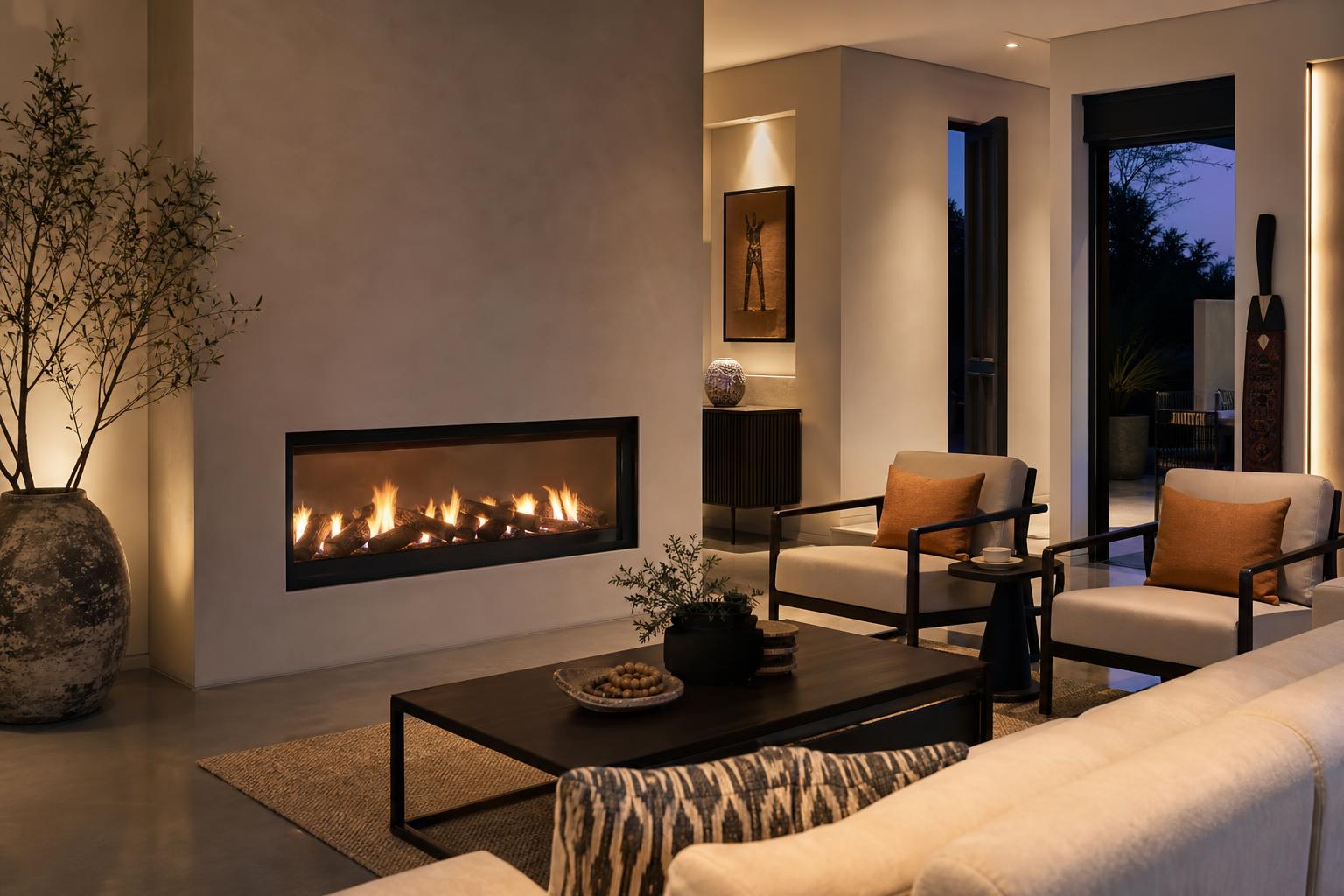
Not all indoor fire stoves heat the same way. Here's how the five main types compare on output, installation cost and load-shedding performance — so you pick the right one the first time.
A fire stove indoor setup transforms a cold room into the warmest spot in the house — but only if you choose the right type for your space, fuel preference and budget. South African buyers face a wider range of choices than most: closed-combustion wood stoves, gas freestanding units, insert conversions and double-sided models are all available locally, and the price range runs from under R8 000 to well over R80 000 installed.
This guide walks you through the five main categories of indoor fire stoves, what each type costs locally, how to match output to your room size, and what installation actually involves — so you spend confidently the first time.

The 5 Types of Indoor Fire Stove and What Sets Them Apart
Not every stove suits every home. Here’s a clear map of the five core types you’ll encounter at South African showrooms.
1. Freestanding Closed-Combustion Wood Stoves
The most popular category for serious winter heating. A freestanding closed-combustion stove burns wood in a sealed firebox, using controlled primary and secondary air to extract maximum heat from each log. Efficiencies run 70–82%, compared with 20–30% for an open fireplace. Models from Hydrofire, Dovre and Morsø sit on legs or a plinth and can be positioned anywhere a flue can be run — not just against a wall. They’re the go-to choice for Western Cape winters.
Best for: Homeowners who want whole-room heat and a unit that works perfectly during load-shedding.
Installed price range: R15 000–R65 000 depending on output (kW) and brand.
2. Freestanding Gas Fire Stoves
Gas models look identical to their wood-burning counterparts but run on LPG or natural gas. They start with a switch, produce no ash and need minimal maintenance. The trade-off is ongoing gas cost and supply dependency. That said, gas freestanding units are growing in popularity in Cape Town apartments where firewood storage is impractical — and they deliver instant heat the moment load-shedding begins, provided your LPG cylinder isn’t empty.
Best for: Urban apartments, homes without outdoor wood-storage space, buyers who prioritise convenience.
Installed price range: R18 000–R70 000.
3. Wood-Burning Insert Stoves
If your home already has an open fireplace, an insert stove slots directly into the existing opening and connects to the chimney via a steel flue liner. You get the look of a traditional fireplace with closed-combustion efficiency. European manufacturers like Morsø produce insert models sized to South African-standard openings, though a professional flue assessment is recommended before purchase to confirm compatibility.
Best for: Heritage homes with existing chimneys; buyers who want the classic fireplace aesthetic without sacrificing heat output.
Installed price range: R20 000–R55 000 (flue liner included).
4. Double-Sided Freestanding Stoves
These units have a glass firebox visible from two sides — ideal for open-plan layouts where one fire needs to warm adjacent living and dining areas. They cost more than single-sided models and require careful flue positioning, but heating two rooms from one fire makes them excellent long-term value. See our overview of built-in double-sided fireplace options if you’re weighing a double-sided format for a new build or renovation.
Best for: Open-plan homes, new builds where central positioning is possible.
Installed price range: R35 000–R90 000.
5. Cast-Iron Freestanding Stoves
Heavy, slow to heat, but exceptional at storing and radiating warmth for hours after the fire dies. Cast-iron stoves are less efficient at primary combustion than modern steel units, but the thermal mass effect means your room stays warm long after a load-shedding slot ends. Many South African farmhouses still run them reliably after decades. They’re the budget entry-point to solid wood heating.
Best for: Weekend cottages, farmhouses, buyers who want long-lasting radiant heat at lower cost.
Installed price range: R8 000–R30 000.
How to Size a Fire Stove Indoor for Your Space
Output is measured in kilowatts (kW). A practical rule of thumb: allow 1 kW per 14–16 m² in a well-insulated South African home, or 1 kW per 10 m² in an older, draughty house. Ceiling height matters too — a double-volume living room needs significantly more output than floor area alone suggests.
- Small room (up to 25 m²): 4–6 kW
- Medium room (25–45 m²): 6–10 kW
- Large open-plan (45–80 m²): 10–15 kW
- Multi-room heating: 15 kW+ or multiple stoves
Output ratings assume dry, seasoned hardwood with moisture content below 20%. Wet wood can halve effective heat output and double creosote build-up in the flue. For a deeper look at sizing and hearth requirements, our fireplace installation cost guide covers the full breakdown.
What a Fire Stove Indoor Costs to Install in South Africa
Purchase price is only part of the story. Here’s what a complete mid-range install typically involves:
| Component | Typical cost (Cape Town / Western Cape) |
|---|---|
| Stove unit (freestanding wood, 8–10 kW) | R15 000–R35 000 |
| Twin-wall insulated flue (per metre) | R1 200–R2 500/m |
| Hearth pad and fireguard | R2 500–R8 000 |
| Installation labour and CoC | R4 500–R12 000 |
| Typical all-in total | R25 000–R55 000 |
Flue runs through an upper storey or tiled roof add cost, as does working inside an existing fireplace cavity. Browse our full indoor fireplace range to compare units before requesting a quote.
If you’re still deciding between wood and gas, the comparison isn’t just upfront price — running costs over five winters often swing the decision. Our gas vs wood-burning fireplace breakdown does that maths in detail.
Installation Requirements You Cannot Skip
Every fire stove indoor installation in South Africa requires a Certificate of Compliance (CoC) from the installer — this is a legal requirement and affects your home insurance. Core requirements include:
- Non-combustible hearth pad extending at least 300 mm in front of the door opening
- Minimum clearances from combustible walls (typically 200–300 mm to sides, 450 mm to rear)
- Flue height and exit position meeting SANS fire safety standards
- Flue diameter matched to the stove’s collar (typically 150 mm or 200 mm)
- Coastal note: homes within 5 km of the sea should specify a 304-grade stainless steel flue liner — salt air corrodes standard mild steel within 3–5 years
A poorly planned flue is the most common installation mistake — and the most expensive to fix after the fact. Our post on why insulated flues are worth the cost explains the long-term case, and our freestanding vs built-in comparison covers the structural differences if you’re still deciding on format.
Our professional fireplace installation service covers measurement, flue routing, hearth construction and your CoC — no need to co-ordinate separate trades.
Frequently Asked Questions
What is the most efficient fire stove indoor for a medium-sized room?
A closed-combustion wood stove in the 8–10 kW range delivers the best efficiency for a 30–45 m² room in a well-insulated SA home. Modern units from Hydrofire, Dovre and Morsø achieve 75–82% thermal efficiency — roughly three times more than an open fireplace burning the same amount of wood.
Do indoor fire stoves need electricity to work?
Standard wood-burning and most gas freestanding stoves require no electricity — they’re gravity-fed combustion appliances. This is a significant advantage during load-shedding. Some pellet stoves use an electric auger and blower, so confirm power requirements before buying if independence from the grid is a priority.
Can I install an indoor fire stove myself?
Not legally. South African building regulations and fire safety standards require a certified installer to sign off on the installation and issue a CoC. DIY installs are uninsured, can void your home insurance policy and may fail a building inspection during a property sale.
How much firewood does a freestanding indoor stove use per winter?
A typical 8 kW stove running 4 hours per evening uses roughly 2–2.5 kg of dry hardwood per hour. Over a 4-month Cape Town winter, expect 700–1 000 kg of wood — typically R3 000–R5 500 depending on species and supplier. Hardwoods like rooikrans and bluegum burn hotter and longer than pine or wattle.
Ready to find the right unit for your home? Browse our freestanding indoor fire stove range or request a free installation quote — we’ll assess your space, recommend the correct output and handle everything through to your CoC.
Related Posts
- Freestanding vs Built-In Fireplaces: Which Is Right for Your Home?
- The Real Cost of Installing a Fireplace in South Africa
- Gas vs Wood-Burning Fireplaces: Running Costs Compared
- Why Insulated Flues Are Worth the Extra Cost
Related reading
- Can You Install a Fireplace in an Existing Home? Yes — Here's How
- Combustion Fireplace Installation: How It Works, Costs & Compliance
- Need it done professionally? See our fireplace installation in Cape Town service.
Planning this kind of work?
Call or WhatsApp with your suburb and photographs. Fire Flames can discuss your fireplace, braai or home project and quote.
Get A Quote →