
Gas CoC When Selling a House: What the Inspector Checks
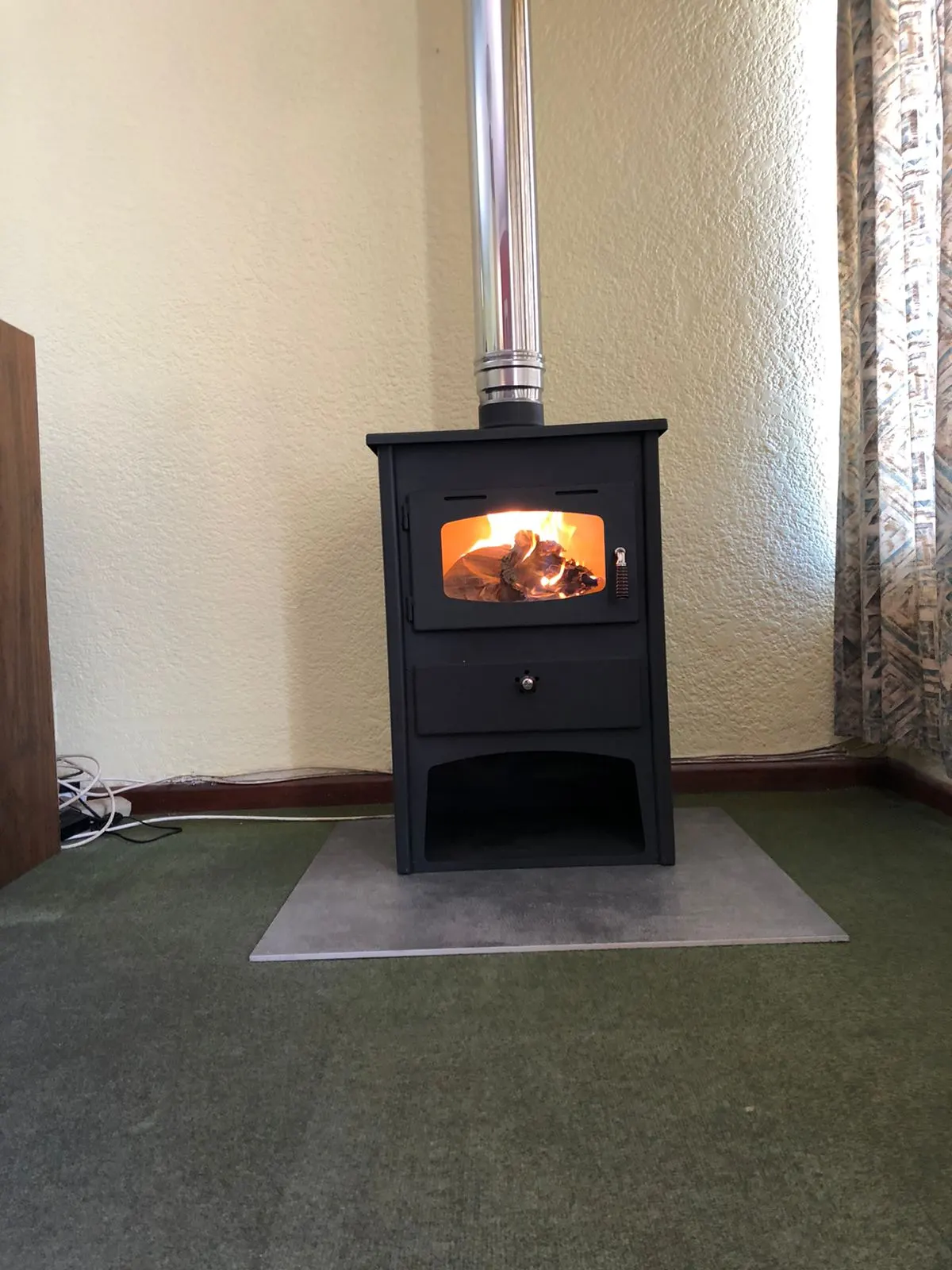
Selling a home with a gas hob, heater, fireplace or braai? You will need a gas certificate of compliance before transfer. Here is what the inspector looks at and how to avoid a failed inspection.
Quick answer
If your home has any gas installation, you need a gas CoC when selling a house. A registered gas installer inspects the cylinders, regulator, pipes, valves and every gas appliance, does a leak test, and then issues a gas certificate of compliance. If something fails, it must be fixed before the certificate is signed, so book the inspection as soon as the house goes on the market.
Most sellers think about the electrical certificate first and only hear about the gas one when the conveyancer asks for it. By then the transfer date is set and everyone is waiting on you. A gas hob, a built-in gas heater, a gas fireplace or a gas braai on the patio all count, even if you only use them in winter.
The good news is that a gas inspection is quick when the installation was done properly. This guide explains what the inspector checks, the faults we see most often and what you can do now so the certificate is not the thing that holds up your sale.
Selling soon? Tell us what gas appliances are in the house and we will book an inspection and quote for any repairs.
Why You Need a Gas CoC When Selling a House
South African regulations require gas installations to have a certificate of compliance, and the duty falls on the owner. When a property changes hands, the seller is expected to hand the buyer a valid certificate. Most Offers to Purchase include a clause about it, and conveyancers will ask for it along with the electrical and other certificates.
The certificate protects the buyer, who is about to live with your gas system, and it protects you. If a gas fault causes a fire or injury after transfer, a valid certificate shows that the installation was safe and correct when you sold. It is also something insurers look for when they assess a claim.
What counts as a gas installation?
Any fixed appliance connected to a gas supply. That includes:
- Gas hobs and ovens in the kitchen
- Gas geysers and instant water heaters
- Built-in gas heaters and gas fireplaces
- Built-in gas braais connected to a cylinder
- The cylinders, cage, regulator, pipes and valves that feed them
A portable heater that plugs straight into a small cylinder is usually not part of the fixed installation, but if it is piped in, it is. If you are not sure, ask the installer when you book.
What the Inspector Checks for a Gas CoC When Selling a House
Only registered gas installers can sign a gas certificate of compliance. The inspection follows the national standard for LPG installations, and it looks at the whole system from the cylinder outside to the burner inside.
Cylinders and where they stand
The cylinders must stand outside on a firm, level base, secured so they cannot fall over. The inspector checks the distance from doors, windows, drains and electrical points, and whether the cylinders are protected from damage. Cylinders kept indoors, in a garage or under a window are a common reason for a fail.
Regulator and changeover valve
The regulator must be the right type for the appliances and in good condition. Old, perished or rusted regulators are replaced, not patched.
Pipework and fittings
Fixed pipework should be copper or another approved material, properly clipped and protected where it runs through walls. Flexible hoses must be the right type, not too long and not running behind hot surfaces.
Leak and pressure test
The installer pressurises the system and checks that it holds. A tiny leak that you cannot smell will still show up here, and it has to be found and fixed before the certificate is signed.
Appliances, valves and ventilation
Each appliance needs its own isolation valve within easy reach. The inspector checks that it was installed to the maker’s instructions, that the room has the right ventilation and that any flue takes fumes safely outside. Warning signs at the cylinders are also checked.
Not sure your gas system will pass? Our team can check it before the inspection and quote for any fixes up front.
Common Faults That Hold Up a Gas CoC When Selling a House
Most failed inspections come down to the same short list. If any of these sound familiar, it is worth sorting them before the inspector arrives:
- ✓Cylinders standing too close to a window, door, drain or plug point
- ✓A regulator or flexible hose that is old, cracked or the wrong type
- ✓No isolation valve at an appliance, or a valve hidden behind a cupboard
- ✓Pipework that was added by a DIY job or a builder who is not registered
- ✓A gas heater or fireplace in a room with no proper ventilation
- ✓No original certificate for an appliance that was added later
- ✓Missing gas warning signage at the cylinder position
Changes are the big one. If a previous owner moved the hob, added a gas heater or ran a line out to the braai, and nobody issued a certificate for that work, the inspector has to look at it as new work. Our post on whether a built-in gas heater is worth it covers how these heaters should be installed, and our guide to built-in gas braais explains what a proper braai gas connection includes.
⚠ Smell gas?
If you smell gas at any time, close the valve at the cylinder, open doors and windows, do not switch lights or plugs on or off, and call a registered gas installer. Read our carbon monoxide safety guide for the warning signs indoors.
How to Prepare for a Gas CoC When Selling a House
A little preparation makes the visit faster and avoids a second trip.
Book early
Arrange the inspection as soon as you sign with an agent, not when the conveyancer asks. That leaves time to fix any faults.
List every gas appliance
Kitchen, geyser, heaters, fireplace and braai. Tell the installer about all of them so nothing is missed.
Find old paperwork
Any previous gas certificate of compliance and appliance manuals help the inspector see what was installed and when.
Clear access
Make sure the cylinders, regulator, valves and appliances can be reached. Move furniture away from the gas fireplace or heater.
Have cylinders connected
The system needs gas in it for the leak test, so do not let the cylinders run empty before the visit.
If the house has a gas fireplace that has not been serviced in years, and you have been searching for gas fireplace installers near me, have it checked before the inspection to avoid surprises. Many buyers also ask how gas compares with wood heating, and our article on gas vs wood burning fireplaces is a handy one to share with them.
Who Issues a Gas Certificate of Compliance?
Only an installer registered for the type of gas work in your home can issue the certificate. Ask to see their registration card before the work starts. A handyman, builder or electrician who is not registered for gas cannot sign it, even if they did a neat job of the pipework.
When you look for gas installers in Cape Town, ask whether they can do the inspection and the repairs in one visit. That way a small fault, like a hose or a valve, is fixed on the spot and the certificate is issued without waiting for a second contractor.
Why Cape Town Homeowners Choose Fire Flames
Our team installs and repairs gas fireplaces, built-in gas heaters and gas braais in homes across Cape Town. When you need a gas compliance certificate for a sale, we check the system, quote for anything that needs fixing, and a registered gas installer signs off with a CoC. We give you a clear written quote first, so there are no surprises close to your transfer date.
Selling your house? Send us a list of the gas appliances and your transfer date, and we will come back to you with a quote.
Gas CoC When Selling a House: Common Questions
Do you need a gas CoC when selling a house?
Yes, if the house has a fixed gas installation such as a hob, geyser, heater, fireplace or piped braai. The seller is expected to give the buyer a valid gas certificate of compliance, and conveyancers usually ask for it before transfer.
Who pays for the gas CoC when selling a house?
The seller normally pays for the inspection and any repairs needed to pass, because the seller must hand over a valid certificate. Check your Offer to Purchase, as it sometimes spells this out.
How long is a gas certificate of compliance valid?
A gas CoC stays linked to the installation as it was when it was signed. If anything is added, moved or changed, a new certificate is needed, and most buyers and conveyancers want a recent one at the time of sale.
What happens if my gas installation fails the inspection?
The installer lists the faults that need fixing. Once they are repaired and the system passes the leak test, the certificate can be issued. Using an installer who can do repairs on the same visit saves time.
Can any plumber issue a gas CoC?
No. Only registered gas installers, registered for the type of gas work in your home, can issue a gas CoC. Ask to see their registration card before they start.
Planning this kind of work?
Call or WhatsApp with your suburb and photographs. Fire Flames can discuss your fireplace, braai or home project and quote.
Get A Quote →