
Carbon Monoxide Safety with Fireplaces and Braais
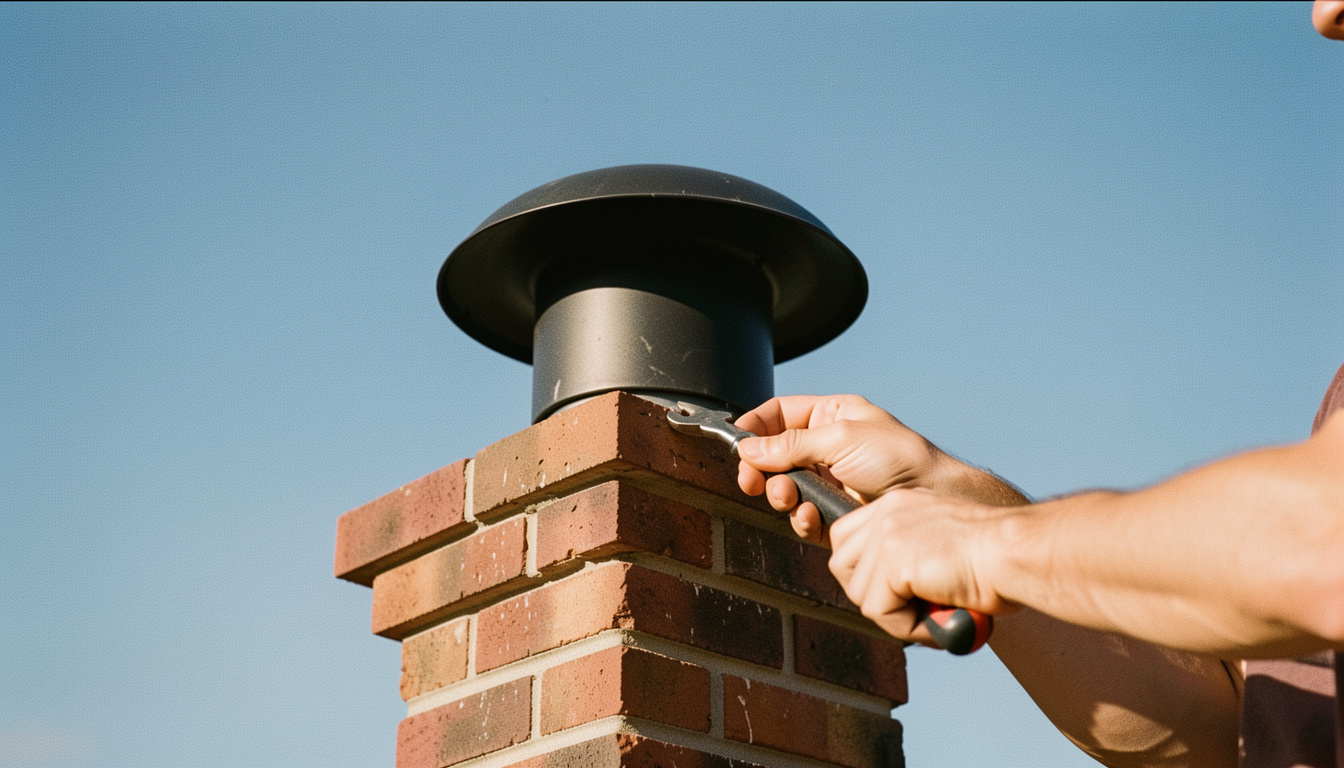
Did you know over 400 people in South Africa die yearly from carbon monoxide poisoning? This often happens because of faulty appliances or bad ventilation. The risk grows when it gets cold and we...
Did you know over 400 people in South Africa die yearly from carbon monoxide poisoning? This often happens because of faulty appliances or bad ventilation. The risk grows when it gets cold and we use fireplaces and braais more for warmth and cooking. It’s important to know how to stay safe from carbon monoxide.
As a homeowner, you need to take special steps to avoid carbon monoxide. This article will give you key fire safety tips. We want to make sure you can enjoy using fireplaces and braais safely.

Key Takeaways
- Carbon monoxide is an invisible gas that can be deadly if not properly managed.
- Homeowner precautions are essential during colder months with increased fireplace and braai usage.
- Understanding the significance of ventilation is critical for preventing carbon monoxide build-up.
- Regular maintenance and inspections of fireplaces and braais can enhance safety.
- Effective use of carbon monoxide detectors is necessary for early detection of this harmful gas.
- Being informed of emergency actions can save lives in case of carbon monoxide exposure.
Understanding Carbon Monoxide and Its Dangers
Carbon monoxide is a colorless, odorless, and tasteless gas. It is made when carbon-based fuels burn incompletely. This toxic gas poses serious dangers, often overlooked.
Being exposed to carbon monoxide can harm your health. It stops your body from getting enough oxygen. This can cause headaches, tiredness, dizziness, and nausea.
As you get more exposed, the risks grow. You could lose consciousness or even die. Knowing these risks is key, mainly in places with little air where carbon monoxide can build up.
Being aware of its effects can help you stay safe at home. It’s important to take steps to prevent it.

How Carbon Monoxide Is Produced
Carbon monoxide is made when fuels like wood, coal, or gasoline don’t burn fully. This happens when there’s not enough oxygen. So, instead of carbon dioxide, carbon monoxide is produced.
Many things can cause carbon monoxide in homes. Problems with heating systems, fireplaces, gas stoves, and car exhaust in tight spaces are common. Knowing these sources helps you stay safe.
It’s key to burn fuels properly to cut down on carbon monoxide. Good ventilation helps a lot. By understanding and fixing these issues, you help keep your home safe from harmful carbon monoxide.

Common Sources of Carbon Monoxide in Homes
Carbon monoxide (CO) is a silent threat in many homes. Knowing where it comes from can help keep you safe. Appliances like unvented kerosene and gas space heaters are known to release CO. Also, faulty or leaking chimneys and furnaces can cause dangerous gas buildup indoors.
Using fireplaces or gas stoves safely is key. Make sure they are installed and maintained correctly to avoid CO leaks.
Water heaters are another big source of CO, mainly if they’re not working right. People often don’t think about the danger they pose. Fireplaces can also release harmful CO if they’re not checked regularly. Knowing where CO can come from helps you take steps to stay safe.
| Source | Potential Risk | Preventive Measures |
|---|---|---|
| Unvented kerosene and gas space heaters | High CO emissions if not monitored | Regular inspections and use of vented alternatives |
| Leaking chimneys and furnaces | Carbon monoxide buildup within the home | Annual chimney and furnace checks |
| Gas appliances | Improper combustion can lead to CO leaks | Ensure correct installation and maintenance |
| Wood stoves | Can produce CO if wood is not properly burned | Use seasoned wood and keep the stove clean |
| Water heaters | Risk of CO if malfunctioning | Regular servicing and checks on ventilation |
Being careful around these CO sources can greatly improve your home’s safety. Regular checks and staying informed are your best defenses against this hidden danger.
Carbon Monoxide Safety with Fireplaces and Braais
Using fireplaces and braais safely means knowing about ventilation and fuel choices. Following good safety tips can lower the risk of carbon monoxide poisoning. By doing so, you can enjoy these heating sources more while keeping your space safe.
Importance of Proper Ventilation
Good airflow is key when using fireplaces or braais. It helps get rid of harmful gases like carbon monoxide. Always make sure your chimneys and flues are clear before lighting up. This ensures your home stays safe.
Ignoring this important step can be very dangerous.
Choosing the Right Fuel
Choosing the right fuel is vital for both fireplaces and braais. For fireplaces, seasoned wood helps cut down smoke and carbon monoxide. When braaing, picking the right coal is also important.
Keeping these appliances clean and well-maintained is also critical. It helps them work safely and reduces harmful emissions.

Key Safety Tips for Using Fireplaces
Keeping your fireplace safe needs careful attention and regular upkeep. Your family’s safety depends on following the right steps. This includes doing thorough inspections and keeping up with maintenance. Here are key practices to make your fireplace safer at home.
Annual Inspection and Cleaning
Get a qualified technician to inspect your fireplace every year. These checks are key to spotting dangers like soot and creosote buildup. These can block ventilation and cause serious issues. After each inspection, clean out any debris to keep your fireplace working right.
Installing Carbon Monoxide Detectors
Having carbon monoxide detectors in your home is essential for safety. Put them near where people sleep to warn of dangerous levels early. Make sure to check the batteries regularly. This keeps them working well, giving you confidence when you use your fireplace.

Preventing Carbon Monoxide Poisoning
To keep your home safe from carbon monoxide poisoning, follow some key steps. Always use fuel-burning appliances as directed by the manufacturer. Make sure they fit your needs and follow the guidelines for use.
Good ventilation is key to avoiding CO poisoning. Check that your home gets enough air, mainly when using appliances that release carbon monoxide. Never use charcoal or similar fuels inside, as it’s very dangerous.
It’s important to have certified professionals check your gas appliances and heating systems often. They can spot dangers early and keep you safe. Teach everyone in your home about the dangers of carbon monoxide and how to spot its signs.
By following these tips, you and your family can stay safe from CO poisoning. These steps are essential for keeping your home a safe place for everyone.
Maintaining Your Braai for Safe Use
Keeping your braai in good shape is key for tasty outdoor meals and safety. It’s important to manage fuel and air well. A few simple steps can make your braai area safer for everyone.
Proper Fuel Storage and Usage
Always put safety first when storing fuel. Use the right containers for charcoal and gas, and keep them away from anything that can catch fire. Here are some tips for safe fuel storage:
- Use containers made for fuel storage.
- Store fuels in a cool, dry spot to prevent damage.
- Keep them out of children’s and pets’ reach.
By following these steps, you can store fuel safely. This reduces the risk of accidents while cooking outdoors.
Ensuring Adequate Ventilation During Use
Good air flow is vital for braai safety. It helps get rid of harmful gases like carbon monoxide. Here’s how to make sure you have enough air:
- Choose a spot with good air flow for your braai.
- Avoid braaiing in places where air can’t move well.
- Don’t place your braai under trees or overhangs.
Also, check your braai gear often for leaks or damage. Taking care of your equipment keeps everyone safe at your braai parties.

| Safety Practice | Description |
|---|---|
| Fuel Storage | Store fuels in approved containers and away from flammable materials. |
| Ventilation | Ensure fresh airflow to minimize harmful gas buildup during outdoor cooking. |
| Equipment Inspection | Regular checks for leaks and damages to braai equipment enhance safety. |
Emergency Action: What to Do in Case of Carbon Monoxide Exposure
If you think you might have been exposed to CO, act fast. Move everyone outside right away. Getting fresh air is key to lowering the danger of carbon monoxide.
After you’re in a safe spot, call for emergency help. This ensures that experts can help with any health problems.
Knowing the signs of CO poisoning is very important. Symptoms include headaches, feeling dizzy, nausea, and confusion. If you see these signs, act fast.
Turn off all appliances that burn fuel to stop more CO from coming out. Also, open windows and doors to let in more air.
Learning about CO dangers and how to react can save lives. Knowing what to do can be the difference between life and death.

Conclusion
Keeping your home safe from carbon monoxide is key, more so if you use fireplaces and braais often. Knowing the dangers of carbon monoxide helps you take steps to keep your home safe. Regular checks and being aware of safety can greatly lower the risk of poisoning.
Being a homeowner means more than just enjoying your fireplace and braai. It’s about keeping your family safe. Regular upkeep and good ventilation are important. They help you enjoy warmth and togetherness without worry.
Embracing carbon monoxide safety is a smart choice for peace of mind. Regular checks and teaching your family about safety create a secure space. Let’s work together to build a safer home and community.
FAQ
Q: What is the need to know about carbon monoxide (CO) risk when using a wood-burning fireplace or braai at home?
A: CO is a colorless, odorless by-product of incomplete combustion from wood-burning fireplaces, stoves, grills and braais. The need to know is that CO can build up indoors if vents, chimneys or flues are blocked, causing a hazardous carbon monoxide leak that can be fatal. Ensure that your home has working CO and smoke detectors, and have appliances and chimneys inspected routinely by a qualified installer to reduce risk.
Q: How can a homeowner detect a carbon monoxide leak and what are the symptoms of carbon monoxide poisoning?
A: Install CO alarms on each level of the home and near sleeping areas to detect a carbon monoxide leak. Symptoms of carbon monoxide poisoning include headache, dizziness, nausea, vomiting, fatigue, confusion, and loss of consciousness. Pets and children may show subtle signs first, so safety at home means acting immediately if alarms sound or people feel unwell.
Q: What fire safety checks should I perform before lighting a fireplace, stove, or braai to prevent hazardous CO buildup?
A: Inspect chimneys, vents and flues for blockage, creosote and nests; ensure the damper opens fully; check that the appliance is in good condition and installed correctly; never leave open fires unattended; and keep furniture and flammable materials a safe distance away. Adhere to manufacturer guidance and schedule professional inspections annually to ensure peace of mind and reduce the potential dangers of a carbon monoxide leak.
Q: Can using a fireplace or indoor grill during the holiday season increase CO risk, and how do I safely enjoy warmth without danger?
A: Yes, increased use during the holiday season can raise risk if ventilation is compromised. Never use outdoor grills or braais indoors, and avoid burning treated wood or materials that produce toxic fumes. Use only dry, seasoned wood in a wood-burning fireplace, maintain smoke detectors and CO alarms, and keep a fire extinguisher accessible. These safety advice steps help protect home and loved ones while enjoying warmth.
Q: What should I do in the event of a fire or suspected carbon monoxide leak in my home?
A: If you detect smoke, flames or an alarm, follow your home evacuation plan, call emergency services immediately, and never re-enter until declared safe. If CO alarms sound or you suspect a carbon monoxide leak, get everyone and pets outside to fresh air, call emergency services, and seek medical attention for anyone showing symptoms such as vomiting, severe headache, or loss of consciousness. This is top fire and CO safety advice.
Q: Are ash, embers, or blocked flues a serious hazard for CO and fire safety?
A: Yes. Ash and embers can smolder and produce CO if airflow is restricted, and blocked flues prevent CO and smoke from venting. Clean out ash regularly, ensure proper airflow, and inspect for blockage to prevent accidental CO buildup and fire hazards. A professional inspection can identify hidden issues and ensure that your appliance is safe to use.
Q: How often should I inspect and service my furnace, stove and wood-burning fireplace to minimize CO and fire risks?
A: Adhere to annual inspections and maintenance by a certified installer, or sooner if you notice reduced draft, soot buildup, or unusual odors. Regular servicing reduces the chance of blockage and mechanical failure, helping to detect potential dangers early and maintain safety at home and health and safety standards.
Q: Can carbon monoxide cause long-term health issues, and how quickly can it become fatal?
A: CO binds to hemoglobin, reducing oxygen delivery; prolonged or high exposure can cause lasting neurological damage and can be fatal within minutes at very high concentrations. Symptoms may progress from headache and fatigue to confusion, vomiting and loss of consciousness. Prompt detection and evacuation to fresh air are critical to prevent serious outcomes.
Q: What practical precautions give the best peace of mind when using open fires, fireplaces, or a braai at home?
A: Practical precautions include installing and testing CO and smoke detectors, keeping a fire extinguisher nearby, never leaving fires unattended, using only appropriate fuel (dry wood for wood-burning fireplaces), keeping vents and chimneys clear, and following safety advice and manufacturer instructions. These steps help ensure that your home and loved ones are protected from accidental CO exposure and fire hazards.
Related reading
- Fire Pits for Sale in South Africa: 2026 Prices & Buyer's Guide
- How to Choose an Indoor Braai Stand (Without Getting Stuck With the Wrong One)
- Need it done professionally? See our braai installation in Cape Town service.
Planning this kind of work?
Call or WhatsApp with your suburb and photographs. Fire Flames can discuss your fireplace, braai or home project and quote.
Get A Quote →