
Pellet Stove or Pellet Fireplace: How It Works and Who It Suits
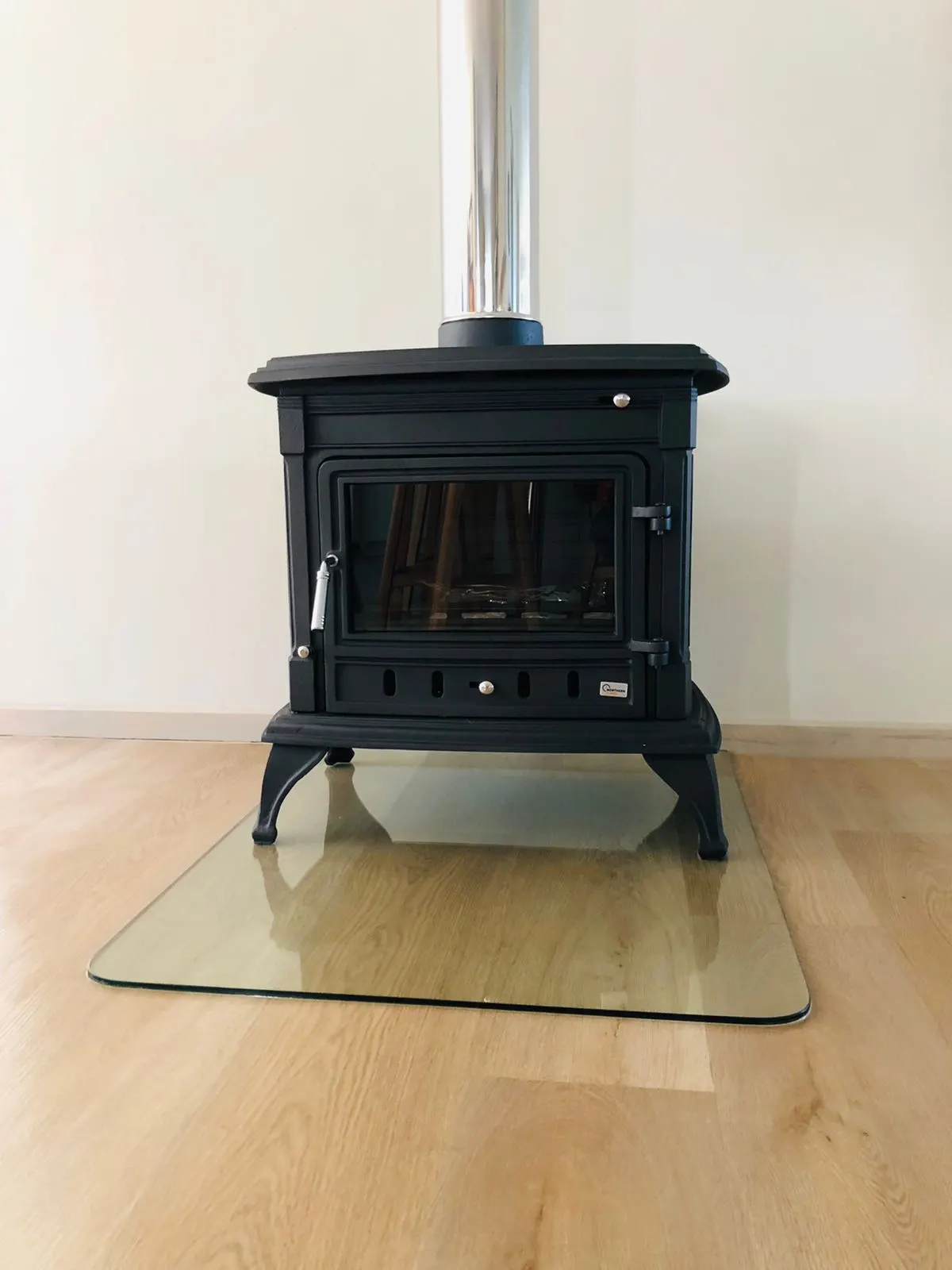
A pellet stove feeds small wood pellets into the fire for you and holds the room at a set temperature. It is easy to live with, but it needs electricity to run. Here is how it works, what affects running costs and who it suits.
Quick answer
A pellet stove burns small pellets of compressed wood. A motor feeds the pellets from a hopper into a burn pot, an electric igniter lights them and fans blow the warm air into the room. You set the temperature and the stove does the rest. The catch is that it needs electricity the whole time it runs, so during load shedding it stops unless it has backup power. It suits homeowners who want steady, easy heat and have a reliable plug point and backup supply.
Pellet stoves are still fairly new in many South African homes, so we get a lot of questions about them. Some people expect a pellet fireplace to work like a wood fireplace with a different fuel. In practice it behaves more like a smart heater that happens to burn wood.
Below, our team explains how a pellet stove works, what drives the running costs, how it compares with a wood fireplace and who it really suits. We keep it honest, including the parts the brochures tend to skip.
How a Pellet Stove Works
A wood fireplace needs you to load logs and adjust the air. A pellet stove does most of that work for you. Inside the body, a few parts work together.
The hopper
A storage box, usually at the back or top, that holds a bag or more of pellets. You fill it, close the lid and the stove draws from it as needed.
The auger
A slow turning screw that moves pellets from the hopper into the burn pot. The faster it turns, the more heat the stove makes.
The igniter and burn pot
An electric element lights the pellets in a small steel pot. No kindling, firelighters or matches are needed.
The fans and controls
One fan feeds air to the fire and another pushes warm air into the room. A control panel or remote lets you set the heat, and many models have a timer.
Because the feed and air are controlled, a pellet stove burns very evenly. The glass stays cleaner than on most wood stoves and there is much less ash to clear. Smoke and gases still leave through a flue, so a pellet fireplace needs a proper vent to the outside, just like a wood burner.
Pellet Stove vs Wood Fireplace: The Main Differences
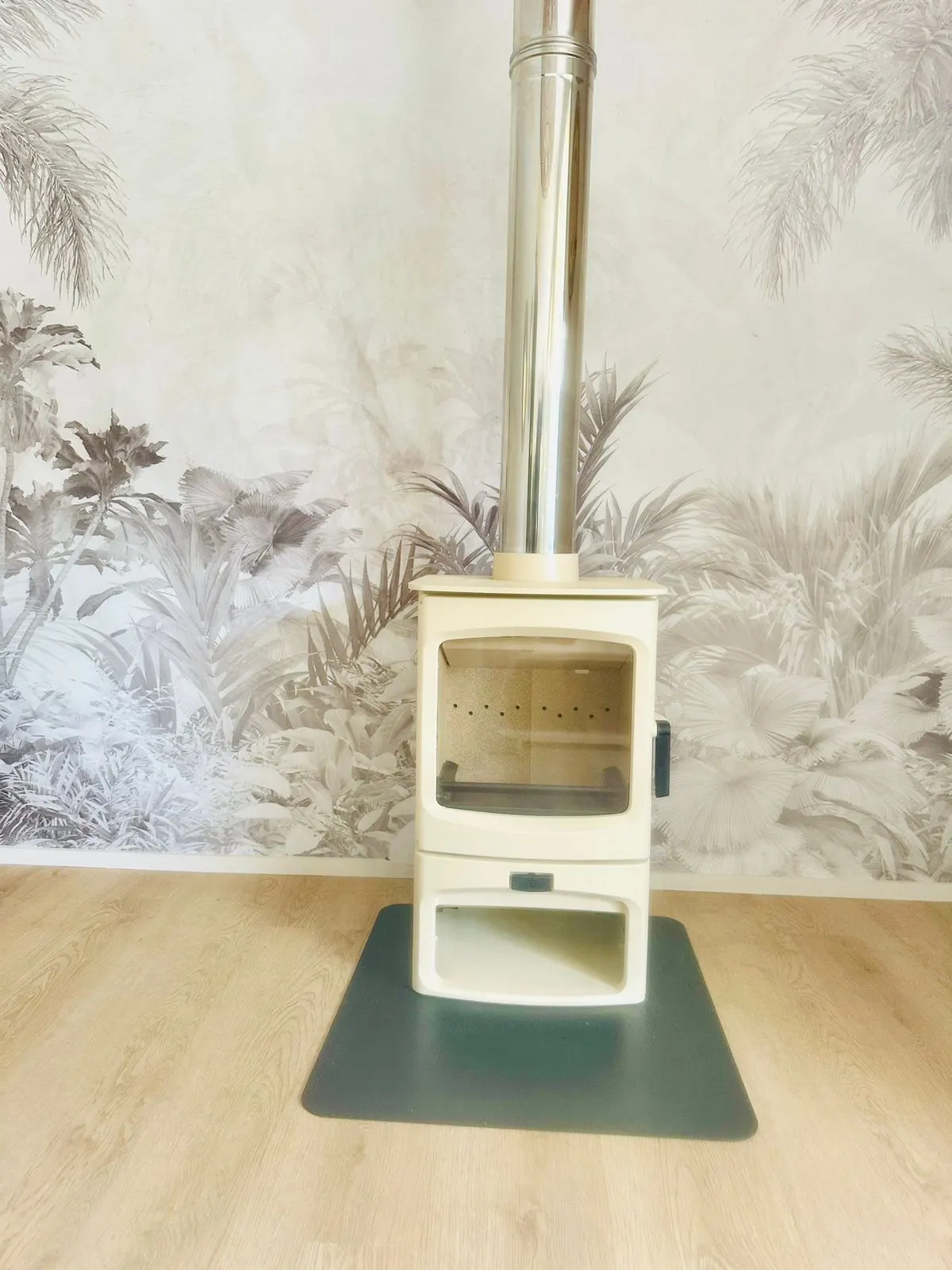
Both heat a room with wood, but they are very different to live with. This table sums up what we tell homeowners when they are deciding.
| Pellet stove | Wood fireplace | |
|---|---|---|
| Fuel | Bagged wood pellets | Seasoned firewood logs |
| Lighting | Push a button or set a timer | Kindling and firelighters |
| Heat control | Thermostat holds a set temperature | You adjust the air by hand |
| Power needed | Yes, all the time it runs | No (unless it has an optional fan) |
| During load shedding | Stops without backup power | Keeps burning |
| Ash and cleaning | Little ash, burn pot needs regular emptying | More ash, regular grate cleaning |
| Moving parts | Motor, fans, igniter, sensors | Very few |
| Feel of the fire | Small, steady flame | Big, flickering log fire |
If you are still choosing between fuels, our guide to gas vs wood burning fireplaces covers the other two main options. For many families the choice comes down to one question: do you want heat when the power is off?
Pellet Stoves and Load Shedding
This is the most important point in this article. A pellet stove cannot run without electricity. The igniter, the auger and the fans all need power. When the power goes off, the stove stops feeding pellets and the fire dies down.
- Plan for backup power. If you want heat during load shedding, the stove needs a backup power supply that can handle its start-up and running load. Ask the supplier what the model needs before you buy.
- Ask how it shuts down. Find out what the model does when the power cuts while it is burning, and follow the manual exactly.
- Keep a plug point close. The stove needs a nearby plug point. Long extension leads across the floor are a trip and fire risk.
- Think about your heating plan. If heat during outages matters most to you, a wood fireplace may suit you better.
A gas fire is another option many people look at as a load shedding heater. Any gas fireplace must be connected by a registered gas installer, who issues a certificate of conformity (CoC) when the work is done.
What Drives Pellet Stove Running Costs
We do not quote running costs as a single figure, because they change from home to home and pellet prices move during the year. What we can tell you is what pushes the cost up or down.
Things that change your running costs
- ✓The price of pellets where you live, and whether you buy a few bags or a larger load for the season
- ✓How many hours a day the stove runs, and at what heat setting
- ✓The size of the room and how open it is to the rest of the house
- ✓How well the room holds heat: ceiling insulation, draughty windows and doors all matter
- ✓The small amount of electricity used by the fans and motor
- ✓A yearly service to keep the stove burning cleanly
Check that you can buy heating pellets easily near you before you commit, and keep a few bags in reserve for cold spells. For a cost view of the traditional route, our wood heater guide explains what changes the cost of running a wood burner. When you are ready, ask our team for a written quote for the stove and installation.
Who a Pellet Stove Suits (and Who It Does Not)
Good fit: you want easy heat
You like the idea of a timer that warms the lounge before you get home, with no logs to carry and very little ash.
Good fit: you have backup power
Your home already has a backup power system that can carry the stove, so load shedding is less of a worry.
Poor fit: no reliable power
If outages are frequent and you have no backup, a pellet fireplace will often be cold when you need it most.
Poor fit: you love a log fire
The flame is smaller and steadier. If the crackle and look of a big log fire is the point, a wood fireplace will make you happier.
Cape Town winters are damp, so storage matters too. Pellets swell and crumble when they get wet, and damp pellets can jam the feed. You need a dry, covered space for the bags, away from rain blown in by the northwest wind.
Installing a Pellet Stove: What Is Involved
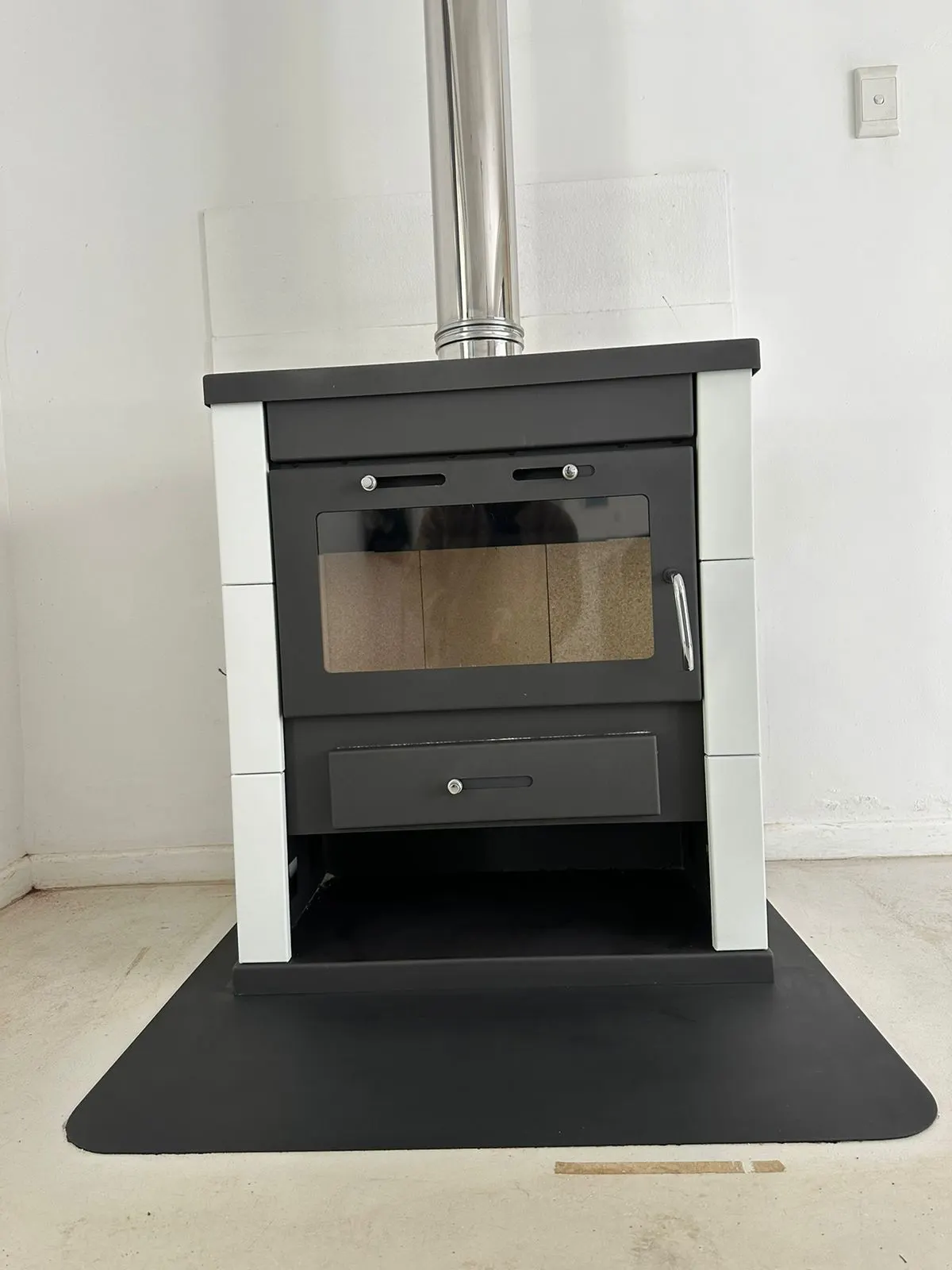
A pellet stove is installed much like any freestanding stove, with a few extra points because of the power and the vent. Here is how our team approaches it.
Choose the spot
We look for a position with a plug point nearby, enough clearance from walls and furniture, and a sensible route for the flue.
Protect the floor
The stove stands on a non-combustible floor plate or hearth, sized for the model.
Fit the flue or vent
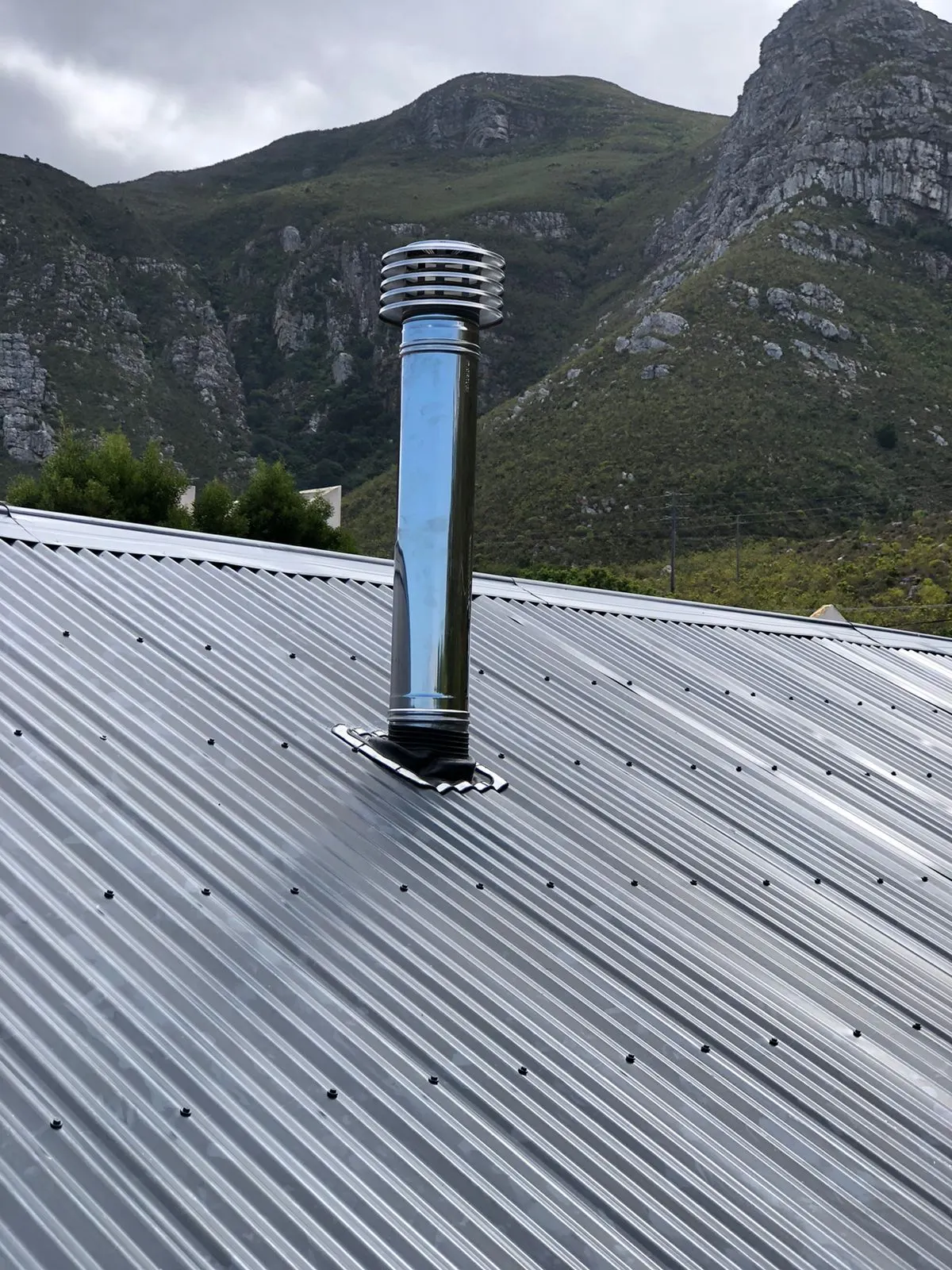
Pellet stoves usually use a smaller flue than a wood stove. It can run up through the roof or out through a wall, depending on the model and your home. Our flue installation team makes sure every joint is sealed and the cowl suits the wind.
Seal the roof or wall
Where the flue passes through the roof or wall, it is flashed and sealed to keep winter rain out.
Test and hand over
We run the stove, check the draw and show you how to fill the hopper, set the temperature and clean the burn pot.
The installation steps are similar to our combustion fireplace installation work, and the same safety checks apply. Coastal homes need extra thought: salt air is hard on cheap steel, so we use stainless steel flue parts that stand up to the conditions.
⚠ Safety first
Never fit a pellet stove without a flue or vent to the outside, and never block the vent. A pellet stove still makes smoke and carbon monoxide. Fit a carbon monoxide alarm in the room and leave the installation to a qualified installer.
Pellet Stove Care and Maintenance
A pellet stove is low effort day to day, but its moving parts need some attention. A little care keeps it reliable through winter.
- ✓Empty and clean the burn pot as often as the manual says. A clogged pot is the most common reason a stove will not light.
- ✓Use only the grade of heating pellets the manufacturer recommends, and keep them dry.
- ✓Vacuum the ash out of the firebox when the stove is completely cold, with an ash vacuum made for the job.
- ✓Wipe the glass when cold with a cleaner made for stove glass.
- ✓Book a yearly service to check the fans, igniter, seals and sensors, and to clean the flue.
Fine ash builds up in the vent over a season, just as soot does in a chimney. Our chimney sweeping services include cleaning flues and vents, and it is best done before winter. If the stove will not light, keeps shutting down or makes a new noise, switch it off and call our team or a technician rather than taking it apart.
Where to See a Pellet Stove
Our fireplace shop stocks the Crystal Pellet Stove, in grey and in red. Check the product page for the size and specifications, and ask our team about the plug point, backup power and flue route your home would need before you order.
Thinking about a pellet stove for your lounge? Send us a photo of the room and where you would like the stove, and tell us whether you have backup power. Our team will tell you what the installation involves. You can also book a fireplace service online.
Pellet Stove Questions We Get Asked
Does a pellet stove work during load shedding?
Not on its own. A pellet stove needs electricity for the igniter, the pellet feed and the fans, so it stops when the power goes off. It can keep running on a backup power supply that is big enough for the model. Ask the supplier what it needs.
Is a pellet fireplace cheaper to run than a wood fireplace?
It depends on the price of pellets near you, how long you run it and how well your home holds heat. The stove burns pellets very evenly, so little fuel is wasted. Compare your local pellet and firewood prices before you decide.
Do pellet stoves need a chimney?
They need a flue or vent to the outside, because they still make smoke and gases. It is usually smaller than a wood stove flue and can often go through a wall instead of the roof, depending on the model.
Can I burn wood in a pellet stove?
No. A pellet stove is made to burn heating pellets only. Logs, offcuts or other fuels can damage the feed system and the burn pot, and are unsafe.
How often does a pellet stove need servicing?
Clean the burn pot and ash as the manual says, often every few days in heavy use. Book a full service and flue clean once a year, ideally before winter starts.
Planning this kind of work?
Call or WhatsApp with your suburb and photographs. Fire Flames can discuss your fireplace, braai or home project and quote.
Get A Quote →