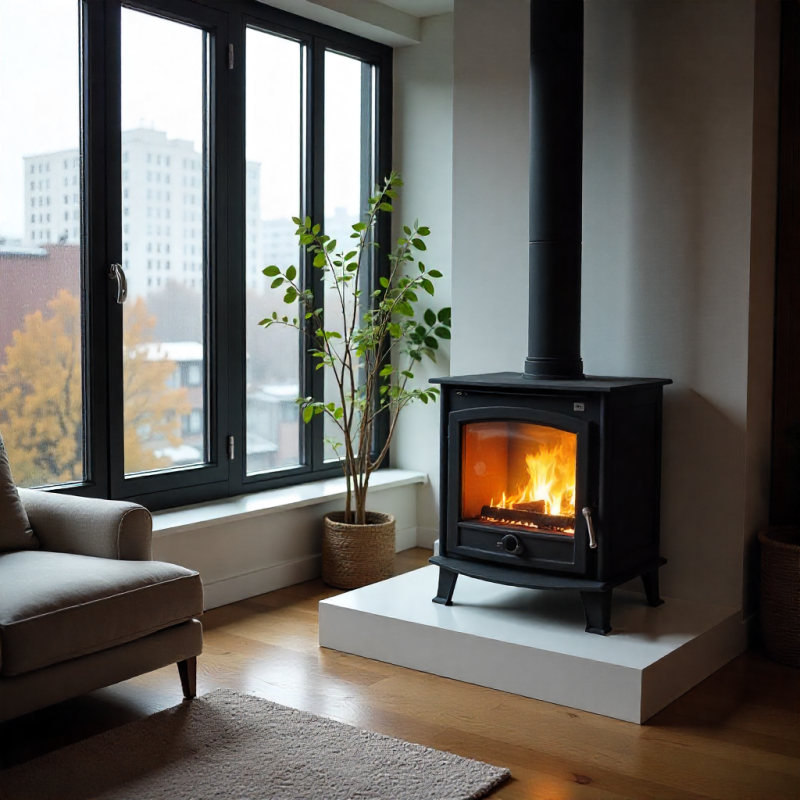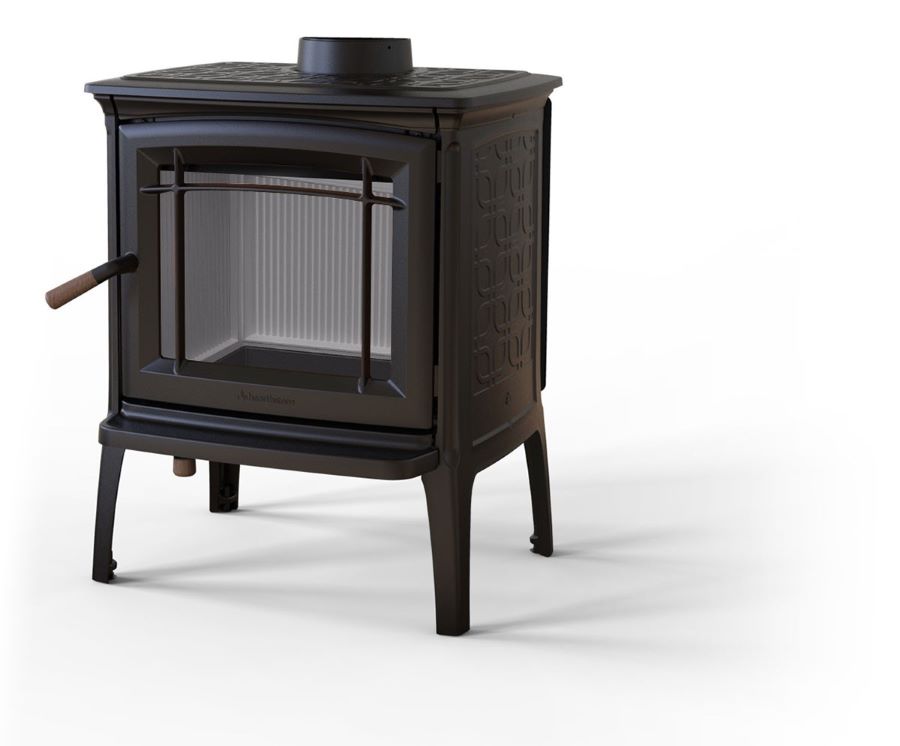

A cast iron fireplace for sale should make you slow down, not just click add to cart. Cast iron is one of the most durable, heat-retentive materials available for home heating — but the wrong unit for your room size, flue setup or floor type can turn a satisfying purchase into a costly headache. Before you spend anything, run through these seven checks.
Whether you’re heating a lounge in Cape Town, a farmhouse in the Karoo, or a townhouse in Johannesburg, the right cast iron stove delivers years of reliable warmth with minimal fuss. Here’s what to look at before you commit — and why each point matters to buyers in South Africa specifically. Browse our freestanding fireplace range once you know what you need.
1. Cast Iron vs Steel — Understanding What You’re Actually Buying
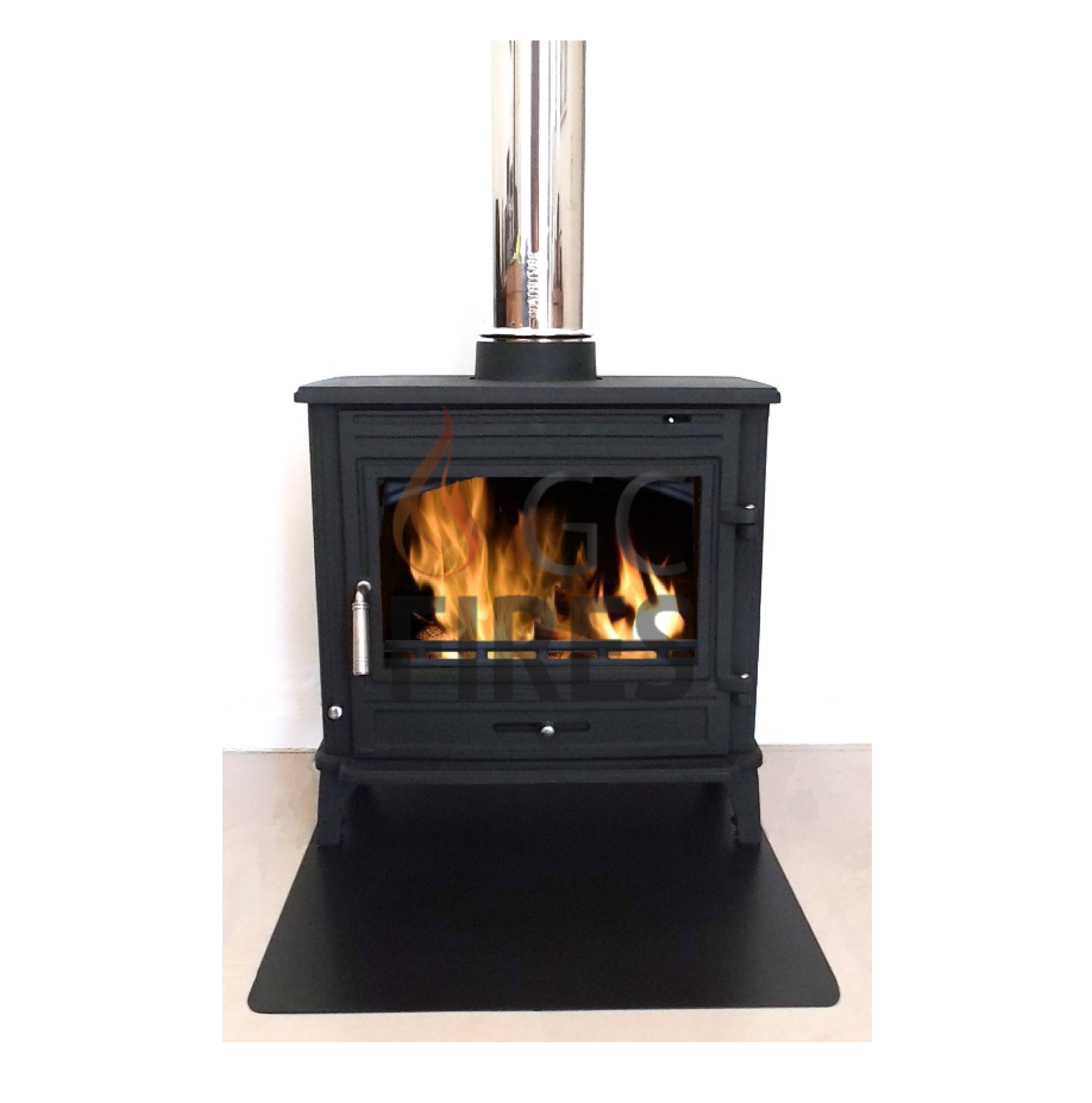
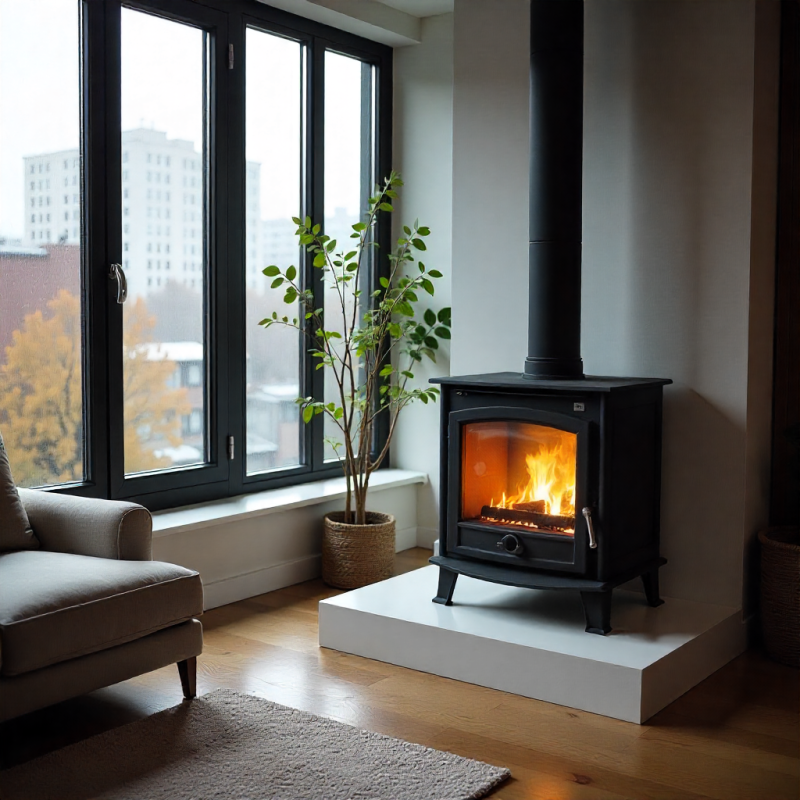
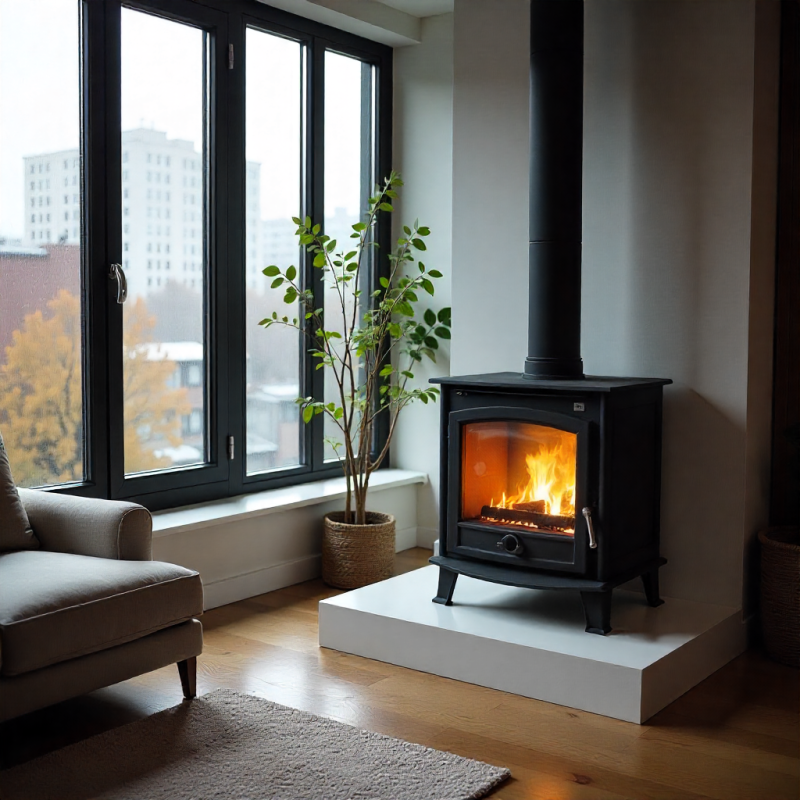
Cast iron and steel are both used for fireplaces and wood-burning stoves, but they behave very differently in use. Cast iron has a denser molecular structure. It takes longer to heat up than a steel unit, but once it’s hot, it holds that heat and radiates it long after the fire dies down — sometimes for two to three hours. That slow, even radiation is why cast iron suits buyers who want a room to stay warm well into the night without feeding the fire constantly.
Steel units heat up faster and are often preferred for open-plan spaces where you want warmth quickly. But once the fire goes out, the heat dissipates rapidly. If you’re undecided on material, start by clarifying your use pattern — then read our guide to freestanding vs built-in fireplaces to narrow down the format that fits your home.
2. Output (kW) — Does It Match Your Room?
The most common buying mistake is choosing a fireplace that’s too powerful or too small for the space. A 4–6kW unit suits a 30–50m² room; an 8–12kW unit handles larger open-plan areas. Oversized units force you to run the fire low, which encourages creosote build-up in the flue. Undersized units run at full burn continuously, which wears them out faster.
For a rough figure, multiply your room’s volume (length × width × ceiling height in metres) by 25 for a well-insulated space, or by 35 for a poorly insulated one. The result is watts needed; divide by 1,000 for kW. Our guide to choosing the right fireplace for your home covers sizing in more detail alongside other key buying factors.
3. Cast Iron Fireplace for Sale — Weight, Plinth and Floor Considerations
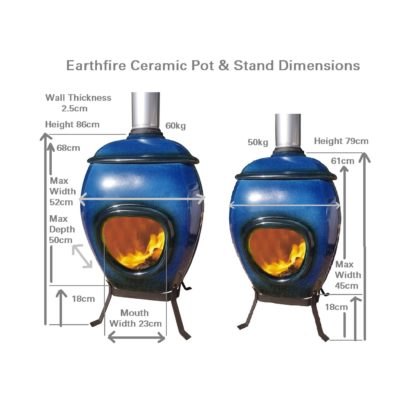
Here’s a check that surprises many first-time buyers: cast iron is genuinely heavy. A standard 8kW cast iron freestanding stove typically weighs between 120 and 180kg. Your floor needs to handle that load safely.
In most South African homes built on concrete slab, this is not a problem. But older homes — particularly in Cape Town’s older suburbs — sometimes have suspended timber floors. If that describes your property, have a structural assessment done before installation. You will also need a fireproof hearth pad (a non-combustible plinth made from stone, tile or firebrick) extending at least 300mm in front of and to either side of the unit. This is a SANS requirement, not merely best practice. Our fireplace installation cost guide breaks down what the hearth, flue and labour typically add to your total budget.
4. Flue Compatibility — Single-Wall vs Insulated Twin-Wall
Cast iron fireplaces need a proper flue to draw correctly and comply with local building regulations. The two main options are single-wall flue pipe (cheaper, suited to runs through warm interior spaces) and insulated twin-wall flue (required when the flue runs through exterior walls, outside the building envelope, or through a roof space). Twin-wall keeps exhaust gases hot enough to draw properly and significantly reduces creosote risk.
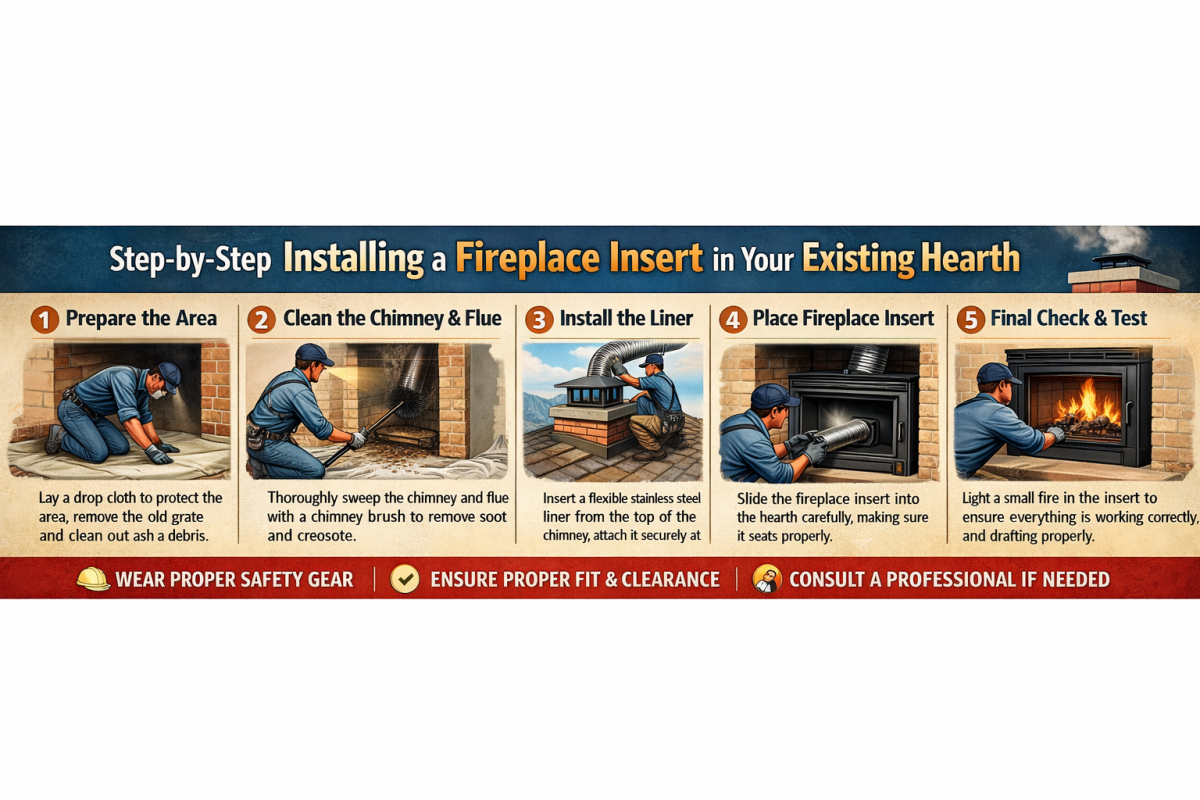
Most South African installations use a twin-wall system for at least part of the run. Flue costs typically add R6,000 to R15,000+ to the project total — get clarity from your installer before you choose your unit. Existing brick masonry chimneys may also need a liner to meet current standards. Learn more about your options in our overview of flues and flue systems.
For an objective look at how cast iron stoves compare to gas alternatives when planning your flue route, see our comparison of gas vs wood-burning fireplaces — the flue requirements differ significantly.
5. SA Price Ranges — What R8k, R20k and R40k Gets You
When you see a cast iron fireplace for sale in South Africa, prices vary significantly by size, brand and specification:
- R8,000–R12,000: Entry-level imported cast iron stoves, typically 4–6kW. Adequate for small to medium rooms. Thinner gauge steel bodies with cast iron doors are common at this price point — not always a full cast iron body.
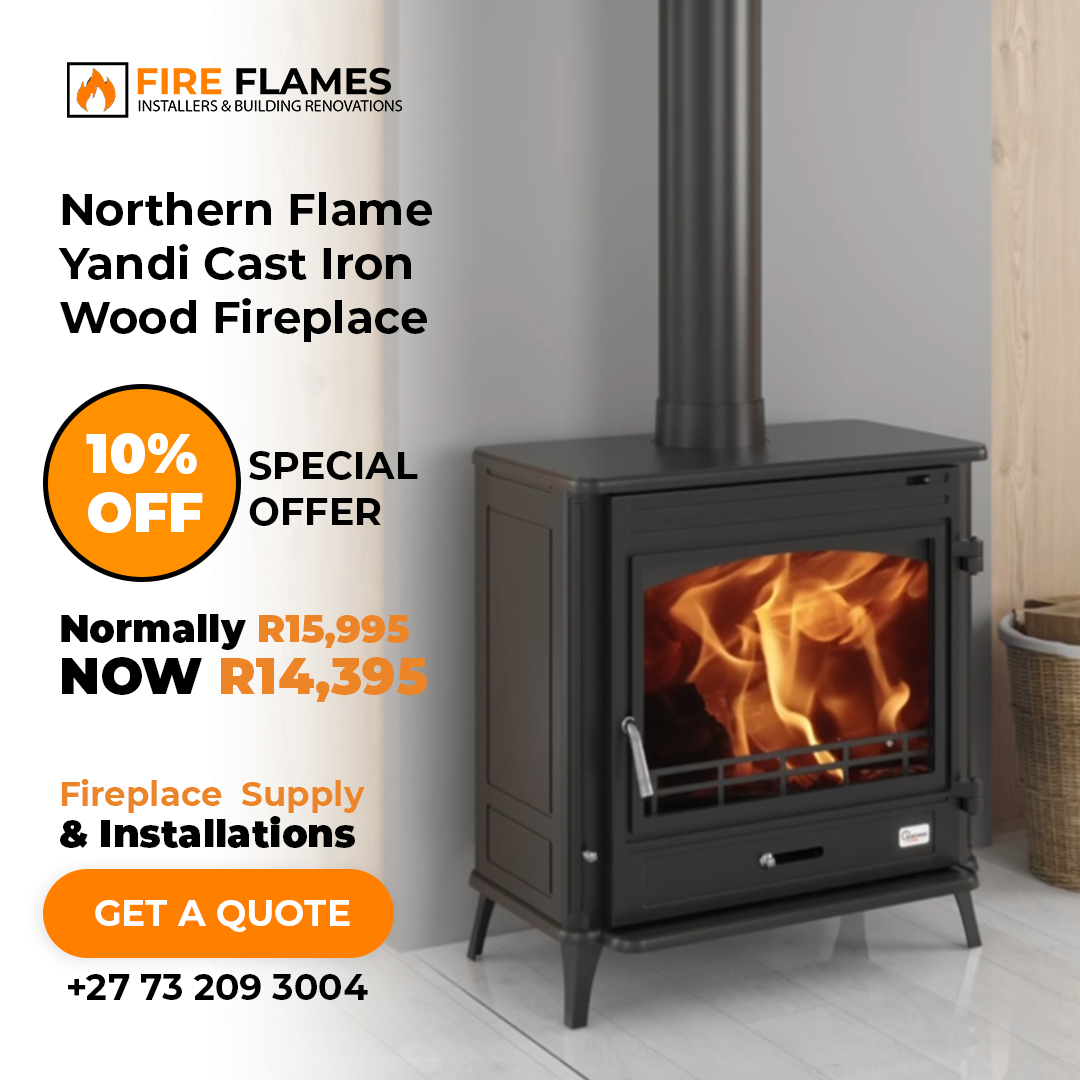
- R12,000–R25,000: Mid-range, often 6–10kW, with better air-control mechanisms and airwash systems that keep the glass clear. Models like the Northern Flame Yandi and Snug Tall fall in or near this range.
- R25,000–R45,000: Premium units, typically European-origin, higher efficiency ratings, longer warranties, and EcoDesign-equivalent performance. Suited to buyers who want a statement piece that lasts 20+ years.
These are unit prices. Professional installation — including flue, hearth pad and CoC certificate — typically adds R8,000–R18,000. Budget for the full project, not just the sticker price. Our detailed fireplace installation cost breakdown walks through every line item.
6. Coastal Considerations — KZN, Cape Coast and Salt Air
If your property is within roughly 5km of the coast, salt air affects your specification choices. Cast iron itself is reasonably corrosion-resistant when regularly used and properly maintained — the heat bakes off moisture during each burn. The more vulnerable components are the flue system, accessories and any mild-steel parts.
For coastal installations, specify 304-grade stainless steel for all flue pipe sections, cowl and cap. Ensure the firebox seals tightly when not in use — leaving a cold, damp unit open in a salty environment invites corrosion from the inside. Inspect and touch up high-temperature paint on the exterior of the unit annually. Our team provides professional fireplace installation across Cape Town, including areas where we routinely spec 304 stainless for coastal projects.
7. CoC Compliance — What to Ask Before You Commit
In South Africa, any wood-burning fireplace or stove installation requires a Certificate of Compliance (CoC) confirming the installation meets local building regulations and the applicable SANS standards. A compliant installation covers proper clearance from combustibles, an approved flue route and termination height above the roofline, a non-combustible hearth pad meeting minimum dimensions, and — as a strong recommendation — a carbon monoxide alarm.
When evaluating any cast iron fireplace for sale, ask the supplier directly: does their price include installation by a PIRB-registered or otherwise appropriately qualified installer, and does a CoC come with it? If the answer is vague, look elsewhere. A CoC matters for your home insurance and for any future property sale. Our fireplace installation experts issue a full CoC on every installation.
Where to Buy a Cast Iron Fireplace in South Africa
Focus on specialist fireplace retailers rather than general hardware or building stores. Specialist suppliers carry properly rated units, understand the flue requirements, and give installation advice specific to your home and area.
Fire Flame Installers stocks a curated range of fireplaces including proven cast iron models suited to the South African market. We supply and install — so from choosing the right unit to issuing your CoC, you deal with one team. Our freestanding fireplaces page shows current stock with specifications.
Frequently Asked Questions
Is cast iron better than steel for a fireplace?
Cast iron holds heat longer than steel, making it a better choice if you want continued warmth after the fire dies down. Steel heats up faster but cools quickly once the fire goes out. For most South African homes that need steady evening warmth without constant stoking, cast iron is the more satisfying long-term choice.
How much does a cast iron fireplace cost in South Africa?
Unit prices range from around R8,000 for entry-level imported stoves to R45,000+ for premium European models. Add R8,000–R18,000 for professional installation, flue system and CoC certificate. A realistic budget for a complete, compliant cast iron fireplace installation is R20,000–R55,000 depending on unit choice and flue complexity.
Can I install a cast iron fireplace on a wooden floor?
Not directly onto the wood. You need a non-combustible hearth pad (stone, tile or firebrick) extending at least 300mm in front and to the sides of the unit. If your home has a suspended timber floor structure, have a structural engineer confirm it can carry the load — cast iron units typically weigh 120–180kg or more.
Do I need a CoC for a cast iron fireplace installation?
Yes. A Certificate of Compliance is required for all fireplace and wood-stove installations in South Africa. It confirms the installation meets SANS standards and local building regulations. This matters for home insurance claims and for future property sales. Always use a qualified, registered installer who issues the CoC as part of the job.
Buying a cast iron fireplace for sale is a long-term investment — with the right spec and proper installation, a quality cast iron unit lasts 20 to 30 years. The seven checks above will help you choose confidently, not just cheaply.
Ready to move forward? Request a free fireplace installation quote and our team will walk you through the best unit for your space, flue setup and budget.
Related reading
- Can You Install a Fireplace in an Existing Home? Yes — Here's How
- Combustion Fireplace Installation: How It Works, Costs & Compliance
- Need it done professionally? See our fireplace installation in Cape Town service.