
When the Western Cape winter sets in and Eskom’s schedule goes haywire, a gas heater fireplace is one of the smartest heating decisions a South African homeowner can make. Unlike a wood-burning unit, it ignites in seconds, produces no ash or smoke inside the room, and keeps running through any stage of load-shedding — because all it needs is an LPG cylinder or a reticulated gas line. This guide walks you through every type available locally, realistic price ranges in Rands, how to size the heat output for your room, and what professional installation involves.
What Is a Gas Heater Fireplace?
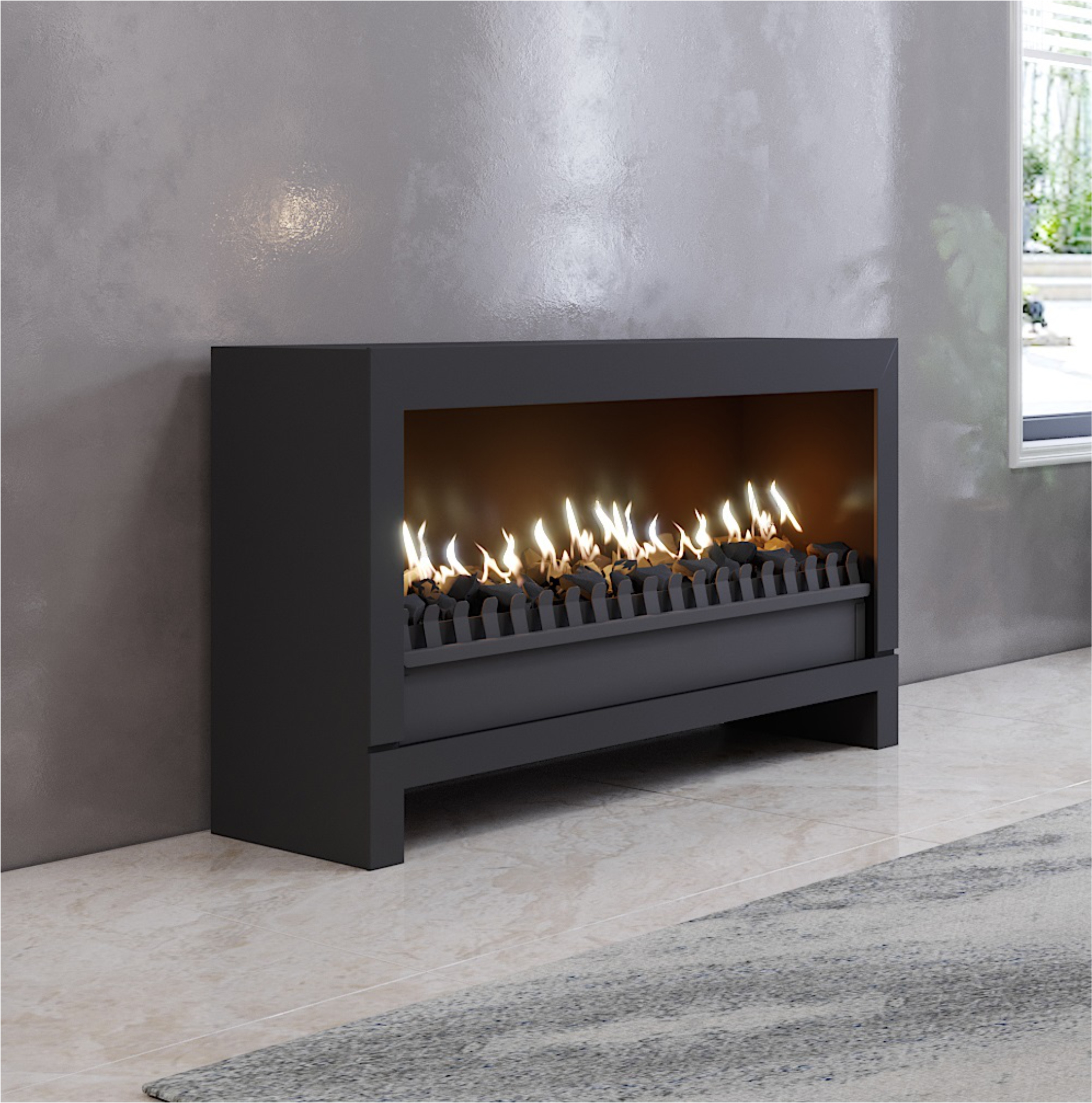
A gas heater fireplace burns LPG (liquefied petroleum gas) or natural gas through a burner fitted with ceramic logs, pebbles, or glass beads to create realistic-looking flames. The combustion produces radiant and convective heat — meaning it warms the air and nearby surfaces simultaneously. Most modern units include a thermostatic remote control so you can dial in your target temperature from the couch.
South African buyers have three broad categories to choose from: freestanding gas fireplaces, built-in gas inserts, and wall-mounted gas fireplaces. Each sits at a different price point and suits a different installation situation. If you are still weighing gas against wood, our detailed breakdown on gas vs wood-burning fireplaces covers running costs and practical trade-offs in the South African context.
Types of Gas Heater Fireplace — Which One Suits You?
Freestanding Gas Fireplaces
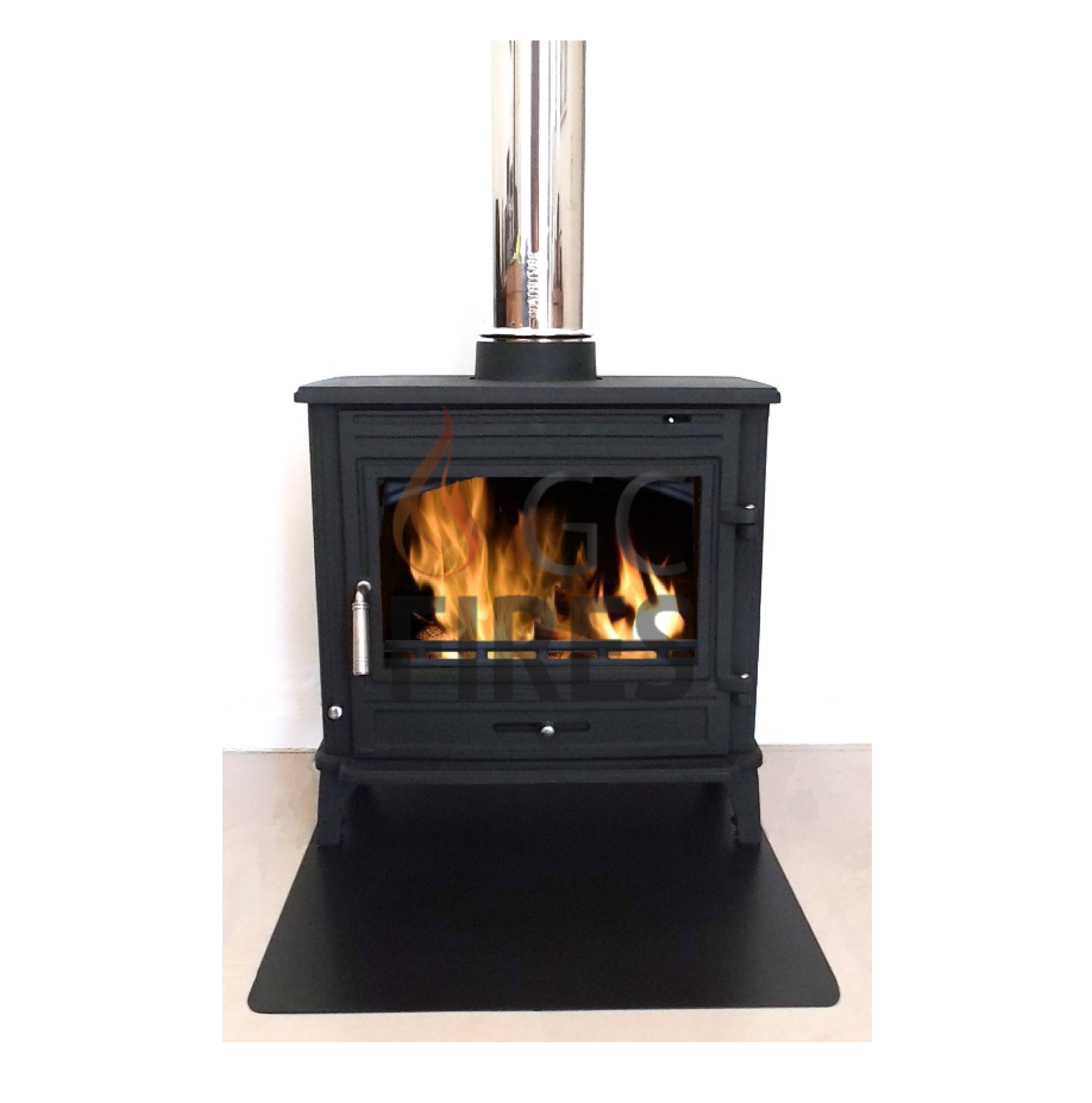
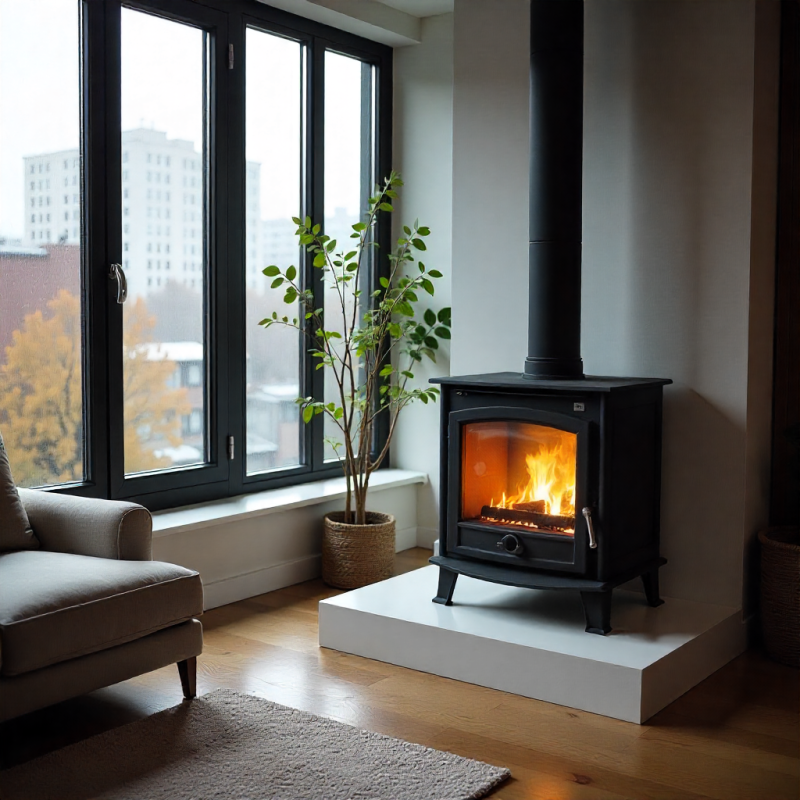
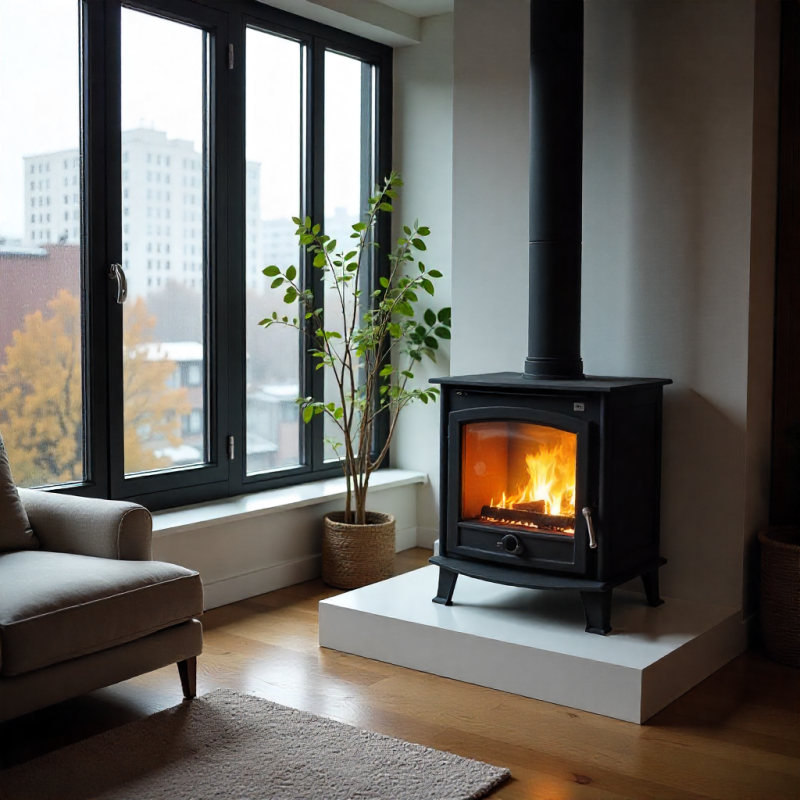
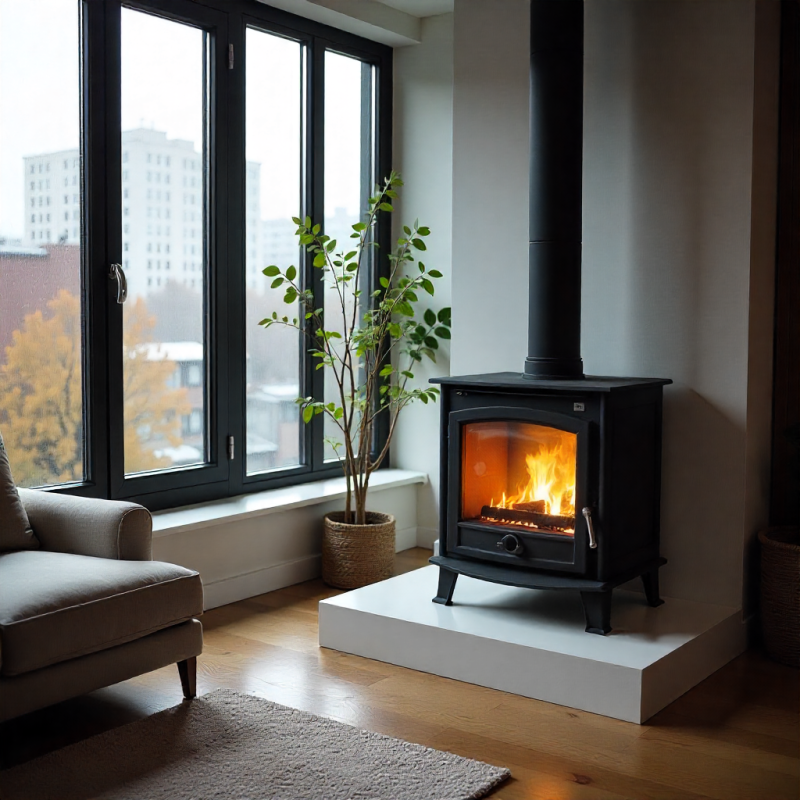
A freestanding unit stands on legs or a plinth, connects to a flue pipe running to an outside wall or through the ceiling, and can be repositioned if you renovate. Brands like SAFire, Godin, and Kratki offer models from roughly R9,000 to R28,000 for the appliance alone. Heat output typically ranges from 3 kW to 9 kW — enough to warm a 20–50 m² open-plan area. If you want flexibility and do not want to build a firebox into your wall, the freestanding fireplace range is the natural starting point.
Built-in Gas Inserts
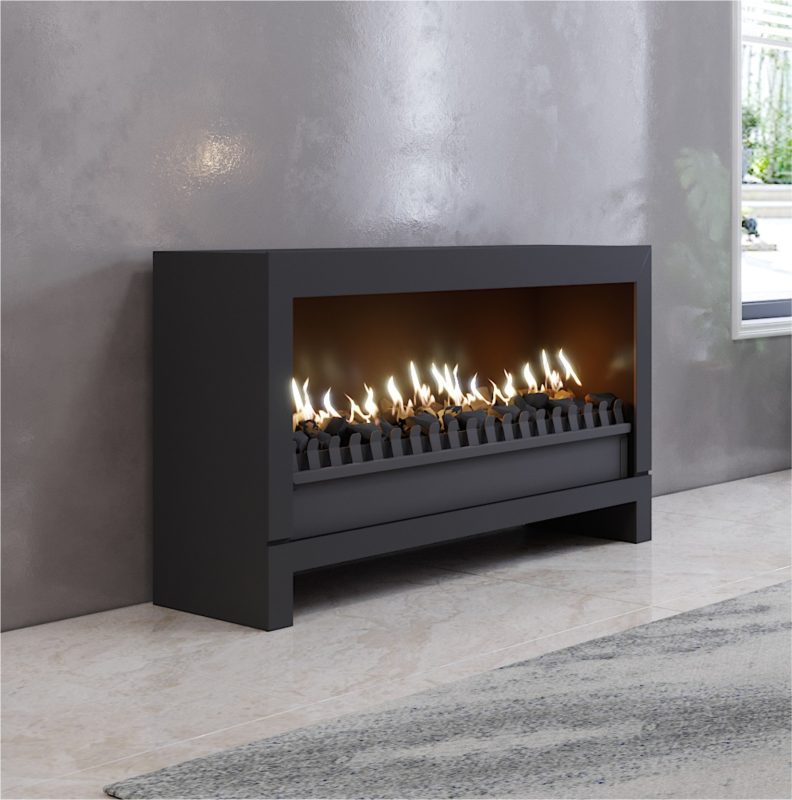
A built-in gas insert sits flush inside a masonry or steel firebox. It creates a seamless, architectural look — ideal for new builds and renovations where the builder can frame the recess during construction. Prices for quality built-in gas units run from R15,000 to R55,000+ depending on the frame size and glass panel type. Double-sided built-in models, which heat two rooms simultaneously through a shared opening, sit at the upper end of that range. Explore the full selection in our built-in fireplace inserts category.
Wall-Mounted Gas Fireplaces
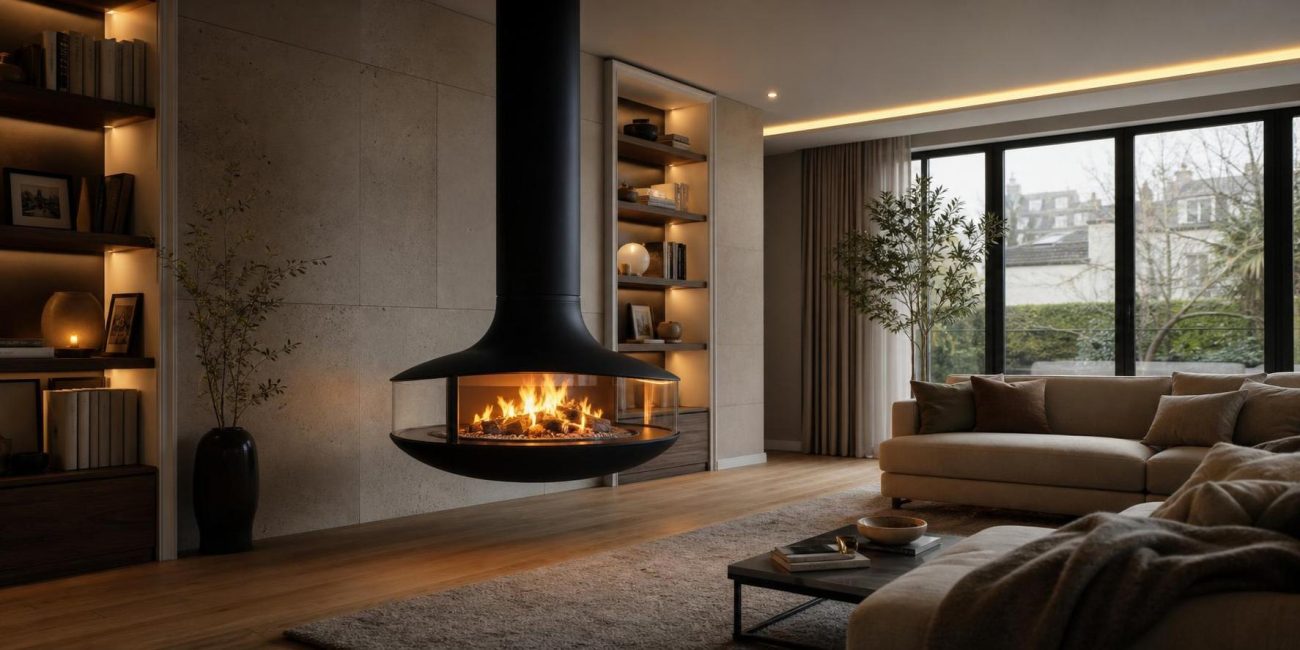
Wall-mounted units are the most compact option. They hang on an existing wall, connect to a balanced-flue pipe that passes through the wall to the outside, and suit apartments or rooms where floor space is limited. Because the balanced flue draws combustion air from outside and expels exhaust directly back out, they are exceptionally safe in tightly sealed, modern homes. Expect to pay R12,000 to R35,000 for the unit, with installation costs on top.
Why Gas Works Especially Well in South Africa
Load-Shedding Resilience
An LPG gas heater fireplace operates entirely off-grid. During stage 4 or stage 6 load-shedding — which can mean four to eight hours of darkness in a single day — your gas fire keeps burning. Unlike an electric panel heater or heat pump, there is nothing to trip off. This is arguably the single biggest selling point for South African buyers right now, and it is why gas fireplaces have seen sustained demand even as loadshedding patterns shift.
No Firewood Storage, No Ash
In Cape Town and along the coast, sourcing and storing dry hardwood is a constant headache. Good quality firewood costs R600–R1,200 per bag of kiln-dried wood, and poorly dried wood produces more smoke than heat. A gas heater fireplace eliminates that entirely: one 19 kg LPG cylinder lasts roughly 30–60 hours at medium flame output, costs around R350–R450 to refill, and stores cleanly in a courtyard or garage.
304 Stainless Steel Flue Components
Cape Town’s coastal proximity means flue and chimney components are exposed to salt air. Reputable installers specify 304-grade stainless steel for all external flue sections rather than cheaper mild-steel alternatives, which rust within a few seasons. Make sure your installer specifies stainless when you request a quote — this is one detail worth confirming upfront.
Sizing Your Gas Heater Fireplace: Getting the kW Right
Undersizing is the most common mistake buyers make. A 3 kW unit in a draughty 40 m² lounge will run flat-out and still leave cold corners. As a rough South African guideline:
- Up to 20 m² (bedroom, study): 3–4 kW
- 20–35 m² (standard lounge): 4–6 kW
- 35–60 m² (open-plan living area): 6–9 kW
- 60 m²+ or high ceilings (3 m+): 9–12 kW, or consider two units
If your home has double-volume ceilings, concrete floors, or large glass doors facing south, add at least 20% to these estimates. A professional measurement takes 20 minutes and prevents a costly mistake. See our full fireplace installation cost guide for a breakdown of how sizing decisions affect total spend.
What Does a Gas Heater Fireplace Cost in South Africa?
Honest pricing matters, so here is what South African buyers are actually paying in 2026:
- Entry-level freestanding unit + installation: R14,000–R22,000 all-in
- Mid-range built-in insert + flue + installation: R25,000–R45,000
- Premium double-sided or designer unit + installation: R55,000–R90,000+
- Ongoing running cost: Approximately R6–R12 per hour at medium output (based on LPG at ~R22/kg)
Installation cost depends heavily on flue routing. A straightforward rear-exit through an exterior wall is the cheapest option. A vertical flue running through two floors to a roof cap takes significantly longer and adds labour cost. Our team provides itemised quotes so there are no surprises — request a free installation quote and we will assess your specific layout.
Installation: What Happens on the Day
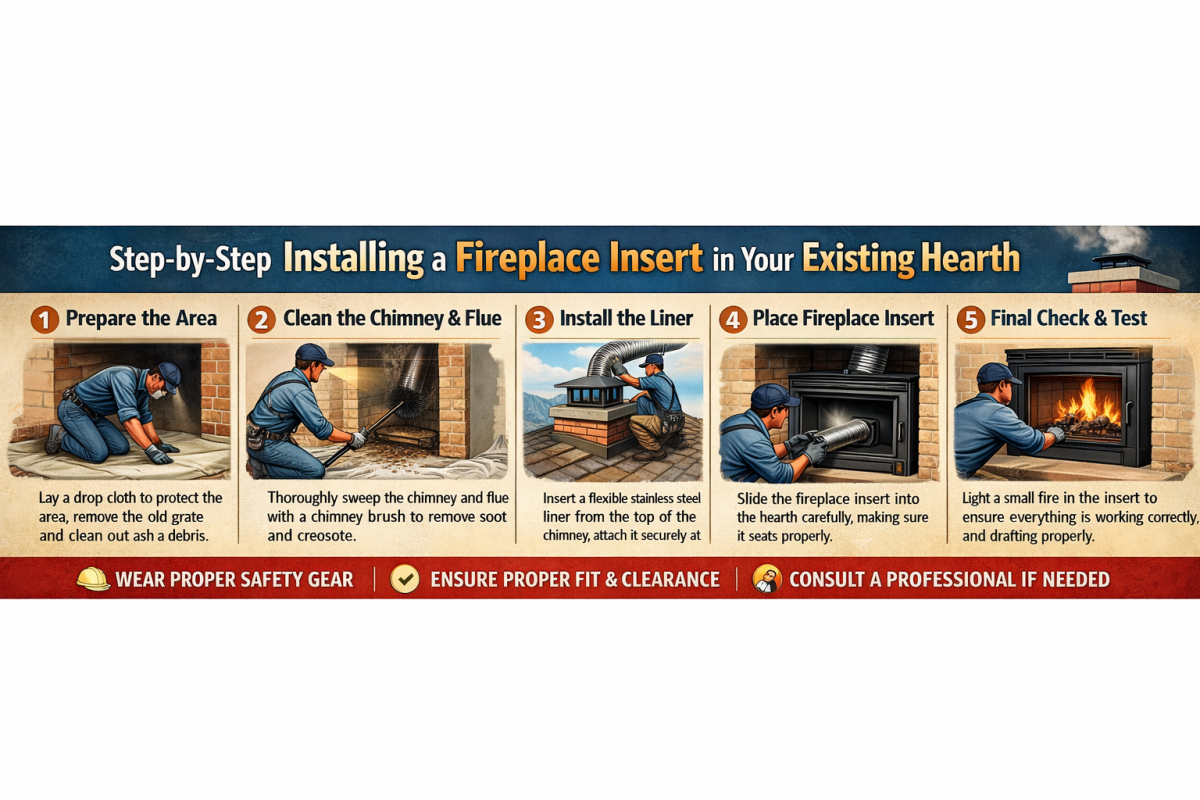
Gas fireplace installation in South Africa must be carried out by a registered LP Gas installer (as required by SANS 10087). The process typically takes half a day to a full day depending on unit type and flue complexity:
- Site assessment — flue route, gas source, clearance to combustibles
- Firebox preparation (for built-in units) or placement and levelling (freestanding)
- Flue pipe assembly and sealing using 304 stainless components
- Gas line connection and leak test
- Commissioning — pilot light, flame adjustment, thermostat calibration
- Compliance certificate issued
Gas appliances produce carbon monoxide, so a CO detector in the room is strongly recommended. Our fireplace installation services include full compliance certification as standard. After installation, the flue should be inspected annually — our guide on chimney and flue maintenance explains what the annual check involves and why it matters.
Gas Heater Fireplace vs Other Heating Options
South African buyers often compare gas fireplaces against electric panel heaters, heat pumps, and wood-burning closed-combustion fireplaces. In short: electric heating is cheapest to buy but expensive to run and useless during load-shedding; wood fireplaces produce more radiant heat per rand of fuel but require wood storage and regular chimney sweeping; gas sits neatly in between — moderate running cost, instant start, zero load-shedding vulnerability, and minimal maintenance. For households that want both warmth and ambience without the wood-management overhead, a gas heater fireplace is often the clearest choice. If you are still considering all options, browse the full range of fireplaces we carry to compare wood, gas, and multi-fuel models side by side.
Frequently Asked Questions
Can I use an LPG gas fireplace during load-shedding?
Yes. LPG gas fireplaces operate independently of the electricity grid. The flame ignites via a piezo spark or a battery-powered igniter, and the thermostat (where fitted) runs on batteries too. During any stage of load-shedding, your gas heater fireplace continues working normally. This is one of the primary reasons Cape Town homeowners choose gas over electric heating alternatives.
How much does it cost to run a gas fireplace in South Africa?
At medium output (roughly 4–5 kW), a gas fireplace consumes approximately 0.25–0.35 kg of LPG per hour. With LPG priced at around R22 per kg in 2026, that equates to roughly R6–R8 per hour of operation. Running the fire for three hours each evening over 90 winter nights costs approximately R1,600–R2,200 for the season — comparable to or cheaper than running a 2 kW electric heater for the same duration, without the load-shedding risk.
Do I need planning permission to install a gas fireplace in Cape Town?
Most gas fireplace installations do not require City of Cape Town building plan approval as long as they are installed by a registered LP Gas practitioner and a compliance certificate is issued. However, if you are building a new masonry firebox or making structural changes to an external wall for flue routing, you may need approval. Your installer should advise you on the specific requirements for your property during the site assessment.
What maintenance does a gas fireplace need?
Gas fireplaces require very little maintenance compared to wood-burning units. An annual service — typically 30–60 minutes — covers cleaning the burner and ceramic logs, checking the gas line for leaks, inspecting the flue for blockages or corrosion, and verifying the CO detector is functional. There is no ash to remove and no creosote build-up in the flue. Review our flue systems guide if you want to understand how different flue configurations affect long-term maintenance needs.
Ready to add a gas heater fireplace to your home before the next cold front rolls in off the Atlantic? Request a free installation quote from our Cape Town-based team and we will recommend the right model, output, and installation route for your specific home.
Related reading
- Can You Install a Fireplace in an Existing Home? Yes — Here's How
- Combustion Fireplace Installation: How It Works, Costs & Compliance
- Need it done professionally? See our fireplace installation in Cape Town service.