Closed Combustion Fireplace: The Complete South African Buyer’s Guide (2026)

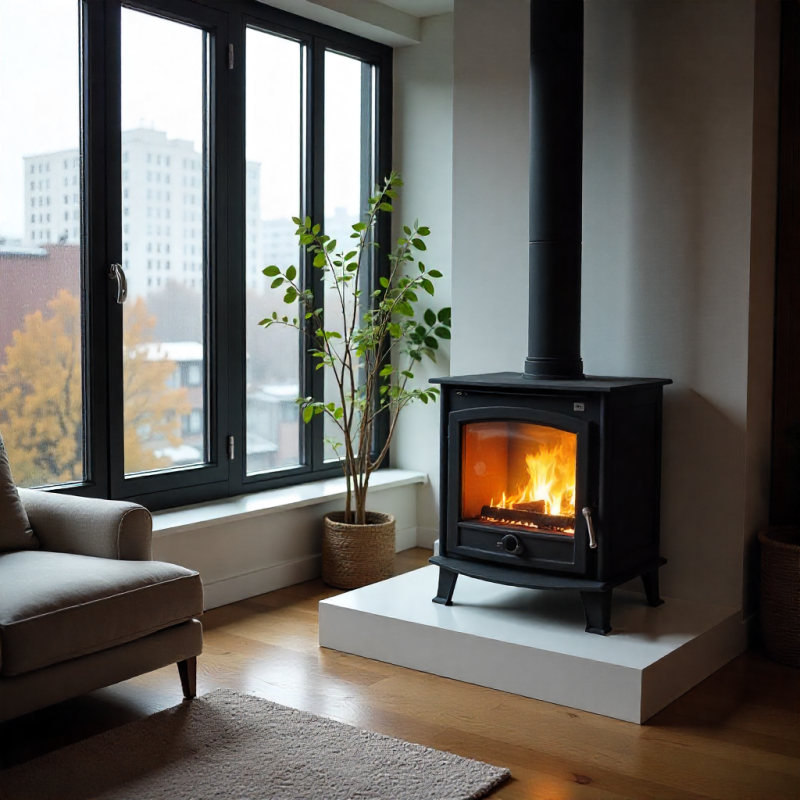
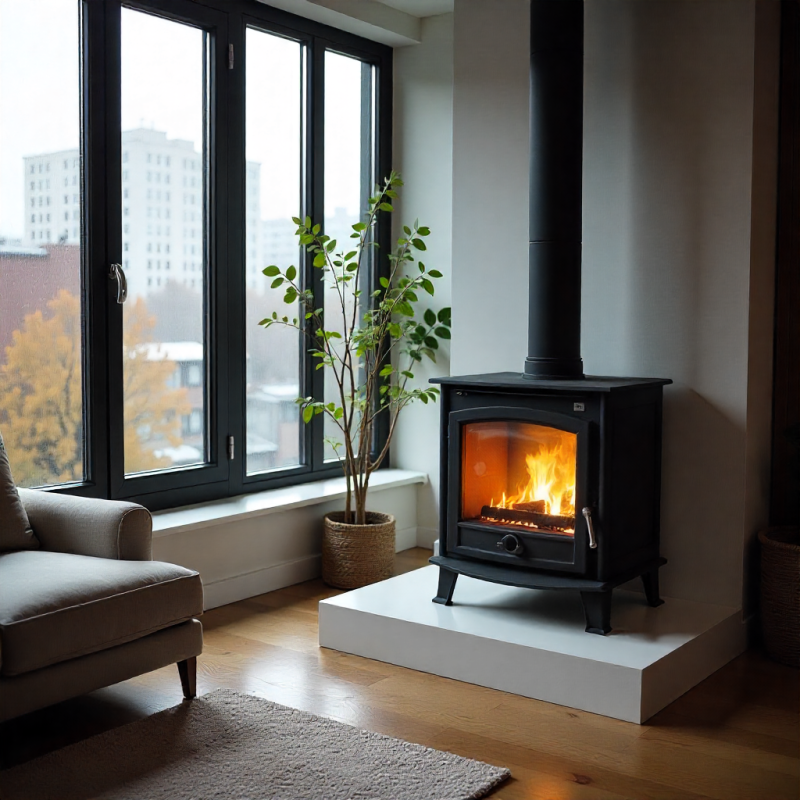
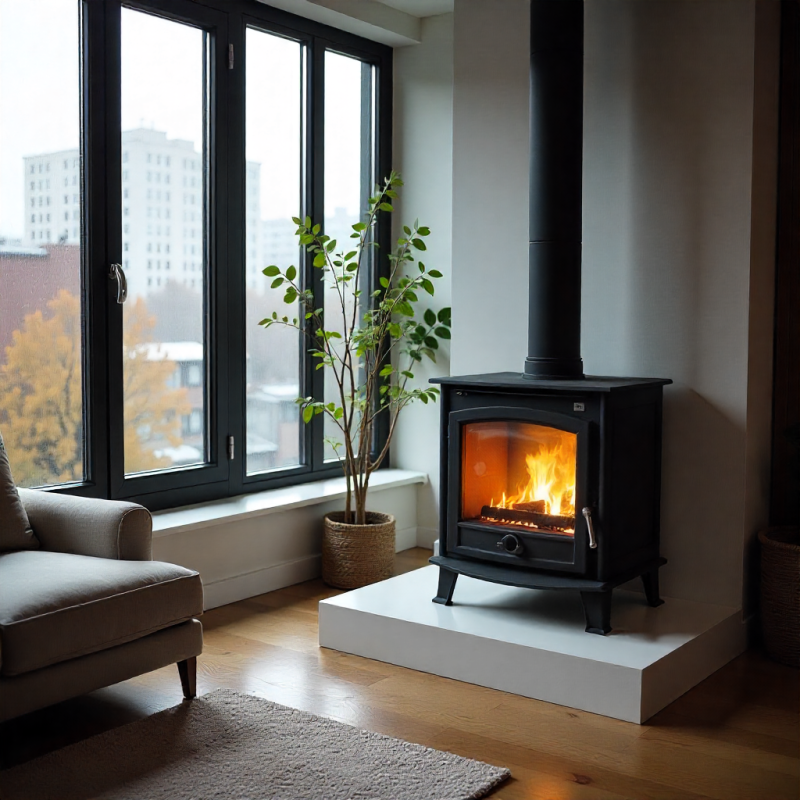
A closed combustion fireplace is one of the smartest heating investments a South African homeowner can make. Unlike an open hearth that loses most of its heat up the chimney, a closed combustion unit burns wood in a sealed firebox — capturing and radiating far more warmth into your room. That efficiency is exactly why sales of freestanding wood-burning fireplaces have surged every winter, particularly in Cape Town, the Western Cape, and the Highveld where temperatures drop sharply after dark.
This guide covers everything you need to know before you buy: how they work, the different types available locally, what you can realistically expect to pay in 2026, and the key specs that separate a good unit from a great one.
What Is a Closed Combustion Fireplace?
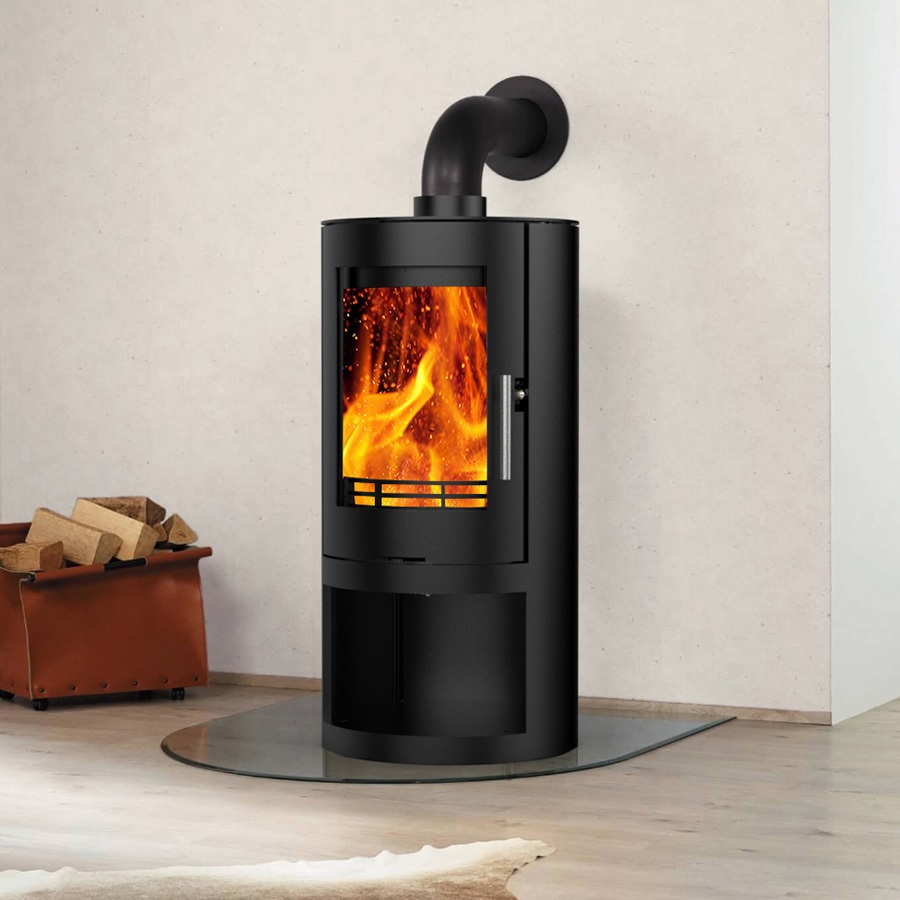
The defining feature is the sealed glass door. Once you load wood into the firebox and close the door, air intake is controlled by one or two vents — usually a primary vent at the base and a secondary vent at the top. This precise air control achieves two things: it keeps the fire burning hot enough to re-burn gases before they escape (called secondary combustion), and it lets you dial the burn rate up or down by adjusting the vents.
Compare that to an open fireplace, which pulls in unlimited air, burns fast and dirty, and sends the majority of its heat straight out the flue. A well-designed closed combustion unit can reach efficiency ratings of 70–85%, whereas a traditional open fire rarely exceeds 20–30%. For South African winters — where you want steady warmth over several hours without constantly feeding the fire — the closed combustion design wins hands down.
It is worth noting that many buyers also consider gas vs wood-burning fireplaces before settling on wood. Gas is convenient, but during load-shedding a gas fireplace with an electronic ignition may need a power source — whereas a wood closed combustion unit is completely off-grid by nature. That independence is a genuine advantage in the South African context.
Types of Closed Combustion Fireplaces Available in South Africa
There are three main formats. Understanding the differences early will save you from an expensive mismatch.
Freestanding (Stove-Style)
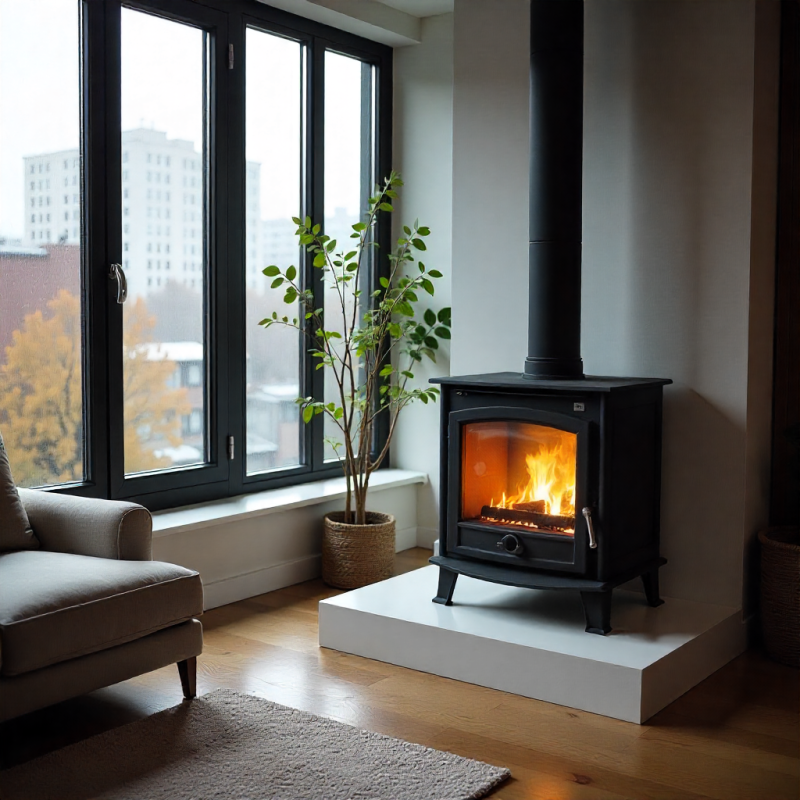
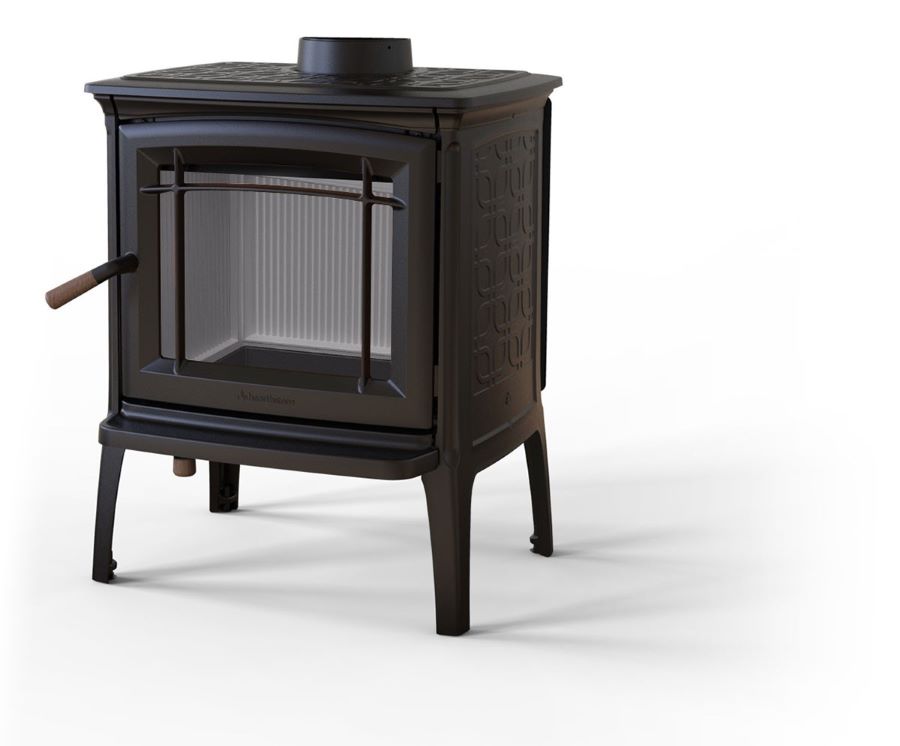
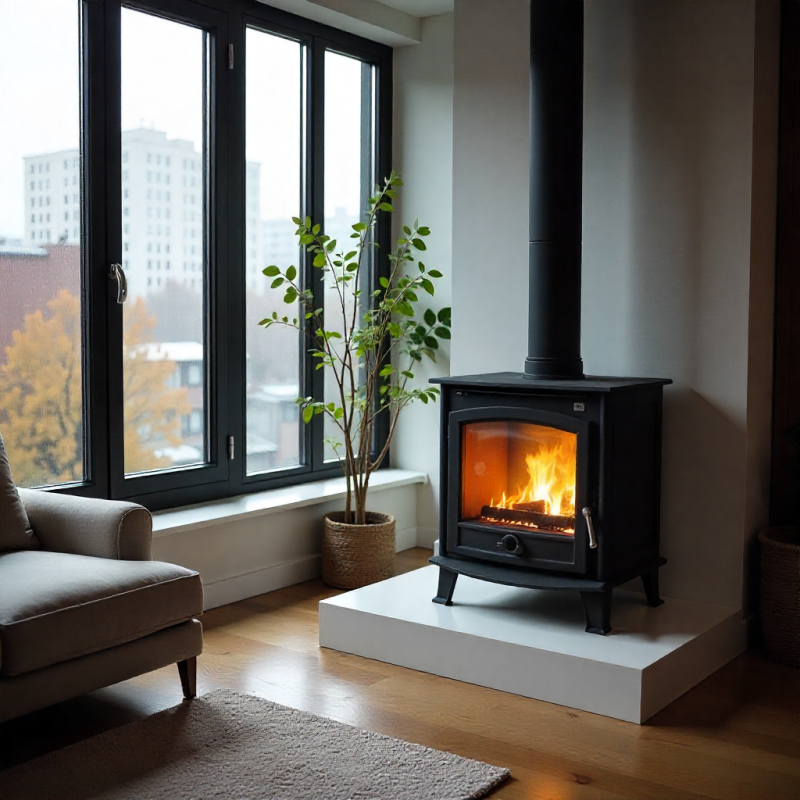
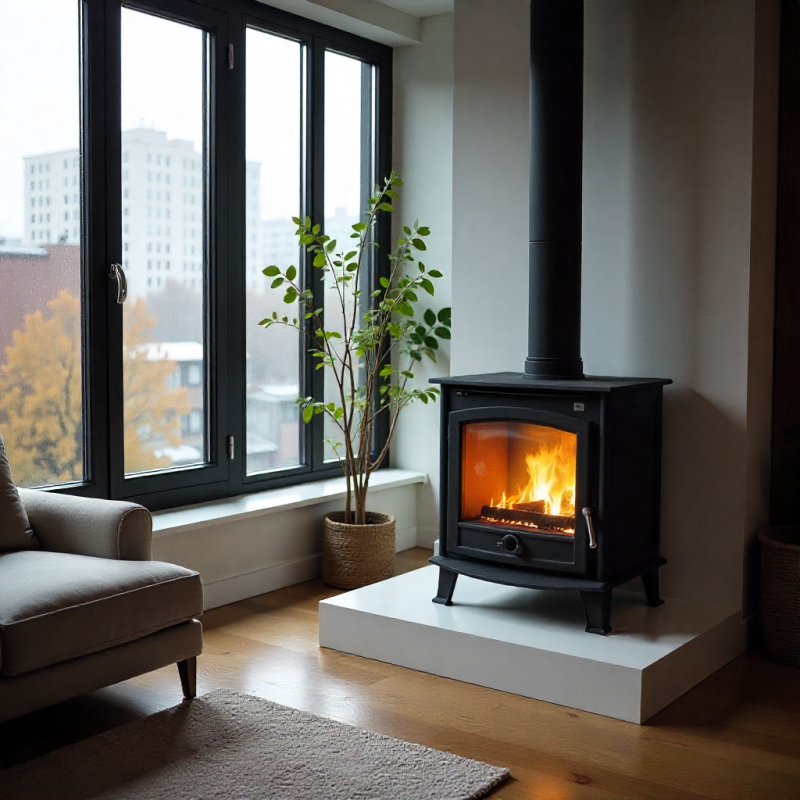
These are the classic cast-iron or steel units on legs that sit in front of — or in an existing — hearth. They are the easiest to install because they only need a flue running to the outside; no major brickwork is required. Freestanding closed combustion fireplaces radiate heat in all directions, which is ideal for open-plan living areas. They come in compact sizes (4–6 kW for small rooms) right up to large units (12–18 kW) that can heat a substantial portion of a house.
Built-In (Insert or Cassette)
A built-in closed combustion fireplace is recessed into a wall or fireplace breast, giving a sleek, flush finish. Built-in fireplace inserts are particularly popular for renovations where owners want to replace an old open fireplace with something far more efficient. The installation is more involved — requiring a proper flue liner and often some brickwork — but the aesthetic result tends to be cleaner and more contemporary.
Double-Sided and See-Through
These units open on two sides, making them ideal for rooms that share a wall — a living room and dining room, for example. They are a premium option, typically R45,000 and upward before installation, and need careful flue planning. If you are exploring this format, read our guide to choosing between freestanding and built-in fireplaces to weigh the trade-offs before committing.
Choosing the Right Size: kW Output and Room Volume
Sizing a fireplace correctly is the single most important decision you will make. Too small and it won’t heat the room; too large and you will be managing a roaring fire with doors wide open just to prevent overheating — which defeats the purpose of closed combustion.
The rule of thumb in South Africa is roughly 1 kW per 10–12 m² of floor space in a reasonably insulated room, but ceiling height, window area, and how exposed the space is to wind all affect the calculation. A draught-prone older Cape Town home with high ceilings may need 30–40% more output than a newly built, well-insulated counterpart.
For most family living rooms (30–50 m²), a unit in the 8–12 kW range hits the sweet spot. For a bedroom or home office, 4–6 kW is typically sufficient. Read our full article on choosing the right fireplace for your home for a room-by-room breakdown.
Materials and Build Quality: What to Look For
The body of most closed combustion fireplaces is either cast iron or steel plate. Cast iron heats slowly but retains warmth longer once hot — great for colder inland nights. Steel heats faster but also cools faster. Many modern units combine a steel body with cast-iron internal baffles, giving you the best of both.
For South African coastal installations — especially in Cape Town, Hermanus, or any home within a few kilometres of the ocean — 304-grade stainless steel flue components are strongly recommended. The salt air that eats through mild steel in a season will leave 304 stainless untouched for decades.
The glass door is another quality indicator. Ceramic glass (not standard float glass) handles the thermal cycles of repeated heating and cooling without cracking. Look for a door that seats firmly against its rope seal — any air leaks there bypass the air-control vents and make the fire impossible to regulate.
Investing in quality insulated flues for your fireplace is equally important. Insulated twin-wall flue pipe keeps exhaust gases hot all the way to the cap, which improves draw, reduces creosote build-up, and makes the fire easier to light and control.
What Does a Closed Combustion Fireplace Cost in South Africa? (2026 Prices)
Prices vary widely depending on the brand, size, and format. Here is a realistic breakdown of what South African buyers are paying in 2026:
- Entry-level freestanding (4–6 kW): R8,000 – R15,000 unit cost
- Mid-range freestanding (8–12 kW): R16,000 – R35,000
- Premium freestanding (12–18 kW): R35,000 – R65,000+
- Built-in insert (8–14 kW): R20,000 – R55,000
- Double-sided units: R45,000 – R120,000+
- Installation (flue, hearth, fitting): R6,000 – R22,000 depending on complexity
For a complete cost breakdown including what drives installation prices up or down, see our fireplace installation cost guide for South Africa. Imported European brands (Dovre, Morso, Kratki, Godin) tend to sit at the upper end of the price scale; locally manufactured options offer competitive value without sacrificing quality. Always factor in the flue system when budgeting — a full twin-wall insulated flue run can add R8,000–R15,000 to the total.
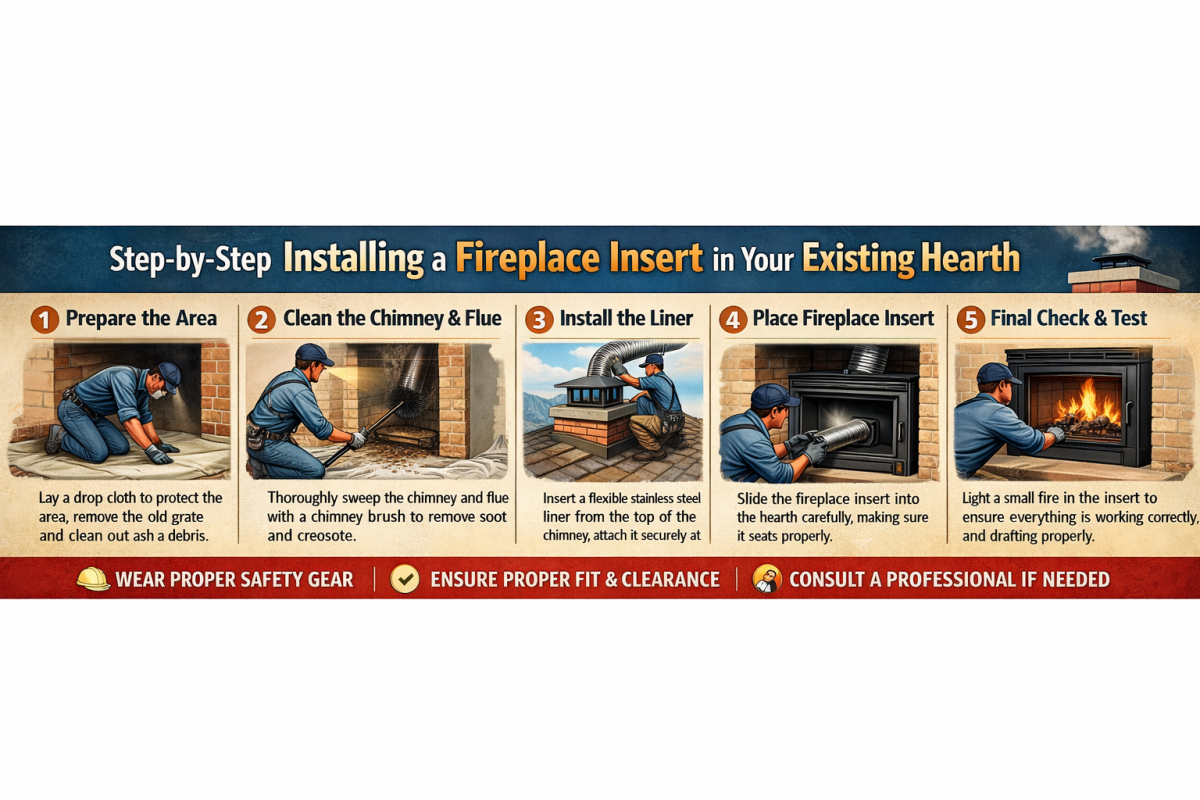
Installation: What the Process Involves
A closed combustion fireplace is not a DIY project. The flue must be sealed, properly sized to the unit’s output (typically 150 mm or 200 mm diameter), and correctly supported through ceilings and the roof. In South Africa, SANS 10400 Part T covers the fire protection requirements; local municipalities may also require a building inspection certificate.
A professional installer will assess your room, determine the ideal flue route, confirm that the hearth material (typically slate, tile, or concrete) meets fire-clearance requirements, and test the unit before handing over. For most freestanding installations on a single-storey home with a simple flue run, expect the job to take half a day to a full day. More complex built-in or double-sided installations can run two to three days.
Our team provides professional fireplace installation across Cape Town and the greater Western Cape. If you are ready to move forward or just want to confirm whether your space is suitable, request a free installation quote and we will come out to assess.
Frequently Asked Questions
How efficient is a closed combustion fireplace compared to an open fire?
A quality closed combustion unit typically achieves 70–85% thermal efficiency, meaning 70–85 cents of every rand’s worth of firewood becomes usable heat in the room. An open fireplace rarely manages more than 20–30% — the rest exits through the chimney. Over a winter season, that difference in efficiency translates directly into lower wood bills and a warmer home. If you are unsure which format suits your space, browse our full fireplace collection for a side-by-side look at available models.
What wood should I burn in a closed combustion fireplace in South Africa?
Always use seasoned (dry) hardwood. In South Africa, common options include bluegum (eucalyptus), rooikrans, and black wattle. Wood should be split and air-dried for at least six months — ideally twelve. Moisture content below 20% is the target; a simple wood moisture meter (available at most hardware stores for under R300) makes it easy to check. Wet wood produces excessive smoke, accelerates creosote build-up in the flue, and smothers the secondary combustion process that makes closed combustion units so efficient.
Do I need planning permission to install a closed combustion fireplace in South Africa?
In most municipalities, a fireplace installation that penetrates the roof requires a building plan submission or at minimum a certificate of compliance from a registered professional. Requirements vary between the City of Cape Town, the City of Johannesburg, and smaller municipalities. Your installer should be familiar with local requirements and can advise accordingly. Getting this right protects your home insurance and prevents issues when you eventually sell.
Can I use a closed combustion fireplace during load-shedding?
Yes — this is one of the biggest practical advantages of wood closed combustion over gas or electric heating. The unit operates entirely without electricity: no ignition system, no blower (unless you optionally add one), no electronic controls. Light the fire with kindling and newspaper; adjust the air vents manually. During a stage 4 or stage 6 outage, a wood closed combustion fireplace keeps your living area warm without any dependence on the grid. If you are weighing a freestanding vs a built-in format for load-shedding resilience specifically, our guide on freestanding vs built-in fireplaces walks through the practical differences.
Ready to Find Your Closed Combustion Fireplace?
A well-chosen closed combustion fireplace will serve your family for 20–30 years. The initial cost is real, but so is the payback — in warmth, atmosphere, and winter evenings that genuinely feel like home. Whether you are after a compact unit for a bedroom or a large freestanding showpiece for an open-plan living area, our team can help you match the right unit to your space and budget. Speak to our team or browse our freestanding fireplace range to start narrowing down your options today.