
Got an Old Fireplace Stove? Here’s When to Restore — and When to Replace
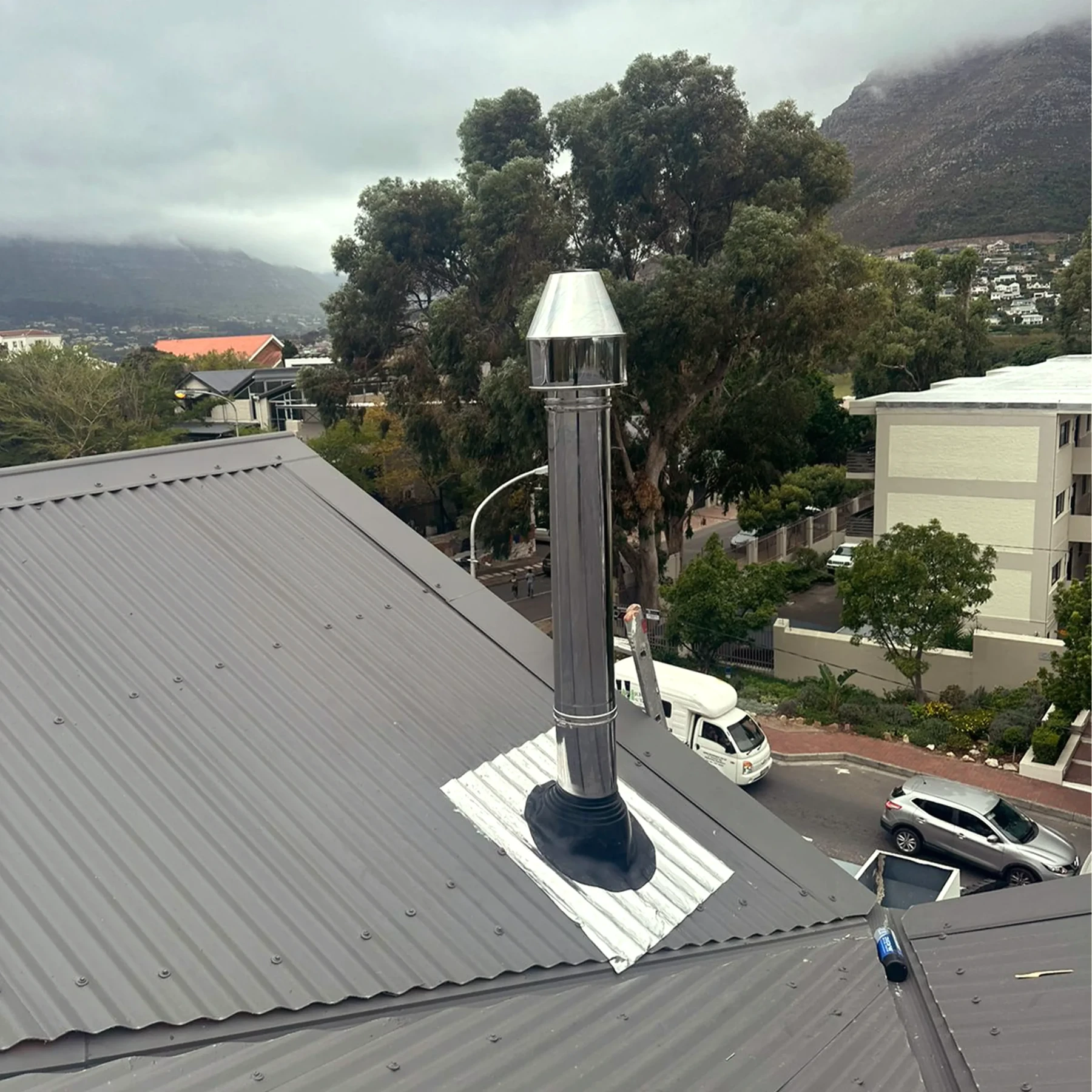
Got an old fireplace stove that’s not pulling its weight? Here’s how to assess it, what restoration actually costs, and when replacing makes more sense — with real SA prices.
An old fireplace stove sitting in the corner of your lounge might be the most underused asset in your home. Whether you inherited it with the house, sourced one from a salvage yard, or simply haven’t touched the unit in years, an old fireplace stove can still deliver serious, sustained heat — if you know what to look at, what to fix, and when to admit it’s time for something new.
This guide covers exactly that: how to assess an old unit, what restoration actually involves, when replacement makes more sense, and what you can expect to spend in South Africa right now.
What Qualifies as an Old Fireplace Stove?
The term is loosely used, but it generally describes one of three things:
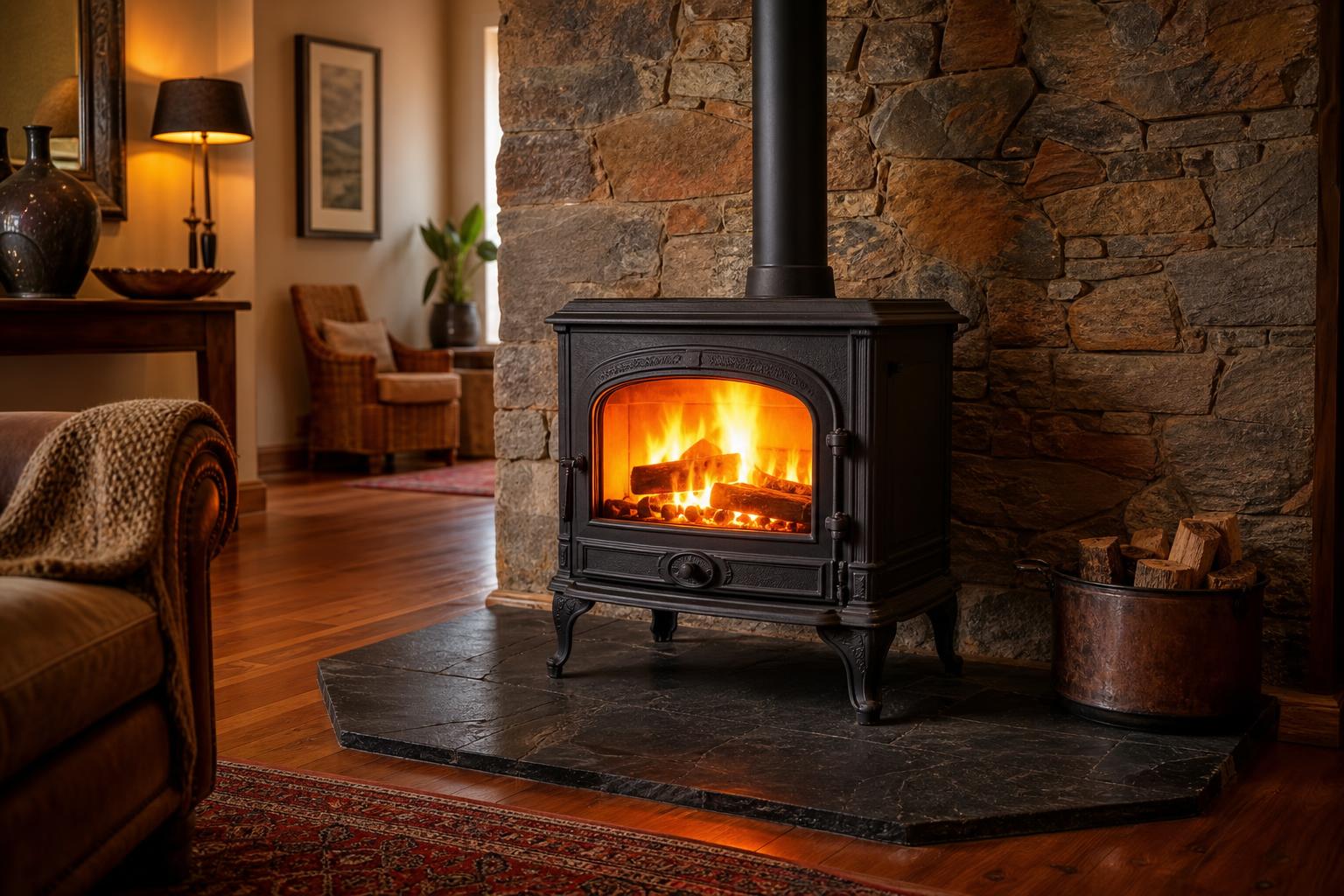
- A vintage cast iron freestanding stove — the classic beehive or box shape, often with decorative legs, an ornate door handle, and a simple grate
- A steel slow-combustion stove installed in the 1970s–90s that was the workhorse of many South African homes before modern closed-combustion designs became mainstream
- A well-used modern unit (10+ years old) that was once efficient but now has degraded seals, a cracked baffle, or an untouched flue
The structural quality of these units varies enormously. A well-cast iron stove from a reputable manufacturer can outlast two or three cheaper modern replacements. The question isn’t the age — it’s whether the core components are still sound. Our freestanding fireplaces page shows you what a modern equivalent looks like if you do need to replace.
How to Assess an Old Fireplace Stove Before You Spend a Cent
Before buying parts or calling anyone out, do this quick check yourself:
1. Check the firebox walls for through-cracks. A surface crack you can feel with your fingernail is cosmetic. A crack that goes all the way through — especially one you can see light through when the ash is cleared — is a fire risk and the stove should not be used.
2. Test the door seal. Close the door on a piece of newspaper. You should feel resistance pulling it out. If it slides freely, the rope seal has failed and you’re losing significant combustion air control — the main reason old stoves underperform.
3. Inspect the baffle plate. Open the door and look up. The baffle (a steel or ceramic board above the fire) should be intact and sitting in its guides. A warped, cracked, or missing baffle means hot gases escape straight up the flue instead of being absorbed by the stove body.
4. Check the flue draw. Hold a lit smoke match near the open door. The smoke should pull cleanly inward and upward. If it drifts back into the room, you likely have a blocked or partially blocked flue — the most common cause of a smoky old fireplace stove.
5. Look at the grate. A burned-through grate won’t support the fuel bed properly and lets ash fall too quickly, shortening your burn. Replacement grates for common sizes are widely available and usually cost under R700.
Is an Old Fireplace Stove Worth Restoring?
If the body is structurally sound — no through-cracks, no burned-thin walls — restoration is almost always worth it for a cast iron unit. Cast iron doesn’t rot the way mild steel does, and the investment in consumable parts is modest compared to the cost of a new stove and full installation.
A typical full restoration involves:
- New rope seal: R150–R300 for a 10–12mm ceramic rope + adhesive
- New door glass + tape: R200–R600 depending on size
- New baffle plate: R400–R900 (or a custom-cut one from a local fabricator)
- New grate: R200–R700
- Stove black / high-temp paint: R120–R250
Total parts outlay for a comprehensive restoration: R1,000–R2,700. Compare that against a new entry-level freestanding stove at R5,000–R12,000 plus R2,500–R5,000 for professional installation, and the maths often strongly favours restoration — provided the chimney and flue are in good shape.
Read our full fireplace installation cost guide for a complete breakdown of what a new installation in South Africa typically costs.
Old Fireplace Stove vs New: When to Replace
There are clear cases where replacement beats restoration:
- Through-cracked firebox body — structurally unsafe, not repairable
- Burned-thin steel walls — old mild-steel stoves can thin out over 20+ years of high-temperature cycling; tap the body and listen for a hollow, papery sound
- No available parts — some older units had proprietary baffles or oddly shaped glass panels; if no fabricator can match them, restoration becomes impractical
- Fundamentally inefficient design — very old single-combustion stoves with no baffle and no secondary burn can extract as little as 40–50% of the wood’s energy; modern closed-combustion units run at 70–80%+
If you’re replacing, understanding the difference between freestanding vs built-in fireplaces is your first real decision. Freestanding remains the most versatile option — minimal structural work, existing flue often reusable, faster turnaround — and modern units that reference classic old-stove styling are genuinely attractive.
Need help deciding? Our professional fireplace installation team offers assessments alongside installations — one visit is usually enough to tell you whether the old unit is worth keeping or should be retired.
Old Fireplace Stove and Load-Shedding: The Grid-Free Advantage
One reason old-school freestanding wood stoves have quietly regained popularity in Cape Town and surrounding areas is their complete independence from the grid. No electricity, no pump, no electronic ignition. Just wood, combustion, and radiant heat.
A properly sealed unit with a well-maintained flue will hold a solid hardwood load for 6–8 hours and continue radiating warmth into the room long after the fire dies down. Pair it with a wetback attachment and it can also heat domestic water — a significant bonus during Stage 4–6 outages.
This grid-independence is what sets wood-burning freestanding stoves apart from heat pumps, oil heaters, and electric underfloor systems when Eskom cuts power. For many South African households, it’s the single most compelling argument for keeping — or installing — a freestanding wood stove.
Browse our range of fireplaces to see what the current market offers, including contemporary freestanding models that reference traditional silhouettes while performing far better than the originals.
The Chimney Is Half the Story
Here’s what most people miss: a well-restored old fireplace stove in a neglected flue will still smoke, struggle, and underperform. The chimney isn’t optional maintenance — it’s the system that makes combustion work.
At minimum, have the flue swept once a year before winter. Creosote — the tarry byproduct of burning unseasoned or resinous wood — builds up in the flue lining over time. A partial blockage reduces draw; a severe build-up is a chimney fire waiting to happen.
Our chimney sweeping services include a full inspection and camera check where needed. For coastal homes, also have your flue system checked for salt corrosion — 304-grade stainless is the right spec for Cape Town and coastal areas, as mild steel sections degrade much faster near the sea.
For the complete maintenance picture, see our guide on chimney and flue maintenance.
Frequently Asked Questions About Old Fireplace Stoves
Can a restored old fireplace stove be as efficient as a new one?
If the combustion geometry is fundamentally sound — the baffle forces gases through the correct path, the door seals tightly, the grate provides good airflow from below — a well-restored old cast iron stove can reach 60–70% efficiency. It won’t match a top-tier secondary-combustion European unit at 80%+, but it’ll perform far better than a neglected stove with failed seals and a blocked flue.
Do I need a CoC for a restored old fireplace stove?
Yes. In South Africa, any fireplace or stove that has been worked on, relocated, or reconnected to a flue requires a Certificate of Compliance from a registered installer. This applies even if the unit was previously certified. The South African Bureau of Standards (SABS) sets the applicable standards for residential heating appliance installations.
How long does a cast iron old fireplace stove last?
A well-maintained cast iron stove can comfortably last 30–50 years. The body doesn’t corrode the way mild steel does, and the wearing components — rope seal, glass, grate, baffle — are all replaceable consumables. The main killers are through-cracks from thermal shock (usually caused by overfiring with too much air) and neglected chimney maintenance that slowly degrades draw and combustion.
What wood works best in an old fireplace stove?
Seasoned hardwood with moisture content below 20%. In the Western Cape, rooikrans, black wattle, and Australian wattle are widely available and burn well. Avoid green wood, treated timber, or anything resinous — these generate excess creosote, reduce heat output, and shorten the interval between chimney sweeps. A cheap moisture meter (R150–R300 at most hardware stores) is worth having to check your supply at the start of each season.
Ready to Restore or Replace Your Old Fireplace Stove?
Whether you’re squeezing more life out of a classic unit or want help choosing the right replacement fireplace for your home, the starting point is the same: get a professional assessment.
Request a free installation quote from our team. We’ll assess your existing setup, advise on the most cost-effective path — restore or replace — and handle everything from flue clearance to CoC certification.
Planning this kind of work?
Call or WhatsApp with your suburb and photographs. Fire Flames can discuss your fireplace, braai or home project and quote.
Get A Quote →