
Indoor Braai Smoke Problem: Causes and the Fixes That Work
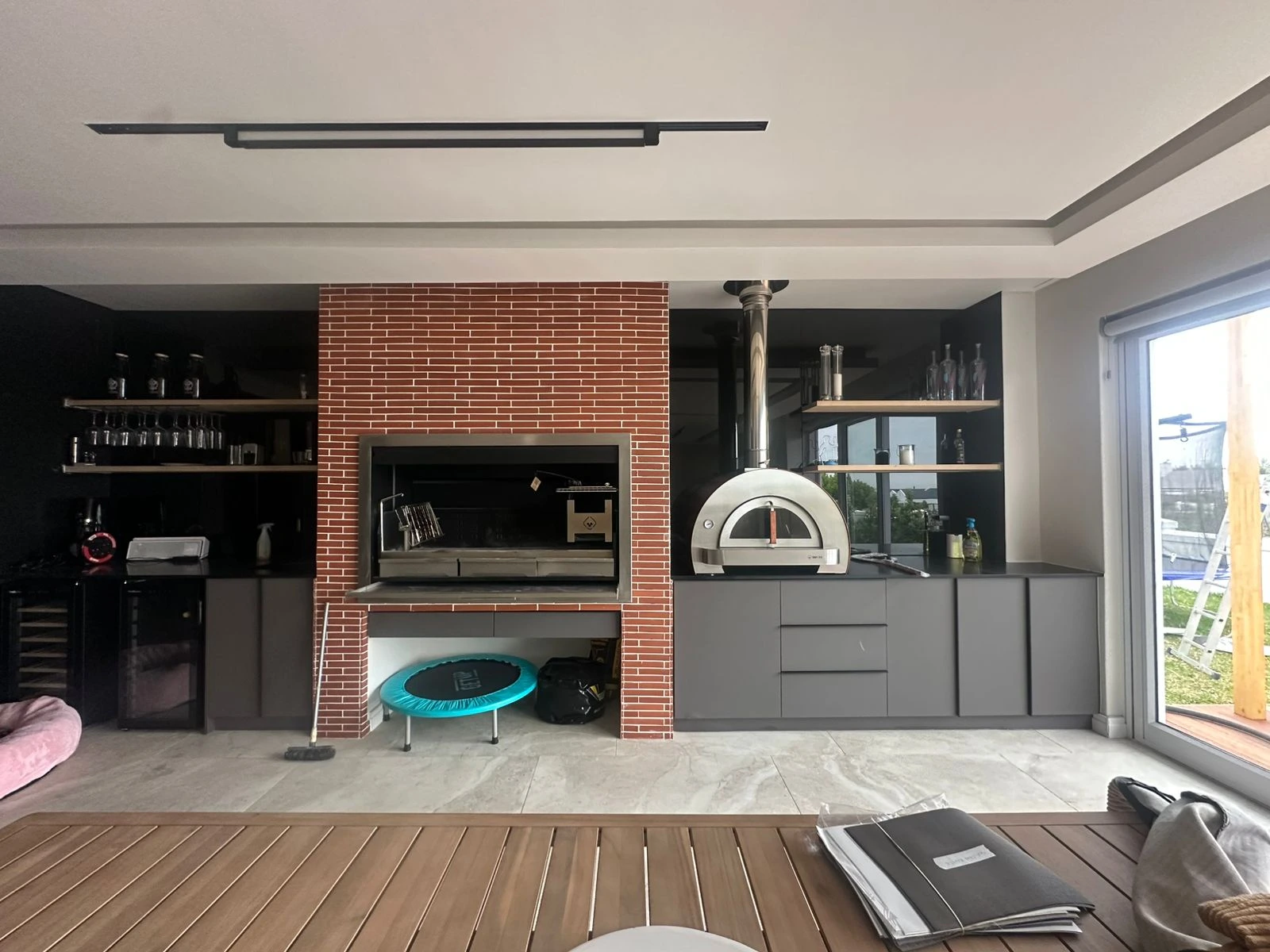
An indoor braai that smokes makes the whole room unusable. Here is why it happens, how to test it, and the building fixes that get the smoke going up the chimney where it belongs.
Quick answer
An indoor braai smoke problem nearly always comes down to one of five things: a chimney that is too short or too narrow for the fire, a canopy or throat that is the wrong shape, not enough fresh air coming into the room, wind pushing down the flue, or wet wood. The fix is usually a building job: a bigger canopy, a taller or wider flue, a cowl on the roof, an extractor fan, or a vent that lets air into the room.
An indoor braai should be the best room in the house in winter. When it smokes, it is the opposite. Eyes sting, the ceiling turns grey, the smell gets into the curtains and nobody wants to sit near the fire. Many people give up and only use it with every door wide open, which defeats the point of braaiing indoors.
Our team gets called to smoking braais in braai rooms, enclosed patios and entertainment areas across Cape Town. The good news is that most can be fixed without starting over. Here is how we work out the cause and what we do about it.
Is your indoor braai smoking you out? Send us a photo of the braai and the chimney on the roof, and we will quote the fix.
Why You Have an Indoor Braai Smoke Problem
Smoke goes up a chimney because hot air rises and pulls fresh air in behind it. Anything that slows that flow, or lets cold air push back down, sends smoke into the room. These are the causes we see most often.
The chimney is too short
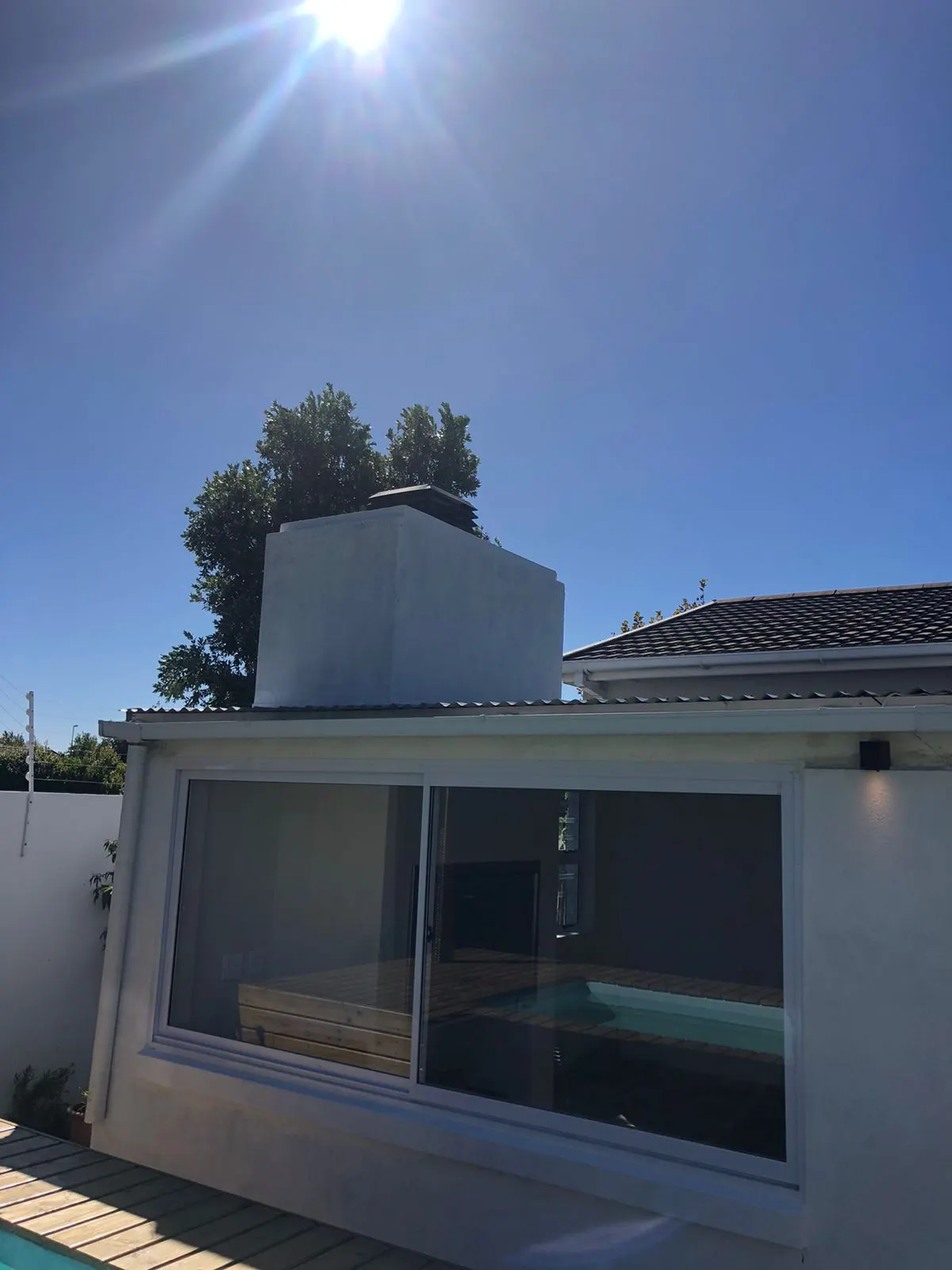
A short flue does not create enough draw, especially when the fire is first lit. If the top of the chimney sits below the ridge of the roof or near a taller wall, wind swirls around it and pushes smoke back down.
The flue is too narrow for the fire
A large braai with a small flue is like trying to breathe through a straw. The smoke cannot get out fast enough, so it spills from the front of the canopy. This often happens when a bigger braai unit is fitted into an old chimney.
The canopy or throat is the wrong shape
The canopy has to catch the smoke and funnel it smoothly into the flue. If it is too shallow, too small for the fire area or has sharp steps inside, smoke rolls out at the front edge.
The room is starved of air
Modern braai rooms are often sealed with glass doors and tight windows. A fire needs air to replace what goes up the chimney. With no air coming in, the chimney stops drawing and the smoke comes back into the room. A kitchen extractor running at the same time makes it worse.
Wet wood and the wrong fire
Green or wet wood smokes heavily no matter how good the chimney is. A huge fire lit right at the front of the braai can also overwhelm the canopy.
How to Test Your Indoor Braai Smoke Problem
Before you spend money, a few simple checks will point to the cause. Our team runs through these on a site visit.
Open a window and light a fire
If the smoke stops when a window or door is open, the room needs more fresh air, not a new chimney.
Watch where the smoke escapes
Smoke spilling from the front edge of the canopy points to a canopy that is too small or too shallow. Smoke puffing back on gusts points to wind at the chimney top.
Look at the chimney from outside
Check the height of the chimney compared with the roof ridge, nearby walls and trees.
Check the wood
Dry wood is light, sounds hollow when knocked together and has cracks in the ends.
If your braai room is still in the planning stage, our post on braai room ideas covers how to lay out the room so the smoke works with you from day one.
Fixes That Work for an Indoor Braai Smoke Problem
Once the cause is clear, the fix usually falls into one of these jobs.
A bigger or deeper canopy
Extending the canopy forward or making it deeper catches the smoke before it reaches the room.
A taller or wider flue
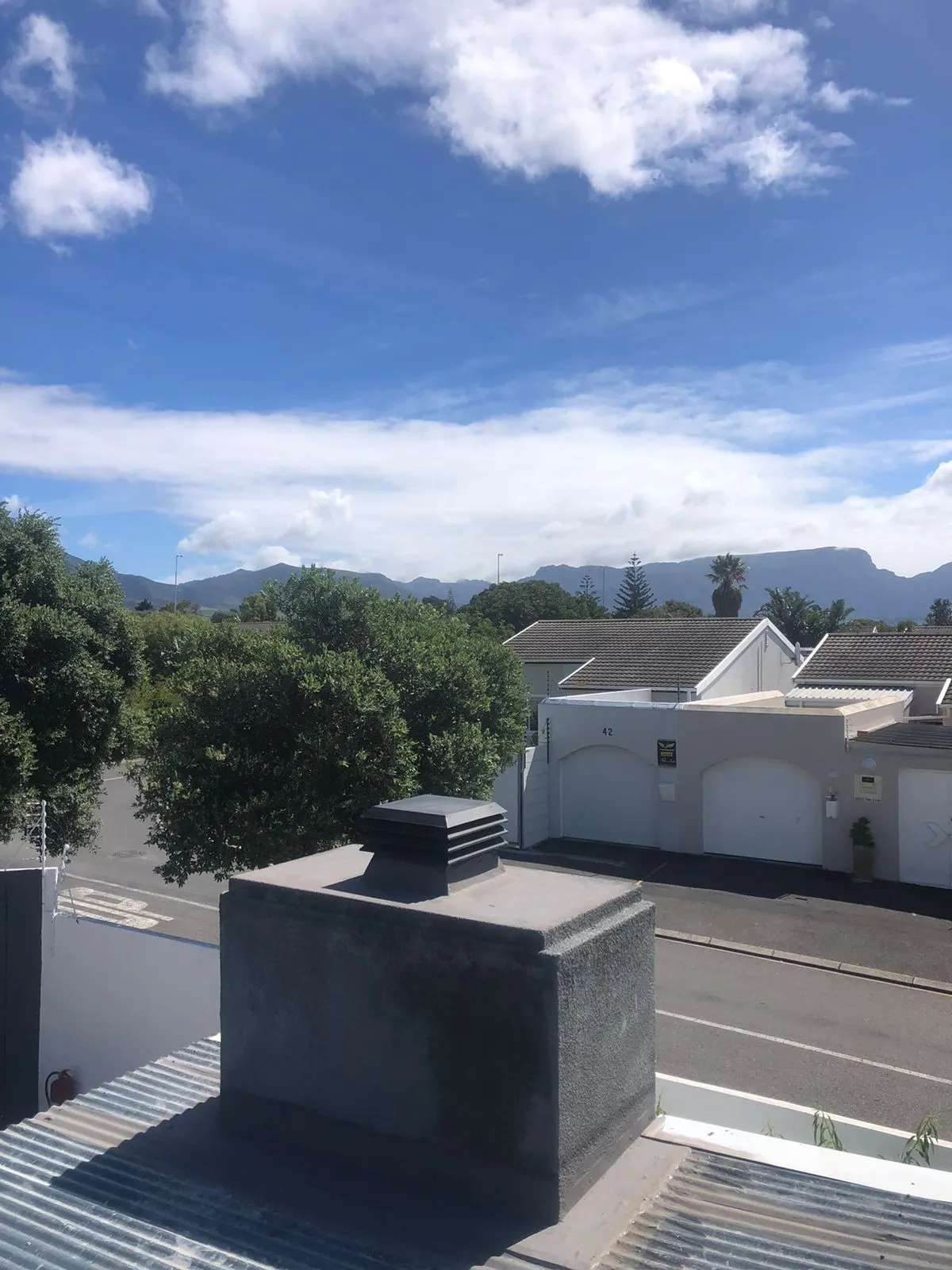
Raising the chimney above the roof line, or fitting a wider flue, increases the draw so the smoke goes up faster.
A cowl on the chimney
A cowl stops wind blowing down the flue and keeps rain out. It is often the quickest fix for smoke that puffs back on windy days.
A braai extractor fan
A fan in the flue pulls the smoke up mechanically. It helps where the chimney cannot be made taller or the room layout makes natural draw hard.
An air vent in the room
A vent near the braai lets fresh air in so the fire can breathe without the doors standing open.
For canopy, flue and extractor work, our built in braai chimney team handles the full job, from the canopy to the top of the stack. If wind is the problem, we also work as chimney cowl installers near me for homes across the city.
Not sure which fix your braai needs? Our team will test the draw, check the chimney and give you a written quote.
Single Wall or Insulated Flue?
The type of flue affects how well the chimney draws. An insulated flue stays warmer inside, so the smoke rises faster and less soot builds up. A single wall flue cools quickly, which can slow the draw on a cold night, especially on a long run. Our article on single wall and insulated braai flues explains the difference in more detail.
⚠ Safety first
Smoke in the room also means carbon monoxide in the room. If your indoor braai smokes, keep a window open while it burns, never close it up with coals still glowing, and fit a carbon monoxide alarm in the braai room.
Smoke Extraction Cape Town Homes Need in Windy Areas
Cape Town wind makes chimneys work harder. A south easter can blow straight down a short flue, and homes near the mountain get swirling gusts that come from different directions. In these areas a cowl, a taller stack or an extractor fan is often part of the build from the start, not an afterthought. An outdoor braai with chimney faces the same wind, so the same fixes apply under a patio cover.
Planning a New Indoor Braai Without the Smoke
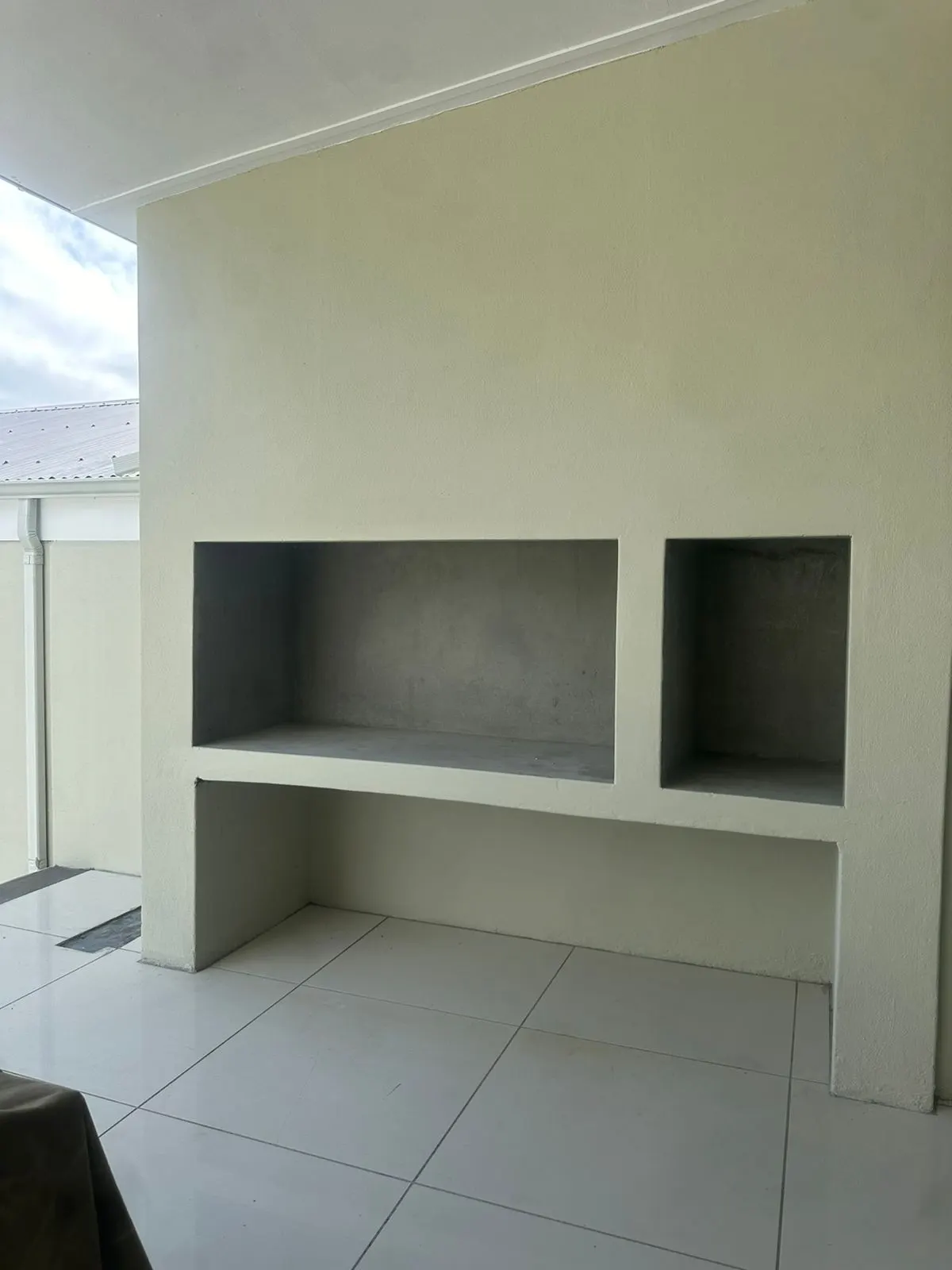
If you are building from scratch, the smoke problem is easiest to avoid on paper. Size the canopy and flue to the fire, plan the chimney height above the roof, and add an air vent to the room. A built in braai designed this way draws on the first fire. Our guide to indoor braais in South Africa covers the options for different spaces.
Why Cape Town Homeowners Choose Fire Flames
Fixing a smoking braai takes more than a new cowl from the hardware store. Our team looks at the whole system: the fire, the canopy, the flue, the roof and the room. We work across Cape Town, from Table View and Milnerton to the Southern Suburbs and the Helderberg, and we build complete indoor braai rooms as well as fixing existing ones. We quote after a site visit so the price covers the fix your braai actually needs.
Send us photos of your braai, the canopy and the chimney on the roof. We will come out, find the cause and give you a written quote.
Indoor Braai Smoke Problem: Common Questions
How do I fix an indoor braai smoke problem?
First find the cause. Open a window to test for air supply, check the chimney height and watch where the smoke escapes. The fix is usually a bigger canopy, a taller or wider flue, a cowl, an extractor fan or an air vent.
Why is my indoor braai smoke problem worse with the doors closed?
The room is not getting enough fresh air for the fire. As the chimney pulls air out, nothing replaces it, so the smoke comes back in. An air vent near the braai usually solves it.
Does a braai extractor fan stop smoke?
It helps a lot where the chimney cannot be made taller or the room fights the draw. The fan must be rated for braai smoke and heat, and fitted correctly in the flue.
Will a chimney cowl stop my braai smoking?
If the smoke puffs back on windy days, a cowl often fixes it. If the braai smokes all the time, the canopy or flue size is more likely the problem.
How tall should a built in braai chimney be?
Tall enough to clear the roof ridge and nearby walls so wind cannot swirl around the top. The right height depends on your roof, so we measure it on site.
Planning this kind of work?
Call or WhatsApp with your suburb and photographs. Fire Flames can discuss your fireplace, braai or home project and quote.
Get A Quote →