
Indoor Braais in South Africa: What to Budget in 2026
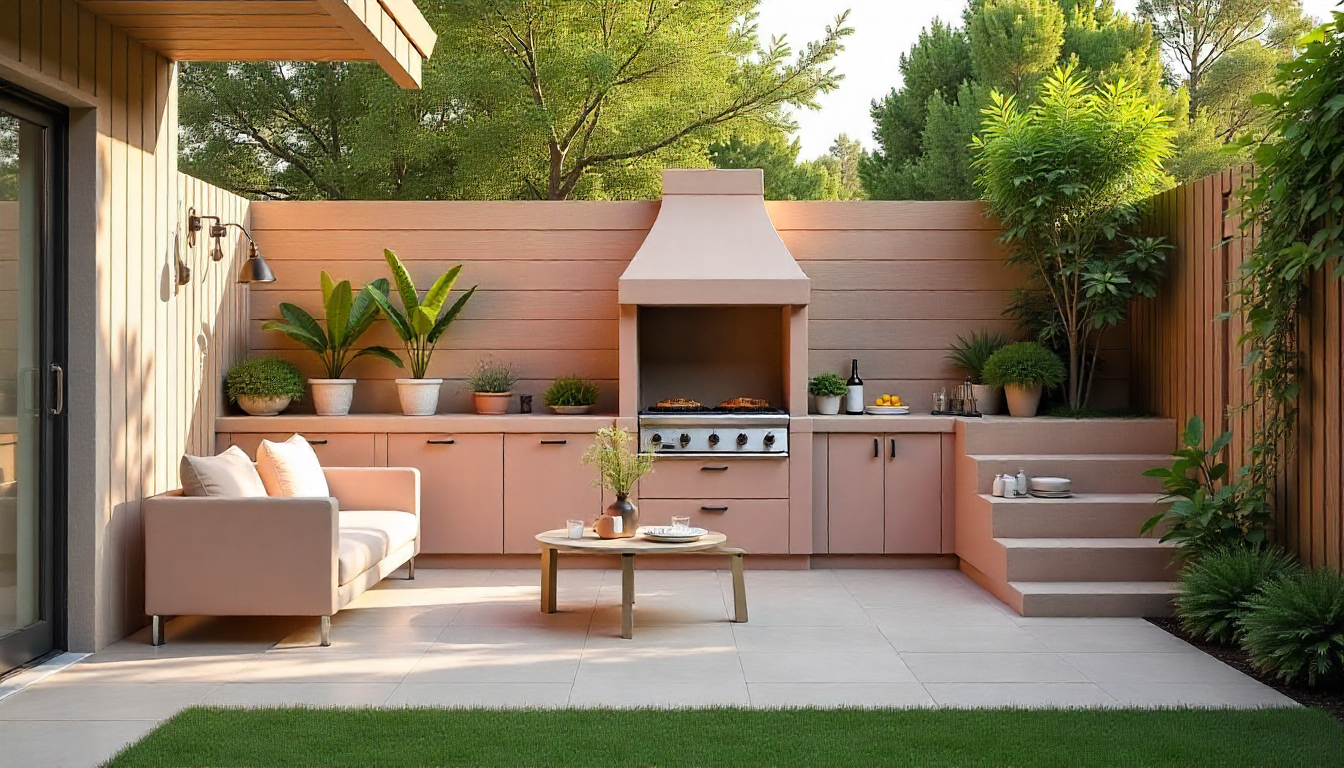
Thinking about adding an indoor braai to your home? This 2026 cost guide breaks down unit prices, flue requirements, installation labour, and what drives the total budget up or down across South Africa.
The South African braai is many things — a weekend ritual, a social centrepiece, a way of life. But for a growing number of homeowners, it is also becoming a fixture inside the home itself. Browse our braais and you will see the shift happening in real time: built-in braais designed specifically for indoor installation are in high demand, driven by smaller stands, multi-storey living, and — let’s be honest — load-shedding turning evening grilling sessions into a practical necessity rather than a luxury.
For general fire prevention context before planning an indoor braai, see the Fire Protection Association of Southern Africa.
If you are considering an indoor braai for your home in 2026, the most common first question is a simple one: how much will it cost? The honest answer is that it depends on several variables, but this guide walks through the full budget picture — unit costs, flue requirements, installation labour, and the factors that move the number up or down significantly.
What Counts as an Indoor Braai?
An indoor braai is any wood-burning or charcoal-burning cooking unit installed inside a habitable room — typically a kitchen, scullery, dining area, or covered entertainment space — and connected to a dedicated flue system that vents smoke directly outside. This is distinct from a gas braai, which can operate without a traditional chimney, and from an outdoor braai under a covered lapa, which falls into a different installation category.
The most common types installed indoors are:
- Built-in steel or stainless steel units — factory-manufactured braai boxes fitted into a masonry surround or kitchen counter cutout. The most popular choice for modern homes.
- Cast-iron and custom fabricated units — heavier-duty options that retain heat longer and suit a more traditional aesthetic.
- Gas braai units installed indoors — technically possible and increasingly popular; gas braais used indoors still require ventilation but eliminate the smoke management challenge entirely.
Indoor Braai Cost Breakdown for 2026
Below are realistic price ranges based on what South African homeowners are paying in 2026. These are full installed costs unless noted otherwise.
The Braai Unit Itself
- Entry-level steel built-in braai unit: R8,000 – R18,000 (supply only)
- Mid-range 304-grade stainless steel: R18,000 – R40,000 (supply only)
- Premium or large-format stainless steel: R40,000 – R80,000+ (supply only)
Coastal homeowners — particularly in Cape Town, the West Coast, and the Garden Route — should always opt for 304-grade or marine-grade stainless steel. Salt air accelerates corrosion in ordinary mild steel, and a unit that looks pristine inland can show rust within two years at the coast. The price premium for 304 stainless is R5,000–R15,000 depending on unit size, but it extends the serviceable life of the braai by a decade or more.
Flue and Ventilation
This is the component that surprises most first-time buyers. A wood or charcoal indoor braai cannot simply exhaust into the ceiling. It requires a purpose-built flue that runs vertically through the structure and exits cleanly above the roofline. Understanding single-wall vs insulated flues matters here, because the two carry very different price tags.
- Single-wall steel flue system (suitable for shorter runs): R6,000 – R12,000 installed
- Insulated double-wall flue (recommended for indoor runs through living spaces): R12,000 – R25,000 installed, depending on run length
- Masonry chimney built from scratch: R20,000 – R50,000+ (rare in new installations — most opt for steel flue)
Insulated flue systems are the better call for indoor braais. The insulation keeps the outer wall of the flue from getting hot enough to be a hazard inside the structure, and it improves draw — meaning the fire pulls more reliably and you get less smoke into the room.
Installation and Masonry Labour
- Basic installation into a prepared opening: R5,000 – R10,000
- Installation with new masonry surround and hearth: R15,000 – R35,000
- Full custom kitchen or scullery integration: R30,000 – R70,000+ (includes cabinetry, countertop cutouts, tiles, and extraction)
Total Installed Cost: What to Budget
- A practical indoor braai (mid-range unit + insulated flue + installation): R40,000 – R75,000
- A premium indoor braai with custom integration: R80,000 – R150,000+
- A gas braai installed indoors (no flue required, simpler fit): R25,000 – R60,000 all-in
These figures sit broadly in line with what we see on outdoor braai installations in Cape Town, where similar unit and labour costs apply — with the indoor version typically adding R15,000–R30,000 for flue work and structural penetration.
What Drives the Price Up (or Down)?
Several factors move the total meaningfully:
- Flue run length: A ground-floor kitchen with a two-metre run to the roofline costs far less than a first-floor room requiring the flue to pass through two floors of structure.
- Existing infrastructure: If you have an old chimney or fireplace opening, retrofitting a braai into it is significantly cheaper than starting from scratch.
- Unit size and grate area: A compact 600mm-wide braai is not the same investment as an 1,100mm wide island-style unit capable of handling a full leg of lamb.
- Stainless grade: 304 stainless at the coast, mild steel only inland. The grade difference is real money.
- Custom cabinetry and surrounds: Integrating the braai into a kitchen island or custom joinery is where costs escalate sharply — this is a completely separate trade from the braai installation itself.
If you are drawn to the idea of a full outdoor kitchen brought indoors, our guide on designing your outdoor kitchen with a braai and prep area explores the integration options in depth — many of those principles translate directly to indoor setups.
Load-Shedding and the Rise of Indoor Braais
South Africa’s electricity situation has changed how homeowners think about cooking infrastructure. An indoor braai powered by wood or charcoal is, by definition, off-grid. It works at Stage 6 just as well as a calm summer’s evening, and many homeowners have discovered that a properly installed indoor braai shifts a significant portion of their cooking — especially in winter — away from the electric hob or gas cylinder.
The combination of cultural preference, practical load-shedding resilience, and the genuine warmth an indoor braai generates in a Cape Town winter has made these installations one of the most-requested projects we handle. Our professional braai installation services cover planning, flue design, structural penetration, and commissioning — the full scope, not just the drop-and-go unit delivery.
Gas vs Wood-Burning: Which Makes More Sense for an Indoor Setup?
This is the most common question we field after budget. The short answer: gas is simpler to install indoors (no wood flue required), but wood delivers the flavour and the load-shedding independence that most SA buyers are actually after. Our full breakdown of gas vs wood braais and which is more economical covers running costs in detail, but for an indoor application specifically:
- Gas indoors: Cleaner air in the room, simpler ventilation, no ash management. Requires a gas supply line and adequate room ventilation. Works at load-shedding. A good choice for someone who entertains frequently and wants convenience.
- Wood indoors: Authentic flavour and the visual drama of an open fire. Requires a correctly designed flue (non-negotiable). Ash and charcoal need to be managed. Slightly higher installation cost. Beloved for winter evening cooking.
If you are undecided, consider your cooking style. Daily quick meals lean toward gas. Weekend slow-cook, social braai culture leans toward wood.
Frequently Asked Questions
Can I add an indoor braai to an existing kitchen?
Yes, in most cases — provided there is a practical flue route and the kitchen has enough ventilation. An older home with an existing chimney breast is the easiest retrofit. A modern open-plan kitchen may require more structural work to create a dedicated flue penetration. A site inspection by an experienced installer is essential before committing to a design.
Do indoor braais need a flue?
All wood-burning and charcoal-burning indoor braais require a flue. This is not optional — it is a fire safety requirement and the only safe way to manage smoke and combustion gases inside a living space. Gas braais used indoors require ventilation but not a traditional wood-burning chimney flue.
How long does an indoor braai installation take?
A straightforward installation into a prepared space typically takes two to three days. A job involving new masonry, flue penetration through multiple floors, or custom surround work can take one to two weeks. Plan for at least a week of disruption in a kitchen or entertainment area.
Does an indoor braai affect home insurance in South Africa?
It can. Many insurers require proof of professional installation for any fire-related fitting in a living space. A correctly installed braai with a compliant flue, installed by a qualified professional, should not cause an insurance problem — but always notify your insurer and keep the installation documentation on file. An unregistered DIY installation is a different story.
Planning an Indoor Braai in 2026?
The budget range is wide — from R40,000 for a practical, functional installation to R150,000+ for a fully integrated indoor cooking centrepiece. What stays constant is the quality of the flue, the grade of the steel, and the expertise of the installer. These are not areas to cut corners in a living space. If you are ready to get a proper scope and price for your home, request a free installation quote and our team will advise on the right unit, flue configuration, and installation approach for your specific layout and budget.
You can also explore the full built-in braai range and the custom braai island options if you want to think bigger than a standard unit — some of the most impressive indoor setups we have built started with that conversation.
Related reading
- Fire Pits for Sale in South Africa: 2026 Prices & Buyer's Guide
- How to Choose an Indoor Braai Stand (Without Getting Stuck With the Wrong One)
- Need it done professionally? See our braai installation in Cape Town service.
Planning this kind of work?
Call or WhatsApp with your suburb and photographs. Fire Flames can discuss your fireplace, braai or home project and quote.
Get A Quote →