
How to Choose a Homefires Braai That Fits Your Home and Budget
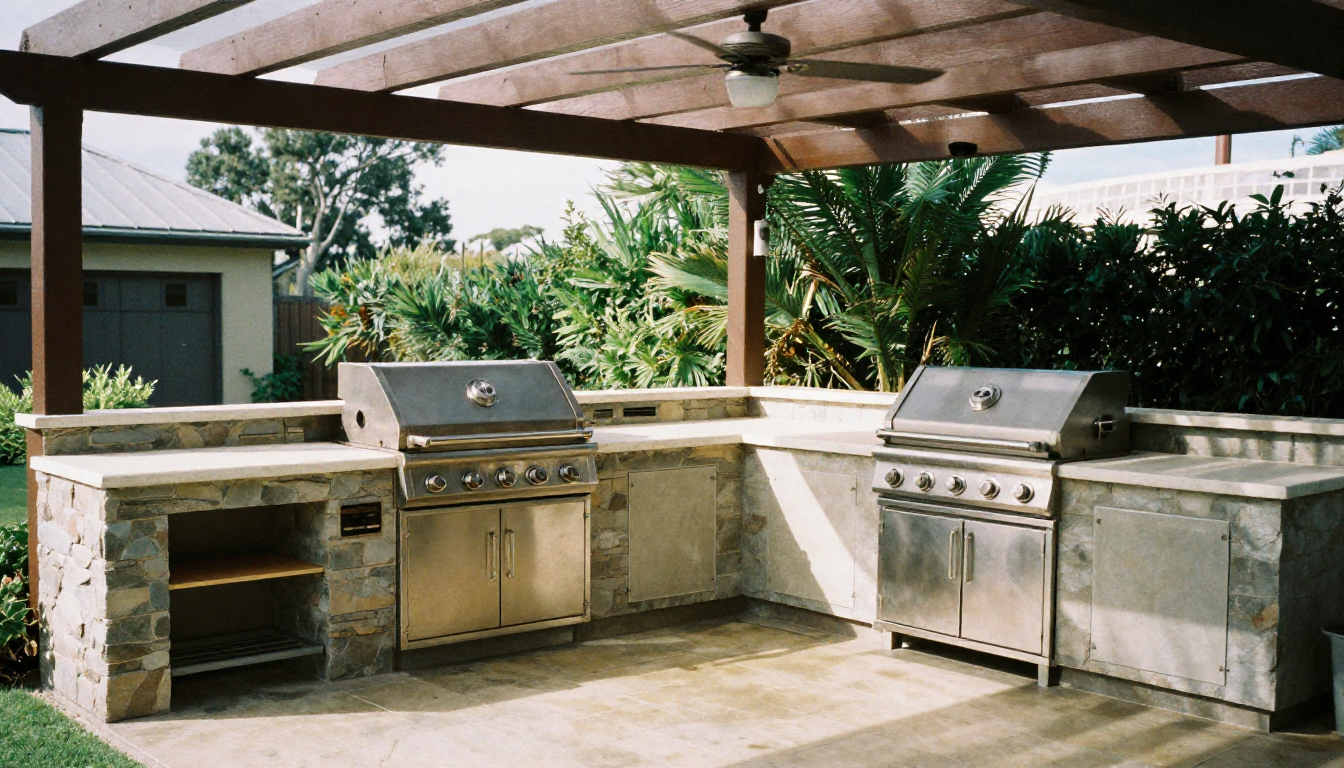
Choosing a Homefires braai? This guide covers the Commander, Standard and gas ranges, realistic Rand price ranges and how to size your unit correctly for your space.
A homefires braai is one of the most-recognised names in South African outdoor cooking — and for good reason. Homefires has built a reputation for heavy-duty, locally made braais that survive years of wood fires, salty coastal air and the daily punishment of an enthusiastic South African household. But with several ranges and dozens of sizes on offer, choosing the right model isn’t as straightforward as picking the biggest unit that fits your patio.
This guide walks you through the main Homefires braai ranges, their differences, realistic price ranges and the questions you should ask before you spend a rand.

If you’d rather skip the research and get a quote, our braai installation team can advise on which unit suits your space and handle the full build.
What Makes a Homefires Braai Different?
Homefires is a Cape Town-based manufacturer, which means their products are designed with South African conditions in mind — including the wind, salt air and load-shedding realities that shape how most of us actually braai. Their units are made from heavy-gauge mild steel or 304 stainless steel, with fire-brick lining in most models to retain and radiate heat more efficiently than bare metal.
Three practical advantages set Homefires apart from cheaper imports:
- Steel thickness: Most Homefires units use 4–6mm plate steel, which holds heat well and resists warping over seasons of hard use.
- Local spares availability: Grates, fire bricks and dampers are stocked by Homefires and their dealer network — unlike imported brands where replacement parts disappear from the market after a few years.
- Installation support: Homefires works with a network of installation specialists, making it straightforward to get a built-in braai done properly from supply through to completion.
The 5 Main Homefires Braai Ranges to Know
The Homefires braai range covers several product families, each designed for a different use case and budget.
1. Commander Series — the flagship built-in
The Commander is Homefires’ top-end wood-burning built-in braai. It’s designed to be set into a masonry structure — a built-in surround, a lapa, or an outdoor kitchen. The firebox is generous, the grate height is adjustable, and the damper lets you control the burn rate and heat output precisely.
The Commander is what most Cape Town braai specialists recommend when clients have the space and budget for a permanent, high-performance setup. Units typically retail from R8 500 for the standard size up to R16 000+ for the large format (firebox only, before surround or installation costs). A complete built-in project — including the masonry surround, tiling, chimney and labour — typically runs from R25 000 to R60 000 in the Cape Town market.
2. Standard Range — reliable everyday performer
The Standard range is a solid wood-burning unit at a more accessible price point. It lacks some of the heat-management refinements of the Commander but handles weekend family braais without complaint. It’s available in multiple widths (600mm, 750mm, 900mm), making it easier to fit into tighter built-in surrounds without a custom masonry build.
Standard units typically retail from R5 500 to R9 500. For many households, this is the sweet spot — enough quality to last 10–15 years, without paying for features you may not use.
3. Gas Braai Range — convenience without the ash
Homefires also produces a range of gas braais, both built-in and freestanding. These are popular among homeowners who want the convenience of instant ignition and temperature control without managing a wood fire. Lava rock or ceramic briquettes distribute heat and add a degree of smoky flavour.
Gas braais are particularly well-suited to apartments, town houses and smaller outdoor spaces where ventilating a wood fire is impractical. Load-shedding is not a factor — these run off LPG, so they operate independently of the grid. Expect to pay from R7 000 to R22 000 depending on size and whether you’re going built-in or freestanding.
4. Freestanding Braais — no construction needed
Not everyone has a permanent outdoor structure in which to install a built-in unit. Homefires offers a freestanding braai range — standalone units on legs or trolleys that sit on a patio and can be moved without any construction work.
Freestanding Homefires units range from compact kettle-style braais (good for small patios and rental properties) up to large trolley braais for entertaining groups. Prices run from roughly R3 500 to R12 000. If you’re still weighing freestanding versus built-in, our guide to choosing the best freestanding braai breaks down the trade-offs clearly.
5. Outdoor Kitchen and Custom Configurations
Homefires units are frequently the centrepiece of larger outdoor kitchen builds — combining a braai firebox with a gas side-burner, storage drawers, a prep counter and a pizza oven. If you’re thinking bigger than just a braai, see how custom braai islands are designed and built for some solid layout inspiration, and read our guide to designing your outdoor kitchen before you finalise a design.
Coastal Homes: Why the Steel Grade Matters
If you’re within a few kilometres of the ocean — the Cape Peninsula, False Bay coast, West Coast or anywhere along the Garden Route — mild steel braais rust faster than you’d expect, even with powder-coating or paint protection. Salt air is aggressive.
For coastal homes, specify a 304 stainless steel Homefires braai. These cost roughly 30–40% more than the equivalent mild steel model, but the longevity difference is real: a mild steel unit on the coast might last 5–8 years with regular maintenance; a 304 stainless equivalent will typically last 15–20+ years with minimal care. Over a decade, stainless is almost always the better financial choice.
How to Size Your Homefires Braai Correctly
Choosing a firebox that’s too small is one of the most common (and most frustrating) mistakes. A basic sizing guide:
- 600mm wide firebox: Suitable for 4–6 people; works well in smaller lapas or tighter built-in spaces.
- 750mm wide firebox: The most versatile size — suitable for most households (6–10 people) and the most popular format in Cape Town installations.
- 900mm+ firebox: For serious entertainers, large lapas or high-frequency use. Expect hotter fires and more active grate management.
The draw height above the firebox opening matters too. Most built-in surrounds should allow at least 400–500mm of clear draw space between the fire opening and the underside of the chimney breast, to prevent smoke pushing into the entertaining area. If your existing braai smokes into the room, the usual culprit is either a wind-affected chimney position or insufficient draw height — not the unit itself.
To see what’s available in each format, browse our full range of braais and filter by type or size.
What Does a Complete Homefires Braai Installation Actually Cost?
The unit price is only part of the picture. Below are realistic total-project ranges for the Cape Town market in 2026:
| Setup Type | Typical Budget (2026) |
|---|---|
| Freestanding braai (unit only, no installation) | R3 500 – R12 000 |
| Built-in braai unit + basic plastered surround | R15 000 – R35 000 |
| Built-in with tiled surround + chimney | R30 000 – R60 000 |
| Full outdoor kitchen (braai + counter + storage) | R55 000 – R120 000+ |
Gauteng and other major metros are broadly similar on materials; labour costs can vary. For a tailored quote, speak to our professional braai installation team — we cover the full Cape Town metro and surrounds.
Homefires Braai FAQ
Does Homefires handle both supply and installation?
Homefires is primarily a manufacturer and supplier. For installation they work through a network of accredited dealers and specialists. Fire Flame Installers is an installation partner in Cape Town — when you buy through us, we manage supply, build and sign-off in one process, so there’s no coordination gap between who sold the unit and who installed it.
Can I use a Homefires braai under a thatched lapa?
Yes — with the correct chimney setup and a spark arrestor at the flue cap. Thatch requires a properly designed flue to carry embers and heat safely above the roof line. This is not a DIY project; have an installation specialist assess your lapa before purchasing a unit, because the required chimney height and cap type will influence which Homefires model fits your space. Read more about outdoor braai installation in Cape Town for what a proper assessment covers.
Is the Commander suitable for a balcony or upstairs terrace?
Generally not — built-in wood-burning braais require a solid structural base and a permanent flue that vents correctly. A gas braai is a far more practical option for balconies and elevated terraces. If you’re in the planning stage, a site visit from an installer is the most useful starting point before you commit to a unit type.
How long will a Homefires braai last?
A well-maintained mild steel Homefires unit in an inland area typically lasts 10–15 years before the firebox shows significant wear. Stainless models run noticeably longer. Fire bricks usually need replacing every 5–8 years depending on use intensity. Because Homefires is a local brand, spares are readily available — one of the practical advantages over imported alternatives where parts may be unavailable within a few years of purchase.
Related reading
- Can You Install a Fireplace in an Existing Home? Yes — Here's How
- Combustion Fireplace Installation: How It Works, Costs & Compliance
- Need it done professionally? See our fireplace installation in Cape Town service.
Planning this kind of work?
Call or WhatsApp with your suburb and photographs. Fire Flames can discuss your fireplace, braai or home project and quote.
Get A Quote →