
Best Freestanding Braai for Your Outdoor Space
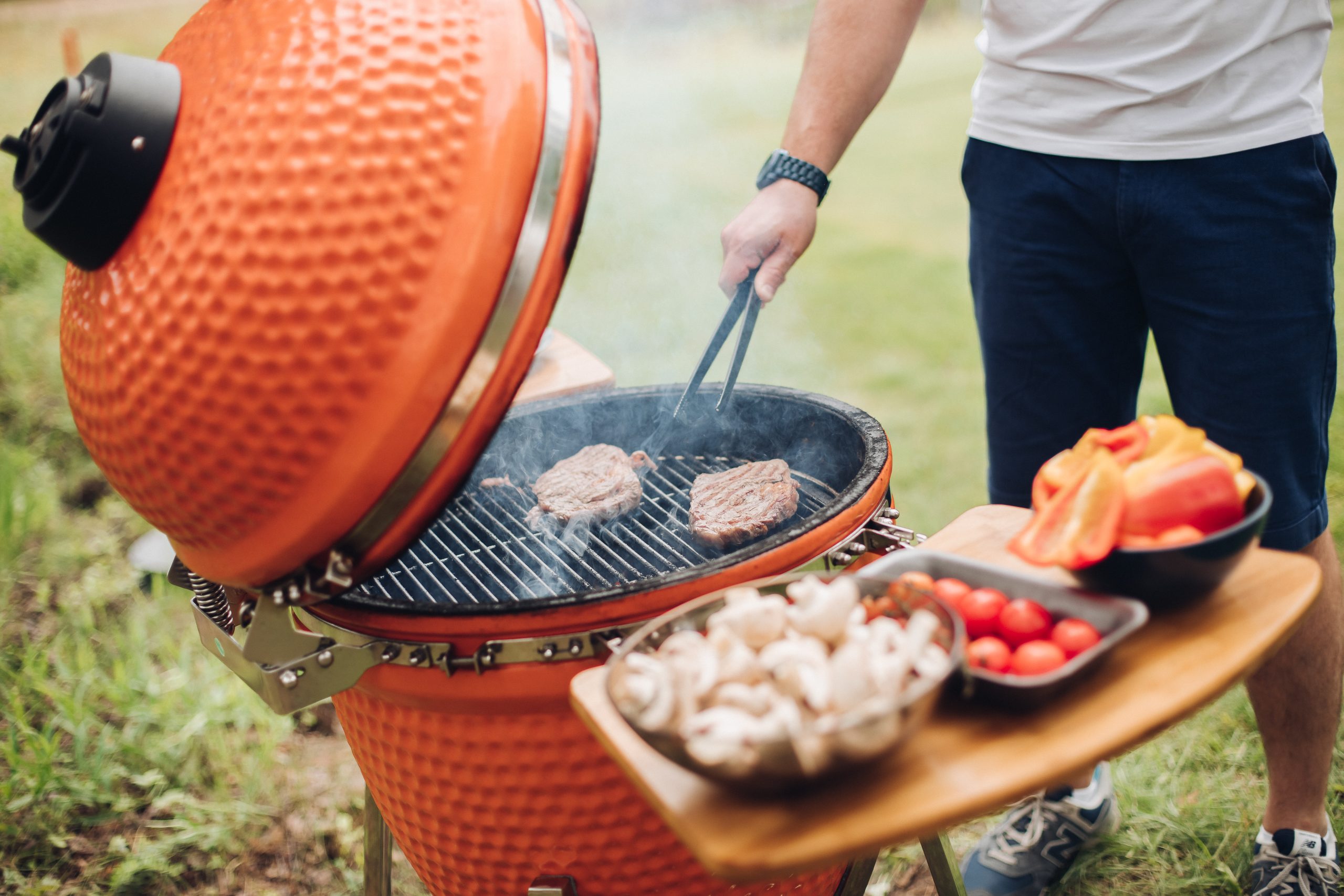
Finding the Best Freestanding Braai for Your Outdoor Space There’s something about a south african braai that just hits different. It’s not cooking — it’s a ritual. Friends gathering, flames dancing, that unmistakeable smell...
Finding the Best Freestanding Braai for Your Outdoor Space
There’s something about a south african braai that just hits different. It’s not cooking — it’s a ritual. Friends gathering, flames dancing, that unmistakeable smell of charcoal and seared meat drifting across the garden.
But here’s the thing: if you’re stuck with a tiny charcoal grill for your outdoor cooking that rusts after one winter, or you’re eyeing a built-in unit that costs more than your kitchen renovation, you’re missing the sweet spot. That’s where a freestanding braai comes in. No installation headaches. No permanent commitment. Just wheel it where you want, light it up, and get grilling.

We install braais across Cape Town — from Constantia patios to Strand backyards — and we’ve seen what works and what doesn’t. This guide breaks down everything you need to pick the right freestanding braai without wasting money on something that’ll gather dust.
Best Freestanding Braais by Budget
Here are our most popular freestanding braais at every budget — all in stock with live pricing. Each links to its product page for full specs.
Under R10,000 — compact & portable
- Home Fires – 580 Table braai — R3,737
- Home Fires – JanBraai kit complete — R4,576
R10,000–R20,000 — mid-range
- Home Fires – KampBraai — R10,878
R20,000+ — premium
- Home Fires – 800 freestanding braai — R20,297
- Home Fires – 1000 freestanding braai — R24,232
- Home Fires – 1200 freestanding braai — R25,192
- SAFire – Plateau Wood Firepit & Braai — R25,995
Want help choosing the right freestanding braai for your space? Send your details and we’ll recommend the best fit and an installed price.
Request a Free Braai Quote
What is a Freestanding Braai?

A freestanding braai is exactly what it sounds like — a self-contained braai unit that sits on its own stand or legs. Think of it as a braai stand with the firebox, grid, and ash pan all built in. No built-in cabinetry. No custom countertops. No construction crew needed.
Unlike a built-in braai that gets cemented into your patio wall, freestanding braais are portable. You can move them around, take them with you if you move house, or even relocate them from the patio to the lawn for a bigger gathering. They come in all sizes, from a portable braai you throw in the bakkie to full stainless steel units. Portable braais have become increasingly popular that could feed a rugby team.

The south african braai culture leans heavily toward charcoal and wood, so most freestanding braais — and charcoal braais in particular — are designed for that. But you’ll also find gas options and combo units that do both. The range of braai options available gives you real choice. The point is flexibility — something built-in braais just can’t match.
Why a Freestanding Braai Beats a Built-in
We’ve installed plenty of built-in units over the years. They look great. But for most homeowners, a freestanding braai makes more practical sense. Here’s why:
- No installation cost — built-in braais need a contractor, brickwork, and sometimes council approval. A freestanding braai? Unbox and go.
- Portable moving house? Take it with you. Redoing the patio? Wheel it aside.
- Price range — you can get a solid drum braai from R500, or go all-in on a premium unit. Way more options at every budget.
- No permanent space commitment — you’re not carving out a section of your patio forever.
- Easier maintenance — access all sides for cleaning. Try that with a built-in.

That said, if you’ve got a dream setup planned — complete with outdoor kitchens and entertainment areas and the budget to match, built-in has its place. But for the other 90% of us? Freestanding braais deliver a better braai experience without the headache.
How to Choose the Right Freestanding Braai
Picking the right braai isn’t complicated, but it’s easy to overspend or undersize. Here’s what actually matters:

Size Matters More Than You Think
Most people buy too small. You think “it’s just me and the family” — but the moment you host a birthday or a rugby final, that tiny 600mm grill becomes a bottleneck. Here’s a rough guide:
- 800mm — good for small spaces, apartments, or couples. Handles 4-6 people comfortably. Budget: R10,000 to R15,000.
- 1000mm — the sweet spot for most south african homes. Fits 8-10 people, big enough for a proper braai without taking over your patio. Budget: R15,000 to R25,000.
- 1200mm — for the serious braai master. Large gatherings, multiple braais at once. Stainless steel models in this range hit R25,000 to R70,000.
If you’re unsure, go 1000mm. It’s the size we recommend most often. You’ll never wish you’d gone smaller.
Fuel Type: Wood, Charcoal, or Gas?
This one divides people. Different cooking methods suit different situations. Here’s the honest take:
Wood gives you that traditional south african flavour — the smoke, the crackle, the whole experience. Charcoal is cleaner and faster to get going. Gas is convenient but honestly, if you’re buying a freestanding braai in South Africa, you probably want that real fire feel.
Combo units (gas and wood) are growing fast — about 15% of the market each year. They’re not cheap though, ranging from R19,000 to R90,000. Great if you want the convenience of gas for a midweek chop and the real deal for a Saturday braai.
Material and Build Quality
For a modern outdoor aesthetic, stainless steel is the gold standard for longevity, especially in Cape Town’s coastal areas where regular steel rusts fast. Mild steel is cheaper but you’ll be repainting and treating it every year. For a freestanding braai you want to last a decade, stainless steel is worth the premium.
Top Freestanding Braais We Install
These are the models we see requested most across the Helderberg basin and greater Cape Town. We’ve installed all of them and can speak from experience.
Home Fires 800 Freestanding Braai
Home Fires is probably the most popular braai brand in South Africa, and for good reason. Their sizes run from 580mm all the way up to 1500mm, but the 800 is their entry-level freestanding model.
It’s compact, well-built, and perfect if you’re working with a smaller outdoor area — think apartment balconies or compact courtyard patios. At R10,000 to R15,000, it won’t break the bank either. The grid is big enough for a family of four, and the build quality means it’ll handle coastal weather if you keep it covered.
Home Fires 1000 Freestanding Braai

This is the one we install most. The Home Fires 1000 hits the perfect balance — enough cooking area for 8-10 people, solid construction, and a price point (R15,000 to R25,000) that doesn’t sting. It works well with both wood and charcoal, has adjustable grids, and the ash pan is easy to clean out.
If you’re only buying one braai and want it to handle everything from a Tuesday night steak to a New Year’s Eve cookout, this is it. We’ve installed dozens of these in Gordon’s Bay, Somerset West, and Stellenbosch, and the feedback is consistently positive.
Home Fires 1200 Freestanding Braai

The 1200 is for people who braai seriously and often. It’s got the surface area to cook for 15+ people, and in stainless steel, it’s built to outlast most other outdoor furniture. Prices run from R25,000 to R70,000 depending on the finish and extras.
We see these going into homes with larger outdoor entertainment areas — big patios, pool decks, that kind of thing. If you’re regularly hosting and you’re tired of doing three rounds of meat on a smaller braai, the 1200 solves that problem completely.
Safire Modi Freestanding Braai
SAFire is a premium south african brand, and the Modi is their standout freestanding model. Sleek design, excellent build quality, and it comes in at a higher price point that reflects that. It’s the kind of braai you buy once and never replace.
The Modi works well with both wood and charcoal. The airflow design means even heat distribution and less flare-up. If aesthetics matter to you — and they should, it’s sitting on your patio — the Modi is one of the best-looking freestanding braais on the market.
Safire Plateau Freestanding Braai
The Plateau is SAFire’s larger freestanding model, designed for bigger outdoor spaces and serious entertainers. It’s wider, heavier, and packs more cooking area. Premium pricing, but you’re paying for stainless steel construction that handles the Cape Town salt air without any drama.
We recommend the Plateau for clients who have the space and want something that doubles as a statement piece. It’s not a budget purchase, but it’s one of those things you’ll never regret buying.
Drum Braai: The Budget Option Worth Considering
Not everyone wants to drop R15,000+ on a braai. And that’s fine. A drum braai — the classic 44-gallon oil drum cut and converted into a braai — is a south african institution. They cost between R500 and R2,000 depending on size and finish.
They’re rough, they’re simple, and they absolutely get the job done. You won’t get adjustable grids or ash pans or fancy airflow systems. But you will get that smoky, traditional braai flavour that no expensive gas unit can replicate.
For a holiday home, a starter braai, or just something to throw in the back of the bakkie for a beach braai, a drum braai is tough to beat on value.
Can a Freestanding Braai Be Used on a Patio?
Yes — with some common sense. A patio is actually one of the most popular spots for a freestanding braai. A few things to keep in mind:
- Keep it away from low ceilings and overhanging structures. Flames and smoke need room.
- If you’ve got a thatch lapa, check your insurance requirements — some policies have rules about open flames near thatch.
- Make sure there’s decent airflow. A fully enclosed patio with no ventilation isn’t ideal.
- Consider a chimney or extractor if your patio is semi-enclosed.
We’ve installed freestanding braais on patios across the southern suburbs — most work fine as long as you think about clearance and ventilation before picking a spot.
How Much Does a Good Freestanding Braai Cost?
Whether you’re browsing braai stands for sale online or visiting a showroom, real talk — there’s a big range. Here’s what you’re looking at in the south african market:
- Budget (drum braais): R500 to R2,000
- Mid-range (Home Fires 800-1000): R10,000 to R25,000
- Premium (Home Fires 1200, SAFire Modi/Plateau): R25,000 to R70,000+
- Combo gas + wood: R19,000 to R90,000
Installation for freestanding braais is minimal — usually just assembly and positioning. If you need a concrete slab or flue installation, that adds cost, but it’s nowhere near what a built-in requires.
Is Wood or Gas Better for a Freestanding Braai?
Depends who you ask. Ask any south african and they’ll say wood, no question. The flavour, the smell, the experience — that’s what a braai is about.
But gas has real advantages: instant heat, temperature control, no charcoal to buy and store, easy clean-up. If you braai three times a week and just want food on the table fast, gas makes sense.
The best answer for most people? Get a combo unit. Use gas for the quick Tuesday night boerewors, and wood for the weekend proper braai. Best of both worlds.
Braai Stands and Portable Braais: When Portability Matters
Not every braai situation calls for a permanent setup. Sometimes you need something you can throw in the boot, set up at Kogelberg, and pack away before dark. That’s where a good braai stand earns its keep.
The simplest option is a basic braai stand — a metal frame with a grid on top. They’re light, cheap (R200 to R800), and surprisingly effective for a quick weeknight cook. Drum braais sit a step up: they’re the classic portable braai that’s been a staple at beach braais from Strand to Langebaan for decades. Foldable braai stands have also come a long way — some collapse flat enough to slide behind the back seat.
For camping trips and day outings, portable braais make the whole experience. No lugging a 60kg stainless steel unit to the campsite. A compact portable braai weighing 5-10kg does the job and packs down in minutes. Some come with carry bags, adjustable legs, and built-in ash catchers — proper outdoor cooking gear without the bulk.
Where do you find braai stands for sale? Builders Warehouse and Game carry the basics. For better quality, specialist retailers like Cape Union Mart (for camping-focused units) or dedicated braai shops in Somerset West stock wider ranges. Online, Takealot and Makro have decent braai options with delivery to your door. Just watch the reviews — cheap imports from overseas often can’t handle the heat from hardwood coals and warp after a few uses.
If you braai mostly at home but want something you can relocate between the patio and the garden, a mid-weight freestanding braai on wheels is the smarter play. Portable braais are great for travel, but they’re not a replacement for a proper home setup. Think of them as your second braai — the one that lives in the garage for road trips and beach days.
Cooking Methods: Getting the Most from Your Freestanding Braai
Owning a great braai is one thing. Knowing how to use it properly is another. Most people stick to one approach — throw meat on, wait, flip, done. But your freestanding braai can do way more than that.
Start with the basics: direct vs indirect heat. Direct heat means cooking straight over the coals — perfect for steaks, chops, and boerewors that need a hard sear. Indirect heat means pushing the coals to one side and cooking on the other, letting the heat circulate like an oven. That’s how you do a whole chicken or a rack of ribs without burning the outside while the inside stays raw.
Two-zone cooking combines both. Bank your coals on one half of the grill, leave the other half empty. Sear your steak over the hot side for 2-3 minutes each way, then move it to the cooler side to finish slowly. Restaurant-quality results on a Home Fires 1000 in your backyard.
Smoking is another level entirely. Soak wood chips — hickory, cherry, or even local sekelbos — for 30 minutes, then scatter them over the coals. Close the lid if your braai has one, and let the smoke do the work. Low and slow. Four to six hours for a proper brisket. It’s not fast, but the flavour is something a gas grill simply can’t touch.
Don’t overlook the cast iron potjie pot either. Set it directly on the coals of your freestanding braai for stews, curries, and potjiekos that simmer for hours. Different cooking methods suit different meals — and the best braai masters use all of them depending on what’s on the menu. Outdoor cooking isn’t just about speed. Sometimes the slow approach produces the best results.
Setting Up Your Braai Area: From Patio to Outdoor Kitchen
Where you put your braai matters almost as much as which one you buy. A R30,000 SAFire Modi crammed into a corner with no airflow and bad lighting? That’s a waste.
For most homes, the patio is the obvious spot. Keep at least 1.5 metres clearance from any wall or overhead structure — more if you’re working with thatch or timber. Your outdoor space needs proper ventilation, especially if the patio is semi-enclosed. Smoke needs somewhere to go.
If you’re planning something more permanent, outdoor kitchens are worth the investment. A dedicated braai area with a countertop for prep, storage underneath for wood and charcoal, and maybe a small sink changes the whole experience. You stop running back and forth to the house kitchen. Everything’s within arm’s reach.
Modern outdoor kitchen designs pair freestanding braais with built-in cabinetry — you get the portability of a freestanding unit with the convenience of a fixed workspace around it. Add pendant lights or downlights for evening braais, a weatherproof cover for the off-season, and you’ve built something that adds genuine value to your property.
Lighting is the detail most people forget. Braaiing in the dark with a phone torch is nobody’s idea of fun. A couple of warm-toned outdoor lights above the braai area, and you can cook properly well past sunset. Think about it early — retrofitting electrical to a patio is expensive.
Frequently Asked Questions
What is the Best Freestanding Braai in South Africa?
For most homeowners, the Home Fires 1000 is the best all-round freestanding braai. It’s well-priced (R15,000 to R25,000), handles 8-10 people, and the build quality holds up for years. If budget isn’t a constraint, the SAFire Modi offers premium construction and a sleeker design.
How Do I Choose the Right Size Freestanding Braai?
Think about who you cook for most often. A couple or small family? 800mm works. Regular entertaining with 8+ people? Go 1000mm. Large gatherings often? 1200mm. When in doubt, size up — you’ll never complain about having too much grill space.
What Fuel is Best for a Freestanding Braai?
Charcoal and wood give you that authentic south african braai flavour. Gas is faster and more convenient. Combo units let you choose depending on the occasion. For the best flavour, hardwoods like sekelbos or rooikrans are hard to beat.
Can a Freestanding Braai Be Used on a Patio?
Yes. Just make sure there’s enough clearance from ceilings and walls, decent ventilation, and that you’re aware of any insurance requirements if you have a thatch roof or lapa.
How Much Does a Good Freestanding Braai Cost?
A solid mid-range freestanding braai costs between R10,000 and R25,000 in South Africa. Premium models with stainless steel construction range from R25,000 to R70,000+. Budget drum braais start at around R500.
Is Wood or Gas Better for a Freestanding Braai?
Wood delivers better flavour and the real braai experience. Gas wins on convenience and speed. Combo units that support both are increasingly popular and give you the most flexibility for the price.

Ready to Get the Right Freestanding Braai?
A good freestanding braai isn’t just outdoor equipment — it’s where memories get made. Saturday afternoons with the family, rugby finals with mates, long summer evenings that drift into night. The right braai makes all of that better.
If you’re in Cape Town and need help choosing or installing a freestanding braai, get in touch. We work with Home Fires and SAFire, we know what works in our climate, and we’ll give you straight advice — not upsell. Because the best braai is the one that actually gets used, not the one that looked good in a catalogue.
Related reading
- Fire Pits for Sale in South Africa: 2026 Prices & Buyer's Guide
- How to Choose an Indoor Braai Stand (Without Getting Stuck With the Wrong One)
- Need it done professionally? See our braai installation in Cape Town service.
Planning this kind of work?
Call or WhatsApp with your suburb and photographs. Fire Flames can discuss your fireplace, braai or home project and quote.
Get A Quote →