
5 Things to Know Before Buying a Freestanding Gas Fireplace for Indoor Use
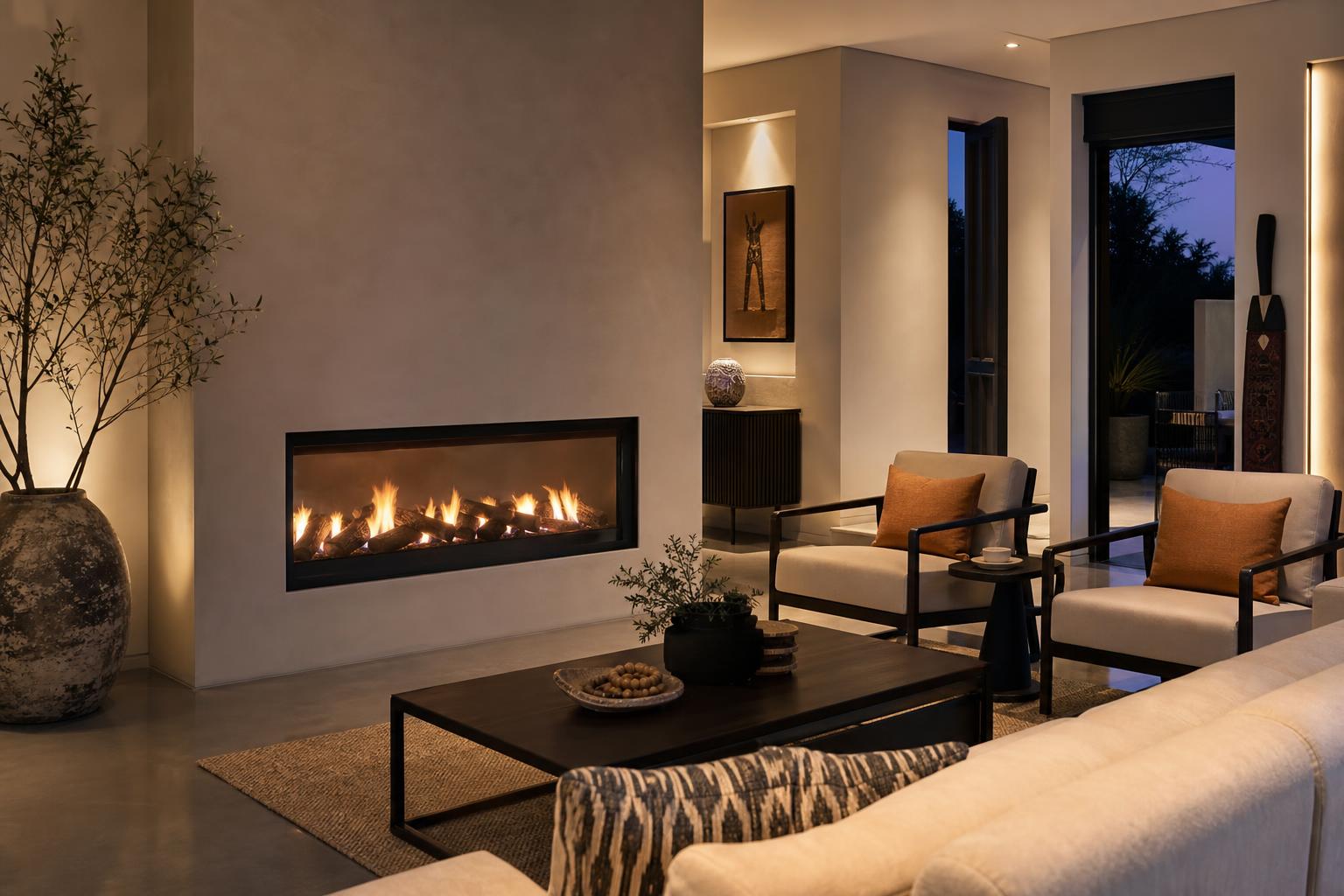
A freestanding gas fireplace indoor offers instant, flameless heat with no chimney renovation. Here are 5 things to check — ventilation type, kW output, gas supply, placement rules, and what installation involves.
A freestanding gas fireplace indoor gives you instant, controllable warmth the moment you twist the dial — no splitting wood, no chimney swept every season, no waiting for the fire to catch. But buying the wrong unit for your room size, gas supply, or ventilation setup can leave you disappointed or, in worst cases, at risk. These five key considerations will help you make a confident choice.

What Is a Freestanding Gas Fireplace Indoor?
A freestanding gas fireplace indoor is a self-contained heating unit that runs on LPG or natural gas, sits on legs or a plinth, and can be positioned against almost any wall without major structural work. Unlike a built-in insert, it doesn’t require cutting into masonry — making it one of the most flexible ways to add a real-flame fireplace to an existing room. You can browse our gas fireplace range to see both freestanding and built-in options available in South Africa.
The key distinction from a wood-burning freestanding fireplace is convenience: gas lights at the press of a button, produces no ash, and can be set to a specific temperature. For load-shedding nights, it’s also fully off-grid — no electricity required.
1. Flueless or Flued? The Most Important Decision for Indoor Use
When selecting a freestanding gas fireplace indoor, the first question is ventilation. There are two main types:
Flueless (ventless) gas fireplaces have no flue pipe. They burn with up to 100% heat efficiency because all warmth stays in the room. An oxygen depletion sensor (ODS) shuts them down before CO levels become dangerous. The trade-off: they release water vapour, can cause condensation on cold windows, and require a minimum room volume. Under South Africa’s LPGSASA safety guidelines and SANS 10087-1, flueless appliances must have adequate natural ventilation — typically at least 30 m³ of room volume for a 2 kW unit, scaling upward for larger outputs.
Flued (vented) gas fireplaces pipe combustion gases outside via a balanced flue or conventional flue. They’re the preferred choice for bedrooms, poorly ventilated rooms, or tightly insulated modern homes. A flue adds R3 000–R8 000 to the installation cost depending on the run length and whether you use single-wall or insulated twin-wall pipe — but the peace of mind for sleeping spaces is worth every rand.
Our team can advise which option suits your room during a site visit. See our professional fireplace installation service for what’s included.
2. Getting the kW Right: Sizing a Freestanding Gas Fireplace for a South African Room
The most common buying mistake is choosing output based on appearance alone. Here’s a practical sizing guide for Cape Town coastal and Western Cape conditions:
| Room size | Recommended output |
|---|---|
| Small bedroom or study (up to 18 m²) | 2–3 kW |
| Lounge or dining room (18–35 m²) | 3–5 kW |
| Larger open living area (35–55 m²) | 5–8 kW |
| Open-plan kitchen and lounge combo | 8–12 kW |
Coastal homes face damp cold rather than dry freeze, so factor in single glazing (add roughly 15%) and any draught gaps in older sash windows. A well-sealed 4 kW unit can outperform a draughty 8 kW one in many Cape Town homes.
For context on how supply-and-install cost scales with output, our fireplace installation cost guide has current Rand price ranges for gas and wood-burning models.
3. LPG Cylinder vs Natural Gas: Which Supply Is Realistic?
Most South African homes — particularly outside Gauteng’s northern suburbs — don’t have reticulated natural gas, so your freestanding gas fireplace indoor will run on LPG (liquefied petroleum gas) from a cylinder stored outside.
A 19 kg LPG cylinder costs around R250–R380 to refill (mid-2026, Western Cape) and runs a 4 kW gas fireplace for roughly 40–60 hours. During load shedding, that works out to R6–R9 per hour of comfortable heat — far cheaper than running a diesel generator for lighting alone.
If your street has a reticulated gas main (available in parts of Cape Town via Afrox or Egoli Gas), a conversion burner kit makes most freestanding units compatible. Always verify availability before purchase. To see how gas compares over a full season of use, our guide on gas vs wood-burning fireplaces breaks down the running cost maths honestly.
4. Placement and Safety: Where Can a Gas Fireplace Go Indoors?
Freestanding fireplaces offer more placement flexibility than built-in inserts, but there are still rules:
- Clearances: Maintain at least 300 mm from curtains, sofas, and loose furnishings on the sides; at least 500 mm to the front. Most manufacturers specify minimum clearances in the manual — check before positioning.
- Flooring protection: Even a flueless unit gets hot at the base. Use the manufacturer-supplied heat shield or a non-combustible hearth tile beneath the unit.
- Gas connections: LPG hoses must not run under carpets or through enclosed cabinets. A PIRB-registered gas installer must make the final connection — this is a legal requirement under the Pressure Equipment Regulations (PER) and a condition of most home insurance policies.
- Cylinder placement: Gas cylinders must be stored outdoors, upright, in a ventilated enclosure — never inside the home, not even in a garage.
If you’re deciding between a freestanding model and a fully fitted installation, our post on freestanding vs built-in fireplaces lays out the practical differences. You might also want to look at built-in gas fireplaces if you want a more permanent, furniture-integrated look once you’re committed to gas heating.
5. What the Installation Actually Involves
While the fireplace itself is freestanding, a compliant gas installation is not DIY territory. Here’s what a proper installation includes:
- A site assessment to confirm ventilation requirements and clearances
- Supply and fitting of the LPG regulator, copper or stainless-steel flex connector, and cylinder bracket outdoors
- For flued models: a flue run through an external wall or ceiling, with cowl and fire stop where required
- A gas certificate of compliance (CoC), which you’ll need for home insurance and future property resale
For a freestanding flueless unit in a well-ventilated room, the gas connection work can often be completed in half a day. A flued installation over two stories may take longer. To explore what’s on offer, visit our freestanding fireplaces category or our wider range of fireplaces — and when you’re ready to move forward, request a free installation quote and we’ll assess your specific space and gas setup.
Frequently Asked Questions
Can I use a freestanding gas fireplace indoors without a flue?
Yes — flueless (ventless) gas fireplaces are designed for indoor use without a flue pipe. They include an ODS that shuts off gas flow if oxygen drops below a safe level. However, they require a minimum room volume and adequate natural ventilation as per SANS 10087-1. Always confirm with a qualified gas installer before purchase.
How much does it cost to run a gas fireplace in South Africa?
At current LPG prices (around R16–R20/kg in the Western Cape, mid-2026), a 4 kW gas fireplace costs roughly R6–R9 per hour. Over a typical Cape Town winter evening of four hours, that’s R24–R36 per night — comparable to, or cheaper than, a diesel generator, and far simpler to manage.
Do I need a certificate of compliance for a gas fireplace installation?
Yes. Any gas appliance installation in South Africa must be carried out by a PIRB-registered installer and must receive a gas certificate of compliance (CoC). This is required by insurers and by the Pressure Equipment Regulations under the Occupational Health and Safety Act. Without one, an insurance claim related to the fireplace may be invalidated.
Can I run a freestanding gas fireplace indoor during load shedding?
Yes — and this is one of the biggest practical advantages of a freestanding gas fireplace indoor. Gas fireplaces run entirely on LPG or natural gas combustion, with no electrical supply needed beyond a battery-powered piezo lighter. Once lit, the fireplace heats your room completely off-grid, regardless of what stage of load shedding is in effect.
Related Posts
- Gas vs Wood-Burning Fireplaces: Running Costs Compared
- Built-In Gas Fireplaces: Clean Heat at the Flick of a Switch
- Freestanding vs Built-In Fireplaces: Which Is Right for Your Home?
- What Does Fireplace Installation Cost in South Africa?
- How to Choose the Perfect Fireplace for Your Home
Related reading
- Can You Install a Fireplace in an Existing Home? Yes — Here's How
- Combustion Fireplace Installation: How It Works, Costs & Compliance
- Need it done professionally? See our fireplace installation in Cape Town service.
Planning this kind of work?
Call or WhatsApp with your suburb and photographs. Fire Flames can discuss your fireplace, braai or home project and quote.
Get A Quote →